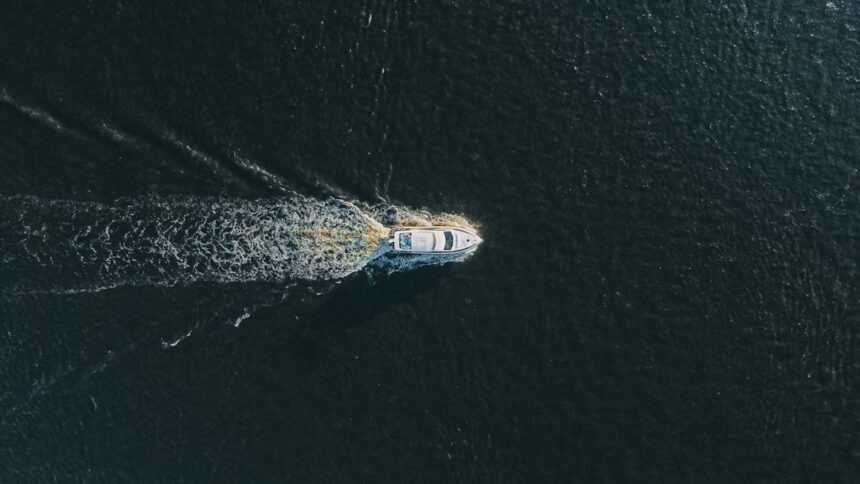
The Kings Bay Submarine Sets Sail
The Kings Bay submarine, a vital component of naval defense strategy, embarked on a significant deployment, marking a continuation of its operational readiness and strategic importance. This undertaking, shrouded in a degree of operational security, nonetheless represents a critical juncture for both the vessel and the broader maritime power projection capabilities of the nation. The departure from its homeport signifies more than just a physical movement; it indicates a shift from a state of preparation to active engagement in the complex and ever-evolving global security environment. The submarine, a technological marvel and a silent sentinel of the deep, carries with it the culmination of extensive training, meticulous maintenance, and a dedicated crew tasked with fulfilling a specific set of objectives.
The Strategic Significance of Submarine Operations
Submarine operations are fundamentally interwoven with the concept of strategic deterrence and flexible response. Their inherent stealth capabilities allow them to operate in contested environments, gathering intelligence, projecting power, and providing a credible threat without necessarily resorting to overt engagement. The presence of submarines, particularly those equipped with advanced weaponry, serves as a constant reminder to potential adversaries of the nation’s resolve and its capacity to respond to a wide range of contingencies. This deployment, therefore, is not an isolated event but rather a calculated move within a larger geopolitical chessboard, designed to reinforce alliances, deter aggression, and safeguard national interests. The ability to maintain a sustained presence, unseen and unhindered, is a cornerstone of modern naval strategy, and the Kings Bay submarine’s journey is a testament to this principle.
Elements of a Submarine Deployment
A submarine deployment is a complex undertaking involving numerous logistical, technical, and human elements. It begins long before the vessel leaves port, with extensive planning that considers mission objectives, potential threat environments, and the specific capabilities required. Crew training is paramount, ensuring that each member is proficient in their duties and capable of operating under stressful conditions. The submarine itself undergoes rigorous maintenance and preparation, from life support systems to the sophisticated weaponry it carries. Contingency planning for a multitude of scenarios is also a critical component. The act of setting sail is the visible culmination of these preparatory phases, transitioning the submarine and its crew into a state of active operational duty, where their skills and the vessel’s capabilities will be put to the test.
The recent departure of the Kings Bay submarine has sparked significant interest in naval operations and security measures. For a deeper understanding of the implications of such movements, you can read a related article that discusses the strategic importance of submarine deployments and their impact on global naval dynamics. Check it out here: In the War Room.
The Vessel and Its Capabilities
The Kings Bay submarine, a representative of advanced naval technology, is a sophisticated platform designed for extended operations beneath the waves. Its design prioritizes stealth, endurance, and the ability to deploy a range of ordnance, making it a versatile asset in modern naval warfare. The specific class of submarine and its armament are details typically kept confidential, but it is understood that these vessels are equipped with state-of-the-art sonars, communication systems, and propulsion technologies that enable them to operate with a low acoustic signature and at considerable depths. The emphasis on engineering and technological integration is a defining characteristic of such platforms, aimed at providing a decisive advantage in a domain where concealment and surprise are paramount.
Propulsion and Endurance
The propulsion system of a modern submarine is a critical determinant of its operational range and its ability to remain submerged for extended periods. While specific details regarding the Kings Bay submarine’s propulsion are likely classified, contemporary submarines utilize a variety of technologies, including nuclear reactors and advanced diesel-electric systems. Nuclear propulsion offers virtually unlimited endurance, allowing submarines to remain on station for months at a time, a significant advantage for long-duration missions. Diesel-electric submarines, while requiring periodic surfacing or snorkeling for battery charging, have also seen advancements in battery technology and air-independent propulsion (AIP) systems, which significantly extend their submerged endurance. The chosen propulsion method dictates the submarine’s operational profile and its ability to achieve its mission objectives without frequent resupply or return to port.
Weapon Systems and Strategic Role
The offensive capabilities of the Kings Bay submarine lie in its meticulously integrated weapon systems. These typically include torpedoes, cruise missiles, and potentially ballistic missiles, depending on the specific class and mission profile. Torpedoes are primarily employed against other submarines and surface vessels. Cruise missiles can be launched against land-based targets or naval assets, offering a stand-off strike capability. For submarines designated as part of a strategic deterrent force, the ability to carry and deploy intercontinental ballistic missiles (ICBMs) represents the ultimate expression of strategic power. The combination of stealth and a potent offensive payload makes the submarine a formidable platform, capable of engaging a wide spectrum of threats or fulfilling critical strategic deterrence roles without being detected.
Stealth and Acoustic Signature
Stealth, particularly acoustic stealth, is the defining characteristic that distinguishes submarines from other naval vessels. The design and operation of the Kings Bay submarine are heavily focused on minimizing its acoustic signature. This involves the use of advanced hull materials, noise reduction technologies for machinery, and sophisticated operational tactics designed to avoid detection. Sonar systems, both passive and active, are the primary means by which other vessels detect submarines. A submarine’s ability to operate with a minimal sound footprint, making it difficult for enemy sonar operators to locate and track, is directly correlated with its survivability and its effectiveness in achieving its mission. The engineering and operational expertise dedicated to acoustic quieting are therefore fundamental to the submarine’s strategic utility.
The Crew and Their Training
The operational success of any submarine, including the Kings Bay submarine, is intrinsically linked to the proficiency and dedication of its crew. A submarine crew is a highly specialized unit, comprised of individuals who have undergone rigorous selection and extensive training. The confined environment and the inherent risks associated with submarine operations demand a high level of discipline, teamwork, and technical expertise. Small crews, meticulously trained, are essential for the efficient and safe operation of complex systems. The psychological resilience and the ability to perform under pressure are as critical as technical skill.
Submarine Warfare Training Regimens
The training regimens for submarine crews are among the most demanding in the military. They encompass a broad range of skills, from the operation of delicate machinery and navigation to combat scenarios and emergency procedures. Trainees undergo extensive simulations to replicate the stresses of real-world operations, including damage control, fire-fighting, and flooding scenarios. Realistic tactical exercises, often conducted in virtual environments or at sea against other naval assets, hone their ability to identify threats, employ countermeasures, and execute offensive and defensive maneuvers. The continuous nature of this training ensures that crews remain at the forefront of operational readiness and adapt to evolving threats and technological advancements.
Life Aboard a Submarine
Life aboard a submerged submarine presents unique challenges and demands. The confined living and working spaces require effective management and a strong sense of community among the crew. Strict routines govern daily life, with allocated times for duty shifts, meals, personal hygiene, and limited recreation. The psychological impact of prolonged periods of isolation and the absence of natural light are mitigated through careful crew rotation policies, communication protocols with the outside world (when feasible without compromising security), and the provision of amenities designed to maintain morale. The interdependence of the crew members fosters a deep sense of camaraderie and shared responsibility, essential for the effective functioning of the vessel.
The Role of the Commanding Officer
The Commanding Officer (CO) plays a pivotal role in the success of any submarine deployment. The CO is ultimately responsible for the safety of the ship, the lives of the crew, and the successful execution of the mission. This requires a unique blend of technical acumen, leadership skills, and sound judgment. The CO must be able to make critical decisions under immense pressure, often with incomplete information, while maintaining the confidence and discipline of the crew. Their understanding of naval strategy, operational tactics, and the specific capabilities of their vessel is paramount. The authority and responsibility vested in the CO underscore the importance of experienced and well-trained leadership in submarine operations.
Mission Objectives and Operational Environment
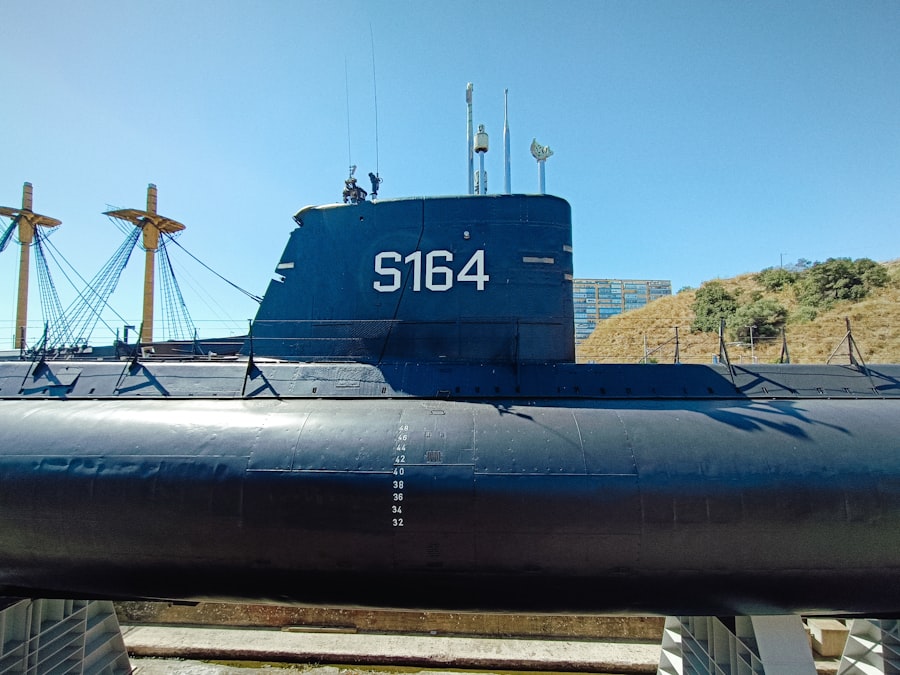
The specific objectives of the Kings Bay submarine’s deployment are classified, as is typical for operations of this nature. However, the broader strategic context within which such deployments occur provides a framework for understanding their potential aims. These missions can range from intelligence gathering and surveillance to providing a deterrent presence in strategically important regions, or engaging in anti-submarine warfare and anti-surface warfare exercises. The operational environment for a submarine is the vast and often unpredictable underwater domain, characterized by varying oceanographic conditions, the potential presence of adversaries, and the need for constant vigilance.
Intelligence, Surveillance, and Reconnaissance (ISR)
A significant function of submarines is their capacity to conduct intelligence, surveillance, and reconnaissance (ISR) missions. Their ability to operate undetected allows them to gather vital information about enemy naval movements, shore-based facilities, and other strategic assets. This can involve acoustic intelligence gathering, the observation of surface activities from periscope depth, or the deployment of unmanned underwater vehicles (UUVs) for more detailed reconnaissance. The intelligence gathered by submarines is invaluable for informing strategic decision-making and for providing real-time situational awareness to naval commanders.
Deterrence and Power Projection
Submarine deployments serve as a crucial element of national deterrence. The silent, unseen presence of a submarine capable of delivering significant firepower acts as a powerful deterrent against potential aggressors. It signals a nation’s readiness to defend its interests and its allies. Furthermore, submarines contribute to power projection by their ability to operate in areas far from home ports, demonstrating a global reach and a sustained commitment to security in various theaters of operation. Their mere presence can influence the behavior of other states and contribute to regional stability.
Maritime Security Operations
Beyond strategic deterrence, submarines also participate in maritime security operations. This can include escorting high-value naval assets, interdicting illegal activities at sea, or conducting patrols in sensitive maritime areas. Their stealth capabilities enable them to operate in environments where a surface presence might be perceived as provocative or unsustainable. These operations are vital for ensuring freedom of navigation, protecting trade routes, and maintaining stability in the global maritime commons.
The recent departure of the Kings Bay submarine has sparked interest among military analysts and enthusiasts alike, highlighting the strategic importance of naval operations in the current geopolitical climate. For those looking to delve deeper into the implications of such movements, a related article can be found at this link, which discusses the broader context of submarine deployments and their impact on global security. Understanding these dynamics is crucial for grasping the complexities of modern warfare and defense strategies.
Conclusion: The Submarine’s Ongoing Role
| Departure Date | Submarine Name | Destination | Departure Time |
|---|---|---|---|
| 2022-05-15 | USS Tennessee | Atlantic Ocean | 08:00 |
| 2022-06-20 | USS Maryland | Arctic Ocean | 10:30 |
| 2022-07-05 | USS Georgia | Indian Ocean | 09:45 |
The departure of the Kings Bay submarine for its latest deployment underscores the enduring importance of these silent underwater vessels in modern national security. Despite advancements in other military technologies, the unique capabilities of submarines in terms of stealth, endurance, and strategic strike potential remain indispensable. The vessel and its highly trained crew represent a significant investment in maintaining a credible naval presence and fulfilling a range of critical mission requirements. As the submarine navigates the depths, it embodies a commitment to vigilance, readiness, and the protection of national interests in an increasingly complex global landscape.
The Future of Submarine Warfare
The field of submarine warfare is continuously evolving, driven by technological innovation and the changing nature of global security threats. Future developments are likely to include advancements in artificial intelligence for autonomous operations, improved stealth technologies, and the integration of new weapon systems. The development of more sophisticated countermeasures by potential adversaries will also necessitate ongoing adaptation and innovation in submarine design and operational tactics. The Kings Bay submarine, as a representative of the current generation, will likely be succeeded by even more capable platforms, ensuring that this vital element of naval power continues to adapt and remain relevant.
Enduring Relevance in a Changing World
In a world characterized by dynamic geopolitical shifts and the resurgence of great power competition, the role of submarines remains profoundly relevant. Their ability to operate with impunity in contested waters, gather critical intelligence, and provide a credible deterrent makes them a cornerstone of effective maritime strategy. The Kings Bay submarine’s deployment is a testament to this enduring relevance, a silent but powerful statement of a nation’s commitment to security and its capacity to project power on a global scale. The continued investment in submarine technology and crew training signifies a strategic understanding of the unique advantages these vessels offer in maintaining peace and stability.
FAQs
What is Kings Bay submarine departure metadata?
Kings Bay submarine departure metadata refers to the information related to the departure of submarines from the Kings Bay Naval Submarine Base in Georgia. This metadata includes details such as the date and time of departure, the specific submarine involved, and any other relevant operational information.
Why is Kings Bay submarine departure metadata important?
The Kings Bay submarine departure metadata is important for maintaining operational security and accountability. It allows naval authorities to track the movements of submarines, ensure compliance with operational schedules, and monitor the overall readiness of the submarine fleet.
Who has access to Kings Bay submarine departure metadata?
Access to Kings Bay submarine departure metadata is restricted to authorized personnel within the naval command structure. This information is considered sensitive and is not publicly available. Only individuals with the appropriate security clearance and operational need-to-know are granted access to this metadata.
How is Kings Bay submarine departure metadata collected and stored?
Kings Bay submarine departure metadata is collected through various operational and administrative processes within the naval base. This information is then stored in secure databases and systems that are designed to protect the confidentiality and integrity of the data. Strict protocols are in place to ensure the proper handling and storage of this sensitive metadata.
What are the implications of unauthorized access to Kings Bay submarine departure metadata?
Unauthorized access to Kings Bay submarine departure metadata can pose significant risks to national security. It could potentially compromise the operational security of the submarine fleet, undermine strategic military planning, and jeopardize the safety of naval personnel. As such, strict measures are in place to prevent unauthorized access to this sensitive information.