USV Acoustic Monitoring athelf Break
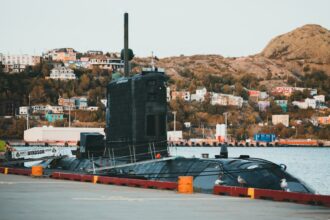
Unmanned Surface Vessels (USVs) equipped with acoustic monitoring systems are emerging as a significant tool for observing and characterizing the dynamic environment at the shelf break. This region, where the continental shelf transitions to the deep ocean, represents a critical zone in marine ecosystems, characterized by complex hydrodynamics, diverse biological communities, and significant geological features. The application of USVs in this challenging environment offers distinct advantages over traditional survey methods, particularly in terms of prolonged deployment, cost-effectiveness, and improved safety for personnel. This article will explore the multifaceted aspects of USV-based acoustic monitoring at the shelf break, examining the technological considerations, scientific applications, operational challenges, and future potential of this evolving methodology.
The efficacy of USV acoustic monitoring hinges on a sophisticated interplay of hardware and software, designed to operate autonomously in a demanding marine setting for extended periods. The unmanned nature of the platform necessitates robust navigation systems, reliable power sources, and advanced data acquisition and transmission capabilities. The acoustic payload itself comprises a suite of sensitive hydrophones and transducers, integrated to capture a wide spectrum of acoustic phenomena.
USV Platform Design and Capabilities
The selection and design of the USV platform are paramount for successful shelf break operations. These vessels, ranging in size from small, portable units to larger, more capable platforms, are engineered to withstand open-ocean conditions, including significant wave heights and strong currents. Their propulsion systems are typically electric, offering quiet operation to minimize self-generated acoustic noise, which is crucial for sensitive acoustic measurements. Endurance is a key consideration, with many USVs utilizing hybrid power systems, combining solar panels with battery banks to achieve mission durations of days or even weeks.
Navigation and Positioning
Precise navigation is fundamental for acoustic surveys, especially in a geologically complex area like the shelf break where mapping is often a primary objective. USVs employ a combination of GPS, inertial navigation systems (INS), and potentially Doppler Velocity Logs (DVLs) for accurate real-time positioning and dead reckoning. Advanced control algorithms enable autonomous waypoint navigation, station keeping, and programmed survey patterns. For shelf break environments, programmed transects that account for prevailing currents and potential obstacles are essential.
Power Management and Endurance
The operational window of a USV is directly dictated by its power management system. Efficient energy harvesting, typically through solar panels, combined with high-capacity battery storage, is crucial for extended deployments. The power budget must accommodate not only propulsion but also the operation of the acoustic sensors, data loggers, communication systems, and onboard processing units. Sophisticated power management software optimizes energy consumption, prioritizing critical functions and cycling less essential systems as needed.
Communication and Data Transmission
Real-time or near-real-time data transmission is often a requirement for dynamic environments like the shelf break, allowing for adaptive survey strategies and timely data analysis. USVs utilize a range of communication technologies, including satellite modems for long-range telemetry, cellular networks for shorter-range communication, and high-frequency radio for close proximity operational control. The bandwidth of these systems influences the volume and rate of data that can be transmitted, often necessitating onboard data processing or compression before transmission.
Acoustic Sensor Suite and Integration
The core of the monitoring capability lies in the array of acoustic sensors deployed on the USV. This typically includes passive hydrophones for listening to ambient noise and biological sounds, and active sonar systems for profiling the water column and seafloor.
Passive Acoustic Monitoring (PAM) Systems
Passive hydrophones are designed to detect and record underwater sounds without emitting any acoustic energy. At the shelf break, PAM systems are employed to identify and quantify marine mammal vocalizations, fish sounds, and anthropogenic noise sources. The frequency response, sensitivity, and directional characteristics of the hydrophones are critical for distinguishing different acoustic signals. Hydrophone arrays can be configured to infer the location of sound sources.
Hydrophone Types and Configurations
A variety of hydrophone types are utilized, from broad-band omnidirectional sensors to more specialized directional transducers. For shelf break surveys, hydrophone arrays are often deployed tethered below the USV or integrated into its hull. The spacing and arrangement of hydrophones within an array influence the system’s ability to perform beamforming, enabling the localization and tracking of acoustic sources.
Signal Processing and Analysis for PAM
Raw acoustic data from PAM systems requires significant processing to extract meaningful information. This involves noise reduction, signal detection, and classification algorithms. Spectrogram analysis is commonly used to visualize the acoustic environment over time and frequency, allowing for the identification of distinct acoustic events. Machine learning techniques are increasingly being applied for automated identification and classification of marine mammal calls and other biological sounds.
Active Acoustic Systems (Sonar)
Active sonar systems, such as side-scan sonar, multi-beam echo sounders, and sub-bottom profilers, are used to map the seafloor topography, characterize sediment types, and identify underwater structures. These systems emit acoustic pulses and analyze the returning echoes to create detailed acoustic images of the seafloor and the shallow subsurface.
Side-Scan Sonar for Seafloor Imaging
Side-scan sonar provides high-resolution acoustic imagery of the seafloor, revealing features such as rock outcrops, sand waves, wrecks, and biological habitats. Its effectiveness at the shelf break is crucial for habitat mapping and identifying areas of interest for further investigation. The range and resolution of the sonar are dependent on the operating frequency and the transducer characteristics.
Multi-beam Echo Sounders for Bathymetric Mapping
Multi-beam echo sounders are used to generate detailed bathymetric maps of the seafloor. By using multiple acoustic beams, they can cover a wide swath of the seafloor in a single pass, significantly increasing survey efficiency. These systems are vital for understanding the geomorphology of the shelf break and identifying features such as canyons and escarpments.
Sub-bottom Profilers for Sub-seafloor Understanding
Sub-bottom profilers emit low-frequency acoustic pulses that penetrate the seafloor, allowing for the imaging of shallow geological structures and sediment layers beneath the seabed. This is important for understanding geological processes, identifying potential resource deposits, and assessing seafloor stability.
Acoustic monitoring of shelf breaks using unmanned surface vehicles (USVs) has become an essential tool for understanding marine ecosystems and their dynamics. A related article that delves deeper into the methodologies and technologies employed in this field can be found at this link. This resource provides valuable insights into the advancements in acoustic monitoring techniques and their applications in marine research, particularly in the context of shelf break environments.
Scientific Applications at the Shelf Break
The shelf break is a nexus of ecological and geological processes, making it a focal point for scientific research. USV acoustic monitoring provides a unique capability to study these phenomena with unprecedented temporal and spatial coverage. The ability to deploy for extended durations and operate in challenging conditions allows for the collection of data that was previously difficult or impossible to obtain.
Marine Mammal Distribution and Behavior
The shelf break is a preferred habitat for many species of marine mammals, including cetaceans and pinnipeds, due to the abundant food resources associated with the transition to deeper waters. USV-based acoustic monitoring offers a non-invasive method to study their presence, distribution, and vocalization patterns.
Cetacean Monitoring and Vocalization Analysis
Passive acoustic monitoring is particularly effective for detecting the presence of whales and dolphins, many of which are highly vocal. By analyzing the spectral and temporal characteristics of their calls, researchers can identify different species, estimate population densities, and study their behavioral patterns, such as foraging and social interactions. The sustained monitoring capabilities of USVs allow for the observation of diurnal and seasonal variations in cetacean activity.
Species Identification and Localization
Advanced signal processing algorithms can identify specific vocalizations of different cetacean species. By deploying hydrophone arrays, the precise location of vocalizing animals can be determined, providing valuable data on their spatial distribution relative to the shelf break features.
Behavioral Acoustic Signatures
Different behaviors, such as feeding, traveling, and socializing, are often associated with distinct acoustic signatures. USV acoustic monitoring can facilitate the correlation of acoustic data with visual observations (if available via onboard cameras) or other environmental parameters to understand the acoustic correlates of various marine mammal behaviors.
Pinniped Acoustic Presence
While less vocal in the water column compared to many cetaceans, pinnipeds can also be detected acoustically, particularly during foraging dives or when moving through the water associated with their haul-out sites at the edge of the shelf. Acoustic monitoring can contribute to understanding their underwater movements and habitat use.
Fish Stock Assessment and Habitat Characterization
Acoustic methods, both passive and active, are invaluable tools for understanding fish populations and their habitats at the shelf break. The detection of fish sounds and the mapping of seafloor features provide insights into biomass estimation and ecological connectivity.
Biological Soundscapes and Fish Vocalizations
Many fish species produce sounds associated with reproduction, territorial defense, and predator avoidance. The study of these soundscapes can reveal the diversity and abundance of fish communities within the shelf break ecosystem. USVs can provide continuous acoustic monitoring to capture temporal patterns in fish vocalization activity.
Acoustic Indices for Biodiversity Assessment
Acoustic indices, derived from the analysis of passive acoustic data, can serve as proxies for biodiversity and ecosystem health. By quantifying the variation in sound pressure levels across different frequency bands, researchers can infer the relative abundance and diversity of acoustically active organisms, including fish.
Seafloor Habitat Mapping for Fisheries Management
The integration of side-scan sonar and multi-beam echo sounders on USVs enables detailed mapping of seafloor habitats, which are critical for understanding fish distribution and abundance. Identifying areas of different substrate, complexity, and presence of structures can inform fisheries management strategies by pinpointing important nursery grounds, spawning areas, and feeding grounds.
Anthropogenic Noise Impact Assessment
The shelf break is increasingly subject to anthropogenic noise from shipping, seismic surveys, and offshore construction. USV acoustic monitoring provides a means to quantify this noise pollution and assess its potential impact on marine life, particularly sensitive species.
Noise Source Identification and Triangulation
By deploying multiple hydrophones, USVs can help identify and locate sources of anthropogenic noise, such as commercial vessels and offshore industrial activities. This allows for a better understanding of noise propagation patterns and their distribution across the shelf break.
Long-term Noise Trend Monitoring
The ability of USVs to conduct long-term, autonomous deployments makes them ideal for monitoring trends in anthropogenic noise levels over time. This data is essential for assessing the cumulative impact of noise pollution on marine ecosystems and informing regulatory decisions.
Geological and Oceanographic Processes
Acoustic systems are not limited to biological observations; they also play a crucial role in understanding the geological and oceanographic dynamics of the shelf break.
Seafloor Morphology and Sediment Dynamics
Multi-beam echo sounders and side-scan sonar provide detailed bathymetric and acoustic backscatter data, essential for mapping complex seafloor features like canyons, seamounts, and submerged terraces. This information is vital for understanding sediment transport, erosion, and depositional processes that shape the shelf break.
Mapping Submarine Slumps and Landslides
The shelf break is prone to submarine landslides and slumps, which can pose geohazards. Acoustic surveys can identify these features, assess their stability, and contribute to the development of early warning systems.
Water Column Stratification and Acoustic Scattering Layers
Sub-bottom profilers and specific sonar frequencies can reveal acoustic scattering layers within the water column, which often represent areas of high biological activity (e.g., plankton blooms, aggregations of small fish) or significant changes in water density and temperature. USVs can provide repeated transects to study the temporal and spatial variability of these layers.
Operational Considerations and Challenges
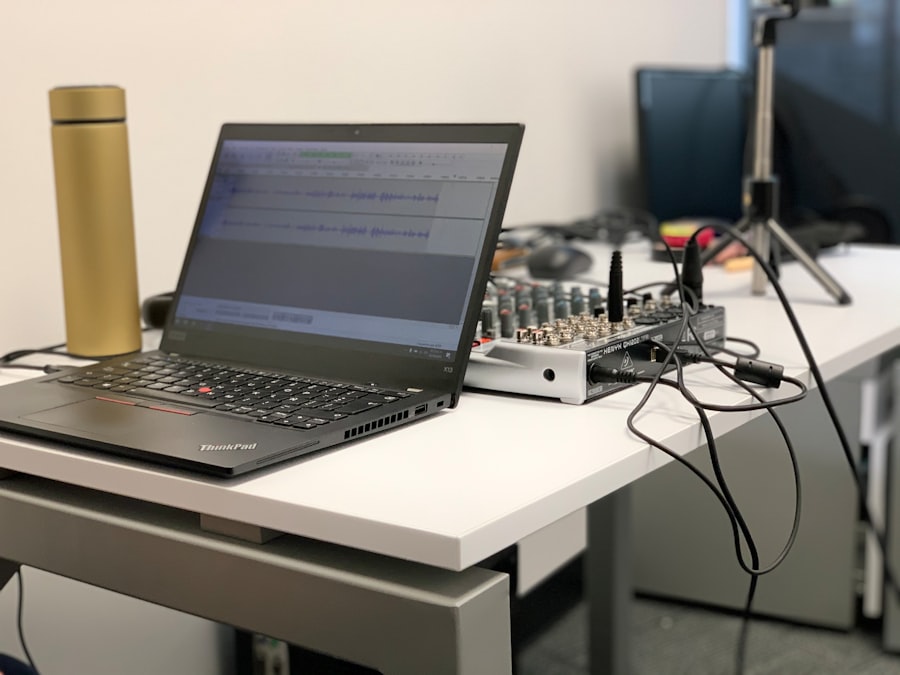
Operating USVs at the shelf break presents a unique set of challenges that necessitate careful planning and robust engineering. The remoteness, dynamic sea states, and potential for equipment malfunction require a high degree of autonomy and resilience.
Environmental Extremes and Navigation Hazards
The shelf break is characterized by energetic wave conditions, strong tidal currents, and potentially unpredictable weather patterns. These factors pose significant risks to USV operations and data acquisition.
Navigating Complex Hydrodynamics
Strong currents can significantly impact USV position and course, requiring advanced navigation and control systems to maintain programmed survey tracks. Failure to account for these currents can lead to inaccurate data or loss of the USV.
Weather Windows and Operational Limitations
While USVs are designed for open-ocean operations, extreme weather events can still necessitate retrieval or operational downtime. Identifying suitable weather windows for deployment and retrieval is crucial for mission success and equipment safety.
Autonomy, Reliability, and Maintenance
The autonomous nature of USVs means they must be able to operate reliably for extended periods without direct human intervention. This places a premium on system reliability and ease of maintenance.
Software Reliability and Fault Tolerance
The complex software controlling USV navigation, data acquisition, and power management must be highly reliable and incorporate fault tolerance mechanisms to handle unexpected errors or hardware failures. Remote diagnostics and the ability to reconfigure systems remotely are essential.
Onboard Data Processing and Decision-Making
To minimize reliance on continuous communication, USVs often incorporate onboard data processing capabilities. This allows for data compression, basic quality control, and in some cases, autonomous decision-making based on incoming sensor data, such as altering survey patterns if a significant feature is detected.
Remote Diagnostics and Troubleshooting
The ability to remotely diagnose system health, identify potential issues, and even implement corrective actions is vital for maintaining operational continuity, especially when dealing with unexpected sensor anomalies or system malfunctions.
Data Management and Quality Control
The sheer volume of acoustic data generated by USVs requires robust data management strategies and rigorous quality control procedures to ensure the scientific integrity of the findings.
Data Storage and Retrieval
USVs must have sufficient onboard storage capacity for sensor data during extended deployments. Efficient data compression techniques are often employed to maximize storage space. Retrieval methods range from physical collection of data loggers to wireless transmission.
Real-time Data Quality Assessment
Implementing real-time quality assessment checks in the onboard processing pipeline can help identify and flag potentially erroneous data early, preventing contamination of the dataset. This could include checks for sensor drift, noise spikes, or deviations from expected environmental parameters.
Metadata Standardization and Archiving
Consistent and standardized metadata is essential for the long-term usability and accessibility of acoustic datasets. This includes detailed information about the USV, sensor configuration, deployment parameters, and environmental conditions. Proper archiving ensures data preservation for future research.
Integration with Other Monitoring Technologies
While acoustic monitoring is a powerful standalone capability, its scientific impact is often amplified when integrated with other marine observation technologies. This multi-sensor approach provides a more comprehensive understanding of the shelf break environment.
Combined Acoustic and Oceanographic Sensing
Integrating acoustic sensors with traditional oceanographic instruments, such as CTD (Conductivity, Temperature, Depth) profilers, current meters, and fluorometers, on USVs allows for the correlation of acoustic signals with physical and chemical properties of the water column and seafloor.
Acoustic Scattering Layers and Water Mass Properties
Correlating acoustic scattering layers with concurrent measurements of temperature, salinity, and chlorophyll fluorescence can help identify the biological and physical drivers of these layers, providing insights into plankton distribution and water mass characteristics.
Seafloor Acoustic Properties and Sediment Composition
By combining acoustic backscatter data with in-situ sediment samples or ground-truthing from ROVs, researchers can calibrate acoustic signatures to specific sediment types and understand how acoustic properties relate to seafloor composition.
Synergistic use of USVs and Other Platforms
USVs can operate synergistically with other marine platforms, such as research vessels, autonomous underwater vehicles (AUVs), and moored observatories, to achieve broader spatial and temporal coverage.
Complementary Data Acquisition Strategies
A large research vessel could deploy a USV for continuous, localized acoustic monitoring in a specific area while the vessel itself conducts broader surveys or deploys other equipment. Similarly, USVs can act as mobile acoustic platforms to investigate acoustic anomalies detected by moored sensors.
Adaptive Surveying and Targeted Investigations
Data from moored acoustic observatories or initial reconnaissance surveys by a larger vessel can inform USV missions, allowing for adaptive surveying to focus on areas of particular scientific interest or to investigate newly detected acoustic events.
Role in Multi-disciplinary Shelf Break Research
The shelf break is a critical zone for studying ecological connectivity, biogeochemical fluxes, and geological processes. USVs contribute significantly to multi-disciplinary efforts aimed at understanding these complex interactions.
Understanding Trophic Connectivity
By monitoring the distribution and vocalizations of both prey species (fish) and predators (marine mammals), USVs can help map trophic relationships and understand how energy flows across the shelf break ecosystem.
Quantifying Sediment Resuspension Events
The integration of acoustic surveys with current meters can help identify periods of high sediment resuspension at the shelf break, providing insights into nutrient cycling and sediment transport processes.
Acoustic monitoring of shelf breaks using USV strings has become increasingly important for understanding marine ecosystems and their dynamics. A related article that delves deeper into the implications of such monitoring techniques can be found at In The War Room, where the authors discuss the advancements in underwater surveillance and their impact on environmental research. This resource provides valuable insights into how these technologies are shaping our understanding of oceanic processes and the challenges faced in marine conservation efforts.
Future Directions and Potential Innovations
“`html
| Date | Location | Depth (m) | Temperature (°C) | Salinity (ppt) |
|---|---|---|---|---|
| 2021-05-15 | Gulf of Mexico | 200 | 12.5 | 35.7 |
| 2021-06-20 | Atlantic Ocean | 300 | 8.3 | 36.2 |
| 2021-07-10 | Pacific Ocean | 150 | 15.2 | 34.8 |
“`
The field of USV acoustic monitoring at the shelf break is rapidly evolving, with ongoing technological advancements promising even greater capabilities and scientific insights.
Enhanced Autonomy and Artificial Intelligence
The increasing sophistication of artificial intelligence (AI) and machine learning algorithms is enabling USVs to perform more complex tasks autonomously, from real-time data processing and interpretation to adaptive mission planning.
AI-driven Target Recognition and Classification
Future USVs will likely incorporate advanced AI algorithms capable of real-time identification and classification of marine mammals, fish species, and even specific types of anthropogenic noise with a high degree of accuracy, reducing the need for post-processing analysis.
Predictive Modeling and Anomaly Detection
AI can be used for predictive modeling of acoustic phenomena and for anomaly detection, alerting operators to unusual events or deviations from expected patterns, thereby enabling more targeted and efficient investigations.
Miniaturization and Swarm Deployments
Advances in miniaturization of acoustic sensors and USV platforms will allow for the deployment of larger swarms of coordinated USVs, providing unprecedented spatial coverage and redundancy.
Distributed Acoustic Sensing Networks
The deployment of multiple, smaller USVs acting in concert can create distributed acoustic sensing networks, offering advantages in terms of redundancy, resilience, and the ability to triangulate sound sources with greater precision over a wider area.
Cost-Effective Large-Scale Monitoring
The development of lower-cost, miniaturized USVs could enable large-scale, persistent monitoring of shelf break environments, making comprehensive ecological and geological surveys more accessible.
Integration of Novel Sensing Modalities
The future may see USVs equipped with a wider array of sensing modalities, further enhancing their ability to characterize the shelf break environment.
Hyperspectral Imaging and Environmental DNA Sampling
Beyond acoustics, future USVs could integrate hyperspectral imaging for habitat assessment or onboard sample collection systems for environmental DNA (eDNA) analysis, providing a multi-faceted approach to biodiversity and ecosystem characterization.
Biogeochemical Sensor Integration
The incorporation of novel biogeochemical sensors could allow USVs to monitor parameters such as dissolved oxygen, nutrient levels, and carbon dioxide concentrations, providing crucial data on the health and functioning of shelf break ecosystems.
The ongoing development and application of USV acoustic monitoring at the shelf break represent a significant advancement in our ability to explore and understand this vital marine environment. The technological progress, coupled with innovative scientific applications, promises to yield deeper insights into the complex interplay of biological, geological, and oceanographic processes that define this dynamic oceanic frontier.
FAQs
What is USV string shelf break acoustic monitoring?
USV string shelf break acoustic monitoring is a method of using unmanned surface vehicles (USVs) equipped with acoustic monitoring equipment to study and monitor the shelf break, which is the steep slope that separates the shallow continental shelf from the deeper ocean basin.
How does USV string shelf break acoustic monitoring work?
USVs are deployed to travel along the shelf break, towing a string of acoustic monitoring devices that can detect and record sounds in the water. These devices can capture a wide range of acoustic signals, including marine mammal vocalizations, ship noise, and natural ocean sounds.
What are the benefits of using USV string shelf break acoustic monitoring?
USV string shelf break acoustic monitoring allows researchers to gather valuable data on marine life, human activities, and environmental conditions in the shelf break region. This data can be used to assess the health of marine ecosystems, study the effects of human activities on marine life, and monitor changes in ocean conditions over time.
What are some potential applications of USV string shelf break acoustic monitoring?
Potential applications of USV string shelf break acoustic monitoring include studying the behavior and distribution of marine mammals, monitoring the impact of shipping and industrial activities on marine environments, and assessing the effects of climate change on ocean ecosystems.
Are there any challenges associated with USV string shelf break acoustic monitoring?
Challenges associated with USV string shelf break acoustic monitoring include the need for advanced technology to process and analyze large amounts of acoustic data, as well as the logistical and operational challenges of deploying and maintaining USVs in remote and challenging marine environments.