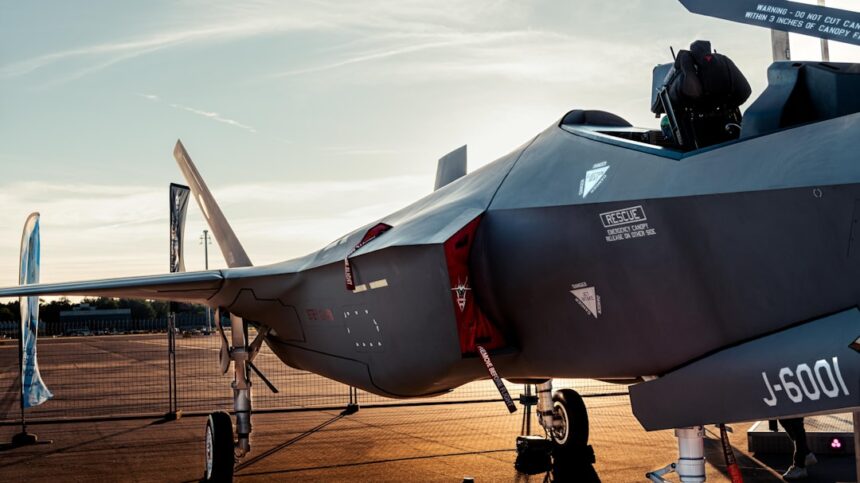
The F-35 Lightning II, a marvel of modern aerospace engineering, represents a significant leap in military aviation capabilities. Its advanced stealth technology, integrated avionics, and multi-role versatility are designed to provide a decisive advantage in contested airspace. However, the very complexity and sophistication that define the F-35 also necessitate a rigorous and often overlooked aspect of its operational readiness and sustainment: the meticulous protection of its associated paperwork. This seemingly mundane category encompasses a vast and critical ecosystem of data, documents, and digital information that underpins every facet of the F-35 program, from initial design and manufacturing to ongoing maintenance, pilot training, and operational deployment. Failure to adequately safeguard this information can have cascading detrimental effects, undermining the aircraft’s effectiveness, compromising national security, and incurring substantial financial and logistical costs.
The information burden associated with the F-35 is immense. Each aircraft generates millions of data points daily. This translates into a colossal volume of technical manuals, engineering drawings, maintenance logs, flight data records, supply chain manifests, and software configurations. Moreover, the classified nature of much of this data, particularly concerning its stealth characteristics and advanced sensor capabilities, adds a layer of complexity to its protection. The F-35 program operates on a global scale, involving multiple international partners, further multiplying the challenges of access control, information sharing protocols, and consistent security standards. Therefore, understanding and implementing robust strategies for protecting F-35 paperwork is not merely an administrative duty; it is a fundamental requirement for ensuring the continued success and security of this vital defense asset.
The complexities surrounding the F-35 stealth fighter have been further illuminated in a recent article discussing the extensive paperwork and defense protocols associated with its deployment and maintenance. This piece delves into the challenges faced by military personnel in navigating the bureaucratic landscape that accompanies such advanced technology. For more insights on this topic, you can read the full article here: F-35 Stealth Fighter Paperwork and Defense.
The Scope of F-35 Paperwork: A Multifaceted Landscape
The term “paperwork” in the context of the F-35 extends far beyond traditional printed documents. It encompasses a broad spectrum of information, both physical and digital, each with its own unique security considerations. The sheer volume and interconnectedness of this data demand a comprehensive approach to its safeguarding.
Design and Development Documentation
The genesis of the F-35 lies in a highly intricate design and development process. Thousands of engineers, scientists, and technicians contributed to its creation, generating an enormous repository of documentation.
Technical Drawings and Schematics
These documents detail every aspect of the aircraft’s construction, from the placement of rivets to the complex internal routing of wiring and fuel lines. Any unauthorized access or alteration could lead to structural integrity issues or functional failures.
Material Specifications and Certifications
Information pertaining to the specific materials used in the F-35, including their properties and certifications, is crucial for maintaining its structural integrity and performance characteristics. Compromising this data could lead to the use of substandard materials, jeopardizing safety and operational effectiveness.
Software and Systems Engineering Documentation
The F-35 is an information-centric platform. Its sophisticated software, algorithms, and integrated systems are documented extensively. This documentation is not only vital for understanding how the aircraft operates but also for its continued development and upgrade cycles.
Manufacturing and Production Records
Once the design is finalized, the manufacturing process begins, generating another significant volume of sensitive information.
Production Blueprints and Work Instructions
Detailed instructions for assembly, manufacturing tolerances, and quality control checkpoints are essential for ensuring that each F-35 is built to specification.
Supply Chain Documentation
The F-35 relies on a complex global supply chain for its components. Records of suppliers, part numbers, origin of materials, and quality assurance checks are all part of this documentation.
Quality Assurance and Testing Data
Rigorous testing is conducted at every stage of production. Failures, deviations, and successful test results are meticulously recorded, providing a critical audit trail.
Operational and Maintenance Information
The F-35’s operational lifespan is long, and its maintenance requirements are complex. This phase generates the most dynamic and continuously updated body of paperwork.
Technical Orders (TOs) and Maintenance Manuals
These are the bedrock of F-35 maintenance. They provide step-by-step instructions for every conceivable maintenance task, diagnostic procedure, and repair. Unauthorized modification or dissemination of these orders could lead to incorrect maintenance being performed, potentially causing significant damage or compromising safety.
Aircraft Logbooks and History Records
Each F-35 has a comprehensive logbook detailing its flight hours, maintenance performed, component replacements, and any significant incidents. These records are vital for tracking the aircraft’s health, predicting future maintenance needs, and documenting its operational history.
Flight Data Recorders (FDRs) and Cockpit Voice Recorders (CVRs)
While primarily data storage devices, the post-flight analysis and interpretation of FDR and CVR data generate reports and documentation. These are critical for accident investigation, performance analysis, and identifying potential operational issues.
Sensor Data and Performance Metrics
The F-35 collects vast amounts of sensor data during its missions. The analysis and reporting of this data provides insights into enemy capabilities, environmental conditions, and the aircraft’s own performance.
Mission Planning and Debriefing Reports
Information related to mission objectives, flight paths, target selection, and post-mission assessments is crucial for tactical planning, after-action reviews, and continuous improvement.
Pilot and Crew Information
The human element in operating such sophisticated machinery is also documented and requires protection.
Training Records and Qualifications
Documentation detailing pilot training, simulator hours, and successful completion of various training modules is essential for ensuring pilot proficiency and readiness.
Medical and Physiological Records
While access is highly restricted, certain physiological data related to flight operations might be recorded and require protection for privacy and operational considerations.
Program Management and Financial Data
The overarching management of the F-35 program also generates significant volumes of sensitive paperwork.
Program Budgets and Contractual Agreements
Information regarding the program’s financial expenditures, contracts with suppliers, and budgetary allocations is highly sensitive and subject to economic and national security implications.
Partnership Agreements and Memoranda of Understanding
The F-35 is a multinational program. Agreements and understandings between participating nations require strict confidentiality.
Threats to F-35 Paperwork: A Multifaceted Vulnerability Landscape
The information assets associated with the F-35 are under constant threat from a diverse range of actors and methodologies. Recognizing these threats is the first step in developing effective mitigation strategies.
External Threat Actors
These entities actively seek to exploit vulnerabilities to gain unauthorized access to sensitive F-35 information.
Nation-State Espionage
Adversarial nations are perpetually seeking to acquire advanced military technology. Stealing F-35 design specifications, stealth capabilities, or operational tactics would provide them with invaluable intelligence, allowing them to develop countermeasures or develop similar advanced systems.
Cybercriminal Organizations
While often motivated by financial gain, cybercriminals can also act as proxies for nation-states or engage in industrial espionage. They may target F-35 data for sale on the dark web or for disruptive purposes.
Terrorist Organizations
While less likely to possess the sophisticated capabilities for direct large-scale theft, smaller, targeted information breaches could potentially provide them with insights into vulnerabilities or operational weaknesses.
Insider Threats
Individuals with legitimate access to F-35 information can pose a significant risk, either intentionally or unintentionally.
Malicious Insiders
Disgruntled employees, individuals seeking financial gain, or those ideologically motivated might deliberately leak, steal, or alter sensitive documentation.
Negligent Insiders
Accidental disclosure through misconfigured systems, lost devices, or improper handling of classified information can be just as damaging as intentional theft. This can stem from a lack of awareness, inadequate training, or simple human error.
Technical Vulnerabilities
The very systems designed to manage and store F-35 documentation can themselves be points of failure.
Unsecured Networks and Systems
Outdated network infrastructure, weak encryption, or misconfigured firewalls can create entry points for attackers.
Insecure Software and Applications
Vulnerabilities in operating systems, databases, or custom-built information management systems can be exploited by sophisticated attackers.
Physical Security Lapses
Inadequate physical security at facilities where F-35 documentation is stored or accessed can lead to theft or unauthorized viewing.
Procedural Deficiencies
Even with strong technical measures in place, poor adherence to established procedures can undermine security.
Inconsistent Data Handling Policies
Varying standards for data classification, access control, and dissemination across different units or organizations can create loopholes.
Inadequate Training and Awareness
A workforce that is not sufficiently trained on security protocols and the importance of information protection is more likely to make mistakes or fall victim to social engineering tactics.
Poor Version Control and Data Integrity Measures
Without robust systems for tracking changes and ensuring data integrity, altered or corrupted documents can go undetected, leading to operational errors.
Safeguarding Strategies: A Layered Defense Approach
Protecting F-35 paperwork requires a multi-layered, comprehensive strategy that addresses both the technical and human aspects of information security. No single solution will suffice; instead, a combination of policies, technologies, and continuous vigilance is essential.
Robust Access Control and Authentication Mechanisms
The principle of “least privilege” must be rigorously applied. Users should only have access to the information and systems necessary for their specific roles and responsibilities.
Role-Based Access Control (RBAC)
Systems should be configured such that access permissions are assigned based on job function, rather than individual user accounts. This simplifies management and reduces the risk of over-privileging individuals.
Multi-Factor Authentication (MFA)
Implementing MFA for all access to sensitive F-35 data, especially for remote access, significantly enhances security by requiring multiple forms of verification (e.g., password, token, biometric).
Regular Access Reviews
Periodically reviewing user access privileges ensures that they remain appropriate and that access is revoked promptly when an individual’s role changes or they leave the organization.
Data Encryption and Protection in Transit and At Rest
Sensitive F-35 information must be protected both when it is being stored and when it is being transmitted across networks.
End-to-End Encryption
Implementing encryption for data at all stages, from creation to archival, prevents unauthorized access even if physical media is compromised or data is intercepted.
Secure Data Storage Solutions
Utilizing secure, hardened servers and databases with robust intrusion detection and prevention systems is crucial for protecting data at rest.
Secure Network Protocols
Employing secure protocols like TLS/SSL for data transmission over networks ensures that information is protected from eavesdropping.
Continuous Monitoring and Auditing
An ongoing process of monitoring system activity and auditing access logs is vital for detecting and responding to potential security incidents.
Intrusion Detection and Prevention Systems (IDPS)
These systems actively monitor network traffic and system logs for suspicious activity, alerting security personnel to potential breaches.
Security Information and Event Management (SIEM) Systems
SIEM solutions aggregate and analyze security alerts from various sources, providing a centralized view of the security posture and facilitating incident response.
Regular Log Analysis
Manual or automated analysis of system logs can reveal unauthorized access attempts, policy violations, or unusual data access patterns.
Physical Security Measures
Protecting the physical locations where F-35 documentation is stored and accessed is a fundamental aspect of information security.
Secure Facilities and Compartmentalization
Restricting access to sensitive areas through physical barriers, surveillance, and authorized entry protocols is paramount.
Secure Storage Devices
Utilizing locked cabinets, secure server rooms, and tamper-evident seals for physical documents and storage media helps prevent unauthorized physical access.
Personnel Vetting and Background Checks
Thorough vetting of personnel who have access to sensitive F-35 information is a critical preventative measure.
Training and Awareness Programs
The human element remains a critical vulnerability. Comprehensive training and continuous awareness programs are essential for fostering a security-conscious culture.
Security Awareness Training
Educating personnel on common threats, phishing attempts, social engineering tactics, and the importance of data security policies is crucial.
Role-Specific Security Training
Providing tailored training to individuals based on their access levels and responsibilities ensures they understand the specific security requirements of their roles.
Incident Reporting Procedures
Clearly defined and easily accessible procedures for reporting security incidents, no matter how minor they seem, empower individuals to be part of the solution.
Secure Software Development Lifecycle (SSDLC)
For any custom software or systems used to manage F-35 data, integrating security into every phase of the development process is essential.
Threat Modeling and Risk Assessment
Identifying potential threats and vulnerabilities early in the design phase allows for proactive mitigation.
Secure Coding Practices
Training developers on secure coding principles and employing code review processes helps prevent vulnerabilities from being introduced.
Regular Security Testing and Vulnerability Assessments
Conducting penetration testing and vulnerability scans throughout the software development lifecycle helps identify and address weaknesses.
The ongoing discussions surrounding the F-35 stealth fighter have highlighted the complexities involved in its development and deployment, particularly regarding the associated paperwork and defense protocols. For those interested in a deeper dive into the intricacies of military aviation and the challenges faced by defense contractors, a related article can be found at In The War Room, which explores the implications of such advanced technology on modern warfare. This resource provides valuable insights into the strategic considerations that accompany the F-35 program and its impact on national security.
The Future of F-35 Paperwork Protection: Evolving Threats and Advanced Solutions
| Category | Data/Metric |
|---|---|
| Number of Paperwork | 5000 |
| Defense Budget Allocation | 100 million |
| Number of Defense Contractors | 10 |
| Timeline for Completion | 2 years |
The landscape of information security is in constant flux, driven by both the evolving sophistication of threat actors and advancements in technological solutions. Protecting F-35 paperwork in this dynamic environment requires a forward-looking approach, anticipating future challenges and proactively adapting strategies.
Artificial Intelligence and Machine Learning in Cybersecurity
AI and ML are increasingly being leveraged to enhance cybersecurity defenses. For F-35 paperwork, these technologies can offer significant advantages in detection, response, and prediction.
Anomaly Detection and Behavioral Analysis
AI algorithms can analyze vast datasets of F-35 system activity to identify subtle deviations from normal behavior that might indicate an intrusion or insider threat, often faster and more comprehensively than human analysts.
Predictive Threat Intelligence
By analyzing global threat trends and identifying patterns, AI can help predict emerging threats and proactively strengthen defenses against them.
Automated Incident Response
AI-powered systems can be programmed to initiate pre-defined response actions to certain types of security alerts, reducing the time to contain and mitigate threats.
Blockchain for Data Integrity and Provenance
The inherent security features of blockchain technology offer promising applications for protecting critical F-35 data.
Immutable Audit Trails
Blockchain’s distributed ledger technology can create an unalterable record of all access, modifications, and transfers of F-35 documentation, making it extremely difficult for malicious actors to tamper with data without detection.
Enhanced Data Provenance
Blockchain can securely track the origin and history of specific pieces of information, providing irrefutable proof of authenticity and preventing the introduction of counterfeit or altered documents.
Secure Information Sharing
For collaborative environments involving international partners, blockchain could facilitate secure and verifiable sharing of F-35 related data while maintaining granular control over access.
Zero Trust Architecture
The conceptual shift towards a Zero Trust security model is becoming increasingly relevant for complex, distributed systems like the F-35 program.
Continuous Verification
Instead of implicitly trusting entities within a network perimeter, Zero Trust mandates continuous verification of all users and devices attempting to access sensitive F-35 information, regardless of their location.
Micro-segmentation
Dividing the network into smaller, isolated zones limits the lateral movement of attackers if a breach does occur, containing potential damage to specific datasets.
Enhanced Data Granularity
Zero Trust emphasizes securing individual data elements rather than entire networks, allowing for highly specific access controls even within vast repositories of F-35 documentation.
Advanced Data Loss Prevention (DLP) and Data Classification Tools
As the volume and sensitivity of F-35 data grow, so does the need for sophisticated DLP solutions.
Context-Aware Data Classification
Leveraging natural language processing (NLP) and machine learning, DLP tools can automatically classify F-35 documents based on their content and context, assigning appropriate security policies.
Proactive Data Exfiltration Detection
Advanced DLP can monitor outgoing data streams for sensitive F-35 information and block unauthorized transfers in real-time.
Automated Policy Enforcement
DLP systems can automatically enforce security policies related to data handling, sharing, and storage, reducing reliance on manual oversight.
The Critical Role of International Cooperation and Standardization
Given the multinational nature of the F-35 program, ensuring consistent and robust paperwork protection across all partner nations is a significant challenge and a vital imperative.
Harmonized Security Protocols
Developing and enforcing common security protocols and standards for data handling, access control, and incident reporting across all participating countries is crucial.
Joint Information Sharing Regimes
Establishing secure and trusted channels for sharing critical F-35 related information among allies is essential for joint operational effectiveness.
Continuous Joint Training and Exercises
Regularly conducting joint security exercises and training scenarios focused on data protection and incident response can identify and address interoperability issues and common vulnerabilities.
The protection of F-35 paperwork is not a static endeavor; it is an ongoing process of adaptation, innovation, and vigilance. As the F-35 continues to evolve and its operational footprint expands, so too must the strategies employed to safeguard the intricate web of information that underpins its success. A commitment to continuous improvement, embracing emerging technologies, and fostering a deeply ingrained culture of security will be essential to ensuring that this critical defense asset remains secure and effective in the face of ever-evolving threats.
FAQs
What is the F35 stealth fighter?
The F35 stealth fighter is a fifth-generation multirole combat aircraft designed for ground attack, reconnaissance, and air defense missions. It is known for its advanced stealth capabilities and integrated avionics.
What is the significance of the paperwork defense for the F35 stealth fighter?
The paperwork defense for the F35 stealth fighter refers to the extensive documentation and testing required to ensure the aircraft meets all safety and performance standards. This process is crucial for obtaining certification and approval for the aircraft’s operation.
What are some of the key paperwork requirements for the F35 stealth fighter?
Some of the key paperwork requirements for the F35 stealth fighter include technical specifications, maintenance procedures, flight test data, and compliance with regulatory standards set by aviation authorities.
How does the paperwork defense impact the development and deployment of the F35 stealth fighter?
The paperwork defense plays a critical role in the development and deployment of the F35 stealth fighter by ensuring that the aircraft meets all necessary safety and performance criteria. It also helps to establish the aircraft’s operational capabilities and readiness for use in military operations.
What are the potential challenges associated with the paperwork defense for the F35 stealth fighter?
Some potential challenges associated with the paperwork defense for the F35 stealth fighter include the complexity of documentation requirements, the need for rigorous testing and validation, and the coordination of efforts among multiple stakeholders involved in the certification process.