The United States Navy, a global power projection force and cornerstone of national security, is currently grappling with a pervasive and increasingly problematic industrial base bottleneck. This challenge manifests across multiple sectors of its shipbuilding, maintenance, and supply chains, threatening the Navy’s ability to meet strategic objectives, maintain fleet readiness, and ultimately, deter potential adversaries. The complexities of modern naval warfare, coupled with decades of underinvestment and shifting defense priorities, have converged to create a situation where the capacity and capability of the industrial base are no longer sufficient to support the Navy’s ambitious shipbuilding and modernization plans.
The global security landscape has undergone a significant transformation in recent decades, with a renewed focus on great power competition shifting the strategic priorities of the U.S. military. The Navy, in particular, has been tasked with operating in increasingly contested environments, requiring a larger, more technologically advanced, and more resilient fleet.
The Rise of Great Power Competition
The perceived resurgence of China as a naval power, coupled with ongoing geopolitical instability and the re-emergence of near-peer competitor threats, has fundamentally altered the demands placed upon the U.S. Navy. This strategic pivot necessitates not only a greater number of platforms but also more sophisticated and, consequently, more resource-intensive platforms. The transition from counter-insurgency operations to high-end warfare demands a fleet capable of sustained operations in contested waters, underscoring the urgency of robust shipbuilding and modernization programs.
The Legacy of Declining Investment
For an extended period, defense budgets, while considerable, did not always prioritize the long-term health and expansion of the naval industrial base. Shipbuilding accounts, in particular, saw periods of significant reduction, leading to a contraction in skilled labor, the erosion of specialized manufacturing capabilities, and a decline in the number of shipyards capable of undertaking complex naval construction. This cumulative effect has created a deficit that cannot be rectified overnight.
The Growing Complexity of Naval Platforms
Modern naval vessels are marvels of engineering, integrating highly advanced weaponry, sensor systems, propulsion technologies, and networking capabilities. While these advancements enhance warfighting effectiveness, they also significantly increase the complexity of construction, maintenance, and repair. The specialized skills and materials required for these systems are in high demand across various defense and commercial sectors, further exacerbating the talent and resource constraints within the naval industrial base.
The recent challenges faced by the US Navy’s industrial base have been highlighted in various discussions, particularly regarding the bottlenecks that hinder timely shipbuilding and maintenance. A related article that delves deeper into these issues can be found at this link, where experts analyze the implications of these bottlenecks on national security and readiness. Understanding these dynamics is crucial for addressing the systemic problems within the defense industrial base.
The Shipbuilding Capacity Crunch
The most visible and significant manifestation of the industrial base bottleneck lies within the shipbuilding sector. The Navy’s long-term shipbuilding plan, designed to maintain a fleet of at least 355 battle force ships, is consistently falling short of its targets. This shortfall is not solely a matter of funding; it is intrinsically linked to the limited capacity of the U.S. shipbuilding industrial base.
The Straitjacket of Shipyard Infrastructure
The four major public and private shipyards responsible for constructing the Navy’s largest combatants – Huntington Ingalls Industries’ Newport News and Ingalls Shipbuilding divisions, and General Dynamics’ Electric Boat and Bath Iron Works divisions – are operating at or near maximum capacity. Expanding this infrastructure is a lengthy and capital-intensive undertaking, requiring significant private investment and government support. Furthermore, the specialized infrastructure for different types of vessels (e.g., aircraft carriers, submarines, destroyers) means that capacity is not fungible. A shipyard equipped for carrier construction cannot easily pivot to submarine production without extensive, time-consuming, and costly modifications.
The Elusive Skilled Workforce
The shipbuilding industry, particularly for naval vessels, relies on a highly skilled and specialized workforce. This includes welders, pipefitters, electricians, engineers, and countless other tradespeople with specific knowledge and experience in complex naval construction. Decades of fluctuating demand, early retirements, and a general decline in vocational training have led to a significant shortage of these skilled workers. Retraining and bringing new workers into the trades is a multi-year process, and the competition for skilled labor extends beyond the defense sector, drawing from construction, manufacturing, and energy industries.
The Challenge of Subcontractor Networks
The major shipyards do not operate in isolation. They rely on extensive networks of subcontractors and suppliers for components, materials, and specialized services. These smaller businesses, often the backbone of specific manufacturing processes or the providers of niche expertise, have also experienced downsizing and consolidation over the years. A disruption or bottleneck at even a single critical subcontractor can have a cascading effect, delaying multiple shipbuilding programs. Many of these smaller firms lack the capital to absorb prolonged periods of reduced work or invest in the expansion needed to meet increased demand.
The Maintenance and Modernization Maze
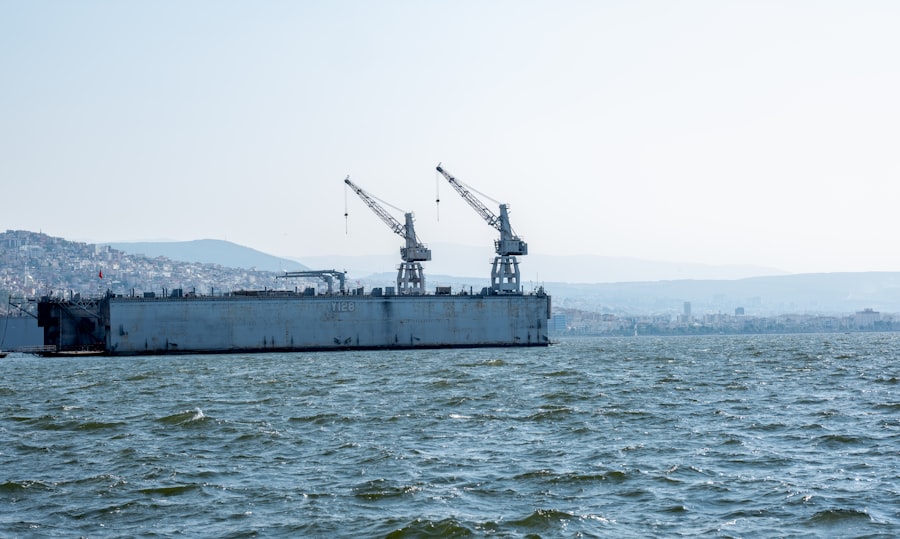
Beyond new construction, the Navy’s ability to maintain and modernize its existing fleet is equally beleaguered by industrial base limitations. Readiness is a function of both the number of ships in the fleet and their operational availability. Extended maintenance availabilities and the timely execution of modernization programs are critical to ensuring ships are ready to deploy when needed.
The Strain on Maintenance Depots
Naval maintenance and repair facilities, both public and private, are facing similar challenges to new construction yards. Aging infrastructure, a shortage of skilled technicians, and a backlog of urgent repair work strain their capacity. Ships often spend longer in maintenance than planned, impacting availability and leading to subsequent delays in training and deployment schedules. The critical nature of these repairs means that they often take precedence, further contributing to the backlog of less urgent but still necessary modernization work.
The Complexity of Modernization Programs
Modernizing warships to keep pace with technological advancements is a complex and resource-intensive endeavor. It involves integrating new weapons systems, sensors, communication equipment, and upgrading propulsion and power systems. These upgrades are not plug-and-play; they require extensive design, engineering, installation, and testing. The specialized nature of these upgrade packages and the limited availability of the necessary components and skilled personnel can lead to significant delays and cost overruns, further taxing the industrial base.
The Interdependence of New Build and Maintenance
There exists a crucial interdependence between new shipbuilding and the maintenance and modernization of the existing fleet. Shipyard capacity, particularly the availability of skilled labor, is often a zero-sum game. When a major maintenance or modernization project is undertaken, it draws resources and personnel away from new construction, and vice-versa. This inherent conflict creates a perpetual challenge in balancing the competing demands on a finite industrial base.
The Supply Chain Vulnerabilities Exposed
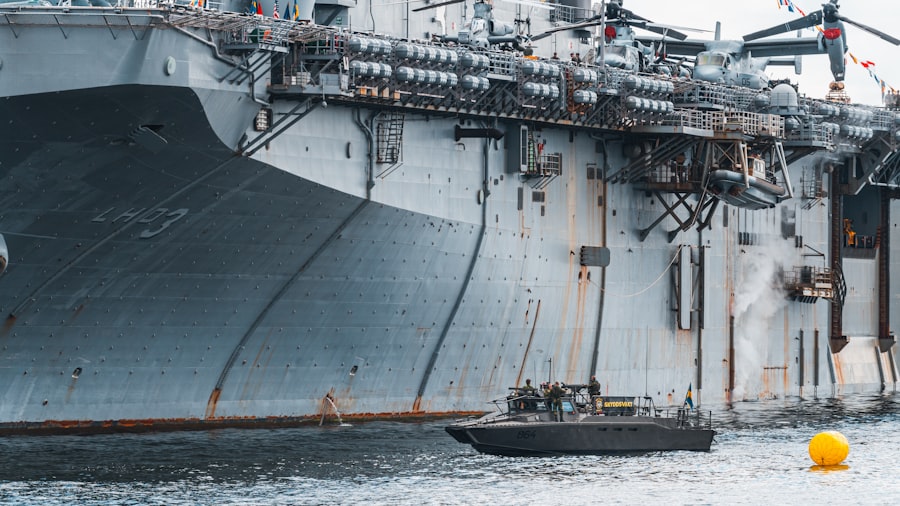
The global nature of supply chains, while offering efficiencies, has also exposed significant vulnerabilities for the U.S. naval industrial base. Disruptions stemming from geopolitical events, natural disasters, and economic pressures can have far-reaching consequences for naval shipbuilding and maintenance.
Reliance on Overseas Components
Certain critical components, specialized materials, and advanced electronics for naval platforms are sourced from overseas. While cost-effective in normal times, this reliance creates risks when international relations sour or global supply chains are interrupted. The time required to re-shore or find alternative domestic suppliers for these highly specialized items can be substantial, leading to protracted delays in production.
The Impact of Global Events
Events such as the COVID-19 pandemic, the war in Ukraine, and ongoing trade disputes have demonstrated the fragility of global supply chains. These disruptions can lead to shortages of raw materials, increased lead times for components, and elevated costs. The naval industrial base, already operating under pressure, is particularly susceptible to these external shocks due to the long lead times inherent in defense manufacturing.
The Challenge of Specialized Materials
Many advanced naval systems require specialized materials with unique properties, such as high-strength alloys, advanced ceramics, and specific types of composites. The production of these materials is often concentrated in a limited number of facilities, making them vulnerable to disruption. Ensuring a secure and reliable supply of these advanced materials is a critical, yet often overlooked, aspect of naval industrial base health.
The challenges facing the US Navy’s industrial base have become increasingly apparent, particularly as the demand for advanced naval capabilities continues to rise. A recent article discusses how these bottlenecks are affecting the Navy’s readiness and modernization efforts. For more insights on this critical issue, you can read the full analysis in the article available at In the War Room. Addressing these industrial constraints is essential for ensuring that the Navy can meet its strategic objectives in a rapidly evolving global landscape.
The Workforce Recruitment and Retention Conundrum
| Metrics | Data |
|---|---|
| Number of shipyards | Approximately 100 |
| Ship maintenance backlog | Over 5 million man-days |
| Workforce shortage | Estimated 10,000 workers |
| Infrastructure investment needed | Billions of dollars |
The challenges in the naval industrial base are ultimately rooted in its human capital. Attracting, training, and retaining a sufficient and skilled workforce is a fundamental hurdle that the Navy and its industry partners are struggling to overcome.
The Aging Workforce and Knowledge Transfer
A significant portion of the highly experienced and skilled workforce in naval shipbuilding and repair is nearing retirement age. The transfer of their invaluable knowledge and expertise to the next generation is a critical challenge. Without effective apprenticeship programs and robust knowledge management systems, the retirement of these seasoned professionals risks creating significant skill gaps and the loss of institutional memory.
Competition for Talent with Other Sectors
The highly technical nature of naval shipbuilding means that the industry competes for talent with other high-tech and manufacturing sectors, including aerospace, automotive, and advanced electronics. These sectors often offer competitive wages, benefits, and perceived greater stability, making it difficult for naval shipyards and their suppliers to attract and retain top talent.
The Need for Long-Term Investment in Education and Training
Addressing the workforce deficit requires a long-term, sustained investment in education and training initiatives. This includes strengthening vocational training programs, partnering with educational institutions to develop specialized curricula, and providing incentives for individuals to pursue careers in the skilled trades essential to naval shipbuilding. Without a proactive and comprehensive approach to workforce development, the bottlenecks within the industrial base will likely persist.
The Path Forward: Addressing the Bottlenecks
Acknowledging the severity and multifaceted nature of the industrial base bottleneck is the first step toward finding solutions. The Navy, in collaboration with the Department of Defense, Congress, and industry partners, must implement a comprehensive strategy to bolster its industrial capacity and capability.
Strategic Investments in Infrastructure and Technology
Significant and sustained investment in modernizing shipyard infrastructure, including dry docks, manufacturing equipment, and digital technologies, is paramount. This investment should be coupled with incentivizing technological innovation to improve efficiency, reduce costs, and enhance the capabilities of the industrial base. This requires a long-term commitment that extends beyond short-term budget cycles.
Revitalizing the Skilled Workforce Pipeline
A concerted effort to revitalize the skilled workforce pipeline is essential. This involves expanding apprenticeship programs, strengthening partnerships with trade schools and community colleges, and implementing targeted recruitment campaigns to attract individuals to careers in naval shipbuilding. Furthermore, the Navy and its industry partners must prioritize retention strategies that include competitive compensation, robust benefits, and opportunities for professional development.
Streamlining the Supply Chain and Fostering Domestic Capacity
Efforts to identify and mitigate supply chain vulnerabilities are crucial. This includes working with suppliers to ensure redundancy and resilience, exploring opportunities for domestic sourcing of critical components and materials, and potentially investing in the expansion of key subcontractor capabilities. Fostering closer collaboration and long-term partnerships with the supply chain can create greater stability and predictability.
Consistent and Predictable Funding Cycles
The naval industrial base thrives on predictability. Fluctuating and unpredictable funding cycles can lead to workforce instability, equipment obsolescence, and a reluctance for industry partners to make long-term capital investments. Consistent, predictable funding for shipbuilding, maintenance, and modernization programs is essential to enable industry to plan, invest, and grow capacity.
The challenges facing the U.S. Navy’s industrial base are significant and will require sustained focus, substantial investment, and collaborative effort from all stakeholders. Addressing these bottlenecks is not merely an issue of shipbuilding schedules; it is a strategic imperative for ensuring national security and maintaining the United States’ position as a global maritime power. Failure to do so risks undermining the Navy’s ability to project power, deter aggression, and effectively respond to the evolving threats of the 21st century. The path forward demands pragmatic solutions, a commitment to long-term vision, and a recognition that a strong industrial base is the bedrock of a credible naval force.
FAQs
What is the US Navy industrial base bottleneck?
The US Navy industrial base bottleneck refers to the challenges and limitations faced by the Navy’s industrial base in meeting the demands for shipbuilding, maintenance, and modernization.
What are the factors contributing to the bottleneck?
Factors contributing to the bottleneck include limited capacity and capability of shipyards, workforce shortages, supply chain disruptions, and the increasing complexity of naval vessels.
How does the bottleneck impact the US Navy’s operations?
The bottleneck can impact the Navy’s operations by causing delays in ship maintenance and modernization, leading to reduced readiness and availability of ships for deployment.
What is being done to address the bottleneck?
Efforts to address the bottleneck include increasing investments in shipyard infrastructure, workforce development, and supply chain resilience, as well as exploring public-private partnerships and innovative technologies.
What are the potential long-term implications of the bottleneck?
The potential long-term implications of the bottleneck include decreased naval readiness, increased maintenance costs, and potential impacts on national security and defense capabilities.