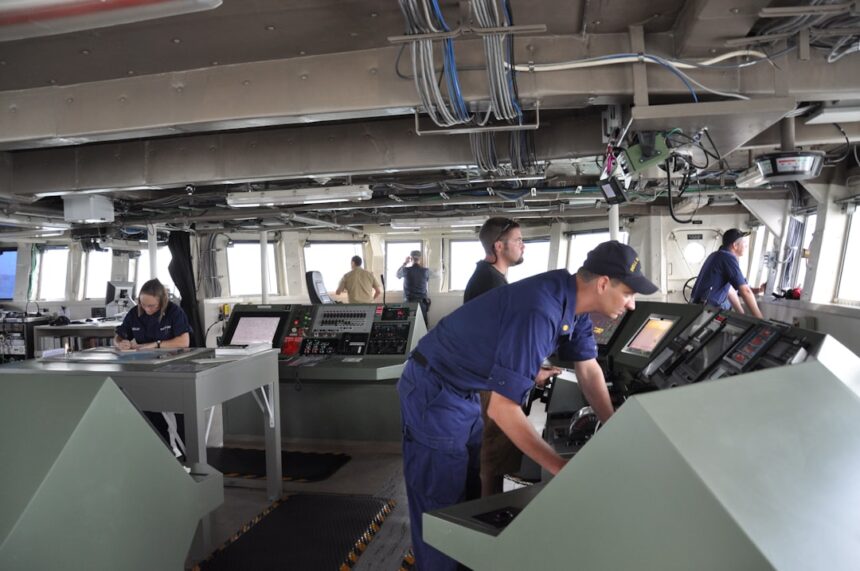
The United States Navy, a cornerstone of global maritime power, is confronting a significant workforce challenge that threatens to impact its operational readiness and strategic capabilities by the year 2025. This impending shortfall is not a sudden development but rather the culmination of a complex interplay of demographic shifts, evolving recruitment landscapes, and the increasing demands placed upon naval personnel. Understanding the multifaceted nature of this issue is crucial for developing effective solutions to maintain the Navy’s effectiveness in an increasingly unpredictable geopolitical environment.
A primary driver of the Navy’s impending workforce shortfall lies in fundamental demographic trends. The pool of eligible recruits is shrinking, and the characteristics of that pool are changing, presenting a formidable challenge for recruiters.
The Declining Youth Population
The number of young Americans reaching traditional recruiting age is on a downward trajectory. This broad societal trend, influenced by declining birth rates over the past two decades, means a smaller overall pool of potential candidates from which the Navy can draw. This reduction in the absolute number of available individuals directly impacts the Navy’s ability to meet its recruitment targets, even if its attractiveness as a career option remained constant.
Increased Competition for Talent
The civilian sector is also vying for the same limited pool of young talent. Industries experiencing growth, particularly in technology and specialized trades, offer competitive salaries, promising career paths, and perceived lower-risk environments. The Navy must contend with this heightened competition, making it more difficult to attract and retain individuals with the skills and aptitudes it requires.
The “Millennial” and “Gen Z” Factor
Generational shifts in values and expectations are also playing a role. Younger generations, often characterized by their digital fluency, desire for work-life balance, and focus on purpose-driven careers, may view traditional military service through a different lens. The Navy’s recruitment messaging and the lived experience of sailors must adapt to resonate with these evolving priorities. This includes addressing concerns about deployment schedules, opportunities for personal and professional development, and the alignment of military service with broader societal values.
The US Navy is facing a significant workforce shortfall projected for 2025, which could impact its operational readiness and strategic capabilities. A related article that delves into the implications of this shortfall and explores potential solutions can be found at In The War Room. This resource provides valuable insights into the challenges the Navy is encountering and the importance of addressing recruitment and retention issues to maintain a robust naval force.
The Evolving Recruitment Landscape
Beyond demographic shifts, the very landscape of how the Navy recruits has been fundamentally altered by technological advancements and societal changes. These shifts require a re-evaluation of established recruitment strategies.
The Digital Disruption of Recruitment
The internet and social media have transformed how young people consume information and interact with institutions. Traditional recruitment methods, such as flyers and in-person presentations, while still relevant, are no longer sufficient. The Navy must master digital marketing, social media engagement, and online recruitment platforms to reach potential candidates effectively. This involves creating compelling digital content, leveraging targeted advertising, and building an authentic online presence that showcases the realities and rewards of naval service.
The Impact of Educational Attainment
The Navy generally requires a certain level of educational attainment for its recruits. However, concerns have been raised about the declining rates of high school graduation and the prevalence of individuals meeting the academic requirements for military service. Furthermore, the increasing complexity of naval technology and operations demands a more highly skilled workforce. This necessitates a renewed focus on STEM education and outreach programs to ensure a future pipeline of qualified candidates.
The Shifting Perception of Military Service
Public perception of military service, influenced by ongoing global conflicts, media portrayals, and domestic political discourse, can impact recruitment. A sustained perception of prolonged or inconclusive engagements, or a lack of clear national objectives, may deter some from considering military careers. Building and maintaining a positive and accurate public image of the Navy as a vital institution with meaningful opportunities is paramount.
The Strain on Existing Personnel
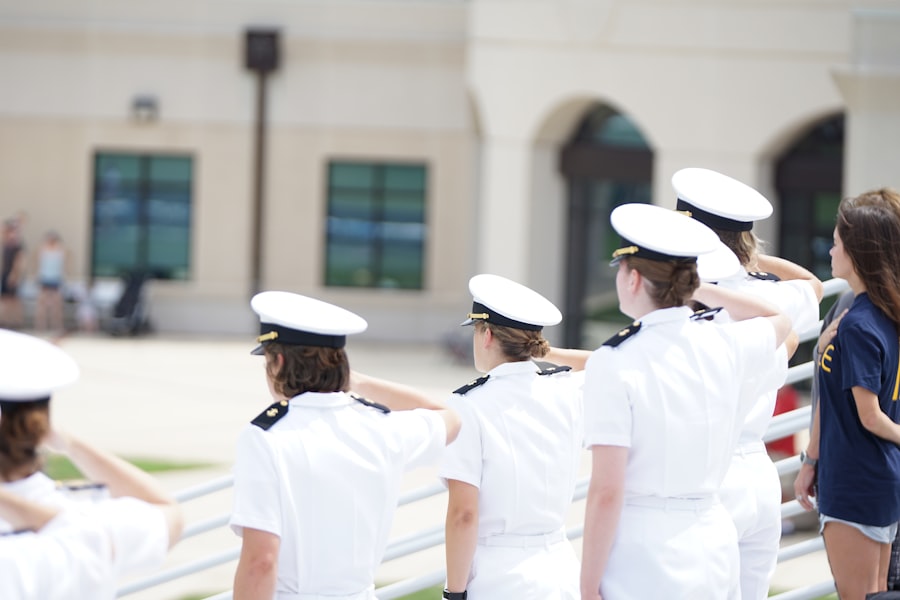
The recruitment challenges are further exacerbated by the pressures placed on the Navy’s current workforce. Retention rates, operational tempo, and the demand for specialized skills contribute to a growing strain.
Retention in a Competitive Job Market
Retaining experienced sailors is as critical as recruiting new ones. However, competitive civilian job markets, particularly for individuals with specialized technical skills honed in naval service, can lead to significant attrition. Sailors, after developing valuable expertise, may find lucrative and less demanding opportunities in the private sector, especially as they approach high-earning potential years. The Navy must offer competitive compensation, robust career progression, and tangible benefits to incentivize long-term service.
The Demands of Modern Naval Operations
The complexity and scope of modern naval operations are constantly increasing. From operating advanced cyber warfare systems to managing sophisticated aviation platforms and ensuring global presence, the demands on sailors are growing. This requires continuous training, specialized skill development, and a high level of operational readiness. The existing workforce often operates at a high tempo, leading to potential burnout and fatigue, which can negatively impact morale and retention.
The Need for Highly Specialized Skills
The Navy’s technological advancement requires a workforce with increasingly specialized technical skills. This includes expertise in areas such as cybersecurity, artificial intelligence, data analysis, and advanced engineering. Acquiring and developing these skills within the naval ranks is a lengthy and resource-intensive process. A shortfall in individuals possessing these critical competencies can significantly hamper the Navy’s ability to employ its most advanced platforms and conduct complex operations.
Strategic Implications of the Shortfall
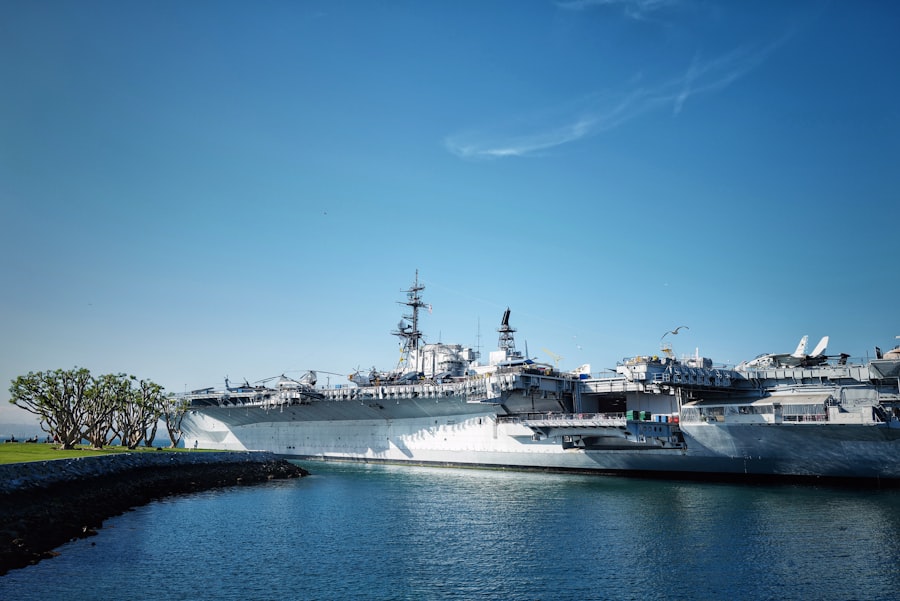
The consequences of failing to address the projected workforce shortfall by 2025 are far-reaching, impacting the Navy’s capacity to fulfill its mission and project power.
Reduced Operational Readiness
A diminished and less experienced workforce directly translates to reduced operational readiness. This can manifest in several ways:
- Shorter Operating Cycles for Ships: Insufficient crew numbers can lead to fewer ships being deployed, or existing ships operating for shorter durations.
- Extended Maintenance Periods: A shortage of skilled technicians can prolong the time ships and aircraft spend in maintenance, taking them out of operational availability.
- Impaired Training Schedules: The need to fill essential operational roles can detract from crucial training and readiness exercises, hindering the development of advanced skills and coordinated fleet operations.
- Increased Risk of Accidents: Overworked and undertrained personnel can increase the likelihood of human error, potentially leading to accidents and compromise of mission effectiveness.
Compromised Global Presence and Power Projection
The U.S. Navy’s role as a guarantor of global maritime security and its ability to project power is intrinsically linked to its personnel strength. A workforce deficit can:
- Limit Global Patrols: The Navy’s ability to maintain a consistent global presence, deter adversaries, and respond to crises across multiple theaters will be constrained.
- Affect Alliance Commitments: Allies often rely on the U.S. Navy for maritime security. A weakened Navy could undermine these commitments and the collective security architecture.
- Cede Strategic Advantage: Competitors may perceive a reduced U.S. naval capability as an opportunity to expand their own influence and challenge existing maritime norms.
Impact on Future Naval Modernization
The development and deployment of next-generation naval platforms and technologies are dependent on a skilled and sufficient workforce to operate and maintain them. A recruitment and retention crisis could:
- Delay Modernization Programs: The introduction of new aircraft, ships, and weapon systems could be slowed down due to a lack of trained personnel.
- Hinder Technological Adoption: The Navy may struggle to effectively integrate and leverage cutting-edge technologies if it lacks the human capital to do so.
- Incur Higher Costs: Extended training periods or the need to rely on external contractors to fill skill gaps can lead to increased program costs.
As the US Navy grapples with a significant workforce shortfall projected for 2025, understanding the implications of this challenge becomes crucial. A related article discusses the strategies being implemented to address recruitment and retention issues within the military. For more insights on this topic, you can read the full article here. The information provided sheds light on the Navy’s efforts to bolster its ranks and ensure operational readiness in the face of evolving global threats.
Solutions and Future Outlook
| Year | Workforce Shortfall |
|---|---|
| 2025 | 10,000 personnel |
Addressing the Navy’s workforce shortfall requires a multi-pronged approach that involves innovation, adaptation, and a renewed commitment to attracting and retaining talent.
Innovative Recruitment Strategies
The Navy must move beyond traditional recruitment methods and embrace innovative approaches:
- Enhanced Digital Outreach: Investing in sophisticated digital marketing campaigns, leveraging social media influencers, and developing interactive online recruitment experiences are crucial. This includes showcasing diverse career paths and the tangible impact of naval service.
- Targeted Recruitment in Niche Areas: Developing specific outreach programs for individuals with in-demand technical skills, such as cybersecurity and artificial intelligence, is essential. This could involve partnerships with universities and technology companies.
- Streamlined Enlistment Processes: Reducing bureaucratic hurdles and expediting the enlistment process can make the Navy a more attractive option for motivated individuals who may be considering multiple career paths.
- Expanded Outreach to Underserved Communities: Actively recruiting from diverse backgrounds and communities can broaden the recruitment base and bring in valuable perspectives and skills.
Improving Retention and Career Development
Retaining experienced personnel is paramount:
- Competitive Compensation and Benefits: Reviewing and adjusting pay scales, housing allowances, and other benefits to be more competitive with the civilian sector is crucial.
- Enhanced Professional Development: Providing clear and attractive career progression paths, offering opportunities for advanced education and specialized training, and investing in leadership development programs can incentivize long-term commitment.
- Work-Life Balance Initiatives: Exploring initiatives to improve work-life balance, such as more predictable deployment schedules, robust family support programs, and opportunities for flexible work arrangements where feasible, can be critical in retaining service members.
- Recognition and Appreciation: Fostering a culture of recognition and appreciation for the sacrifices and contributions of sailors can significantly boost morale and retention. This includes acknowledging the unique challenges faced by naval families.
Adapting to Technological Advancements
The Navy must proactively adapt to the evolving technological landscape:
- Investing in Advanced Training Technologies: Utilizing virtual reality, augmented reality, and simulation-based training can provide more effective and efficient skill development for complex naval systems.
- Developing Hybrid Workforce Models: Exploring possibilities for integrating civilian expertise and contractors in specific technical roles can supplement the military workforce and fill critical skill gaps.
- Streamlining Technology Adoption: Ensuring that recruitment and training pipelines are aligned with the rapid pace of technological change is vital to maintain a cutting-edge force.
The U.S. Navy faces a significant workforce challenge that demands immediate and sustained attention. The confluence of demographic shifts, evolving recruitment dynamics, and the strain on existing personnel paints a picture of a looming shortfall by 2025. Proactive, innovative, and comprehensive strategies that address recruitment, retention, and adaptation to technological advancements are not merely desirable; they are essential to ensure the Navy’s continued ability to fulfill its critical global mission and safeguard national interests. The future readiness of the U.S. Navy hinges on its capacity to effectively navigate and overcome this complex human capital challenge.
FAQs
What is the projected shortfall in the US Navy workforce by 2025?
The US Navy is projected to face a shortfall of approximately 17,000 sailors by 2025, according to a report by the Government Accountability Office (GAO).
What factors are contributing to the projected workforce shortfall in the US Navy?
The factors contributing to the projected workforce shortfall in the US Navy include increased competition for skilled workers, high operational tempo, and challenges in recruiting and retaining personnel.
How is the US Navy addressing the projected workforce shortfall?
The US Navy is implementing various strategies to address the projected workforce shortfall, including increasing recruitment efforts, offering retention incentives, and investing in training and development programs.
What impact could the workforce shortfall have on the US Navy’s operations?
The workforce shortfall could potentially impact the US Navy’s ability to effectively carry out its missions, maintain readiness, and meet operational demands, which could have implications for national security.
What are some potential long-term solutions to the US Navy’s workforce shortfall?
Some potential long-term solutions to the US Navy’s workforce shortfall include investing in technology and automation to reduce manpower requirements, improving work-life balance for sailors, and collaborating with industry and academia to develop innovative recruitment and retention strategies.