
The United States Navy, a global maritime power, is undergoing a strategic recalibration of its “topside” operations. This refers broadly to the activities and personnel that operate on the upper decks of naval vessels, encompassing everything from flight deck operations and weapons handling to sensor management and bridge watchstanding. The impetus for these adaptations stems from a confluence of factors: evolving geopolitical landscapes, advancements in technology, and the imperative to maintain operational readiness in increasingly complex environments. These changes are not revolutionary upheavals, but rather measured adjustments designed to enhance efficiency, bolster security, and ensure the enduring efficacy of naval power projection.
The contemporary demands placed upon the U.S. Navy necessitate a constant reevaluation of established operational procedures. The rise of peer and near-peer competitors, coupled with the persistent threat of asymmetric warfare and cyber intrusions, requires a more adaptable and resilient force. These shifts in the global security environment directly impact the types of missions naval assets are expected to perform and, by extension, the personnel and systems deployed on their upper decks.
Adapting to Great Power Competition
The return of a more competitive global stage has shifted the focus of naval operations. While counter-piracy and humanitarian assistance remain relevant, the emphasis is increasingly on deterring and, if necessary, engaging sophisticated adversaries. This translates to a greater need for sustained presence in contested waters, the ability to conduct high-intensity warfare, and the readiness to operate under austere conditions for extended periods.
Increased Emphasis on Readiness and Sustainment
Topside operations are critical for maintaining the operational readiness of naval platforms. This includes everything from routine preventative maintenance on aircraft engines and missile launchers to the rapid deployment of defensive capabilities. The ability to sustain operations in a contested environment, far from established logistics hubs, places a premium on efficient and robust topside procedures. This means minimizing downtime, optimizing resource allocation, and ensuring that all personnel are trained and equipped to perform their duties under emergent and demanding circumstances.
The Role of Force Projection in Contested Zones
Naval vessels are primary instruments of U.S. force projection. In areas where adversaries possess advanced anti-access/area denial (A2/AD) capabilities, the safe and effective operation of flight decks, sensor arrays, and defensive weapon systems from the topside becomes even more critical. The positioning and employment of these assets are under constant scrutiny, and the ability to rapidly reconfigure and redeploy them in response to changing threats is paramount.
The Growing Significance of Unmanned Systems Integration
The integration of unmanned systems (UxS) into naval operations represents a significant technological shift with direct ramifications for topside activities. Drones, both aerial and surface, are increasingly being utilized for reconnaissance, surveillance, electronic warfare, and even strike missions. This requires new protocols for their deployment, recovery, and maintenance, often on or near the topside.
Challenges of Launch and Recovery Operations
The introduction of unmanned aerial vehicles (UAVs) and unmanned surface vessels (USVs) presents novel challenges for flight deck and deck crews. Unlike manned aircraft, UxS may have different launch and recovery requirements, potentially necessitating modifications to existing infrastructure or the development of new operational concepts. Ensuring the safety of personnel during these operations, particularly in adverse weather or high-traffic flight deck scenarios, is a primary concern.
Data Management and Command and Control Interfaces
The data generated by unmanned systems is voluminous and requires robust management and analysis capabilities. Topside personnel are often the first point of contact for collecting and relaying this information. The development of seamless command and control (C2) interfaces that integrate UxS data with existing combat systems is crucial for effective situational awareness and decision-making. This involves training personnel to interpret and act upon the feeds from these new platforms.
Recent discussions surrounding US Navy top side adjustments have highlighted the importance of optimizing naval vessel designs for enhanced operational efficiency and mission capability. For a deeper understanding of the implications of these adjustments on naval strategy and fleet readiness, you can read a related article on this topic at In The War Room. This article delves into the technical aspects and strategic considerations that accompany modifications to the top sides of naval ships, providing valuable insights for both military professionals and enthusiasts alike.
Technological Advancements and Their Impact on Topside Functionality
Modern naval vessels are increasingly complex technological platforms. Advancements in areas such as automation, artificial intelligence, and advanced sensor technology are reshaping the way topside operations are conducted, aiming to improve efficiency, reduce human error, and enhance overall situational awareness.
Leveraging Automation and Artificial Intelligence
The drive towards greater automation and the application of artificial intelligence (AI) are transforming many aspects of naval operations, including those on the topside. These technologies offer the potential to streamline processes, augment human capabilities, and provide predictive insights.
Automated Maintenance and Diagnostics
Routine maintenance tasks on topside equipment, such as winches, cranes, and weapon systems, are becoming increasingly automated. AI-powered diagnostic tools can identify potential issues before they become critical failures, allowing for proactive maintenance and reducing the likelihood of operational disruptions. This reduces the burden on skilled technicians and can improve the overall lifespan of equipment.
AI-Assisted Decision-Making for Sensor Operations
The sheer volume and complexity of data from modern sensor suites can be overwhelming for human operators. AI algorithms are being developed to analyze this data, identify patterns, flag potential threats, and even suggest optimal sensor configurations. This allows topside personnel to focus on higher-level decision-making rather than being bogged down in raw data processing.
Enhancements in Sensor and Communication Systems
The effectiveness of naval operations relies heavily on the ability to gather, process, and disseminate information. Significant investments are being made in upgrading sensor and communication systems, which directly impact the personnel responsible for operating and maintaining them on the topside.
Advanced Radar and Electro-Optical/Infrared (EO/IR) Systems
New generations of radar and EO/IR systems offer increased range, accuracy, and the ability to operate in challenging environmental conditions. This requires training personnel to effectively utilize these advanced capabilities, interpret their outputs, and integrate them into the broader tactical picture. The development of improved interfaces and data fusion techniques is crucial here.
Secure and Resilient Communication Networks
Maintaining robust and secure communication channels is paramount, especially in contested electromagnetic environments. The Navy is investing in the development of more resilient and adaptable communication systems, including those that can operate in degraded or denied spectrum environments. Topside personnel are responsible for the deployment and maintenance of antennas and other communication hardware, necessitating proficiency with these evolving technologies.
The Human Element: Training, Skill Development, and Adapting the Workforce
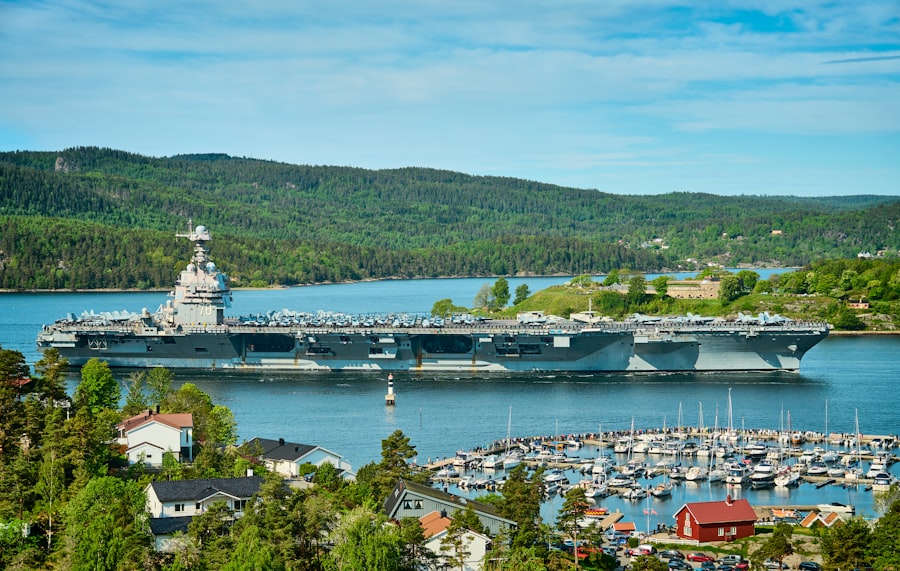
Despite the increasing reliance on technology, the human element remains central to effective naval operations. The adaptations in topside operations are inextricably linked to the need for a highly trained and adaptable workforce. This involves not only initial training but also continuous professional development and the reimagining of crew compositions.
Modernizing Training Paradigms
The traditional methods of naval training are being re-examined to align with the demands of modern warfare and technological integration. This involves incorporating new teaching methodologies, leveraging advanced simulation tools, and emphasizing a more distributed and continuous learning approach.
Scenario-Based Training and Virtual Simulation
Realistic scenario-based training, often conducted in advanced virtual simulation environments, allows personnel to experience complex operational situations in a safe and controlled setting. This is particularly valuable for practicing high-risk topside evolutions like flight deck operations or underway replenishments, where real-world practice can be costly or dangerous.
Cross-Training and Multi-Skilling Initiatives
The concept of the “jack of all trades” is becoming increasingly relevant. Navy personnel are being encouraged to develop a broader range of skills, allowing them to perform multiple roles and adapt to changing needs on the topside. This cross-training reduces reliance on specialized personnel and increases operational flexibility.
Evolving Crew Complement and Specializations
The introduction of new technologies and operational concepts is also leading to a reappraisal of crew compositions. In some instances, automation may reduce the need for certain manual roles, while in others, new specializations will emerge to manage and maintain advanced systems.
The Impact of Automation on Watchstations
As automation takes hold, certain traditional watchstations may see their roles evolve or diminish. For example, automated cargo handling systems might reduce the need for as many personnel dedicated to manual cargo movement. This allows for the reallocation of personnel to more critical or specialized tasks.
Development of New Technical Specializations
The integration of complex unmanned systems and advanced AI-driven platforms necessitates the development of new technical specializations. Personnel with expertise in robotics, data analytics, and advanced network systems will be increasingly in demand for topside operations. This requires new training pipelines and career paths within the Navy.
Ensuring Security and Resilience in Topside Operations
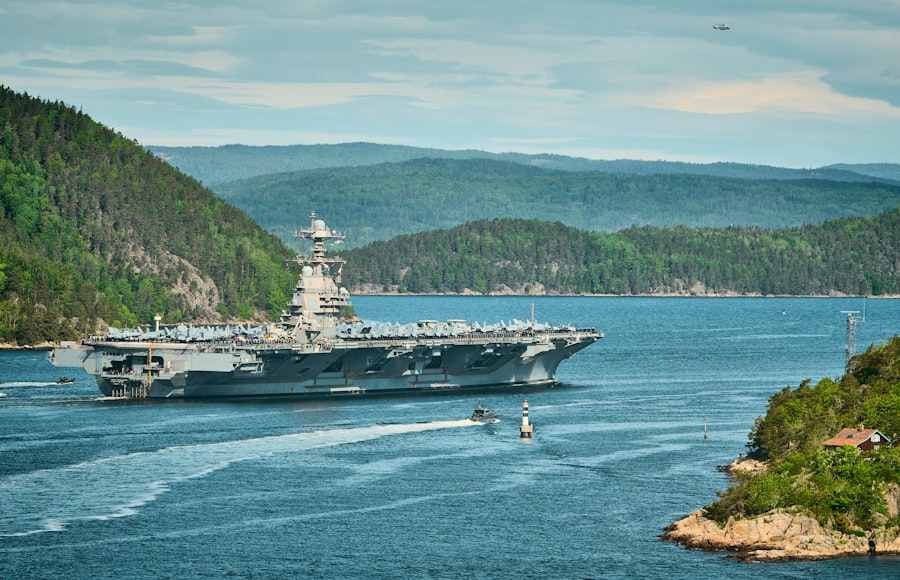
The physical and cyber security of topside operations is a non-negotiable aspect of maintaining naval effectiveness. Adaptations are being made to enhance both the physical security of exposed areas and the cyber resilience of systems operating there.
Enhancing Physical Security Measures
The topside of a naval vessel is inherently exposed, making it a potential target for a range of threats, from small boat attacks to the insertion of unauthorized materials. Measures are being implemented to bolster the physical security of these areas.
Advanced Surveillance and Access Control
The deployment of enhanced surveillance systems, including advanced cameras and sensors, coupled with more rigorous access control protocols for topside areas, is a key focus. This aims to deter unauthorized access and provide early warning of potential threats.
Integrated Defensive Systems and Physical Barriers
The integration of defensive weapon systems and the strategic placement of physical barriers on the topside are crucial for repelling direct attacks. This includes the ability to rapidly arm and deploy these systems in response to evolving threats.
Strengthening Cyber Defenses for Topside Systems
As topside operations become more technologically dependent, the cybersecurity of associated systems becomes critical. Vulnerabilities in these systems could have cascading effects on operational readiness and mission success.
Securing Interfaces with Unmanned Systems
The interfaces between manned vessels and unmanned systems, whether aerial or surface, present unique cyber vulnerabilities. Robust security protocols are being implemented to ensure that these connections are secure and that data transmitted is protected from interception or manipulation.
Protecting Sensor and Communication Networks
The advanced sensor and communication networks operating on the topside are prime targets for cyber adversaries seeking to disrupt operations or gather intelligence. Continuous monitoring, vulnerability assessments, and the implementation of strong encryption are essential to maintain the integrity of these networks.
Recent discussions surrounding the US Navy’s top side adjustments have highlighted the importance of optimizing vessel design for enhanced operational efficiency. These modifications are crucial for improving the performance and capabilities of naval ships in various maritime environments. For a deeper understanding of the implications of these adjustments, you can read a related article that explores the strategic significance of such changes in naval architecture. This insightful piece can be found here.
Conclusion: A Continuous Evolution of Naval Readiness
| Adjustment Type | Frequency | Impact |
|---|---|---|
| Deck equipment maintenance | Monthly | Ensures proper functioning of equipment |
| Paint touch-ups | Quarterly | Preserves the ship’s appearance and prevents corrosion |
| Antenna realignment | Annually | Optimizes communication capabilities |
The adaptations occurring within U.S. Navy topside operations are not static events but rather a continuous process of evolution. Driven by a dynamic geopolitical environment and rapid technological advancement, these changes are designed to enhance the Navy’s ability to project power, maintain situational awareness, and operate effectively in diverse and challenging scenarios. The success of these adaptations hinges on the Navy’s ability to invest in its personnel, embrace new technologies responsibly, and maintain an unwavering focus on operational readiness and security. The topside of a naval vessel, once a symbol of traditional seamanship, is transforming into a sophisticated hub of technological integration and strategic agility, ensuring the U.S. Navy’s enduring relevance in the 21st century.
FAQs
What are the top side adjustments in the US Navy?
Top side adjustments in the US Navy refer to the various modifications and improvements made to the exterior and upper decks of naval vessels. These adjustments can include changes to equipment, weapons systems, communication devices, and other components located on the top side of the ship.
Why are top side adjustments important for the US Navy?
Top side adjustments are important for the US Navy as they help to enhance the overall capabilities and effectiveness of naval vessels. By making improvements to the top side of the ship, the Navy can ensure that its ships are equipped with the latest technology and are able to meet the evolving challenges of modern naval warfare.
What types of modifications are typically included in top side adjustments?
Top side adjustments can include a wide range of modifications, such as the installation of new radar systems, the addition of missile launchers or other weapons systems, the upgrade of communication and navigation equipment, and the implementation of new safety features. These modifications are designed to improve the ship’s performance and operational capabilities.
Who is responsible for overseeing top side adjustments in the US Navy?
Top side adjustments in the US Navy are typically overseen by the Navy’s engineering and technical teams, as well as by the ship’s commanding officers and senior leadership. These teams work together to identify areas for improvement and to implement the necessary modifications to enhance the ship’s capabilities.
How do top side adjustments contribute to the overall readiness of the US Navy?
Top side adjustments contribute to the overall readiness of the US Navy by ensuring that its ships are equipped with the latest technology and are able to effectively carry out their missions. By making continuous improvements to the top side of naval vessels, the Navy can maintain a high level of readiness and adaptability in the face of changing threats and operational requirements.