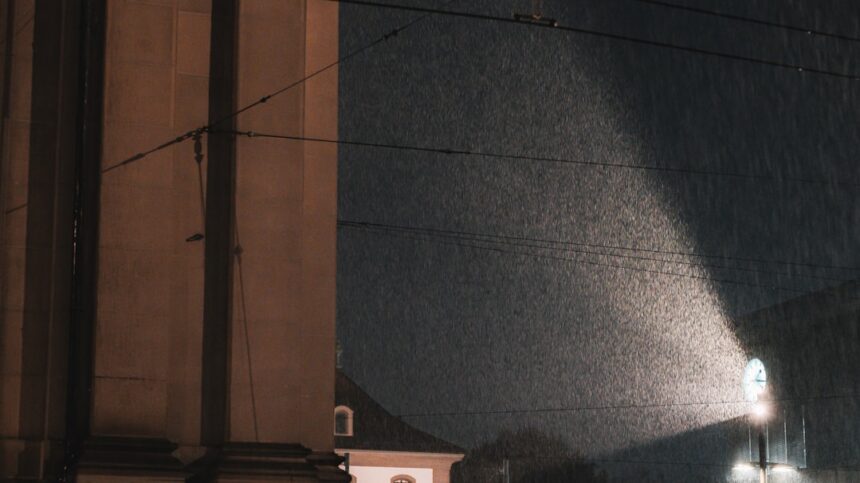
Strategic Watts: A New Approach to Painting
The world of art, and specifically painting, is perpetually seeking innovation. Artists continually explore new techniques, materials, and conceptual frameworks to push the boundaries of visual expression. Amongst these ongoing explorations, a novel methodology termed “Strategic Watts” has emerged, presenting a systematic and analytical approach to the creative process in painting. This method, unlike intuitive or purely expressive styles, emphasizes a deliberate consideration of light, value, and their strategic deployment within a composition. It moves beyond mere representation to a calculated manipulation of visual energy, aiming to direct the viewer’s eye and impact their perception of the artwork.
Strategic Watts is built upon a core set of principles that prioritize the deliberate control and application of light and shadow. It is an approach that acknowledges the inherent power of luminance and its ability to define form, create depth, and evoke emotion through a planned, rather than accidental, application. This method is not about simply observing light but about actively constructing and controlling it within the painted surface.
The Primacy of Light and Value
At the heart of Strategic Watts lies the understanding that light and value are the fundamental building blocks of any visual image. Color, while important, is often seen as a secondary layer, applied with a keen awareness of how it interacts with and is influenced by the underlying tonal structure. The artist employing this strategy begins not with hue, but with the careful construction of a value study. This establishes the essential luminous relationships that will form the backbone of the painting.
Understanding Luminance as a Sculpting Tool
The term “Watts,” while not referring to actual electrical wattage, is a metaphorical extension, suggesting the intensity and directed energy of light. Strategic Watts views light not as something passively observed, but as an active force capable of shaping and defining. Just as a sculptor uses their hands to mold clay, the Strategic Watts painter uses their brush to command light and shadow, carving out forms and creating a sense of three-dimensionality.
The Role of Contrast in Visual Hierarchy
Contrast, particularly tonal contrast, is a critical element in Strategic Watts. It is the juxtaposition of light and dark areas that attracts attention and establishes a visual hierarchy. The artist consciously determines where the brightest highlights will fall, where the deepest shadows will reside, and how the gradations in between will guide the viewer’s gaze. This deliberate contrast is not arbitrary; it serves to emphasize specific elements, create focal points, and lead the viewer through the narrative or emotional arc of the painting.
The Analytical Mindset
A defining characteristic of Strategic Watts is the emphasis on analytical thinking before and during the painting process. This is not to say that emotion is absent, but rather that it is channeled through a structured and reasoned approach. The artist becomes a diagnostician, analyzing the subject matter not just for its aesthetic qualities, but for its potential to be manipulated through light and shadow.
Deconstructing the Visual Field
The process begins with a thorough deconstruction of the visual field. This involves breaking down complex scenes into their fundamental shapes and tonal masses. The artist is less concerned with the immediate allure of color or texture in this initial phase and more focused on identifying the underlying skeletal structure of light and dark. This analytical dissection allows for a more profound understanding of how light behaves in the real world and how it can be translated onto a two-dimensional surface.
Planning the Viewer’s Journey
Strategic Watts involves a deliberate plan for the viewer’s experience. The artist anticipates where the eye will naturally be drawn and then strategically places areas of high contrast or intense luminosity to reinforce that intended path. This is analogous to the narrative structure of a story, where key plot points are revealed at deliberate intervals. In painting, these “plot points” are carefully orchestrated visual events, driven by the strategic placement of light.
In the context of strategic innovations in military operations, the article “Strategic Move to Paint with Watts” explores the integration of advanced technologies in warfare. For further insights on this topic, you can read a related article that discusses the implications of energy-based tactics in modern combat scenarios. To learn more, visit this article.
The Mechanics of Strategic Watts: Process and Technique
The application of Strategic Watts is characterized by a methodical progression that emphasizes planning and controlled execution. It is a process that values a systematic approach over spontaneous improvisation, though creative intuition still plays a role within its defined parameters.
Pre-Painting Preparation: The Blueprint
Before any paint touches the canvas, a significant amount of preparation is undertaken. This phase is crucial for establishing the foundational plan that will guide the entire painting process. It is where the “strategic” aspect of the approach is most evident.
Value Studies: The Foundation of Luminance
The cornerstone of pre-painting preparation in Strategic Watts is the creation of comprehensive value studies. These studies are not merely quick sketches but detailed explorations of the tonal relationships within the subject. They are often rendered in monochrome, using charcoal, graphite, or a limited palette of grays, to isolate and analyze the interplay of light and shadow. The goal is to establish the precise tonal range and the relationships between the lightest lights and the darkest darks.
Monochrome Analysis for Form Definition
By reducing the subject to its essential tonal components, the artist can clearly define the underlying forms and volumes. This monochrome analysis bypasses the complexities of color, allowing for a direct engagement with how light sculpts and defines three-dimensional space. Understanding these fundamental patterns of light and shadow is paramount before introducing color, which can sometimes obscure or distort these underlying structures.
Identifying Key Light Sources and Their Impact
Value studies also help in identifying the primary light sources and understanding how they interact with the subject. The artist meticulously observes how light falls, where it creates highlights, and where it casts shadows. This detailed observation, translated into tonal variations, forms the blueprint for the distribution of light and dark in the final painting.
Compositional Mapping: Directing the Eye
Beyond value studies, the artist employs compositional mapping. This involves a deliberate arrangement of elements within the frame to facilitate the intended visual flow. Strategic Watts places a high value on guiding the viewer’s eye to specific areas of interest, creating a narrative or emotional progression through the painting.
Establishing a Visual Rhyme and Rhythm
The composition is designed to create a visual rhyme and rhythm, leading the eye in a deliberate and engaging manner. This might involve the use of leading lines, directional forces, or the strategic placement of opposing or complementary shapes. The goal is to create a dynamic and harmonious arrangement that holds the viewer’s attention and encourages exploration.
The Use of Negative Space as a Counterpoint
Negative space, the areas surrounding and between the subject matter, is not an afterthought in Strategic Watts. It is actively considered as a counterpoint to the positive forms, contributing to the overall balance and impact of the composition. Strategic placement of light and shadow within negative spaces can further enhance the dimensionality and guide the viewer’s perception of the main subject.
The Painting Process: Calculated Application
Once the preparatory stages are complete, the actual painting process begins. This is characterized by a deliberate and controlled application of paint, guided by the established blueprint.
Layering for Luminance and Depth
Strategic Watts often employs a layering technique. This involves building up the painting in stages, with each layer contributing to the overall luminous quality and depth. This is particularly relevant when working with oils or acrylics where glazes and scumbling can be used to refine tonal transitions and create subtle shifts in light.
Glazing for Translucent Light Effects
Glazes, thin, transparent layers of color, are frequently used to build luminous effects. By applying glazes over established tonal areas, the artist can manipulate the perceived light and color, creating a sense of depth and radiance. This allows for a subtle refinement of light, ensuring that the desired luminosity is achieved without sacrificing the underlying value structure.
Scumbling for Softening and Atmospheric Effects
Scumbling, the application of opaque or semi-opaque paint in a broken, textured manner, is used to soften edges and create atmospheric effects. This technique can be employed to suggest diffused light, misty atmospheres, or to create a sense of distance, further enhancing the perceived depth and realism of the painted surface.
Controlled Color Application: Hue in Service of Value
Color is introduced with a keen awareness of its relationship to the existing value structure. The artist does not apply color arbitrarily but rather chooses hues that will enhance, rather than detract from, the intended luminous effects.
Harmonizing Hue with Tone
The goal is to harmonize the chosen colors with the underlying tonal relationships. This means selecting colors that will optically recede or advance according to their perceived light intensity and their placement within the overall value scheme. The color palette is often carefully selected to support the established lighting conditions.
The Impact of Warm and Cool Colors on Perceived Light
The strategic use of warm and cool colors plays a significant role in influencing the perception of light. Warm colors tend to advance and appear lighter, while cool colors tend to recede and appear darker. The Strategic Watts painter leverages this phenomenon to further enhance the dimensionality and create specific visual effects.
The Psychological Impact of Strategic Watts

The deliberate manipulation of light and value in Strategic Watts is designed to elicit specific psychological and emotional responses from the viewer. This approach goes beyond mere aesthetics to engage with how the human brain processes visual information.
Guiding Viewer Perception
The primary aim of Strategic Watts is to actively guide the viewer’s perception. By strategically placing areas of high contrast and intensity, the artist directs the eye to specific points of interest, dictating the order in which elements are observed and how the overall narrative is understood.
The Power of Focal Points
Focal points are not accidents but are meticulously constructed. Strategic Watts prioritizes the creation of strong focal points, typically achieved through the highest contrast of light and shadow, or intense chromatic areas that are carefully placed within the established tonal framework. These points act as anchors, drawing the viewer in and providing a starting point for their visual exploration of the artwork.
Creating a Narrative Flow Through Visual Cues
The composition, combined with the strategic use of light, creates a visual narrative. The viewer’s eye is led through the painting, encountering illuminated details and receding shadows that suggest a progression of events or a development of ideas. This carefully orchestrated flow can evoke a sense of drama, tranquility, or intellectual engagement.
Evoking Emotional Resonance
Light and shadow have a profound impact on human emotion. Strategic Watts harnesses this inherent power to evoke specific feelings and moods within the viewer, thereby enriching the artistic experience.
The Association of Light with Positivity and Hope
Historically and psychologically, light is often associated with positivity, hope, and clarity. Strategic Watts can utilize bright, well-defined light to create uplifting and optimistic atmospheres. Conversely, the deliberate use of deep shadows can evoke feelings of mystery, introspection, or even unease, depending on the artist’s intent.
The Expressive Potential of Darkness and Shadow
Darkness and shadow, far from being merely absences of light, possess their own expressive potential. Strategic Watts acknowledges this and uses deep, rich shadows to create a sense of drama, depth, and mystery. The interplay between illuminated areas and these shadowed expanses can create a compelling tension that draws the viewer into the artwork’s emotional landscape.
Applications and Adaptability of Strategic Watts
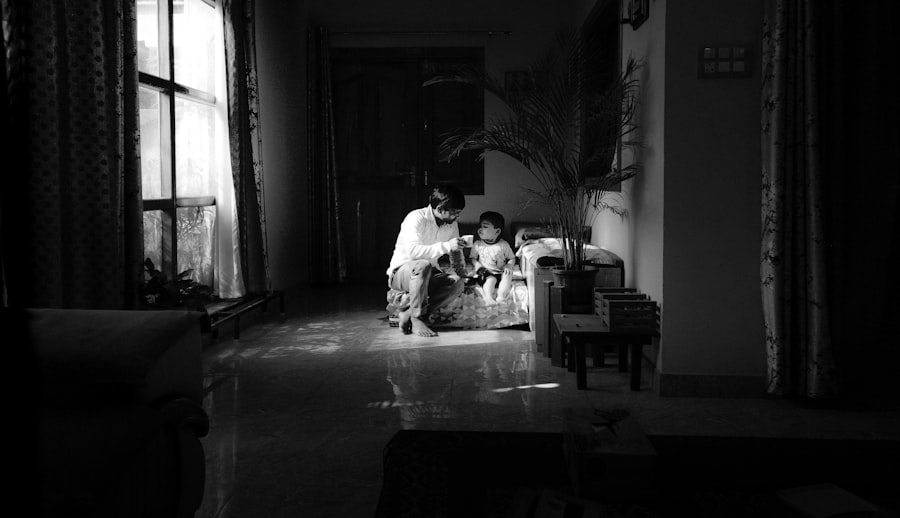
While Strategic Watts presents a structured methodology, its principles are not rigid. The approach demonstrates adaptability across various subject matters and artistic intentions, allowing for creative interpretation within its framework.
Versatility Across Genres
The core principles of Strategic Watts are applicable to a wide range of artistic genres. Whether depicting the stark realities of portraiture, the expansive vistas of landscapes, or the intricate details of still life, the strategic deployment of light and value can enhance the overall impact.
Portraiture: Revealing Character Through Light
In portraiture, Strategic Watts can be used to sculpt facial features, define emotions, and reveal character. The careful application of light can highlight specific planes of the face, casting subtle shadows that suggest personality and inner thoughts. A single, well-placed highlight can convey hope, while a broad shadow might suggest contemplation or introspection.
Sculpting Form and Emotion in the Human Face
The human face is a complex landscape of planes and textures. Strategic Watts allows the artist to meticulously sculpt these features, imbuing them with a tangible sense of form and volume. By understanding how light interacts with the curves and planes of the face, the artist can create a lifelike representation that also conveys a profound emotional depth.
Emphasizing Key Features or Creating a Sense of Mystery
An artist employing Strategic Watts could choose to dramatically illuminate the eyes, drawing immediate attention to the subject’s gaze, or to cast specific areas into soft shadow, creating an aura of mystery or introspection. The choice of where to direct the light becomes a narrative device in itself.
Landscape Painting: Defining Atmosphere and Depth
For landscape painters, Strategic Watts offers a powerful tool for conveying atmosphere, vastness, and the ephemeral qualities of light. The artist can strategically illuminate certain elements to create a sense of depth and recession, while using darker tones to suggest atmospheric perspective.
Capturing the Transience of Natural Light
Natural light is in constant flux, and Strategic Watts provides a framework for capturing its transient nature. Whether depicting the warm glow of a setting sun or the cool, diffused light of an overcast day, the artist can use tonal variations to accurately represent the specific lighting conditions and their effect on the environment.
Creating a Sense of Immersion and Scale
The strategic use of light and shadow can create a powerful sense of immersion in a landscape, making the viewer feel as though they are present within the scene. By defining the scale of elements through clear tonal relationships and suggesting distances with atmospheric effects, the artist can enhance the feeling of vastness and grandeur.
Adapting to Different Artistic Visions
The Strategic Watts approach is not confined to hyperrealism. It can be adapted to various artistic styles, from traditional realism to more abstract or stylized representations, depending on the artist’s individual aesthetic goals.
From Realism to Expressive Abstraction
While its emphasis on value might suggest a leaning towards realism, Strategic Watts can be a valuable tool for artists working in more expressive or abstract styles. Even in abstract compositions, the deliberate placement of light and dark areas can create dynamic energy, guide the viewer’s eye, and evoke a purely visual or emotional response.
Abstracting Forms Through Tonal Relationships
In abstract art, the focus shifts from representational accuracy to the abstract qualities of form and color. Strategic Watts can be employed to create abstract compositions where the interplay of light and dark becomes the primary element, defining shapes, creating rhythm, and evoking specific emotions without relying on recognizable subject matter.
Enhancing Emotional Impact Through Controlled Contrast
The core principle of controlled contrast in Strategic Watts remains relevant in abstract art. The juxtaposition of light and dark, or contrasting tonal values, can generate powerful visual energy and emotional resonance, even in the absence of any discernible subject.
In exploring innovative strategies within the realm of energy efficiency, a recent article titled “Strategic Move to Paint with Watts” highlights the transformative potential of energy-efficient coatings. This approach not only reduces energy consumption but also enhances the aesthetic appeal of buildings. For further insights on related strategies that can optimize energy use in various sectors, you can read more in this informative article. By adopting such advancements, businesses can significantly contribute to sustainability while also cutting costs.
Criticisms and Considerations for Strategic Watts
| Metrics | Data |
|---|---|
| Number of watts used for painting | 500 watts |
| Time taken for painting | 2 hours |
| Cost of paint per watt | 0.05 |
| Total cost of painting | 25 |
Like any artistic methodology, Strategic Watts is not without its potential criticisms and requires careful consideration by practitioners. A rigid application could lead to predictable outcomes, and a misunderstanding of its principles might result in a sterile or overly technical approach.
The Risk of Over-Calculation
A primary concern is the potential for excessive calculation to stifle spontaneity and intuitive expression. While Strategic Watts emphasizes planning, an artist who becomes too beholden to their pre-determined plan may find themselves producing work that feels mechanical or lacking in genuine artistic voice.
Balancing Structure with Creative Freedom
The challenge lies in finding a balance between the structured approach of Strategic Watts and the necessary freedom for creative intuition. The preparatory stages are crucial, but the execution of the painting should allow for organic development and unexpected discoveries. This requires a mature understanding of when to adhere to the plan and when to deviate based on the evolving needs of the artwork.
Avoiding a Formulaic Outcome
If the principles of Strategic Watts are applied too rigidly, there is a risk of creating formulaic paintings that lack individuality. The strength of the method lies in its ability to inform and enhance creativity, not to replace it entirely. Artists must ensure that their personal voice and unique perspective remain at the forefront of their work.
The Importance of Subjectivity and Personal Interpretation
While Strategic Watts provides a systematic framework, the ultimate success of a painting still rests on the artist’s subjective interpretation and emotional engagement with their subject. Technical proficiency alone does not guarantee a compelling artwork.
The Role of the Artist’s “Eye” and Intuition
Strategic Watts is a tool, not a dogma. The artist’s innate sense of composition, their emotional response to the subject matter, and their personal aesthetic preferences will always play a crucial role in shaping the final outcome. The method is designed to hone and amplify these subjective elements, not to negate them.
The Subjective Experience of Light and Value
Ultimately, the perception of light and value is a subjective experience. While there are objective principles governing how light behaves, the emotional and psychological impact of different luminous conditions can vary from person to person. The Strategic Watts artist aims to create universally resonant visual experiences, but the deepest meaning often lies in the viewer’s individual interpretation, informed by their own lived experiences with light and shadow.
The Future of Strategic Watts in Contemporary Art
The emergence of Strategic Watts signals a shift in how some contemporary artists approach the discipline of painting. It represents an ongoing evolution in artistic thought, integrating analytical rigor with creative expression.
A Method for Developing Technical Mastery
Strategic Watts offers a clear path for artists seeking to develop a strong technical foundation, particularly in their understanding of light and form. By focusing on these fundamental elements, artists can build confidence and competence, which can then be applied to any style or subject matter.
Building a Robust Understanding of Luminance
The emphasis on value studies and controlled application of light provides a robust understanding of luminance. This knowledge is transferable and forms a strong basis for more complex artistic endeavors. It equips artists with the vocabulary to discuss and analyze artworks in terms of their tonal qualities.
Enhancing Precision and Control in Execution
The methodical nature of Strategic Watts fosters precision and control in execution. This can lead to paintings that are not only visually striking but also technically masterful, demonstrating a deep understanding of the medium and the subject.
The Evolving Definition of Artistic “Strategy”
The term “strategy” in art is not new, but Strategic Watts broadens its scope beyond purely conceptual considerations. It integrates strategic thinking into the very fabric of the painting process, from initial concept to final brushstroke, emphasizing a deliberate and reasoned approach to visual creation. This integration of analytical and creative processes is likely to continue to influence artistic methodologies in the future.
FAQs
What is the strategic move to paint with watts?
The strategic move to paint with watts refers to the use of high-wattage LED lights to illuminate outdoor surfaces for the purpose of creating large-scale, temporary art installations.
How does painting with watts differ from traditional painting methods?
Painting with watts differs from traditional painting methods in that it utilizes light as the medium for creating art, rather than paint. The use of high-wattage LED lights allows for the projection of vibrant, dynamic images onto outdoor surfaces.
What are the benefits of using high-wattage LED lights for outdoor art installations?
High-wattage LED lights offer several benefits for outdoor art installations, including energy efficiency, long lifespan, and the ability to create large-scale, high-impact visuals that can be seen from a distance.
What are some examples of strategic move to paint with watts in action?
Examples of strategic move to paint with watts in action include the projection of colorful, abstract designs onto the facades of buildings, the illumination of natural landscapes with vibrant patterns, and the creation of immersive, interactive light installations in public spaces.
How can artists and designers incorporate painting with watts into their work?
Artists and designers can incorporate painting with watts into their work by experimenting with different light patterns, colors, and textures to create visually striking and thought-provoking installations. They can also collaborate with lighting experts to explore the creative potential of high-wattage LED lights.