
Contractor parking lot surge days, often occurring during peak construction seasons, project deadlines, or periods of significant development, present a unique set of logistical challenges. These are days when the demand for parking spaces within or immediately adjacent to a contractor’s operational hub significantly outstrips the available capacity. This phenomenon is not a random occurrence but a predictable consequence of concentrated workforce arrival, equipment staging, and material delivery. Understanding the underlying drivers and the multifaceted impacts of these surge days is the first step towards effective management.
Factors Driving Surge Day Parking Demand
Several interconnected factors contribute to the heightened demand for contractor parking on these specific days. Recognizing these elements allows for more accurate forecasting and proactive planning.
Peak Seasonality and Project Timelines
Construction activities often follow seasonal patterns, with warmer months typically seeing accelerated progress. Furthermore, ambitious project timelines, particularly those with penalties for delays or incentives for early completion, can lead to concentrated workforce deployment. This means that multiple crews, potentially from different trades, often converge on a site simultaneously, increasing the number of vehicles requiring parking.
Phased Project Rollouts and Milestones
Large-scale construction projects are rarely built in a linear fashion. Instead, they involve intricate phasing where specific trades or tasks must be completed before others can begin. Critical milestones, such as foundation pouring, structural erection, or the commencement of interior fit-outs, can trigger the simultaneous arrival of numerous specialized teams, each with its own fleet of vehicles, including personal cars, work trucks, and vans.
Equipment and Material Delivery Schedules
Beyond personnel, surge days are also characterized by increased logistical activity related to equipment and material deliveries. Cranes, excavators, ready-mix concrete trucks, and large material shipments often require dedicated staging areas or temporary parking spots close to the point of use. When multiple such deliveries are scheduled for the same day, the demand for parking adjacent to operational zones escalates dramatically.
Unforeseen Site Constraints and Access Issues
Occasionally, external factors can exacerbate parking challenges. Road closures impacting primary access routes, utility disruptions that reallocate usable on-site space, or even adverse weather conditions that delay material delivery can force a larger number of vehicles into the designated parking areas than would otherwise be the case.
In recent discussions about contractor parking lot surge days, an insightful article titled “Managing Contractor Parking: Strategies for Surge Days” provides valuable strategies for effectively handling increased parking demands. This article highlights best practices for optimizing space and ensuring smooth operations during peak times. For more information, you can read the full article here: Managing Contractor Parking: Strategies for Surge Days.
Impact of Inadequate Parking Management
The consequences of failing to adequately manage contractor parking on surge days are far-reaching, affecting operational efficiency, safety, and the overall project budget. These impacts can ripple through various aspects of the construction process.
Operational Disruptions and Delays
Perhaps the most immediate and visible impact is the disruption to daily operations. When workers arrive and cannot find adequate parking, they may be forced to park illegally, in undesirably distant locations, or even to delay their arrival. This leads to lost productivity, increased travel time on-site, and delays in starting critical tasks.
Lost Workforce Productivity
A significant portion of the morning routine for many construction workers involves finding a parking spot. If this process becomes protracted and frustrating, it detracts from the time available for actual work. This is particularly problematic at the start of the day when momentum is crucial.
Inefficient Material Handling
When vehicles carrying materials or equipment cannot access designated drop-off zones due to a lack of parking, it can lead to manual double-handling of goods, increased risk of damage, and further delays in getting the right materials to the right place at the right time.
Safety Concerns and Hazards
Overcrowded or poorly managed parking areas on surge days can create significant safety hazards. When vehicles are parked in unauthorized or suboptimal locations, it can obstruct emergency vehicle access, create blind spots, and increase the risk of pedestrian-vehicle collisions.
Obstructed Emergency Access
The ability of fire trucks, ambulances, or other emergency vehicles to reach critical points on a construction site can be severely hampered if parking areas are not clearly defined and maintained, especially during periods of high vehicle density.
Pedestrian and Vehicle Conflict
Without clear walkways and designated parking zones, workers navigating the site on foot can find themselves in close proximity to moving vehicles. This increases the likelihood of accidents, particularly in busy or dimly lit areas.
Financial and Reputational Ramifications
Beyond operational and safety issues, inadequate parking management can also lead to direct financial losses and damage to a contractor’s reputation. Fines for illegal parking, the cost of rectifying delays, and the perception of disorganization can all have a negative cumulative effect.
Increased Costs Due to Delays and Fines
Project delays translate directly into increased labor costs, equipment rental fees, and potential penalties. Furthermore, if parking regulations are violated, citations and fines can add unexpected expenses to the project budget.
Negative Impact on Client Relationships and Future Opportunities
A client’s perception of a contractor’s professionalism and efficiency is significantly influenced by the smooth operation of their site. Persistent parking issues and associated disruptions can erode client confidence and diminish the likelihood of securing future contracts.
Strategic Planning for Surge Day Parking
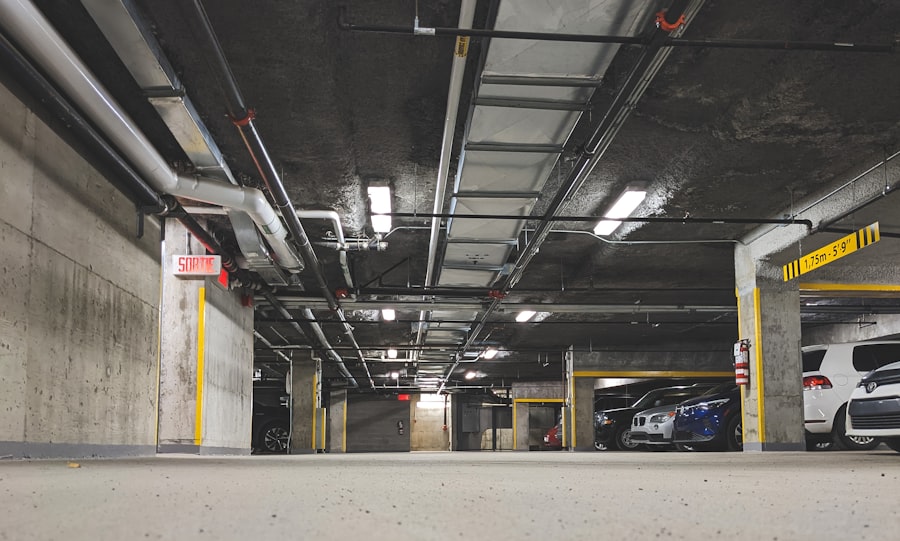
Addressing the challenges of contractor parking lot surge days requires a proactive and strategic approach. This involves meticulous planning, clear communication, and the implementation of effective management techniques to mitigate congestion and optimize space utilization.
Pre-Surge Day Assessments and Forecasting
The foundation of effective surge day management lies in accurate assessment and forecasting of parking needs. This involves understanding the project’s trajectory and anticipating periods of increased demand well in advance.
Project Schedule Analysis for Peak Demand Periods
A thorough review of the project schedule is essential to identify phases where multiple trades will be on-site concurrently. This includes scrutinizing critical path items, upcoming milestones, and any periods with accelerated work as per contractual agreements.
Workforce and Vehicle Count Projections
Based on the schedule analysis, a projection of the expected workforce size and the corresponding number of vehicles (personal vehicles, work vans, trucks) anticipated on surge days can be developed. Consulting with trade foremen and subcontractors is crucial for obtaining realistic estimates.
Site Logistics and Infrastructure Review
An assessment of the existing parking infrastructure, including the capacity of designated lots, surrounding street parking availability, and any opportunities for temporary parking solutions, should be conducted. This also involves evaluating the condition and accessibility of any existing parking facilities.
Communication and Collaboration Protocols
Effective communication channels are paramount for ensuring that all stakeholders are aware of parking plans and procedures, especially during surge periods. This fosters cooperation and reduces confusion.
Centralized Information Dissemination
Establishing a single point of contact or a digital platform for disseminating all parking-related information is vital. This includes sharing rules, designated areas, and any temporary changes or restrictions.
Subcontractor Briefings and Agreement on Parking Policies
Regular pre-surge day briefings with all subcontractors and their respective teams are essential. These sessions should clearly outline parking policies, responsibilities, and the consequences of non-compliance. Ensuring buy-in from all parties is key.
Real-time Updates and Conflict Resolution Mechanisms
During surge days, a system for providing real-time updates on parking availability and for quickly resolving any emerging conflicts or issues is critical. This might involve a designated parking coordinator or a mobile communication system.
Implementing Effective Parking Management Solutions
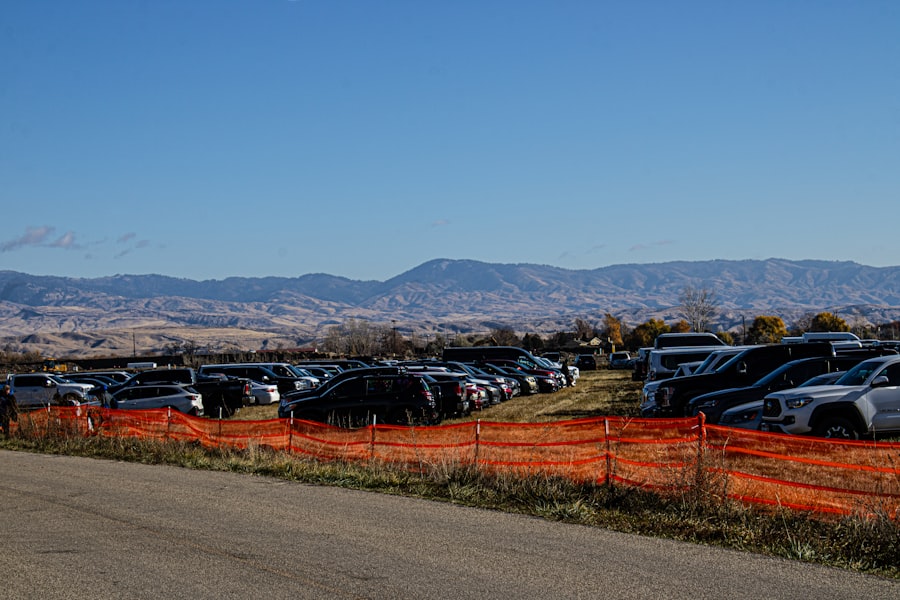
Once the planning and communication frameworks are in place, implementing specific management solutions is crucial for optimizing parking lot utilization and minimizing disruptions. These solutions range from physical adaptations of the site to technological interventions.
Optimizing Existing Parking Infrastructure
Before considering external solutions, maximizing the efficiency of existing parking spaces should be the primary focus. This involves intelligent allocation and organization.
Designated Parking Zones and Traffic Flow Directives
Clearly demarcating specific parking zones for different vehicle types (e.g., personal vehicles, commercial trucks, visitor parking) helps to organize the lot. Implementing clear signage and traffic flow directives, such as one-way lanes, can prevent congestion and accidents.
Time-Based Parking Restrictions and Rotational Access
For certain high-demand areas, implementing time-based parking restrictions (e.g., no parking during peak hours) or a rotational access system for specific vehicles can ensure that space is available for essential operations throughout the day.
Regular Lot Maintenance and Enforcement of Parking Rules
Maintaining the parking lot surface, ensuring clear line markings, and consistent enforcement of parking rules are fundamental. This includes addressing unauthorized parking and ensuring vehicles are parked within designated bays.
Exploring Temporary and External Parking Options
When on-site capacity is insufficient, exploring temporary or external parking solutions becomes necessary. This requires foresight and proactive arrangements.
Temporary Parking Lot Leases or Agreements
Identifying and securing temporary parking leases on adjacent properties or utilizing nearby public parking facilities through negotiated agreements can significantly augment available space during surge periods.
Shuttle Services and Park-and-Ride Initiatives
Organizing shuttle services from designated off-site parking locations to the main work areas can alleviate parking pressure on the primary site. This is particularly effective for larger workforces and when on-site parking is severely limited.
Off-Peak Delivery Scheduling and Staging Areas
Encouraging or mandating the scheduling of certain equipment and material deliveries during off-peak hours, or establishing designated off-site staging areas, can reduce the number of large delivery vehicles needing on-site parking during prime operational times.
Leveraging Technology for Enhanced Management
Technological solutions can significantly enhance the efficiency and effectiveness of parking management strategies, particularly in complex or dynamic environments.
Parking Management Software and Real-time Occupancy Monitoring
Implementing parking management software can provide real-time data on parking lot occupancy, identify available spaces, and even guide drivers to open bays. This can be integrated with digital signage.
Sensor-Based Parking Detection Systems
Sensor-based systems can detect the presence or absence of vehicles in individual parking spots, providing accurate and up-to-the-minute occupancy data. This information can be fed into management dashboards or mobile applications for drivers.
Mobile Applications for Parking Information and Navigation
Developing or utilizing mobile applications that provide drivers with real-time parking availability information, lot maps, and navigation to available spots can streamline the parking process significantly. Push notifications can alert drivers to changes or availabilities.
In recent discussions about managing contractor parking lot surge days, it is essential to consider various strategies that can optimize space and improve efficiency. A related article that delves into effective parking management techniques can be found here, where you can explore innovative solutions to common challenges faced during peak times. By implementing these strategies, organizations can better accommodate their contractors and enhance overall productivity. For more insights, check out the article at this link.
Continuous Improvement and Post-Surge Analysis
| Date | Number of Contractors | Duration of Surge |
|---|---|---|
| 2021-01-15 | 25 | 6 hours |
| 2021-02-20 | 30 | 8 hours |
| 2021-03-25 | 20 | 5 hours |
The management of contractor parking lot surge days is not a set-and-forget process. It requires a commitment to continuous improvement through ongoing analysis and adaptation of strategies.
Post-Surge Day Performance Review
After each significant surge day or period, a comprehensive review of the parking management strategies should be conducted. This involves evaluating what worked well and identifying areas for improvement.
Data Collection and Analysis of Parking Utilization
Gathering data on parking lot occupancy rates, duration of parking, and any incidents or bottlenecks provides valuable insights into the effectiveness of implemented solutions. This data should be analyzed to identify trends and patterns.
Feedback Collection from Workforce and Management
Soliciting feedback from the workforce, including foremen and individual workers, as well as from site management, provides valuable qualitative data on the practical experience of parking on surge days. This can highlight pain points and suggest viable solutions.
Incident Reporting and Root Cause Analysis
Any parking-related incidents, such as minor collisions, access obstructions, or significant delays, should be logged, and a root cause analysis performed to understand the underlying factors and prevent recurrence.
Adapting Strategies Based on Performance Data
The findings from post-surge day reviews should directly inform the adaptation and refinement of future parking management strategies. This iterative process ensures that solutions remain relevant and effective.
Refining Forecasting Models and Resource Allocation
Based on historical data and performance reviews, forecasting models for surge day parking demand can be refined. This allows for more accurate allocation of resources, including staffing for parking coordination and budgeting for temporary solutions.
Updating Communication Protocols and Training Materials
If feedback indicates that communication protocols were unclear or training materials were insufficient, these should be updated and re-disseminated before the next anticipated surge period.
Exploring New Technologies and Best Practices
Staying abreast of advancements in parking management technology and emerging best practices within the construction industry is crucial. Incorporating these innovations can further enhance efficiency and cost-effectiveness. This might involve attending industry conferences or subscribing to relevant publications.
FAQs
What are Contractor Parking Lot Surge Days?
Contractor parking lot surge days are designated days when there is an increased demand for parking spaces in a contractor parking lot. This surge in demand is often due to an influx of contractors working on a specific project or during peak construction seasons.
How are Contractor Parking Lot Surge Days Managed?
Contractor parking lot surge days are typically managed by implementing a system of prioritization for parking spaces. This may involve assigning parking permits or utilizing a first-come, first-served basis. Some parking lots may also designate specific areas for contractors to park during surge days.
What are the Challenges of Contractor Parking Lot Surge Days?
The main challenge of contractor parking lot surge days is the limited availability of parking spaces to accommodate the increased demand. This can lead to congestion, frustration, and potential conflicts among contractors vying for parking spots. It can also impact the overall efficiency of the construction project.
How Can Contractors Prepare for Surge Days?
Contractors can prepare for surge days by coordinating with project managers or site supervisors to determine the availability of parking spaces and any specific parking regulations. They may also consider carpooling or utilizing alternative transportation methods to reduce the demand for parking spaces.
What Measures Can be Taken to Alleviate Surge Day Parking Issues?
To alleviate surge day parking issues, parking lot operators can consider implementing temporary overflow parking areas, adjusting parking regulations, or providing shuttle services from off-site parking locations. Clear communication and coordination among contractors, project managers, and parking lot operators are essential in addressing surge day parking issues.