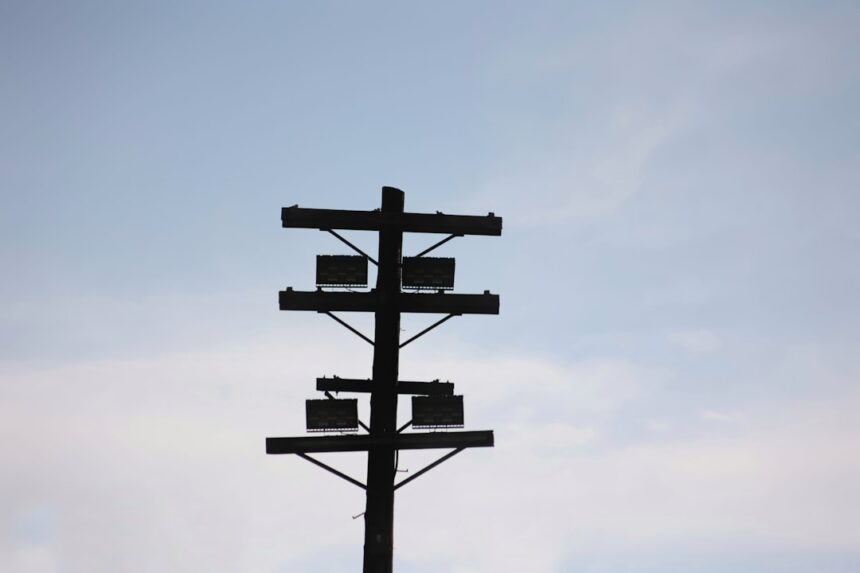
Kaufbeuren Signals Site Declassified: Revealing Untold Secrets
For decades, the Kaufbeuren signals intelligence site in Bavaria, Germany, operated under a veil of secrecy, its true purpose and activities shrouded in classified documents. Now, following a recent declassification, this clandestine facility is beginning to reveal its untold secrets, offering a fascinating glimpse into the intricate world of electronic warfare and intelligence gathering during the Cold War and beyond. The implications of this revelation extend far beyond the confines of this German town, impacting our understanding of historical conflicts, technological advancements, and the ongoing dance of international espionage.
Nestled in the Bavarian landscape, the Kaufbeuren signals intelligence site, often referred to by its military designations, was a linchpin in the Western intelligence apparatus. Its strategic location, far from the immediate front lines but perfectly positioned to monitor key communication pathways, made it an invaluable asset. The declassification process has peeled back the layers of obscurity, allowing us to examine the site’s operational history and its crucial role in shaping the geopolitical landscape.
Genesis and Early Operations: A Cold War Frontier
The establishment of the Kaufbeuren site can be traced back to the escalating tensions of the Cold War. As the ideological divide between East and West solidified, the need for robust intelligence became paramount. Kaufbeuren emerged as a forward operating base, tasked with intercepting and analyzing Soviet bloc communications.
The Dawn of Electronic Warfare: A New Battlefield
The battlefield of the 20th century was not confined to traditional physical confrontations; it extended into the electromagnetic spectrum. Kaufbeuren was at the forefront of this evolution, its personnel honing techniques for electronic eavesdropping and signal analysis. This was a clandestine war waged with radio waves and sophisticated receivers, a silent ballet of information denial and acquisition.
Initial Infrastructure and Personnel: Building the Fortress
The site’s initial construction involved the development of specialized facilities designed to house sensitive equipment and personnel. The engineering challenges were substantial, requiring isolation from interference and robust security measures. The recruitment and training of highly skilled technicians and analysts were equally critical, forming the backbone of the operation.
The recent declassification of documents related to the Kaufbeuren signals site has shed new light on its historical significance during the Cold War. For those interested in exploring this topic further, a related article can be found at this link, which delves into the implications of the declassified information and its impact on our understanding of intelligence operations during that era.
Technological Evolution: Adapting to the Ever-Shifting Spectrum
The nature of signals intelligence is intrinsically linked to technological advancement. As communication methods evolved, so too did the capabilities of intelligence agencies. Kaufbeuren’s story is one of continuous adaptation, a testament to human ingenuity in a race against obfuscation.
From Analog to Digital: A Sea Change in Interception
The transition from analog to digital communication presented significant challenges and opportunities for signals intelligence. Kaufbeuren had to adapt its infrastructure and analytical tools to decipher increasingly complex digital streams. This transformation was akin to moving from listening to a faint whisper to deciphering an encoded broadcast.
The Rise of Cryptography: The Constant Arms Race
The development of sophisticated encryption techniques by adversaries meant that intercepted signals were often rendered unintelligible. Kaufbeuren’s analysts were engaged in a perpetual arms race against encryption, developing new methods of decryption and cryptanalysis. This intellectual jousting was vital to maintaining an informational advantage.
Advanced Interception Capabilities: Ears in the Ether
The site was equipped with an array of state-of-the-art listening posts and sophisticated antennae, designed to capture a wide spectrum of radio frequencies. These instruments acted as the technological eyes and ears of the intelligence community, diligently collecting fragments of a vast and often cryptic electronic conversation.
Antenna Arrays: Reaching Across the Divide
The distinctive antenna arrays visible at and around the Kaufbeuren site were not mere aesthetic features; they were critical components of its intelligence-gathering prowess. Their design and placement were meticulously calculated to maximize signal reception from targeted regions.
Operational Mandates and Intelligence Harvesting: What Was Being Listened To?
The declassified information now allows for a more precise understanding of the types of communications Kaufbeuren was tasked with intercepting and the intelligence it aimed to harvest. This involved a broad spectrum of activities, from military communications to political discourse and economic intelligence.
Military Communications: The Pulse of Adversaries
A primary focus of Kaufbeuren’s operations was the interception of military communications from the Soviet Union and its allies. This provided invaluable insights into troop movements, operational plans, and the readiness of opposing forces. Understanding the enemy’s intentions was a cornerstone of wartime strategy.
Doctrine and Deployment: Reading Between the Lines of Military Chatter
The analysis of military radio traffic offered a window into the enemy’s strategic thinking, doctrinal shifts, and operational deployments. This was not simply about overhearing conversations; it was about discerning patterns, identifying anomalies, and predicting future actions.
Political and Diplomatic Channels: Whispers in the Halls of Power
Beyond military matters, Kaufbeuren also played a role in monitoring political and diplomatic communications. This provided insights into foreign policy decisions, internal political dynamics within targeted nations, and potential areas of tension or cooperation. The subtle shifts in diplomatic language could often foreshadow significant geopolitical events.
Understanding Ideological Currents: Gauging the Mood of Nations
The interception of political discourse allowed intelligence agencies to gauge the prevailing ideological currents within foreign governments and populations. This was crucial for understanding the motivations and objectives of adversaries on a deeper level.
Economic and Scientific Intelligence: The Invisible Flow of Information
In the latter stages of its operational life, and likely even earlier to some extent, the site’s remit may have expanded to include economic and scientific intelligence. Understanding a nation’s technological advancements and economic vulnerabilities could offer significant strategic advantages.
Technological Trajectories: Anticipating Innovation
The eavesdropping on scientific and technical communications could provide early warnings of new technological developments, allowing for a preemptive response or the redirection of research and development efforts.
The Human Element: The Unsung Heroes of the Silent War
Behind the sophisticated technology and intricate networks lay the dedication and expertise of the individuals who operated them. The declassification lifts the curtain, offering a glimpse into the lives and the crucial contributions of the personnel stationed at Kaufbeuren.
Rigorous Training and Specialized Skills: Mastering the Art of Eavesdropping
The personnel at Kaufbeuren underwent extensive and specialized training. They were not simply technicians; they were cryptographers, linguists, analysts, and operators, each possessing a unique set of skills honed to perfection for the demands of signals intelligence.
The Labyrinth of Languages: Decoding the World
The ability to understand and interpret a multitude of languages was paramount. Kaufbeuren’s analysts were likely proficient in Russian, Polish, Czech, and other languages spoken within the Soviet bloc, acting as living dictionaries for intercepted transmissions.
The Psychological Toll: Living in the Shadows
The nature of the work, conducted in secrecy and often with the constant awareness of global stakes, would have undoubtedly placed significant psychological pressures on the personnel. The commitment to duty often meant personal sacrifice and a life lived in the shadows.
The recent declassification of documents related to the Kaufbeuren signals site has sparked significant interest among historians and military enthusiasts alike. This development sheds light on the operations that took place during the Cold War, revealing the strategic importance of such sites in intelligence gathering. For those looking to delve deeper into the implications of these findings, a related article can be found at In the War Room, which explores the broader context of military signals intelligence during that era.
Legacy and Future Implications: Lessons Learned from the Airwaves
The declassification of the Kaufbeuren signals intelligence site is not merely a historical footnote; it offers valuable lessons for the present and the future. Understanding the past allows us to better navigate the complexities of the contemporary intelligence landscape.
Historical Reinterpretation: Rewriting the Cold War Narrative
The intelligence gathered by sites like Kaufbeuren undoubtedly influenced strategic decisions and diplomatic negotiations throughout the Cold War. The declassification offers an opportunity to re-examine historical events through the lens of this previously hidden information, potentially offering new interpretations of key moments.
Technological Benchmarking: The Pace of Innovation
The technological capabilities developed and employed at Kaufbeuren provide a benchmark for understanding the evolution of signals intelligence technology. This historical context is crucial for appreciating the advancements that have occurred and for anticipating future developments.
The Ever-Present Need for Vigilance: A Shifting Landscape of Threats
The continued existence and evolution of signals intelligence capabilities underscore the enduring need for vigilance in a world where information is a powerful currency. The methods may change, and the adversaries may shift, but the fundamental challenge of understanding intentions and capabilities remains. The Kaufbeuren story is a vivid reminder that the battlefield of information is a constant, and its secrets continue to echo long after the signals have faded.
The declassification of the Kaufbeuren signals intelligence site is a momentous event, peeling back the curtain on decades of clandestine operations. As more information emerges, we can expect a richer and more nuanced understanding of not only this specific facility but also the broader landscape of intelligence gathering and its profound impact on shaping the world we inhabit. This is a story of technological prowess, human dedication, and the enduring pursuit of knowledge in the shadows.
FAQs
What is the significance of the declassification of the Kaufbeuren signals site?
The declassification of the Kaufbeuren signals site is significant as it provides insight into the history of Cold War-era intelligence operations and the role of the site in intercepting and analyzing Soviet and East German communications.
What information was gathered at the Kaufbeuren signals site?
The Kaufbeuren signals site was used to intercept and analyze communications from Soviet and East German military and political entities during the Cold War. This information was crucial for Western intelligence agencies to understand the activities and intentions of these adversaries.
Why was the Kaufbeuren signals site declassified?
The declassification of the Kaufbeuren signals site was likely done to provide historical transparency and to shed light on the activities of Western intelligence agencies during the Cold War. It also allows for a better understanding of the role of such sites in gathering intelligence.
How does the declassification of the Kaufbeuren signals site impact historical research?
The declassification of the Kaufbeuren signals site provides historians and researchers with access to previously classified information, allowing for a more comprehensive understanding of Cold War-era intelligence operations and their impact on global events.
What are the implications of the declassification of the Kaufbeuren signals site?
The declassification of the Kaufbeuren signals site may have implications for international relations, as it could potentially impact how certain historical events and decisions are perceived. It also underscores the ongoing importance of transparency and accountability in intelligence operations.