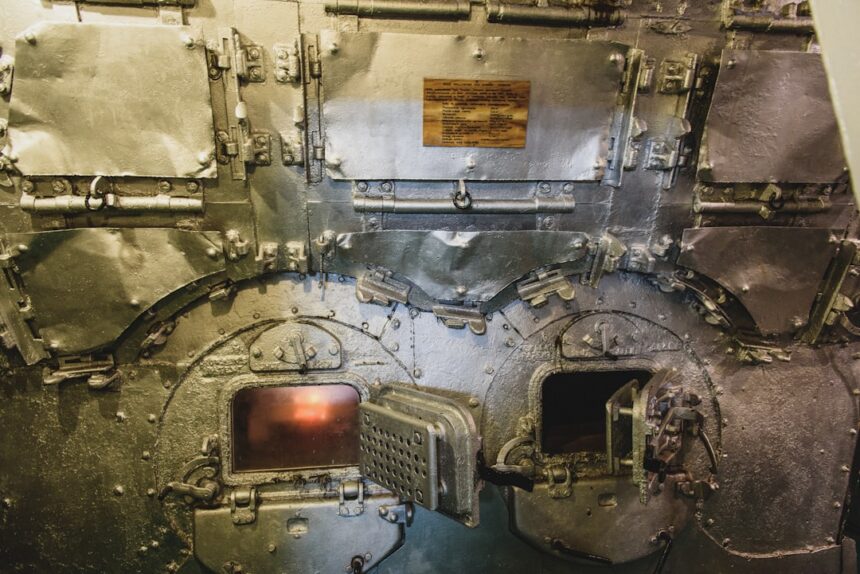
Naval reactors, the beating heart of modern warships, are marvels of engineering that harness nuclear energy to power these formidable vessels. However, even the most robust systems are susceptible to deviations, and chemical imbalances within the primary coolant loop can present unique challenges. These are not catastrophic failures, but rather subtle shifts that require meticulous monitoring and swift, informed intervention. This article delves into the nature, detection, management, and long-term implications of temporary naval reactor chemistry deviations.
The Role of the Primary Coolant
The primary coolant loop in a naval nuclear reactor is a closed system responsible for transferring heat generated by nuclear fission from the reactor core to the steam generators. This heat transfer is what ultimately drives the turbines, propelling the ship. The coolant, typically purified water, circulates under high pressure and temperature, acting as both a moderator and a heat transfer medium. Its chemical purity is paramount to ensuring efficient heat transfer and safeguarding the integrity of reactor components. Impurities, even in trace amounts, can act like grit in a finely tuned engine, impeding performance and potentially causing wear and tear.
Key Chemical Parameters
Maintaining the correct chemistry within the primary coolant loop involves controlling several critical parameters. These include:
pH Control
The pH of the primary coolant is maintained within a specific alkaline range. This is crucial for several reasons.
Preventing Corrosion
Alkalinity helps to passivate metal surfaces, forming a protective oxide layer that minimizes corrosion. Without proper pH control, corrosive agents within the coolant can begin to gnaw away at vital components, much like rust on unprotected steel.
Inhibiting Hydrogen Embrittlement
Maintaining the correct pH also helps to prevent hydrogen embrittlement, a phenomenon where hydrogen atoms can diffuse into metal lattices, making them brittle and prone to cracking.
Dissolved Gases
The levels of dissolved gases, particularly hydrogen and oxygen, are carefully managed.
Hydrogen’s Dual Nature
Hydrogen, a byproduct of water radiolysis (the splitting of water molecules by radiation), is present due to normal reactor operation. While some hydrogen is beneficial for controlling oxygen levels, excessive amounts can contribute to embrittlement.
Oxygen’s Corrosive Potential
Oxygen is inherently corrosive and its presence must be minimized. Elevated oxygen levels can accelerate the dissolution of metal oxides from reactor components, increasing the concentration of metal ions in the coolant.
Lithium and Boron Concentrations
Lithium, usually in the form of lithium hydroxide, is added to control pH. Boron, typically added as boric acid, is used for reactivity control.
Lithium Hydroxide for Alkalinity
The concentration of lithium hydroxide directly influences the pH of the coolant. Precise control is necessary to maintain the desired alkaline environment.
Boric Acid for Reactivity Management
Boric acid acts as a neutron absorber. Its concentration is adjusted to manage the reactor’s reactivity, especially during startup, shutdown, and for compensation of fuel burnup. Fluctuations in boron concentration can indicate other underlying chemical issues or operational changes.
Soluble and Particulate Contaminants
Beyond these primary parameters, the coolant is constantly monitored for soluble and particulate contaminants.
Soluble Metals
Dissolved metal ions, primarily from the corrosion of reactor system materials (e.g., iron, nickel, chromium), indicate the rate of corrosion. High concentrations can lead to deposition in cooler parts of the system and affect heat transfer.
Particulate Matter
Small particles, also derived from corrosion and wear, can become suspended in the coolant. These particles can contribute to fouling on heat transfer surfaces or become lodged in narrow passages, impeding flow.
Temporary deviations in naval reactor chemistry can have significant implications for the safety and efficiency of nuclear propulsion systems. For a deeper understanding of this topic, you may find the article on naval reactor operations and their chemical management practices insightful. It discusses various factors that can lead to temporary deviations and the protocols in place to address them. You can read more about it in the article here: Naval Reactor Chemistry Management.
Identifying Temporary Deviations
Routine Monitoring and Sampling
The primary coolant chemistry is not a static entity; it is dynamic and requires continuous scrutiny. This is achieved through a rigorous program of routine monitoring and sampling.
Onboard Laboratories
Naval vessels equipped with nuclear reactors possess sophisticated onboard laboratories staffed by highly trained technicians. These labs are the nerve centers for chemistry monitoring, equipped with instruments capable of precise measurements.
Regular Sampling Schedules
Samples of the primary coolant are drawn at predetermined intervals, often daily or even more frequently, depending on operational status and plant conditions. These samples are then subjected to a battery of tests to assess the key chemical parameters.
Alarm Systems and Trends
The continuous monitoring of critical parameters is often augmented by alarm systems.
Threshold Alarms
Instrumentation is set to trigger alarms when specific parameters deviate beyond predefined acceptable limits. These immediate alerts serve as the first line of defense, signaling that something is amiss.
Trend Analysis
Beyond immediate excursions, operators meticulously analyze trends. A gradual drift in a chemical parameter, even if still within acceptable limits, can be an early warning sign of an impending issue. Identifying these subtle shifts is like noticing a slight irregularity in a vital sign; it may not be critical yet, but it warrants attention.
Potential Causes of Deviations
Temporary deviations in reactor coolant chemistry do not occur in a vacuum. They are often symptomatic of underlying events or conditions within the reactor system.
Changes in Coolant Flow Rate
Variations in coolant flow can impact temperature distribution and the rate at which impurities are swept through the system. A decrease in flow, for example, might lead to localized higher temperatures, promoting increased corrosion.
Transient Thermal-Hydraulic Conditions
During maneuvers or operational shifts, the reactor may experience transient thermal-hydraulic conditions. These rapid changes in temperature and pressure can temporarily alter the solubility of certain substances or accelerate chemical reactions.
Fuel Performance and Integrity
While not a common cause of temporary deviations, a minor anomaly in fuel performance, such as a localized increase in fission product release, could theoretically introduce transient impurities. However, this would typically be flagged by other reactor monitoring systems.
Seal Leakage and External Contamination
Though highly unlikely in a well-maintained system, a very minor, temporary leak in a seal could introduce a small amount of external contaminant. Likewise, if the makeup water purification system experiences a short-term performance dip, the chemistry of the added water could temporarily affect the primary coolant.
Managing and Rectifying Issues
Immediate Corrective Actions
When a temporary deviation is detected, the immediate priority is to mitigate its impact and restore the coolant chemistry to its operational baseline.
Adjusting Chemical Additives
The most direct method of correcting many chemistry deviations involves adjusting the dosage of chemical additives.
Precise Dosing of Lithium Hydroxide and Boric Acid
If the pH has dropped, for instance, a controlled increase in lithium hydroxide concentration will be implemented. Conversely, if the pH is too high, deaeration or other specific techniques might be employed to reduce it. Similarly, boron concentration is adjusted as needed for reactivity control.
Introduction of Hydrogen
In cases where oxygen levels are elevated, controlled injection of hydrogen gas can be used to scavenge the excess oxygen and convert it to water, effectively lowering oxygen concentration.
System Flushing and Purification
For particulate contamination or specific soluble impurities that cannot be readily corrected by additive adjustment, system flushing or increased purification rates may be employed.
Utilizing Demineralizers
The primary coolant system incorporates demineralizer ion-exchange resins designed to remove dissolved ions and particulate matter. Increasing the flow rate through these demineralizers can expedite the removal of targeted contaminants.
Controlled Water Borne Remediation
In specific circumstances, controlled introduction of purified water with adjusted chemistry might be used to dilute and purge specific contaminants.
Long-Term Implications and Trending
While deviations are “temporary,” understanding their causes and observing their resolution is crucial for long-term reactor health.
Root Cause Analysis
Once the immediate crisis is averted, a thorough root cause analysis is performed. This investigation aims to identify exactly why the deviation occurred in the first place. Was it a temporary operational anomaly, a minor equipment malfunction, or an issue with a supplied material?
Preventing Recurrence
The findings from the root cause analysis are used to implement preventative measures. This might involve adjustments to operating procedures, enhanced maintenance of specific equipment, or improvements in quality control for supplied materials. The goal is to close the barn door before the horse escapes, not just after.
Impact on Component Lifetimes
While temporary deviations are generally managed to minimize impact, understanding their frequency and magnitude can contribute to the overall assessment of component lifetimes. Persistent or severe chemistry excursions could potentially accelerate wear on reactor internals over extended periods. This is akin to how occasional, minor stress on a bridge can be managed, but constant, significant stressors will inevitably lead to a shortened lifespan.
The Role of Advanced Monitoring Technologies
Real-Time Sensors and Data Analytics
The science of reactor chemistry monitoring is not static; it is constantly evolving with technological advancements.
In-Situ Sensors
Modern naval reactors often employ sophisticated in-situ sensors that provide continuous, real-time data on critical chemistry parameters. These sensors are integrated directly into the primary coolant loop, eliminating the need for manual sampling for certain measurements.
Predictive Analytics
The vast amounts of data generated by these sensors are increasingly being analyzed using advanced data analytics and machine learning algorithms. These tools can identify subtle patterns and predict potential deviations before they become significant issues, allowing for proactive intervention. This is like having a weather forecast for your reactor chemistry, anticipating shifts before they arrive.
Artificial Intelligence in Chemistry Control
The application of artificial intelligence (AI) is poised to revolutionize reactor chemistry management.
Automated Adjustments
AI systems can monitor real-time data, compare it against operational norms, and, in some cases, automatically initiate corrective actions within predefined safety parameters. This can lead to faster and more precise responses to transient chemistry fluctuations.
Optimized Chemical Dosing
AI can also optimize the dosing of chemical additives, ensuring that the exact amount required is introduced to maintain optimal chemistry without the risk of over-addition, which could itself lead to other issues.
The Human Element: Expertise and Training
Despite the rise of advanced technologies, the human element remains indispensable.
Skilled Operators and Technicians
Highly trained reactor operators and chemistry technicians are essential for interpreting data, making critical decisions, and executing complex corrective actions. Their experience and understanding of reactor physics and chemistry are vital.
Continuous Professional Development
Naval nuclear programs emphasize continuous professional development, ensuring that personnel remain up-to-date with the latest technologies, procedures, and best practices in reactor chemistry control.
Temporary deviations in naval reactor chemistry can significantly impact the overall performance and safety of nuclear submarines. For a deeper understanding of how these fluctuations can affect reactor operations, you may find it helpful to read a related article that discusses the implications of such changes in detail. This article provides insights into the monitoring and management strategies employed to maintain optimal reactor conditions. You can explore it further by visiting this link.
Long-Term Strategy and Future Outlook
| Parameter | Normal Range | Temporary Deviation Range | Impact on Reactor Chemistry | Typical Duration | Corrective Actions |
|---|---|---|---|---|---|
| pH Level | 6.8 – 7.4 | 5.5 – 6.7 or 7.5 – 8.0 | Increased corrosion risk, altered solubility of corrosion products | Hours to 1 day | Adjust chemical dosing, monitor continuously |
| Conductivity (µS/cm) | 0.1 – 0.5 | 0.6 – 1.5 | Indicates increased ionic contaminants, potential for corrosion | Several hours | Flush system, verify water purity |
| Dissolved Oxygen (ppb) | <5 | 5 – 20 | Promotes oxidation and corrosion of reactor materials | Up to 12 hours | Increase deaeration, chemical scavengers |
| Hydrazine Concentration (ppb) | 20 – 50 | 10 – 15 or 60 – 80 | Too low: insufficient oxygen scavenging; too high: potential for decomposition | Hours to 1 day | Adjust hydrazine feed rate |
| Iron Concentration (ppb) | <5 | 5 – 15 | Indicates corrosion or material degradation | Several hours to 1 day | Inspect for leaks, improve water chemistry control |
Maintaining a Robust Chemistry Program
The long-term health and operational readiness of naval nuclear reactors depend on the unwavering commitment to a robust chemistry program.
Proactive Maintenance and Surveillance
This includes not only routine monitoring but also proactive maintenance of chemistry control equipment, regular calibration of sensors, and meticulous surveillance of all system components that interact with the primary coolant.
Continuous Improvement Cycles
Naval nuclear power operates on a principle of continuous improvement. Lessons learned from every deviation, however minor, are fed back into the system to refine procedures, enhance training, and improve equipment reliability. This iterative process ensures that the program remains at the cutting edge of safety and performance.
Research and Development in Chemistry Control
The quest for even more stable and predictable reactor coolant chemistry is an ongoing endeavor.
Development of Advanced Materials
Research into advanced materials for reactor construction that exhibit even greater resistance to corrosion in the primary coolant environment is a key area of focus.
Novel Chemical Agents
Exploration of novel chemical agents or alternative water treatment methodologies that could offer enhanced impurity removal or more robust pH stabilization is also part of the research landscape.
The Philosophy of “Defense in Depth” in Chemistry
The approach to naval reactor chemistry mirrors the broader philosophy of “defense in depth” that underpins nuclear safety.
Multiple Layers of Protection
This means implementing multiple, independent layers of protection against potential chemistry deviations. These layers include rigorous design, quality control, operator training, sophisticated monitoring systems, and well-defined emergency procedures.
Minimizing Single Points of Failure
The goal is to minimize the impact of any single deviation and ensure that even if one barrier is compromised, others are in place to prevent a more serious outcome. The temporary deviations discussed here represent minor ripples on the surface of a deeply controlled system, but even these ripples are meticulously managed to ensure the tranquility and integrity of the entire operational ocean.
In conclusion, while the term “temporary naval reactor chemistry deviations” might sound alarming, it refers to the careful management of well-understood, transient phenomena within a highly controlled environment. These deviations are not indicative of inherent flaws but rather of the dynamic nature of complex engineering systems. Through vigilant monitoring, swift corrective actions, and a relentless pursuit of improvement, the integrity and operational effectiveness of naval nuclear reactors are maintained, ensuring their reliable performance across the globe’s seas.
FAQs
What are temporary deviations in naval reactor chemistry?
Temporary deviations in naval reactor chemistry refer to short-term changes or anomalies in the chemical parameters of the reactor coolant system. These deviations can affect the water chemistry balance, potentially impacting reactor performance and safety if not properly managed.
Why is maintaining proper chemistry important in naval reactors?
Maintaining proper chemistry in naval reactors is crucial to prevent corrosion, minimize radiation buildup, and ensure the efficient operation of the reactor. Proper chemistry control helps protect reactor components and extends the life of the reactor system.
What causes temporary deviations in naval reactor chemistry?
Temporary deviations can be caused by operational changes, such as power adjustments, maintenance activities, or unexpected system upsets. They may also result from chemical dosing errors, leaks, or contamination entering the reactor coolant system.
How are temporary deviations detected and monitored?
Deviations are detected through continuous monitoring of key chemical parameters like pH, conductivity, dissolved oxygen, and boron concentration. Specialized sensors and periodic sampling are used to track changes and ensure the chemistry remains within specified limits.
What actions are taken to correct temporary deviations in naval reactor chemistry?
When deviations occur, corrective actions may include adjusting chemical dosing, flushing or purging affected systems, and performing maintenance to address underlying causes. Operators follow established protocols to restore normal chemistry conditions promptly and safely.