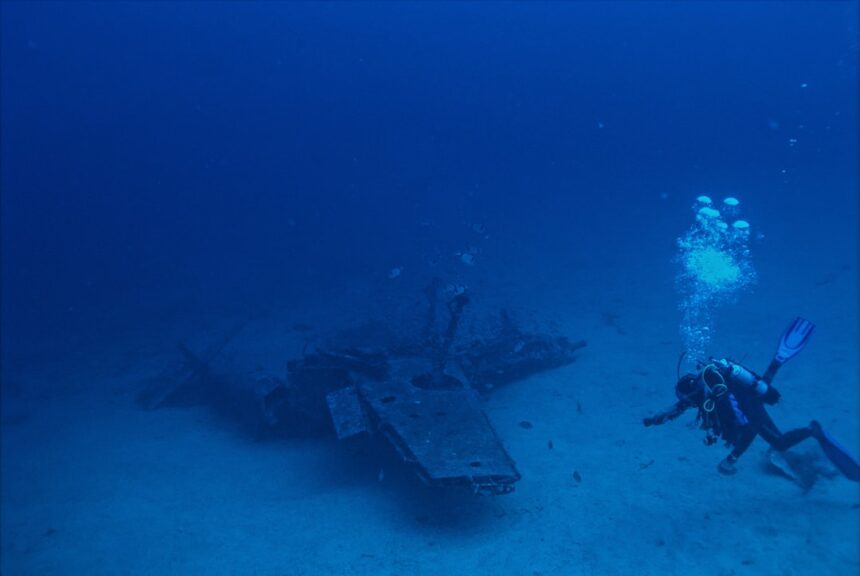
The silent world beneath the waves is a realm of immense pressure, both literal and metaphorical, and at its apex stands the submarine commander. This individual is tasked with navigating not only the crushing depths but also a complex tapestry of strategic objectives, technological limitations, and the unwavering responsibility for the lives entrusted to their command. The decisions made by a submarine commander are not born from leisurely contemplation at a desk; they are forged in moments of extreme duress, where a split-second choice can alter the course of a mission and the fate of an entire crew. Understanding their high-pressure decision-making process is vital to appreciating the unique demands of submarine warfare.
The operating environment of a submarine is inherently distinct from any other military platform. The very act of submerging places the vessel and its crew in a state of controlled vulnerability. This vulnerability is amplified by the limited visibility, the potential for rapid environmental changes, and the isolation from external support.
The Weight of the Deep: Physical Pressures and Their Implications
The most obvious pressure faced by a submarine commander is hydrostatic pressure. As the submarine descends, the water exerts an ever-increasing force on the hull. This physical reality dictates the operational parameters of the vessel and the crew. Commanders must constantly monitor hull integrity and depth limits, understanding that a catastrophic failure at significant depths would be irreversible. This constant awareness of the physical danger, a silent symphony of creaking metal and groaning structure, forms the bedrock of their decision-making. It is a stark reminder that every maneuver, every evasion, carries a tangible and potentially fatal consequence.
The Isolation Chamber: Psychological Stresses of Submerged Operations
Beyond the physical, the psychological pressures are immense. Submarines are designed for stealth, which translates to prolonged periods of isolation from the outside world. Communication is often restricted or impossible, severing the commander from real-time intelligence updates or the comfort of advice from superiors. The confined space, the lack of natural light, and the constant hum of machinery create a unique psychological environment. This isolation can breed a heightened sense of responsibility, as the commander becomes the sole bearer of immediate command and the ultimate arbiter of every situation. The mental fortitude required to maintain focus and clarity under such conditions is a testament to the rigorous training and selection processes of submarine personnel.
The Information Bottleneck: Navigating Limited and Imperfect Data
In the surface world, information flows relatively freely. On a submarine, the flow is a trickle, often delayed or incomplete. Acoustic signals are the primary sensory input, and interpreting them is akin to deciphering whispers in a storm. Commanders must make critical decisions based on data that is often ambiguous, incomplete, or even intentionally deceptive. The ability to synthesize fragmented pieces of information, to discern signal from noise, and to anticipate enemy actions with limited foresight is a skill honed through countless hours of simulation and real-world experience. This is like assembling a complex puzzle with most of the pieces missing and some of them belonging to a different picture altogether.
In the high-stakes environment of submarine warfare, decision-making under pressure is crucial for commanders who must navigate complex scenarios while ensuring the safety of their crew and the success of their missions. A related article that delves into the intricacies of this topic can be found at In the War Room, where it explores the psychological and tactical aspects that influence a submarine commander’s choices during critical moments. This resource provides valuable insights into the challenges faced by leaders in underwater operations and the strategies they employ to maintain composure and effectiveness under duress.
Strategic Imperatives: Balancing Mission Objectives with Crew Safety
The primary role of a submarine is often offensive or intelligence-gathering. However, the paramount responsibility of any commander is the safety of their crew. This creates a constant tension, a tightrope walk between achieving the mission’s strategic goals and ensuring the survival of the personnel on board.
The Art of the Kill: Offensive Mission Requirements
When tasked with engaging an enemy, the submarine commander operates as a predator in the dark. The objective is to strike with precision and surprise, to achieve maximum effect with minimum risk to their own vessel. This involves complex tactical maneuvers, precise targeting, and an intimate understanding of enemy vulnerabilities and defensive capabilities. The decision to launch a weapon, the timing of that launch, and the subsequent actions to evade detection are all critical junctures where the commander’s judgment is put to the ultimate test. It is a deadly chess match played across vast and unseen distances, where a single wrong move can lead to checkmate for one side.
The Unseen Guardian: Intelligence Gathering and Reconnaissance Roles
Submarines excel at clandestine operations, acting as the eyes and ears of naval forces. Their ability to operate undetected allows for invaluable intelligence gathering. This might involve tracking enemy movements, observing communications, or even deploying covert surveillance equipment. The commander’s decisions here focus on maintaining stealth, avoiding detection, and ensuring the integrity of the collected intelligence. The risk of discovery is ever-present, and the commander must weigh the importance of the intelligence against the potential for jeopardizing the mission and the crew. This is like being a ghost, observing the world without being seen, with the constant anxiety of a suddenly appearing spotlight.
The Double-Edged Sword: Risk Assessment and Mitigation Strategies
Every decision involves an inherent level of risk. The submarine commander is perpetually engaged in a sophisticated risk assessment process. This is not a static evaluation but a dynamic one, constantly re-evaluating perceived threats and the potential consequences of different courses of action. They must develop and execute mitigation strategies to minimize these risks, whether through advanced evasive maneuvers, the judicious use of countermeasures, or by choosing the path of least resistance when a situation becomes too perilous. This involves not just identifying potential dangers but also developing proactive plans to neutralize or circumvent them.
Technological Dexterity: Mastering the Machine Under Stress
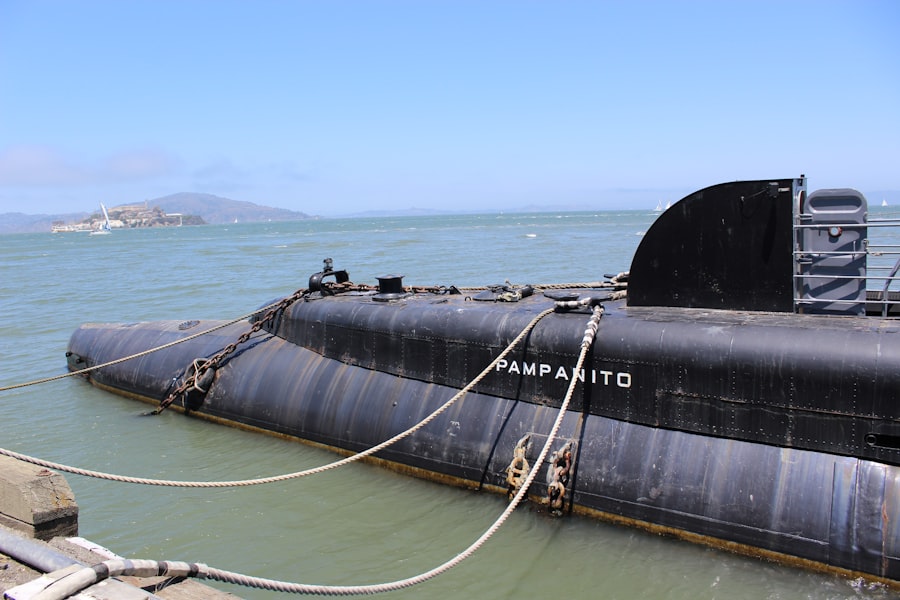
A submarine is a highly complex piece of machinery, a symphony of interconnected systems that must function flawlessly. The commander is not just a leader but also a deeply knowledgeable operator who must understand the capabilities and limitations of these systems, especially when they begin to falter.
The Silent Killer: Weapon Systems and Their Deployment
The offensive power of a submarine lies in its torpedoes, missiles, and other weapon systems. The commander’s understanding of these systems is not merely academic; it is practical and immediate. They must know not only how to arm and fire them but also the optimal conditions for their effective use, their range, their guidance capabilities, and their potential for counteraction. The decision to employ a weapon is the culmination of extensive analysis and a high-stakes gamble, where the commander relies on their faith in the technology and their own training to deliver the payload effectively.
The Submarine’s Eyes and Ears: Sonar and Electronic Warfare
Sonar is the primary sensory organ of a submarine, a sophisticated array of transducers that allow the vessel to “see” its environment through sound. The interpretation of sonar data is a complex science, requiring immense skill and experience. Commanders must be adept at distinguishing between natural sounds and the acoustic signatures of enemy vessels, at identifying false contacts, and at understanding the limitations of their own sonar profiles. Similarly, electronic warfare systems allow submarines to detect and jam enemy radar and communications. Mastering these systems enables evasive maneuvers and informs tactical decisions, turning potential threats into manageable challenges.
When Systems Fail: Troubleshooting and Improvised Solutions
Even the most advanced technology can fail. When a critical system malfunctions, the submarine commander is thrust into the role of chief engineer, albeit with a command deck perspective. They must quickly assess the nature and severity of the failure, understand its impact on the vessel’s operational capabilities, and make rapid decisions about repairs or workarounds. This might involve improvising solutions with limited resources, rerouting power, or even accepting a reduced operational capacity to ensure the continued safe operation of the vessel. This is like a surgeon making life-or-death decisions with a limited toolkit when critical equipment malfunctions mid-operation.
The Human Element: Leading Through Uncertainty and Fear
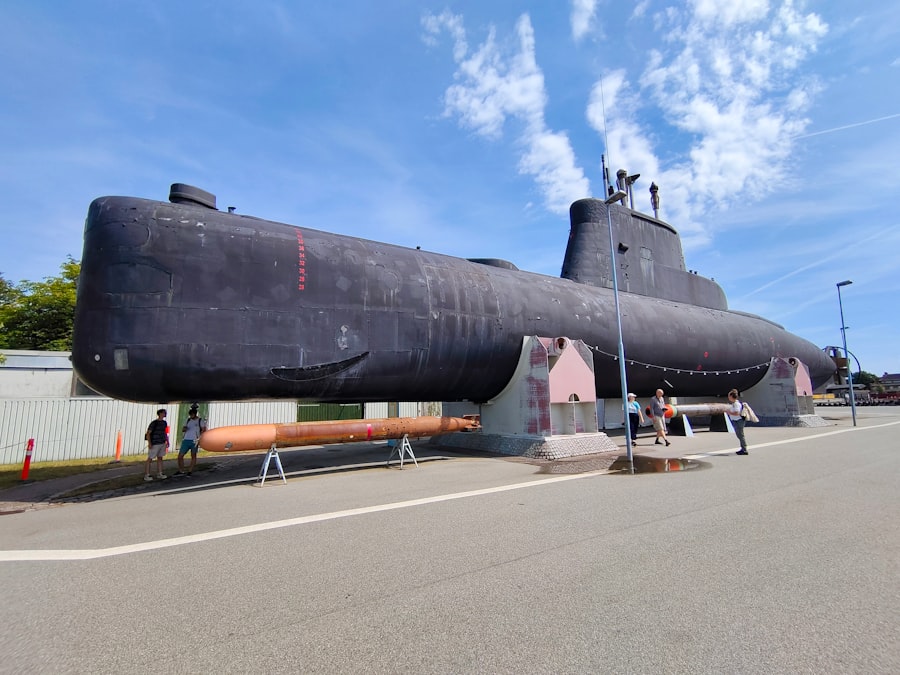
Ultimately, the success or failure of a submarine mission rests not solely on technology or strategy, but on the commander’s ability to lead and inspire the human beings entrusted to their care.
The Weight of Many Lives: Responsibility for Crew Well-being
The phrase “every life counts” takes on a profound significance in the confined confines of a submarine. The commander bears the ultimate responsibility for the physical and psychological well-being of every crew member. This means making decisions that, while potentially risky in terms of mission objectives, prioritize the preservation of life. The decision to abort a mission due to unacceptable risk to the crew, or to undertake a dangerous maneuver to rescue a downed aviator, are examples of leadership where the human factor is paramount.
Navigating Morale: Maintaining Discipline and Cohesion Under Duress
The psychological strain of prolonged submerged operations can take its toll on crew morale. Boredom, fatigue, and the constant underlying threat can lead to friction and a decline in discipline. The submarine commander must be a skilled motivator, fostering a sense of camaraderie and shared purpose. They must be able to identify and address signs of stress or despondency, maintaining a delicate balance between firm leadership and compassionate understanding. This is akin to being the conductor of a complex orchestra, ensuring every instrument plays in harmony even when the stage is shrouded in darkness and silence.
The Commander’s Inner Compass: Ethical Decision-Making in the Grey Zones
Submarine warfare often operates in ethically ambiguous “grey zones.” Decisions made in the heat of battle, where enemy identification might be uncertain or collateral damage a consideration, can present profound moral challenges. The commander’s personal ethical framework, honed through training and experience, becomes a critical guide. They must make choices that align with the laws of armed conflict and their own conscience, even when pressured by the demands of the mission or the heat of battle. This is the internal compass that guides them through uncharted moral waters, even when the external maps are unclear.
In the high-stakes environment of submarine warfare, decision-making under pressure is crucial for commanders who must navigate complex scenarios while ensuring the safety of their crew and mission success. An insightful article that delves into this topic can be found at In the War Room, where it explores the psychological and tactical challenges faced by submarine leaders in critical situations. Understanding these dynamics not only enhances operational effectiveness but also sheds light on the broader implications of leadership in high-pressure contexts.
The Legacy of Command: Lessons Learned in the Abyss
| Metric | Description | Typical Values | Impact on Decision Making |
|---|---|---|---|
| Reaction Time | Time taken to assess situation and make a decision | 5-15 seconds under high pressure | Faster reaction improves survival chances but risks errors |
| Stress Level (Cortisol) | Biological indicator of stress measured in blood or saliva | Normal: 5-23 µg/dL; Under pressure: up to 40 µg/dL | High stress can impair cognitive function and judgment |
| Decision Accuracy | Percentage of correct decisions made under pressure | Typically 70-85% | Higher accuracy leads to better mission outcomes |
| Information Processing Load | Number of simultaneous data inputs processed | 5-10 critical inputs during combat scenarios | Overload can cause delays or missed critical info |
| Communication Latency | Delay in receiving or sending commands | 1-3 seconds internal; up to 10 seconds external | Delays can affect timing and coordination of maneuvers |
| Training Hours | Hours of simulation and real-world training per year | 500-1000 hours | More training improves decision speed and accuracy |
| Team Coordination Score | Assessment of crew communication and cooperation | Scale 1-10; typical scores 7-9 | Better coordination reduces errors and improves decisions |
The decisions made by submarine commanders, both successful and unsuccessful, contribute to a rich body of naval doctrine and operational experience. The lessons learned in the crucible of command are passed down through generations of submariners, shaping the future of undersea warfare.
Turning Failure into Insight: Post-Mission Analysis and Improvement
Every patrol, every engagement, is subjected to rigorous post-mission analysis. This process is not about assigning blame but about identifying what worked, what didn’t, and why. Commanders and their crews collaborate to dissect every decision, every maneuver, seeking to extract valuable lessons that can be applied to future operations. This continuous loop of learning and adaptation is what allows submarine forces to evolve and maintain their technological and tactical edge.
The Unseen Architects: Shaping Naval Strategy and Doctrine
The cumulative experiences of submarine commanders have a profound impact on the development of naval strategy and doctrine. Their innovative tactics, their understanding of new technologies, and their insights into the psychology of underwater combat inform the way navies operate and plan for future conflicts. The quiet bravery and calculated risk-taking inherent in submarine command contribute to the silent, yet critical, evolution of military thought.
The Continuous Cycle: Training for the Unforeseen
The nature of submarine warfare is that the “unforeseen” is a constant companion. Training regimens are designed to expose future commanders to a vast array of potential scenarios, pushing their decision-making capabilities to their limits. Simulations become sophisticated playgrounds for high-pressure choices, allowing individuals to practice navigating crises before they face them in the real, unforgiving ocean. This ensures that when the moment arrives, the commander is not just reacting, but acting with a deeply ingrained proficiency.
FAQs
What are the key challenges faced by submarine commanders when making decisions under pressure?
Submarine commanders must manage limited information, high-stress environments, time constraints, and the need for stealth and safety. They often make critical decisions with incomplete data while ensuring the crew’s safety and mission success.
How does training prepare submarine commanders for decision making under pressure?
Training includes simulations, war games, and scenario-based exercises that mimic real-life high-pressure situations. This helps commanders develop quick thinking, situational awareness, and effective communication skills essential for making sound decisions under stress.
What role does technology play in aiding submarine commanders’ decision making?
Advanced sonar systems, communication tools, and decision-support software provide commanders with real-time data and analysis. These technologies help reduce uncertainty and improve the accuracy and speed of decisions during critical moments.
How do submarine commanders balance risk and safety when making decisions?
Commanders assess potential threats, mission objectives, and environmental conditions to weigh risks against benefits. They prioritize crew safety while striving to accomplish the mission, often relying on experience and established protocols to guide their choices.
Why is teamwork important in submarine command decision making under pressure?
Effective decision making relies on clear communication and collaboration among the crew. Teamwork ensures that information is shared promptly, different perspectives are considered, and coordinated actions are taken, which enhances overall decision quality and mission success.