The threat of aerial bombardment cast a long shadow over Britain during both World War I and World War II. As enemy aircraft became increasingly sophisticated and their targets more precise, the need for effective countermeasures grew. Among the most ingenious, and perhaps least appreciated, of these strategies was a meticulously crafted deception campaign involving the creation of numerous “fake” railway lines. These phantom railways, built with painstaking detail, were designed to be convincing decoys, leading enemy bombers astray and diverting them from vital industrial centres, military installations, and infrastructure. This article will explore the nature, implementation, and impact of this remarkable feat of British military deception.
The advent of aerial warfare presented a novel and terrifying challenge. Unlike naval blockades or land sieges, bombing raids could inflict damage and sow terror deep within a nation’s heartland with unprecedented speed and reach.
World War I: The Dawn of an Aerial Menace
During the First World War, aerial bombing was still in its infancy. Zeppelins and later Gotha bombers were the primary instruments of this new form of warfare. While payloads were relatively small by later standards, the psychological impact was immense. The ability of an enemy to strike at will, targeting civilian populations and industrial sites, necessitated a rethink of defensive strategies.
Early Bombing Raids and Their Impact
The initial raids, though sporadic, demonstrated the vulnerability of cities like London. These attacks, while causing limited material damage, instilled fear and highlighted the need for more effective methods of deterrence and misdirection.
The Growing Threat of Air Power
As aviation technology advanced, so too did the potential for more destructive bombing campaigns. Military planners recognised that the future of warfare would undoubtedly involve a significant aerial component.
During World War II, the British employed various deceptive tactics to protect their cities from aerial bombardment, one of which involved the use of fake rail lines to mislead enemy bombers. This strategy aimed to create the illusion of critical infrastructure in different locations, diverting attacks away from actual targets. For a deeper understanding of these ingenious methods, you can read more in the related article found here: The Art of Deception in Warfare.
Building the Phantom Network: The Mechanics of Fake Railways
The concept behind the fake railways was deceptively simple yet incredibly complex in its execution. The aim was to replicate the visual and logistical cues of actual railway infrastructure, thereby tricking enemy reconnaissance aircraft and, by extension, the bomber pilots who relied on their intelligence.
Mimicking the Real: The Art of Visual Deception
The creation of these phantom lines was an exercise in meticulous replication. Engineers and deception specialists went to great lengths to ensure that these fake railways looked as authentic as possible from the air.
Construction of Dummy Tracks and Stations
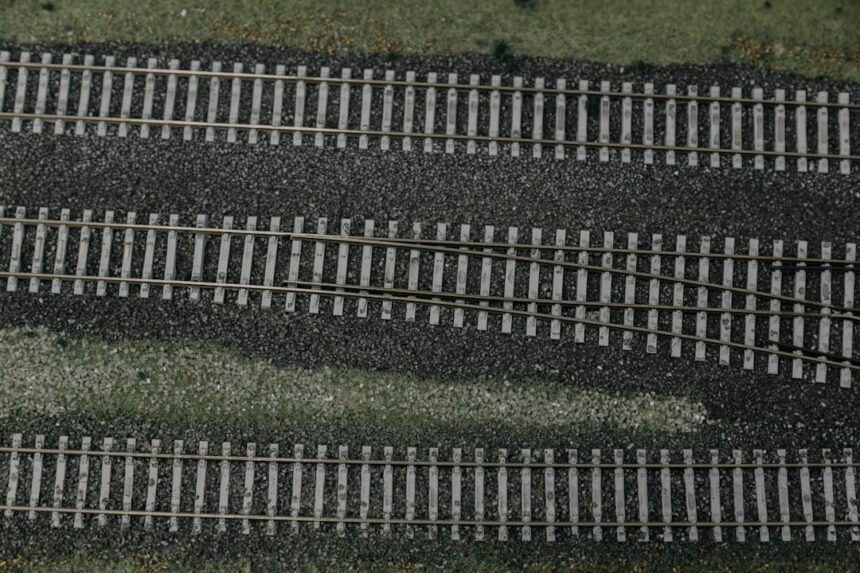
This involved laying down tracks that resembled those of real railway lines. In some instances, these might have been operational for very short distances or simply constructed to give the appearance of ongoing construction or maintenance. Dummy stations, often little more than platforms and basic structures, were also erected. These were designed to appear active, with the hope of seeing increased activity, such as ghost trains (covered wagons moving on these dummy lines) or increased railwayman presence.
The Use of Camouflage and Misdirection
Camouflage played a crucial role. Trees were planted in patterns that mimicked railway sidings. Disused signal boxes were given fresh coats of paint, and dummy signal arms were installed. The goal was to create a compelling illusion, a carefully constructed stage for the enemy to observe.
Creating the Illusion of Activity
Beyond the static structures, the deception teams worked to create the impression of a busy, operational railway network. This involved simulating the movement of trains and the presence of railway personnel.
Ghost Trains and Dummy Wagons
One of the most innovative techniques was the use of “ghost trains.” These were typically long lines of wagons, often covered, that were moved along the dummy tracks at specific times. This movement was designed to be visible from the air and to suggest genuine rail traffic. The wagons themselves would be painted in dull colours or camouflaged to blend into the background when not in motion.
Simulated Signalling and Personnel
Dummy signal boxes were often positioned along the fake lines. In some cases, these might have been staffed by a minimal number of personnel, instructed to appear busy and maintain strict signalling protocols. The idea was to create a consistent and believable narrative of a functioning railway system.
Strategic Deployment: Targeting the Enemy’s Eyes
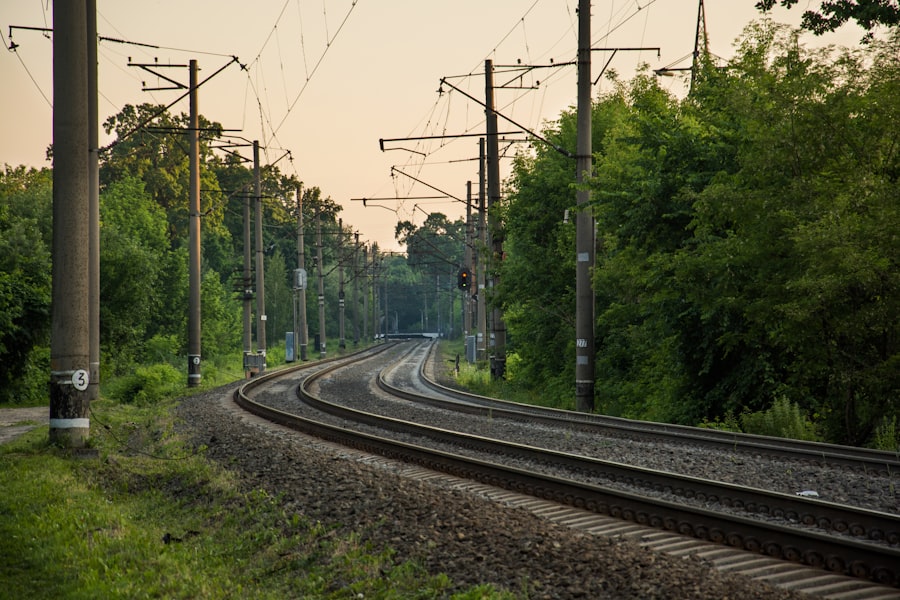
The success of the fake railway network hinged on its strategic placement. These phantom lines were not built randomly; they were carefully integrated into the existing railway infrastructure, positioned to draw attention away from genuine assets.
Misdirecting Reconnaissance and Bombing Strikes
The primary objective was to act as lures. Enemy aircraft conducting reconnaissance missions would map out what they perceived to be vital railway arteries. The dummy lines, interwoven with the real ones, would then appear on these maps, becoming tempting targets.
Mapping the Illusion: Enemy Intelligence at Play
Reconnaissance photographs, painstakingly analysed by enemy intelligence, would be the primary vector for the deception. The visual evidence of seemingly important railway infrastructure would lead to the inclusion of these fake lines on targeting lists.
The Bomber’s Dilemma: Doubt and Diversion
When bombs began to fall on these dummy locations, it served a dual purpose. Firstly, it confirmed to the enemy that their intelligence was accurate, reinforcing their belief in the network’s significance. Secondly, and more importantly, it meant that genuine targets were being missed, saving valuable infrastructure and lives.
Protecting Vital Infrastructure: A Life-Saving Measure
The impact of this deception extended far beyond the mere destruction of illusionary assets. By drawing enemy attention away from critical war-making capabilities, it played a vital role in the overall defence of Britain.
Industrial Centres as Prime Targets
Factory complexes, munitions works, and other industrial hubs were prime targets for aerial bombardment. The successful diversion of bombers from these locations directly contributed to the sustained production of war materials.
Essential Transportation Networks
The railway system itself was a critical component of the war effort, facilitating the movement of troops, supplies, and raw materials. Protecting these essential arteries was paramount, and the fake lines provided an invaluable layer of defence.
The Impact and Effectiveness of the Deception

Quantifying the precise impact of such a large-scale deception campaign is inherently difficult. However, historical accounts and anecdotal evidence suggest that the fake railway network was a significant factor in the overall success of Britain’s air defence strategy.
Anecdotal Evidence and Historical Accounts
Numerous accounts from pilots, intelligence officers, and civilians hint at the effectiveness of these operations. Stories of bombers returning with empty bomb bays after striking seemingly important targets that were, in reality, mere fakes, are a testament to the art of camouflage and misdirection.
Debriefing Reports and Pilot Testimonies
Post-mission debriefings from captured enemy pilots, when available, often revealed confusion about the accuracy of their intelligence or the perceived importance of certain targets that turned out to be decoys. These testimonies, though sometimes biased, provide valuable insights into the operational impact of the deception.
Civil Defence and Civilian Morale
The diversion of bombing raids also had a positive impact on civilian morale. While the threat of air raids never truly disappeared, the knowledge that efforts were being made to protect them, and that valuable infrastructure was being spared, offered a measure of reassurance.
The Evolution of Deception Tactics
The fake railway network was not a static entity. As enemy tactics evolved and new technologies emerged, so too did the methods of deception. The core principles, however, remained the same: to create a believable illusion and exploit the enemy’s reliance on visual intelligence.
Adapting to New Threats and Technologies
As aerial reconnaissance capabilities improved, so did the sophistication of the deception. The use of smoke screens, dummy aircraft, and even simulated troop movements were integrated into broader deception strategies, with the fake railways forming a crucial cornerstone.
The Continuous Battle of Wits
The development of fake railways epitomises the continuous battle of wits between attacker and defender. It was a battle fought not with guns and bombs, but with ingenuity, meticulous planning, and a profound understanding of the enemy’s perspective.
During World War II, the British employed a variety of innovative tactics to mislead enemy forces, one of which involved the use of fake rail lines to lure bombers away from strategic targets. This clever ruse is detailed in an article that explores the broader context of deception in warfare. You can read more about these fascinating strategies in the article found here. By creating the illusion of vital infrastructure, the British were able to protect their cities and military assets from devastating air raids.
Legacy and Recognition: A Forgotten Cornerstone of Defence
| Metric | Details |
|---|---|
| Purpose | To deceive German bombers into targeting fake rail lines instead of real infrastructure |
| Location | Various strategic sites across Britain, especially near key industrial areas |
| Materials Used | Wooden planks, painted canvas, and metal sheets to simulate rails and sleepers |
| Scale | Several miles of fake rail lines constructed |
| Effectiveness | Successfully diverted multiple bombing raids away from critical rail infrastructure |
| Duration | Primarily used during World War II, especially 1940-1943 |
| Additional Tactics | Use of fake trains and lighting effects to enhance realism during night raids |
Despite their critical role, the stories of the fake railway lines often remain untold, buried beneath more dramatic narratives of aerial combat and technological advancement. Yet, their contribution to the defence of Britain was undeniable.
The Unsung Heroes of Air Defence
The individuals involved in the design, construction, and maintenance of these phantom railways operated largely in the shadows. Their work was crucial, but rarely recognized publicly. They were the unseen architects of diversion, the weavers of illusions that saved countless lives and vital resources.
The Planners and Engineers Behind the Illusion
From the initial concept to the daily maintenance, a dedicated team of military planners, engineers, camouflage experts, and even ordinary labourers worked tirelessly. Their shared objective was to create a convincing lie that would serve the truth of survival.
The Role of Civilian Labour and Cooperation
It is important to acknowledge the significant contribution of civilian labour in the construction of these numerous fake lines. Many ordinary citizens, unaware of the full strategic purpose, played a vital role in creating these visual decoys, testament to a broadly shared commitment to the war effort.
A Testament to British Ingenuity
The fake railway network stands as a powerful testament to British ingenuity and adaptability in the face of existential threats. It demonstrates a capacity for strategic thinking and a willingness to employ unconventional methods to achieve operational objectives.
A Masterclass in Psychological Warfare
This entire endeavour was a masterclass in psychological warfare. By understanding the enemy’s desire for decisive strikes and their reliance on tangible targets, the British were able to exploit these very human (and military) tendencies to their advantage.
A Hidden Pillar of Wartime Defence
While the Spitfires and the radar systems rightly receive much of the acclaim, the quiet, persistent work of creating and maintaining these fake railway lines was a hidden but crucial pillar of Britain’s wartime defence. They were the invisible shield that protected the visible heart of a nation under siege. The next time you see a disused railway embankment or a curious patch of land that seems to have once hosted tracks, remember that it might have been more than just an abandoned line; it might have been a vital part of a grand deception, a phantom railway that helped to fool the bombers and safeguard a nation.
FAQs
What was the purpose of the fake rail lines used by the British during wartime?
The fake rail lines were created to deceive enemy bombers into targeting non-essential or empty areas, thereby protecting real rail infrastructure and critical transportation routes from destruction.
How were the fake rail lines constructed to appear convincing from the air?
The British used materials such as wood, canvas, and paint to mimic the appearance of real rail tracks and trains. These decoys were strategically placed and designed to look authentic from aerial reconnaissance and bombing runs.
During which conflict were these fake rail lines primarily used?
The fake rail lines were primarily used during World War II as part of Britain’s broader deception and camouflage efforts to protect vital infrastructure from German bombing raids.
Did the use of fake rail lines effectively reduce damage to actual rail networks?
Yes, the use of fake rail lines helped divert enemy bombers away from real railways, reducing damage to critical transportation networks and aiding in the continued movement of troops and supplies.
Were fake rail lines the only type of decoy used by the British in wartime?
No, the British employed various types of decoys, including fake airfields, dummy tanks, and inflatable vehicles, as part of comprehensive deception strategies to mislead enemy forces and protect key assets.