
Monitoring Submarine Transit in the Kuril Islands: A Strategic Imperative
The geopolitical chessboard is complex, and the waters surrounding the Kuril Islands represent a particularly sensitive square. For nations with interests in the Pacific, understanding and monitoring submarine transit through this archipelago is not merely an option, but a strategic imperative. The region’s unique geography, its proximity to major maritime routes, and the presence of significant naval assets create a dynamic environment where the unseen movement of submarines can have far-reaching implications for regional security and global stability. This article delves into the multifaceted aspects of monitoring submarine transit in the Kuril Islands, exploring the challenges, the technological approaches, and the strategic reasoning behind this critical undertaking.
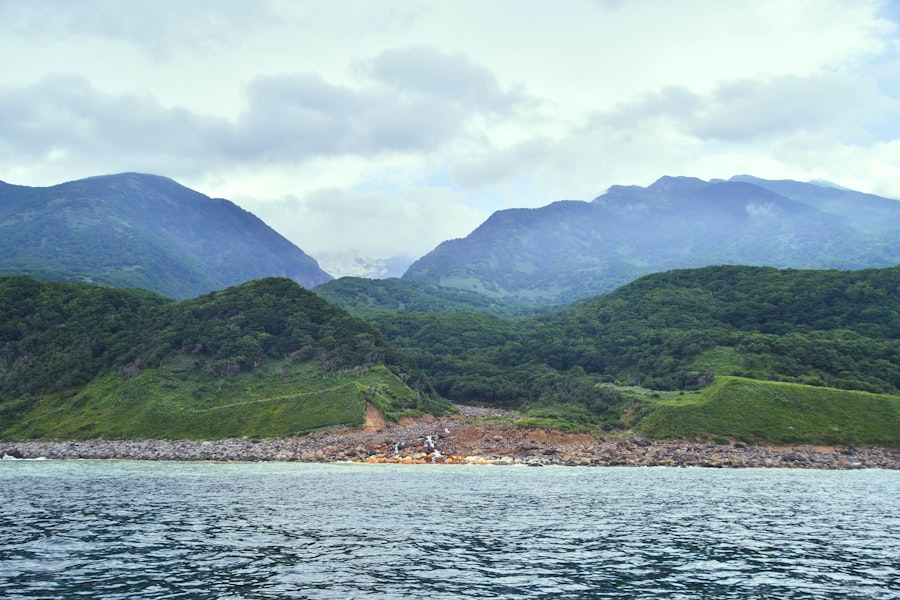
The Kuril Islands, a chain of volcanic islands stretching between Japan’s Hokkaido and Russia’s Kamchatka Peninsula, form a natural barrier in the Sea of Okhotsk and the northwestern Pacific Ocean. This geographical configuration dictates the primary navigational arenas for subsurface vessels.
The Sea of Okhotsk: A Northern Sanctuary and Strategic Depth
The Sea of Okhotsk, largely enclosed by Russia, the Kurils, and Hokkaido, provides a crucial operational area and a protected haven for naval forces.
Access and Chokepoints
Access to the Sea of Okhotsk is limited, primarily through the La Pérouse Strait between Hokkaido and Sakhalin, and the Kunashir Strait, Izmeny Strait, and Nemuro Strait between the southern Kuril Islands and Japan’s northern territories. These straits, while seemingly narrow, become critical chokepoints for both surface and subsurface vessels attempting to enter or exit this important body of water. submarines operating within the Sea of Okhotsk can enjoy a degree of strategic depth, allowing for covert operations, training, and the potential deployment of ballistic missile submarines (SSBNs) in a relatively secure environment.
Acoustic and Environmental Conditions
The Sea of Okhotsk presents unique acoustic and environmental conditions that influence submarine acoustics. Seasonal ice formation in the northern reaches can mask acoustic signatures, while the regional bathymetry, including submerged ridges and continental shelves, can create complex sound propagation patterns. These factors can be both advantageous and disadvantageous for submarine operations, depending on whether one is the observer or the observed.
The Northwestern Pacific Ocean: Global Connectivity and Deep Water Operations
Beyond the Sea of Okhotsk, the northwestern Pacific Ocean offers vast expanses of deep water, facilitating global transit and operations.
Major Shipping Lanes and Transit Corridors
This region is traversed by numerous major global shipping lanes, making it a vital artery for international trade. Submarines operating in this area can potentially interdict or survey these crucial maritime routes. The Kuril Islands, situated at the periphery of these lanes, offer strategic points from which to monitor these movements.
Deep Water Sonar Operations and Thermal Layering
The deep waters of the northwestern Pacific present opportunities and challenges for sonar operations. While vast, they also offer significant depths for submarines to operate in, potentially below the thermocline, making them harder to detect using active sonar. Understanding the thermal layering of the ocean is paramount for predicting sound propagation and optimizing sonar performance, whether for detection or for avoiding detection.
Recent developments in the monitoring of submarine transit around the Kuril Islands have garnered significant attention, particularly in light of geopolitical tensions in the region. An insightful article that delves into this topic can be found at this link, which discusses the strategic implications of submarine movements and the importance of surveillance in maintaining regional security. The article highlights the technological advancements in monitoring systems and their role in enhancing situational awareness in contested maritime areas.
The Subsurface Imperative: Why Monitor?
The rationale behind diligently monitoring submarine transit in the Kuril Islands is rooted in a confluence of strategic, economic, and security considerations. The presence of nuclear-powered submarines, particularly those armed with ballistic missiles, elevates the stakes considerably.
Strategic Deterrence and Power Projection
For nuclear-armed states, submarines represent a vital leg of the nuclear triad, providing a survivable and second-strike capability.
Ballistic Missile Submarine (SSBN) Patrols
The Sea of Okhotsk has been historically utilized by Russia as a secure base for its SSBN patrols. Monitoring the transit of these vessels, their deployment patterns, and their operational readiness is crucial for assessing the strategic balance and potential threats. The ability to track the movements of these “boomers” provides invaluable intelligence on a nation’s nuclear posture.
Conventional Submarine Operations
Beyond nuclear capabilities, conventional submarines are increasingly sophisticated, posing threats to naval assets, merchant shipping, and critical underwater infrastructure. Their stealth capabilities necessitate persistent monitoring.
Regional Stability and Maritime Security
The actions of naval forces in the Kuril Islands region have a direct impact on regional stability. Understanding submarine movements is integral to maintaining a clear picture of potential escalations or provocations.
Freedom of Navigation and Territorial Integrity
Monitoring ensures that submarine activities adhere to international law and respect the territorial waters and exclusive economic zones of neighboring states. Unannounced or aggressive submarine transits can be perceived as violations of sovereignty.
Anti-Submarine Warfare (ASW) Preparedness
Effective ASW requires detailed intelligence on potential adversary submarine operating areas, transit routes, and tactics. Monitoring submarine transit in the Kurils directly contributes to maintaining and improving ASW capabilities.
Intelligence Gathering and Situational Awareness
Comprehensive intelligence on submarine activity provides a profound understanding of an adversary’s intentions, capabilities, and operational tempo.
Understanding Adversarial Doctrine and Tactics
Observing how submarines operate in this environment offers insights into their doctrine, training, and tactical preferences. This information is vital for developing effective countermeasures and anticipating future strategies.
Early Warning and Threat Assessment
Early detection and tracking of submarines can provide crucial early warning of potential threats, allowing for timely diplomatic or military responses. The absence of consistent monitoring is akin to navigating treacherous waters blindfolded.
Technological Pillars of Submarine Monitoring
The detection and tracking of submarines, particularly in the vast and complex marine environment, rely on a sophisticated array of technologies and methodologies. The sheer stealth of submarines, their ability to operate in three dimensions beneath the surface, presents a formidable challenge.
Acoustic Surveillance: The Ear Beneath the Waves
Acoustic sensors remain the primary tool for submarine detection. The principle is simple: submarines, by their very nature, generate sound. The challenge lies in distinguishing these sounds from the cacophony of the ocean.
Fixed Hydrophone Arrays: The Ocean’s Fixed Listeners
Fixed arrays of hydrophones, strategically placed on the seabed or moored in key transit areas, act as the ocean’s permanent ears. These arrays can detect and triangulate the position of submarines based on the sound they emit.
Sonobuoy Networks: Mobile Acoustic Sentinels
Deployable from aircraft or ships, sonobuoys are floating sensors that transmit acoustic data to a processing station. Networks of sonobuoys can create a dynamic and responsive listening field, particularly effective for tracking submarines that might attempt to evade fixed systems.
Passive vs. Active Sonar
Passive sonar listens for sounds emitted by submarines (engine noise, propeller cavitation, hull creaks). Active sonar, conversely, emits sound pulses and listens for the echoes that bounce back from submerged objects. While active sonar can provide more precise location data, it also reveals the position of the sonar platform, making it a tactical risk.
Non-Acoustic Detection Methods: Beyond Sound
While acoustic methods are paramount, the limitations of sound detection (e.g., in noisy environments or against exceedingly quiet submarines) necessitate the use of supplementary, non-acoustic technologies.
Magnetic Anomaly Detectors (MAD): Sensing the Earth’s Magnetic Field
Submarines, being large metallic objects, create disturbances in the Earth’s magnetic field. MAD sensors, typically mounted on aircraft or towed behind vessels, can detect these anomalies.
Limitations in Depth and Environmental Noise
MAD systems are most effective at shallow depths and can be susceptible to interference from geological features or other large metallic objects. They are often used in the terminal stages of a detection or as a supporting sensor.
Ship Wake and Radar Signatures: Observing the Surface Perturbations
Even submerged, submarines can leave subtle traces on the surface.
Visual and Radar Observation
Periscopes, snorkels, and surfacing events can be detected visually or by radar. Ship wakes, even for partially submerged vessels, can also provide clues. However, these are generally indicative of submarines that are operating at or near the surface, limiting their utility for detecting deeply submerged vessels.
Wake Imaging and Optical Sensors
Advanced optical sensors and wake imaging technologies are being developed to detect the subtle disturbances in seawater caused by a moving submarine, even at depth. These represent a frontier in non-acoustic detection.
Data Fusion and Analysis: The Intelligence Nexus
Collecting raw data from various sensors is only the first step. The true value lies in its integration and sophisticated analysis.
Integrated Command and Control Systems
Modern monitoring systems integrate data from diverse sources (hydrophones, radar, satellites, intelligence feeds) into a unified operational picture. This holistic view is crucial for discerning patterns and making informed decisions.
Pattern of Life Analysis
By analyzing historical data and current observations, analysts can identify “patterns of life” for submarines operating in the Kuril Islands region. Deviations from these established patterns can signal significant events or intentions.
Artificial Intelligence and Machine Learning
AI and ML algorithms are increasingly employed to sift through vast datasets, identify subtle anomalies, and even predict submarine behavior. These tools can accelerate the detection process and improve the accuracy of threat assessments. The goal is to transform a sea of data into actionable intelligence, like an alchemist turning lead into gold.
Challenges and Counter-Challenges: The Evolving Cat and Mouse Game

The monitoring of submarine transit in the Kuril Islands is a dynamic and often adversarial endeavor. As detection technologies advance, so too do the methods employed to evade them, creating a constant cycle of innovation and adaptation.
Stealth Technologies: The Submarine’s Art of Invisibility
Modern submarines are designed for extreme stealth. This is not merely an operational preference; it is a fundamental requirement for survival and mission effectiveness.
Quieting Technologies: Silencing the Submersible
Advances in hull design, propeller technology, machinery isolation, and anechoic coatings have significantly reduced the acoustic signatures of submarines. The goal is to make them as silent as a whisper in a hurricane.
Engine and Machinery Noise Reduction
Sophisticated dampening and insulation techniques are employed to minimize the transmission of vibrations and noise from engines and other machinery.
Hydrodynamic Design and Propeller Optimization
Hull shapes are optimized for reduced drag and minimal cavitation, the formation of bubbles that creates noise. Propellers are designed for silent operation.
Counter-Surveillance Measures: Deception and Evasion
Submarines are equipped with measures to actively counter surveillance efforts.
Acoustic Decoys and Jamming
Submarines can deploy decoys that mimic their acoustic signature, confusing ASW platforms. They can also employ jamming techniques to disrupt active sonar pings.
Operational Deception and Tactics
Sophisticated operational tactics, rapid transit through unpredictable environments, and the use of environmental factors (e.g., thermal gradients, shallow waters) are employed to break contact and evade detection.
Environmental Factors: The Ocean’s Veil and Obstacles
The marine environment itself presents significant challenges to consistent and reliable submarine monitoring.
Acoustic Propagation Variability
Oceanographic conditions, including temperature, salinity, and pressure, create layers and gradients that distort and absorb sound. This variability makes it difficult to predict where sounds will travel and where submarines might be able to hide.
Thermoclines and Haloclines
These layers in the ocean can create “shadow zones” where sonar signals do not penetrate effectively, providing cover for submarines.
Sea State and Weather Conditions
Rough seas can generate a high level of ambient noise, masking the faint sounds of submarines. Severe weather can also limit the operational effectiveness of airborne and surface surveillance assets.
Operational Constraints: The Limits of Reach and Endurance
The sheer scale of the ocean and the limitations of surveillance assets impose practical constraints on monitoring efforts.
Limited Surveillance Footprint
No single nation possesses the continuous surveillance capability to monitor every cubic meter of the ocean. Surveillance assets have a limited reach and endurance.
Resource Allocation and Prioritization
Given limited resources, nations must prioritize areas for surveillance based on threat assessments and operational requirements, making the Kuril Islands a high-priority zone.
The Challenge of Persistent Tracking
Maintaining a continuous track on a submarine that is actively trying to evade detection is an exceptionally difficult and resource-intensive task. Once contact is lost, reacquiring it can be a protracted challenge.
Recent developments in the monitoring of submarine transit around the Kuril Islands have raised significant strategic concerns, particularly in light of the ongoing geopolitical tensions in the region. For a deeper understanding of the implications of these activities, you can refer to a related article that discusses the broader context of military maneuvers in the area. This insightful piece can be found at In the War Room, where experts analyze the potential impact on regional security and international relations.
Strategic Implications and Future Outlook
| Metric | Description | Value | Unit | Notes |
|---|---|---|---|---|
| Number of Submarine Transits | Total recorded submarine transits through Kuril Islands area | 15 | transits/month | Average monthly count based on recent monitoring data |
| Detection Range | Maximum effective sonar detection range in the region | 50 | km | Varies with sea conditions and equipment |
| Monitoring Coverage Area | Area covered by surveillance systems around Kuril Islands | 10,000 | km² | Includes underwater and surface monitoring zones |
| Average Transit Speed | Average speed of submarines passing through the area | 12 | knots | Based on acoustic tracking data |
| Number of Monitoring Stations | Active sonar and radar stations monitoring submarine activity | 8 | stations | Includes fixed and mobile units |
| False Alarm Rate | Percentage of detections that were false positives | 5 | % | Improved with advanced signal processing |
| Response Time | Average time to confirm and respond to a detected transit | 15 | minutes | From detection to verification |
The ongoing monitoring of submarine transit in the Kuril Islands carries significant strategic implications for all nations with vested interests in the Indo-Pacific. The evolving nature of submarine warfare and the growing complexity of the geopolitical landscape necessitate a continuous reassessment of monitoring strategies.
The Shifting Balance of Power and Naval Modernization
The region is characterized by significant naval modernization efforts by several key players. Russia continues to invest in its submarine fleet, while other regional powers are also enhancing their naval capabilities, including their ASW assets.
The Role of Advanced ASW Platforms
The development and deployment of more capable ASW aircraft, surface vessels, and unmanned underwater vehicles (UUVs) are crucial for maintaining an advantage in the subsurface domain.
The Rise of Unmanned Systems
UUVs and autonomous underwater vehicles (AUVs) are poised to play an increasingly significant role in future submarine monitoring. Their ability to operate for extended periods, in challenging environments, and without direct human risk makes them invaluable assets.
The Geopolitical Chessboard and Alliance Dynamics
The Kuril Islands region is a focal point for inter-state relations, particularly between Russia, Japan, and the United States. Monitoring submarine activity is a critical component of maintaining strategic stability and deterring potential aggression.
The Importance of Intelligence Sharing
Effective monitoring often relies on intelligence sharing and cooperation between allied nations. This “whole-of-domain” approach amplifies the effectiveness of individual surveillance efforts.
Deterrence and De-escalation
A consistent and credible monitoring capability acts as a powerful deterrent against provocative submarine operations. It provides the necessary information for de-escalation in times of tension.
The Future of Subsurface Surveillance: Innovation and Integration
The future of submarine monitoring in the Kuril Islands will likely be defined by continued technological innovation and enhanced integration of diverse surveillance capabilities.
Leveraging Cyber and Space-Based Assets
The integration of cyber intelligence and space-based reconnaissance with traditional ocean surveillance methods will provide a more comprehensive understanding of the operational environment.
The “Digital Ocean” Concept
The concept of a “Digital Ocean,” where vast amounts of oceanographic and acoustic data are collected, processed, and analyzed in near real-time, will become increasingly important. This will allow for more predictive and proactive monitoring.
In conclusion, the monitoring of submarine transit in the Kuril Islands is a complex, technologically intensive, and strategically vital undertaking. It is a perpetual endeavor, a silent vigil conducted beneath the waves, essential for understanding the currents of power and ensuring stability in a critical maritime nexus. The cat-and-mouse game continues, with the stakes growing ever higher in this strategically resonant corner of the world.
FAQs
What is the significance of monitoring submarine transit near the Kuril Islands?
Monitoring submarine transit near the Kuril Islands is important for national security and maritime safety. The region is strategically located between Russia and Japan, making it a key area for naval operations and surveillance.
Which countries are primarily involved in submarine activities around the Kuril Islands?
The primary countries involved in submarine activities around the Kuril Islands are Russia and Japan. Both nations have military interests in the area due to its strategic location and ongoing territorial disputes.
What technologies are used to monitor submarine transit in the Kuril Islands region?
Technologies used for monitoring submarine transit include sonar systems, underwater sensors, satellite surveillance, and maritime patrol aircraft. These tools help detect and track submarine movements in the area.
How does submarine transit monitoring impact regional security in the Kuril Islands?
Submarine transit monitoring enhances regional security by providing early warning of potential military activities, preventing unauthorized incursions, and supporting maritime domain awareness. It helps maintain stability in a geopolitically sensitive area.
Are there any international agreements governing submarine transit near the Kuril Islands?
There are no specific international agreements solely governing submarine transit near the Kuril Islands. However, general maritime laws under the United Nations Convention on the Law of the Sea (UNCLOS) apply, regulating navigation and military activities in international waters.