The MBP-110 Nine-Axis Milling Machine has emerged as a significant player in the global advanced manufacturing landscape, demonstrating a robust export performance that underscores its technological merit and market adaptability. This article examines the factors contributing to its international success, the markets it has penetrated, and the implications for the broader industrial machinery sector.
Core Design Philosophy
The MBP-110’s development was rooted in addressing the evolving demands of precision engineering. Manufacturers sought machines capable of complex multi-axis machining with exceptional accuracy and efficiency. The MBP-110 was conceived as a solution to these challenges, aiming to consolidate multiple machining operations onto a single platform. This approach sought to reduce setup times, minimize workpiece handling, and ultimately shorten production cycles, critical factors in driving down manufacturing costs. The design prioritized rigidity and thermal stability, essential for maintaining micron-level precision throughout extended operational periods. Engineers focused on a kinematic chain that minimized error propagation, allowing for intricate geometries to be produced with a high degree of fidelity. This foundational approach to its design laid the groundwork for its subsequent success.
The Nine-Axis Advantage
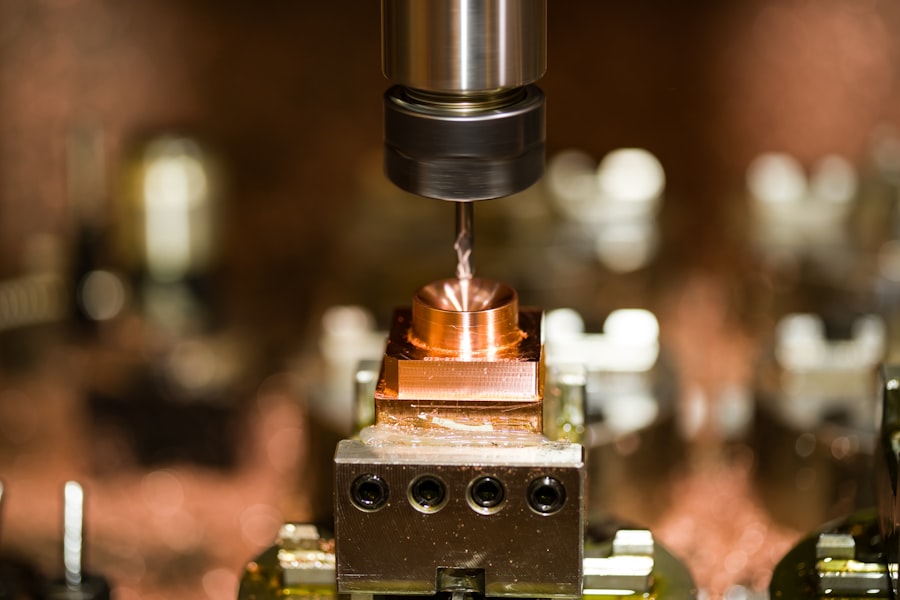
The defining characteristic of the MBP-110 is its nine-axis configuration. This goes beyond typical five-axis milling by incorporating additional axes that facilitate workpiece orientation and tool engagement in highly unconventional ways. These supplementary axes, often involving sophisticated trunnion or rotary table designs coupled with advanced kinematic compensations, allow for near-spherical machining capabilities with a single setup. This eliminates the need for multiple re-fixturing operations, a common bottleneck in the production of complex parts such as aerospace engine components, surgical implants, and intricate molds. The ability to machine undercuts and re-entrant features that would otherwise require specialized EDM or Swiss-type machining operations significantly broadens the MBP-110’s application spectrum. The increased degrees of freedom translate into a more direct and efficient machining path.
Material Handling and Automation Integration
Recognizing the trend towards automated manufacturing cells, the MBP-110 was designed with seamless integration in mind. Its open architecture and use of industry-standard communication protocols facilitated its incorporation into existing or new automated lines. Features such as integrated pallet changers, robotic loading/unloading interfaces, and advanced chip management systems were considered crucial. This foresight in accommodating automation reduced the integration effort for end-users, accelerating the return on investment for those adopting the machine into a fully automated workflow. The ability to function as a solitary powerhouse or as a cog in a much larger automated machine became a key selling point.
The export of the MBP-110 nine-axis milling machine has garnered significant attention in the manufacturing sector, particularly due to its advanced capabilities and precision engineering. For more insights into the latest trends and developments in the milling machine industry, you can read a related article that discusses various technological advancements and their impact on global exports. Check it out here: related article.
Market Penetration and Geographic Reach
Entry into Developed Markets
The initial export success of the MBP-110 was largely concentrated in established industrial nations, particularly those with advanced aerospace, automotive, and medical device manufacturing sectors. Countries such as Germany, Japan, the United States, and the United Kingdom were early adopters. These markets possessed a strong demand for high-precision, multi-functional machining solutions and had the financial capacity to invest in premium equipment. The MBP-110’s technological sophistication resonated with manufacturers in these regions who were already operating at the cutting edge of production technology. Establishing a foothold in these demanding markets served as a powerful endorsement, paving the way for broader acceptance.
Aerospace Sector Adoption
The aerospace industry, with its stringent quality requirements and demand for complex, lightweight components, proved to be a fertile ground for the MBP-110. Manufacturers of turbine blades, airframe components, and engine housings found the machine’s ability to produce intricate geometries in high-strength alloys to be particularly advantageous. The reduction in manufacturing steps and the enhanced accuracy directly contributed to improved component performance and reliability, critical factors in aircraft safety and longevity. A single MBP-110 could replace several specialized machines, streamlining the production of these high-value parts.
Automotive Industry Integration
While the automotive sector often prioritizes high-volume production, it also relies on precision machining for critical engine components, transmission parts, and high-performance vehicle assemblies. The MBP-110 found its niche by enabling manufacturers to achieve superior precision and finish on these critical components, often in smaller batch sizes for premium models or specialized applications. Its capability to perform complex milling and turning operations on single setups also contributed to reducing lead times for prototyping and low-volume production runs within the automotive supply chain. This allowed for more agile responses to market demands.
The recent surge in demand for advanced manufacturing technologies has led to a significant increase in the export of the MBP-110 nine-axis milling machine, which is gaining attention for its precision and efficiency. For those interested in exploring the broader implications of this trend, a related article can be found at In the War Room, where industry experts discuss the impact of such innovations on global manufacturing practices. This highlights the importance of staying informed about the latest developments in the field.
Expansion into Emerging Economies
Following its success in developed markets, the MBP-110 began to gain traction in emerging economies that were rapidly industrializing and seeking to upgrade their manufacturing capabilities. Countries in East Asia, Eastern Europe, and parts of South America, recognizing the need to move up the value chain, identified the MBP-110 as a strategic investment. These markets often faced challenges such as skilled labor shortages and the need to achieve international quality standards. The MBP-110’s advanced automation features and its ability to produce high-quality parts with less manual intervention proved attractive.
Bridging the Technology Gap
For many of these emerging economies, the MBP-110 represented a significant leap in manufacturing technology. It provided a pathway to produce components that were previously only achievable through outsourcing or by relying on legacy machinery with limited capabilities. The machine’s user-friendly interface, coupled with comprehensive training and support from the manufacturer, helped to bridge the technology gap, enabling local workforces to operate and maintain the sophisticated equipment. This transfer of technology is a crucial aspect of industrial development.
Capturing Niche Markets
Beyond major industries, the MBP-110 has also found success in specialized niche markets within these emerging economies. This includes manufacturers of advanced medical equipment, precision tooling, and high-end consumer electronics. The machine’s versatility allows it to cater to a diverse range of requirements, demonstrating its adaptability beyond traditional large-scale sectors. This diversification of its customer base has contributed to its sustained export growth.
Factors Driving Export Success
Technological Superiority and Innovation
The primary driver of the MBP-110’s export success is its inherent technological superiority. The nine-axis capability, combined with advanced control systems, high-speed spindles, and innovative tooling solutions, provides a competitive edge. Manufacturers are willing to invest in equipment that offers a demonstrable return on investment through increased productivity, improved part quality, and reduced operational costs. The MBP-110’s design team consistently pushed the boundaries of what was possible in milling machine technology, planting seeds of innovation that have since bloomed into export opportunities.
Precision and Accuracy
The machine’s ability to consistently achieve extremely tight tolerances is a critical factor. In industries where even microscopic deviations can lead to catastrophic failures or significant performance degradation, the MBP-110’s precision is a non-negotiable asset. Its robust construction and sophisticated compensation systems work in harmony to deliver repeatable accuracy, a testament to its engineering pedigree. This unwavering commitment to precision acts as a beacon, drawing in customers who demand the very best.
Versatility and Flexibility
The nine-axis configuration grants the MBP-110 an exceptional level of versatility. It can handle a wide range of materials, from soft aluminum to hardened steels and exotic alloys, and can produce an equally broad spectrum of part geometries. This flexibility allows manufacturers to consolidate multiple machining processes onto a single machine, reducing capital expenditure and factory floor space requirements. The machine is not a one-trick pony; it is a Swiss Army knife of machining, capable of tackling a multitude of tasks.
Robust Global Support Network
Recognizing that advanced machinery requires equally advanced support, a dedicated global network has been instrumental in the MBP-110’s export success. This network includes trained service technicians, readily available spare parts, and comprehensive application engineering support. Potential buyers often assess the long-term viability of their investment based on the manufacturer’s ability to provide timely and effective support. The presence of local service centers and technical expertise within key markets has been a significant confidence builder.
After-Sales Service and Maintenance
Prompt and efficient after-sales service is paramount for complex machinery like the MBP-110. Manufacturers that invest in a global network of service engineers and maintain a well-stocked inventory of critical spare parts are better positioned to address any operational issues. This minimizes downtime for the customer, ensuring that the machine’s productivity is maximized. The ability to resolve problems swiftly is akin to a skilled physician who can quickly diagnose and treat an ailment, preventing long-term damage.
Application Engineering and Training
Beyond basic repair, the availability of application engineering support is crucial. This involves helping customers optimize their machining processes, develop new tooling strategies, and fully leverage the capabilities of the MBP-110. Comprehensive training programs for operators and maintenance personnel ensure that customers can maximize the machine’s potential from the outset. This consultative approach builds stronger relationships with clients and fosters successful long-term partnerships.
Strategic Partnerships and Distribution Channels
The establishment of strategic partnerships with reputable distributors and agents in target markets has been a cornerstone of the MBP-110’s export strategy. These partners possess in-depth knowledge of their local markets, established customer relationships, and the logistical capabilities to effectively market and support the machinery. Collaborating with trusted entities has allowed the MBP-110 to navigate complex international business environments efficiently.
Leveraging Local Expertise
Local distributors act as vital intermediaries, translating market needs and providing on-the-ground intelligence. Their understanding of cultural nuances, regulatory frameworks, and specific industry demands allows for a more tailored approach to sales and marketing. This local expertise is invaluable in building trust and rapport with potential clients. They are the navigators who chart the course through the unfamiliar waters of international trade.
Building a Trusted Brand Abroad
By partnering with established and respected entities, the MBP-110 has been able to leverage their existing reputation and build its own brand recognition and trust in new markets. This collaborative approach accelerates market penetration and reduces the risk associated with entering unfamiliar territories. The brand becomes not just a product, but a promise backed by local assurance.
Challenges and Future Outlook
Navigating Global Economic Fluctuations
Like all global exporters, the MBP-110 is subject to the ebb and flow of the global economy. Geopolitical instability, trade disputes, and currency fluctuations can all impact export volumes. Manufacturers must remain agile and adaptive, adjusting their strategies to mitigate these risks. This requires a keen understanding of global economic indicators and a willingness to pivot when necessary. The economic landscape is a dynamic sea, and successful exporters must be adept at navigating its currents.
Currency Exchange Rate Volatility
Fluctuations in currency exchange rates can significantly impact the cost of imported machinery for buyers in different countries. This can make the MBP-110 appear more or less expensive, affecting purchasing decisions. Manufacturers often employ hedging strategies or offer flexible pricing models to address this challenge. The value of the dollar compared to the euro or yen, for instance, can be a critical factor for a buyer in a European or Asian country.
Trade Tariffs and Regulations
Imposition of trade tariffs or changes in import/export regulations can create barriers to trade and increase costs. Companies must stay abreast of these developments and actively work to comply with all relevant regulations in their target markets. Understanding the labyrinth of international trade law is a continuous and essential undertaking.
The Evolving Landscape of Manufacturing
The manufacturing sector is in a perpetual state of evolution, driven by technological advancements, sustainability initiatives, and changing consumer demands. The MBP-110, while currently a leading product, must continue to innovate to remain competitive. Future developments might include enhanced AI integration for predictive maintenance and process optimization, further improvements in energy efficiency, and the incorporation of advanced additive manufacturing capabilities.
Industry 4.0 and Smart Manufacturing
The ongoing push towards Industry 4.0 and smart manufacturing necessitates machines that are not only highly functional but also deeply integrated into connected ecosystems. The MBP-110’s future success will depend on its ability to seamlessly integrate with other smart factory technologies, such as IoT sensors, data analytics platforms, and collaborative robots. The machine must become an intelligent node within a larger network.
Sustainability and Energy Efficiency
Increasing global emphasis on environmental sustainability and energy efficiency will likely drive demand for manufacturing equipment that minimizes its ecological footprint. Future iterations of the MBP-110 may feature more energy-efficient components, advanced power management systems, and designs that optimize material usage. A machine that is both productive and environmentally conscious offers a compelling proposition.
Continued Investment in R&D
Sustained export success hinges on a continuous commitment to research and development. The MBP-110’s current achievements are a testament to its innovative legacy, but the future demands a proactive approach to anticipating and meeting emerging market needs. Investment in exploring new machining techniques, materials science, and control system technologies will be crucial for setting the benchmark for years to come. Without unwavering dedication to the forge of innovation, even the brightest spark can fade.
The MBP-110 Nine-Axis Milling Machine’s journey from concept to a successful export product highlights the confluence of technological prowess, strategic market engagement, and unwavering support. Its ability to meet the demanding requirements of diverse global industries, coupled with a forward-looking approach to innovation, positions it for continued success in the intricate tapestry of global manufacturing.
FAQs
What is the MBP-110 nine-axis milling machine?
The MBP-110 is a nine-axis milling machine designed for complex machining tasks. It offers high precision and flexibility, allowing for multi-directional cutting and shaping of materials.
What industries commonly use the MBP-110 nine-axis milling machine?
This milling machine is widely used in aerospace, automotive, mold making, and precision engineering industries where intricate and accurate machining is required.
What are the key features of the MBP-110 nine-axis milling machine?
Key features include nine-axis simultaneous control, high-speed spindle, advanced CNC control system, robust construction for stability, and compatibility with various cutting tools.
Is the MBP-110 nine-axis milling machine available for export?
Yes, the MBP-110 nine-axis milling machine is available for export to various international markets, subject to compliance with export regulations and shipping arrangements.
What support and training are provided with the MBP-110 nine-axis milling machine export?
Manufacturers typically offer technical support, installation assistance, and operator training to ensure proper use and maintenance of the MBP-110 milling machine after export.