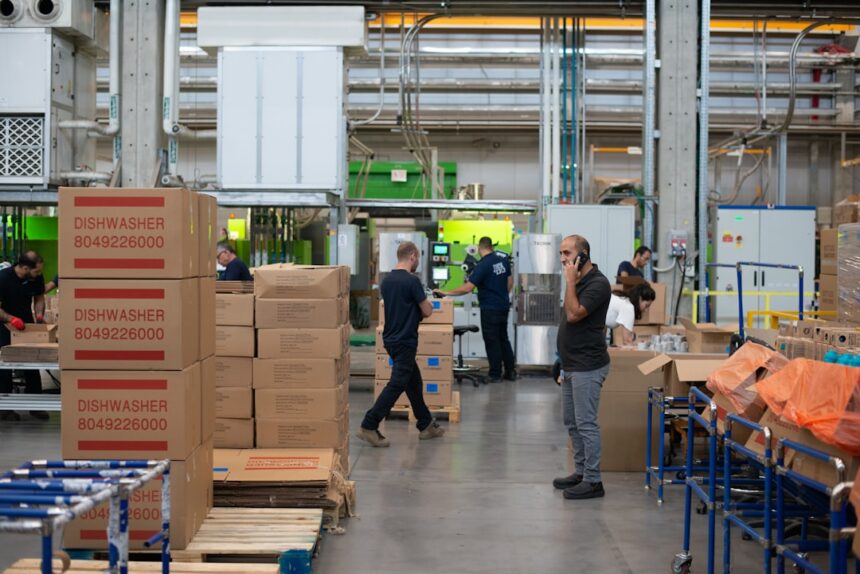
The intricate web of international trade relies on sophisticated logistical frameworks, and bonded warehouses play a pivotal role within this ecosystem. These secure facilities offer businesses a deferral of customs duties and taxes on imported goods, provided those goods are either re-exported or undergo specific value-adding processes within the warehouse. However, the very mechanisms designed to facilitate trade can also be exploited for illicit purposes. This article delves into the methods employed to evade bonded warehouse transshipment rules, examining the strategies, the actors involved, and the implications for global supply chains.
To understand evasion, one must first grasp the foundational principles of bonded warehouse operations and transshipment.
What is a Bonded Warehouse?
A bonded warehouse, in essence, is a customs-controlled area where imported goods can be stored, manipulated, or manufactured without the immediate payment of duties and taxes. The importer essentially posts a bond (a financial guarantee) with customs authorities, assuring them that the duties will be paid if the goods are entered for domestic consumption. This allows businesses to manage cash flow more effectively, especially when goods are intended for future export or for processing prior to onward sale.
Categories of Bonded Warehouses
There are generally different types of bonded warehouses, each with specific regulations:
- Public Bonded Warehouses: Operated by private companies that offer their storage services to various importers.
- Private Bonded Warehouses: Operated by an importer for their own exclusive use.
- Manufacturing Warehouses: Where imported raw materials can be processed into finished goods, with duties paid only on the finished products that enter the domestic market.
The Concept of Transshipment
Transshipment, in the context of bonded warehouses, refers to the movement of goods from one point of entry to another, often through a bonded warehouse, with the ultimate intention of re-exportation. This is a legitimate trade facilitation tool designed to streamline logistics and reduce transit times. For instance, a shipment destined for a landlocked country might arrive at a seaport, be moved to a bonded warehouse, and then trucked to its final destination.
Permissible Activities within a Bonded Warehouse for Transshipment
Customs regulations typically outline specific activities that are permitted within a bonded warehouse when goods are designated for transshipment. These often include:
- Storage: The primary function, allowing goods to be held for a defined period.
- Consolidation and Deconsolidation: Combining smaller shipments into larger ones or breaking down large shipments.
- Labeling and Packaging: Minor alterations to packaging for onward transit or marketing.
- Inspection: Allowing customs or other regulatory bodies to examine goods.
- Minor Repairs: Necessary repairs to ensure goods can be safely exported.
Crucially, extensive processing or manufacturing that would alter the fundamental nature of the goods and thus their duty classification is generally not permitted if the ultimate intent is simply transshipment and re-exportation without domestic entry. The integrity of the goods, as declared at the point of entry, is paramount.
In recent discussions surrounding the complexities of bonded warehouse transshipment rules, a pertinent article titled “Navigating the Challenges of Bonded Warehousing: Compliance and Evasion” provides valuable insights into the potential pitfalls and evasion tactics that some entities may employ. This article highlights the importance of adhering to regulations while also examining the consequences of non-compliance. For more information on this topic, you can read the article here: Navigating the Challenges of Bonded Warehousing.
Modus Operandi of Evasion Schemes
The evasion of bonded warehouse transshipment rules is not a monolithic operation; it encompasses a spectrum of activities, from subtle manipulations to outright fraud. These schemes can be broadly categorized by their objectives and the methods employed.
Misrepresentation of Goods Intended for Transshipment
Perhaps the most common avenue for evasion involves deceiving customs authorities about the true nature of the goods or their ultimate destination.
Diversion to Domestic Markets
This is a cornerstone of many evasion schemes. Goods declared for transshipment and intended for export are, in reality, illegally introduced into the domestic market.
- The “Ghost” Shipment: Goods are imported, placed in a bonded warehouse under the guise of transshipment, but are never actually re-exported. Instead, they are discreetly removed from the warehouse and sold domestically, bypassing all applicable duties and taxes. The paperwork is then falsified to indicate a successful re-exportation.
- The “Switcheroo”: Similar goods, but with a higher duty rate, are swapped out. High-value, duty-laden goods are declared for transshipment, but lower-value, untaxed goods that have already been cleared domestically (or are intended for domestic sale without duties) are substituted within the bonded warehouse. The genuine goods are then diverted for illicit sale.
Concealment of Restricted or Prohibited Items
Bonded warehouses can, unfortunately, become conduits for smuggling.
- Hiding Contraband within Legitimate Cargo: Illicit items such as narcotics, weapons, or counterfeit goods are concealed within legitimate shipments that are ostensibly being transshipped. The bonded warehouse provides a convenient staging ground for this illicit integration and subsequent offshore movement.
- Mislabeling of Hazardous Materials: Forged documentation or mislabeled containers can be used to transship hazardous materials, bypassing stringent environmental and safety regulations.
Manipulation of Documentation and Record-Keeping
The paper trail is crucial in customs operations, and this is precisely where much of the fraudulent activity occurs.
Falsification of Re-exportation Documents
The objective here is to create a spurious audit trail that suggests compliance.
- Forged Exit Certificates: Customs authorities rely on documentation confirming goods have left the country. Fabricated exit certificates or loading documents are created, showing goods as having been loaded onto vessels or aircraft that they never saw.
- Inflated or Deflated Quantities: The number of units declared for transshipment may be falsely inflated to obscure the removal of some units, or deflated to suggest a smaller shipment was exported, with the difference siphoned off for domestic sale.
Altered Manifests and Shipping Records
The entire chain of custody from origin to destination is critical.
- Manipulated Bills of Lading: Shipping documents can be altered to show a different destination or a different shipper/consignee, facilitating the diversion of goods without triggering alarms.
- Digital Forgery: With increasing reliance on electronic systems, sophisticated digital forgery of customs declarations and inventory records becomes a significant threat.
Collusion and Insider Involvement
No operation of this scale can occur without facilitating factors, and sometimes, those factors involve individuals within the legitimate trade system.
Corrupt Customs Officials
The integrity of customs enforcement is paramount. When individuals within the system are compromised, the gates are thrown open.
- Facilitating Illicit Entries/Exits: Corrupt officials may overlook discrepancies, approve fraudulent documents, or actively assist in the physical removal of goods from bonded warehouses.
- Providing Advance Information: Insider knowledge about upcoming inspections or audits can allow evasion schemes to be put into motion or altered to avoid detection.
Deception by Warehouse Operators
Even those entrusted with the secure storage of goods can become complicit.
- Turning a Blind Eye: Warehouse operators may be incentivized to ignore suspicious activities, allowing goods to be moved in or out without proper authorization.
- Active Participation in Diversion: In more egregious cases, warehouse operators might actively assist in the illegal removal or substitution of goods, exploiting their access and control.
The Actors Involved in Evasion
Understanding who orchestrates and benefits from these evasive schemes provides critical insight into the vulnerabilities of the system.
Organized Criminal Syndicates
These sophisticated groups possess the resources, networks, and ruthlessness to execute complex evasion plans.
Specialization within Syndicates
Different factions within a syndicate may focus on specific aspects of the operation.
- Logistics and Smuggling Arms: Responsible for the physical movement and concealment of goods.
- Financial and Documentation Experts: Tasked with creating fraudulent paperwork and laundering illicit proceeds.
- Bribery and Corruption Specialists: Managing relationships with corrupt officials.
Large-Scale Contraband Trafficking
Organized crime is a primary driver for using bonded warehouses to move illicit substances, counterfeit goods, and weapons globally. The deferral of duties and the controlled environment of a warehouse offer a temporary veil of legitimacy for these operations.
Opportunistic Traders and Businesses
Not all evasion is the work of hardened criminals; legitimate businesses, facing financial pressures or seeking an unfair competitive advantage, may engage in schemes.
Small to Medium-Sized Enterprises (SMEs)
Facing intense market competition and tight margins, some SMEs may be tempted by the perceived quick financial gains offered by duty evasion.
- “The Calculated Risk”: A business might rationalize a single act of evasion as a necessary step to remain competitive, hoping it goes unnoticed.
- Growth of Evasion Culture: Repeated successful evasion can foster a culture within a company where such practices become normalized.
Multinational Corporations (MNCs) with Internal Challenges
While less common, even large corporations can be susceptible to internal rogue elements or pressure from their subsidiaries to cut costs, leading to participation in evasion schemes, albeit often more subtly than by smaller entities.
Individuals with Specific Expertise
Certain individuals provide essential services to the evasion networks, often operating independently or as contracted specialists.
Document Forgers and Cybercriminals
These individuals are masters of deception, able to create convincing fraudulent documents or infiltrate digital systems.
- Ghost Companies: Setting up shell companies to facilitate the movement of goods and the creation of seemingly legitimate but ultimately fake transaction histories.
- Data Manipulation Experts: Skilled in altering electronic records within customs portals and warehouse management systems.
Logistics Facilitators and Brokers
These individuals leverage their understanding of shipping routes, regulations, and key players to grease the wheels of illicit transshipment.
- Navigating Bureaucratic Loopholes: They identify and exploit any ambiguities or weaknesses in customs procedures.
- Connecting the Dots: They act as intermediaries, linking those who want to evade to those who can help them do so.
The Ripple Effect: Consequences of Evasion
The evasion of bonded warehouse transshipment rules extends far beyond the immediate financial loss to governments. It creates significant distortions in the market and undermines the integrity of international trade.
Economic Implications
The most direct consequence is the loss of revenue for nations.
Reduced Government Revenue
Undelivered duties and taxes represent a direct hit to national budgets, impacting funding for public services.
- Impact on Infrastructure and Social Programs: Reduced revenue can lead to underinvestment in essential areas like roads, healthcare, and education.
- Unfair Competition: Businesses that comply with duty and tax regulations are placed at a significant disadvantage against their evading counterparts, distorting the market.
Disruptions to Fair Trade
Evasion creates an uneven playing field, favoring illicit operators.
- Undermining Legitimate Businesses: Businesses that operate ethically find it increasingly difficult to compete with those that have artificially lowered their costs through illegal means.
- Market Saturation with Untaxed Goods: This can lead to price wars and a devaluation of legitimate products.
Impacts on Supply Chain Integrity
The trust inherent in global supply chains is eroded when such practices take root.
Erosion of Trust and Transparency
The reliance on accurate documentation and honest reporting is fundamental to smooth international trade.
- Increased Scrutiny and Delays: To combat evasion, customs authorities often implement stricter controls, leading to increased inspections and longer processing times for all shipments, not just illicit ones.
- Higher Insurance Premiums: The increased risk associated with potentially compromised supply chains can lead to higher insurance costs for businesses.
Security Risks and National Security Concerns
The channels used for commercial evasion can also be exploited for more sinister purposes.
- Facilitation of Terrorism and Organized Crime: The movement of weapons, illicit drugs, and other contraband poses a direct threat to national security and public safety.
- Proliferation of Counterfeit Goods: The influx of counterfeit products, often of inferior quality and potentially hazardous, harms consumers and legitimate industries.
Reputational Damage
Businesses caught engaging in evasion face severe penalties, including hefty fines, loss of operating licenses, and significant damage to their reputation.
Legal Ramifications and Penalties
The consequences of being caught can be severe and far-reaching.
- Criminal Prosecution: Individuals and companies can face criminal charges, leading to imprisonment and substantial fines.
- Civil Penalties: Beyond criminal charges, significant financial penalties equivalent to the evaded duties, plus interest and additional fines, can be imposed.
- Loss of Trading Privileges: Companies may be banned from using bonded warehouses or engaging in international trade altogether.
Brand Erosion and Loss of Consumer Confidence
A reputation for integrity is a valuable asset.
- Public Backlash: News of evasion can lead to significant public outcry and boycotts of products from implicated companies.
- Difficulty Securing Future Partnerships: Business partners, investors, and lenders may be hesitant to engage with companies that have a history of unethical or illegal practices.
The complexities surrounding bonded warehouse transshipment rules have led to various evasion tactics that can undermine trade regulations. A recent article explores the implications of these practices and highlights the need for stricter enforcement measures. For those interested in understanding the nuances of this issue, you can read more in the insightful piece found here. This discussion sheds light on the challenges faced by authorities in curbing illegal activities while maintaining the integrity of international trade.
Detection and Prevention Strategies
| Metric | Description | Impact on Bonded Warehouse Operations | Regulatory Focus |
|---|---|---|---|
| Number of Transshipment Violations | Count of detected cases where goods were transshipped through bonded warehouses to evade customs duties or regulations | Indicates the level of rule evasion and potential revenue loss for customs authorities | High priority for customs enforcement agencies |
| Average Detection Time | Time taken from shipment arrival to detection of transshipment rule evasion | Shorter detection times reduce the risk of illegal goods entering the market | Focus on improving monitoring and inspection technologies |
| Percentage of Inspected Shipments | Proportion of bonded warehouse shipments inspected for compliance with transshipment rules | Higher inspection rates deter evasion attempts but increase operational costs | Balance between enforcement and trade facilitation |
| Customs Duty Revenue Loss | Estimated loss in customs revenue due to evasion through bonded warehouse transshipment | Direct financial impact on government budgets and trade policy effectiveness | Motivates stricter controls and penalties |
| Number of Penalties Issued | Count of fines or sanctions imposed for violations of transshipment rules | Reflects enforcement activity and deterrence effectiveness | Used to measure regulatory compliance levels |
Combating bonded warehouse transshipment evasion requires a multi-faceted approach involving technology, intelligence, and international cooperation.
Enhanced Physical Inspections and Audits
Traditional methods remain crucial in identifying discrepancies.
Random and Targeted Inspections
Customs officers conduct unannounced checks on warehouse inventory and movements.
- Intelligence-Led Inspections: Focusing resources on warehouses or specific types of goods that have a higher risk profile for evasion.
- Cross-Referencing Shipments: Comparing manifested loads with actual goods present, looking for discrepancies in quantity, type, or origin.
Audits of Warehouse Records
A thorough review of inventory logs, entry and exit documentation, and financial records is essential.
- Reconstruction of Transactions: Verifying the movement of goods from initial entry into the warehouse to their eventual departure or domestic entry.
- Investigating “Paper-Only” Movements: Identifying instances where documentation suggests goods have moved but there is no physical evidence or corresponding transaction record.
Technological Advancements in Monitoring and Tracking
Technology offers powerful tools for real-time oversight and data analysis.
Advanced Tracking Systems
Utilizing technologies to monitor the movement of goods throughout the supply chain.
- GPS Tracking and IoT Devices: Equipping containers or high-value goods with devices that transmit their location and status in real-time.
- Electronic Seals: Tamper-evident seals that provide alerts if breached.
Data Analytics and Artificial Intelligence (AI)
Leveraging sophisticated algorithms to identify patterns indicative of fraud.
- Risk Assessment Scoring: AI can analyze vast datasets of trade information, customs declarations, and past evasion cases to identify high-risk shipments or entities.
- Anomaly Detection: This technology is adept at spotting unusual patterns in trade volumes, shipping routes, or documentation that deviate from normal behavior.
Blockchain Technology
Exploring the potential of decentralized ledger technology for enhanced transparency and traceability.
- Immutable Record Keeping: Blockchain can create a secure, unalterable record of each transaction, making it far more difficult to falsify documentation.
- End-to-End Supply Chain Visibility: All parties involved in a shipment can have access to the same, verified information, increasing trust and accountability.
International Cooperation and Information Sharing
Evasion schemes often transcend national borders, necessitating global collaboration.
Harmonization of Regulations and Enforcement
Working towards standardized customs procedures and enforcement protocols across different countries.
- Mutual Recognition of Bonds and Guarantees: Simplifying cross-border trade by accepting customs bonds issued in other jurisdictions.
- Joint Enforcement Operations: Coordinating efforts between customs agencies to target transnational evasion networks.
Intelligence Exchange Networks
Establishing robust channels for sharing information about potential evasion activities and known offenders.
- World Customs Organization (WCO) Initiatives: Facilitating communication and data sharing among member states.
- Bilateral and Multilateral Agreements: Formal agreements between countries can streamline the exchange of critical intelligence and evidence.
Strengthening Regulatory Frameworks and Penalties
Ensuring that laws are robust and penalties are sufficient deterrents.
Closing Loopholes and Ambiguities
Regularly reviewing and updating customs regulations to address emerging evasion tactics.
- Defining Permissible Activities Clearly: Eliminating vague language that can be exploited.
- Updating Classifications: Ensuring that the classification of goods aligns with modern trade practices and materials.
Increasing Deterrence Through Severe Penalties
Making the consequences of evasion so severe that the perceived benefits are outweighed.
- Substantial Fines: Imposing financial penalties that significantly exceed the evaded duties and taxes.
- Asset Forfeiture: Seizing assets that were acquired through or used in evasion activities.
- Revocation of Licenses: Barring repeat offenders from operating in the bonded warehouse system or engaging in international trade.
The battle against bonded warehouse transshipment rule evasion is an ongoing endeavor. It requires constant vigilance, adaptation to new methodologies, and a commitment to fostering a trade environment built on integrity and transparency. As trade flows evolve, so too must the strategies employed to protect its foundations.
FAQs
What is a bonded warehouse?
A bonded warehouse is a secured facility where imported goods can be stored without payment of customs duties until they are removed for use or sale. These warehouses are supervised by customs authorities to ensure compliance with regulations.
What does transshipment mean in the context of bonded warehouses?
Transshipment refers to the transfer of goods from one mode of transportation to another or from one shipment to another while the goods are in a bonded warehouse. This process allows goods to be redirected or consolidated without paying duties immediately.
What are the rules governing transshipment in bonded warehouses?
Rules typically require that goods remain under customs control during transshipment, with accurate documentation and reporting. The goods must not be tampered with or removed without authorization, and any changes in shipment must comply with customs regulations to prevent duty evasion.
How can bonded warehouse transshipment rules be evaded?
Evasion can occur if goods are illegally removed, altered, or misdeclared during transshipment to avoid paying customs duties or taxes. This may involve falsifying documents, smuggling, or unauthorized diversion of goods.
What are the consequences of evading bonded warehouse transshipment rules?
Consequences can include fines, seizure of goods, legal prosecution, and loss of privileges to use bonded warehouses. Customs authorities may also impose stricter controls and audits on the involved parties to prevent future violations.