
A community oversight committee plays a pivotal role in the responsible management of gold mining operations. Tasked with ensuring that mining activities align with local interests, environmental regulations, and ethical standards, these committees act as a crucial bridge between mining companies, local populations, and governmental bodies. Their establishment is often a response to the inherent challenges and potential impacts associated with gold extraction, ranging from ecological disruption to social disparities. By fostering transparency and accountability, community oversight committees aim to steer gold mining towards a path that prioritizes sustainable development and the well-being of all stakeholders.
The primary function of a community oversight committee is to monitor and guide gold mining operations within a specific geographic area. This mandate is typically multifaceted, encompassing environmental stewardship, social impact assessment, economic benefit sharing, and adherence to legal frameworks. These committees are not merely observers; they are active participants in the governance of mining activities, ensuring that promises made by mining companies translate into tangible benefits for the community and that negative externalities are mitigated. Their existence often stems from a recognition that the traditional top-down approach to resource management can overlook the nuanced realities and daily experiences of those most directly affected by mining.
Environmental Monitoring and Protection
A cornerstone of the committee’s mandate is the vigilant oversight of environmental aspects. Gold mining, by its very nature, can have profound environmental consequences. The extraction process often involves significant land disturbance, water usage, and the potential release of hazardous substances. The oversight committee’s role here is to ensure that mining companies adhere to, and ideally exceed, established environmental protection standards.
Water Resource Management
Water is a critical resource in gold mining, used for everything from dust suppression to mineral processing. Committees must monitor water consumption by mining operations to prevent depletion of local sources, which can have devastating effects on agriculture, ecosystems, and local water supplies. Furthermore, they scrutinize wastewater discharge to ensure it meets stringent quality standards, preventing the contamination of rivers, lakes, and groundwater by heavy metals, chemicals like cyanide, or sediment. This aspect of oversight is akin to guarding a vital artery, ensuring its flow is not poisoned for those downstream.
Land Rehabilitation and Biodiversity
The physical footprint of a mine, from pit excavation to waste rock dumps, can be extensive. Oversight committees are tasked with ensuring that mining companies have robust plans for land rehabilitation and that these plans are executed effectively. This involves monitoring the restoration of disturbed areas, the replanting of vegetation, and the long-term management of tailings dams to prevent structural failures and environmental contamination. Assessing the impact on local biodiversity and ensuring measures are in place to protect endangered species or sensitive habitats also falls under this purview. The aim is to heal the land after it has been disturbed, leaving behind a landscape that can sustain life rather than a barren scar.
Air Quality and Noise Pollution
While often less visible than water or land impacts, air quality and noise pollution are also significant concerns. Mining operations can generate dust from extraction, transport, and processing activities, affecting respiratory health. Dust suppression measures must be monitored for effectiveness. Similarly, the constant hum and roar of heavy machinery can disrupt local communities. Oversight committees ensure that noise reduction strategies are employed and that pollution levels remain within permissible limits.
Social Impact Assessment and Mitigation
Beyond the environmental realm, community oversight committees are deeply involved in assessing and mitigating the social impacts of gold mining. Mining projects can bring about significant demographic shifts, economic changes, and cultural pressures that require careful management.
Community Engagement and Consultation
Effective community engagement is not a one-off event but an ongoing dialogue. Committees ensure that mining companies maintain open channels of communication with local residents, providing clear and accessible information about project plans, progress, and potential impacts. This includes regular consultations, public forums, and mechanisms for addressing community concerns and grievances. This dialogue acts like a compass, helping to navigate the complex social terrain.
Local Employment and Skills Development
A frequently cited benefit of mining is the creation of jobs. Oversight committees work to ensure that local populations have equitable access to employment opportunities within the mining operations. This can involve advocating for local hiring quotas and working with companies to develop training programs that equip community members with the skills necessary for mining-related jobs, both skilled and unskilled. The goal is to ensure that the economic benefits of mining are shared broadly within the community, not concentrated elsewhere.
Infrastructure and Service Development
Mining operations often require significant infrastructure development, such as roads, power supply, and communication networks. Oversight committees strive to ensure that these developments benefit not only the mine but also the wider community. This includes advocating for the improvement of public services, such as healthcare, education, and sanitation, which can be strained by an increased population or economic influx associated with mining. The committee can act as a catalyst, ensuring that the construction of a mining road also becomes a path to better community access.
Cultural Heritage and Human Rights
Gold mining activities can sometimes intersect with areas of cultural significance or raise human rights concerns. Oversight committees play a crucial role in ensuring that the rights of local communities, including indigenous peoples, are respected. This includes safeguarding cultural heritage sites from destruction and ensuring that traditional land rights are acknowledged and upheld in accordance with national and international law.
In recent discussions surrounding the impact of gold mining on local communities, the establishment of community oversight committees has emerged as a crucial topic. These committees aim to ensure that mining operations adhere to environmental standards and respect the rights of local residents. For further insights into this issue, you can read a related article that explores the dynamics between mining companies and community oversight at this link: In the War Room.
The Composition and Operation of Oversight Committees
The effectiveness of a community oversight committee hinges on its composition, independence, and operational efficacy. A well-structured committee can act as a robust guardian of community interests, while a poorly established one may falter under the weight of its responsibilities.
Diverse Representation
Ideally, an oversight committee should comprise a diverse group of individuals who represent different segments of the community. This includes local leaders, community elders, representatives from various social groups (e.g., farmers, women’s groups, youth), environmental experts, and, where possible, individuals with legal or technical expertise. This diverse composition ensures that a wide range of perspectives are considered and that decisions are not dominated by a single faction. The aim is to create a mosaic of voices, each contributing a vital piece to the picture of community well-being.
Independence and Impartiality
For an oversight committee to be credible, it must operate with a degree of independence from both the mining company and the direct influence of local government bodies that might have a vested interest in the mining revenue. This independence allows the committee to make impartial assessments and recommendations without fear of reprisal or undue pressure. Mechanisms for funding the committee’s operations that do not depend on the mining company are crucial for maintaining this impartiality. Financial independence acts as a shield, protecting the committee’s ability to speak truth to power.
Transparency and Accountability Mechanisms
The committee’s operations must be transparent, with its meetings, findings, and recommendations made public. This openness fosters trust and allows the broader community to understand the committee’s work. Furthermore, the committee itself must be accountable to the community it represents. This might involve regular reporting to the community, mechanisms for community members to provide feedback, and potentially processes for removing committee members who fail to uphold their responsibilities. Accountability ensures the committee remains a servant of the people, not an end in itself.
Operational Procedures and Resources
Clearly defined operational procedures are essential for the efficient functioning of the committee. This includes protocols for conducting site visits, gathering data, holding meetings, liaising with stakeholders, and issuing reports. Adequate resources, whether financial, logistical, or technical support, are also vital to enable the committee to carry out its mandate effectively. Without proper tools, even the most dedicated committee can find its efforts blunted. These resources are the scaffolding that supports the structure of effective oversight.
Challenges Faced by Oversight Committees
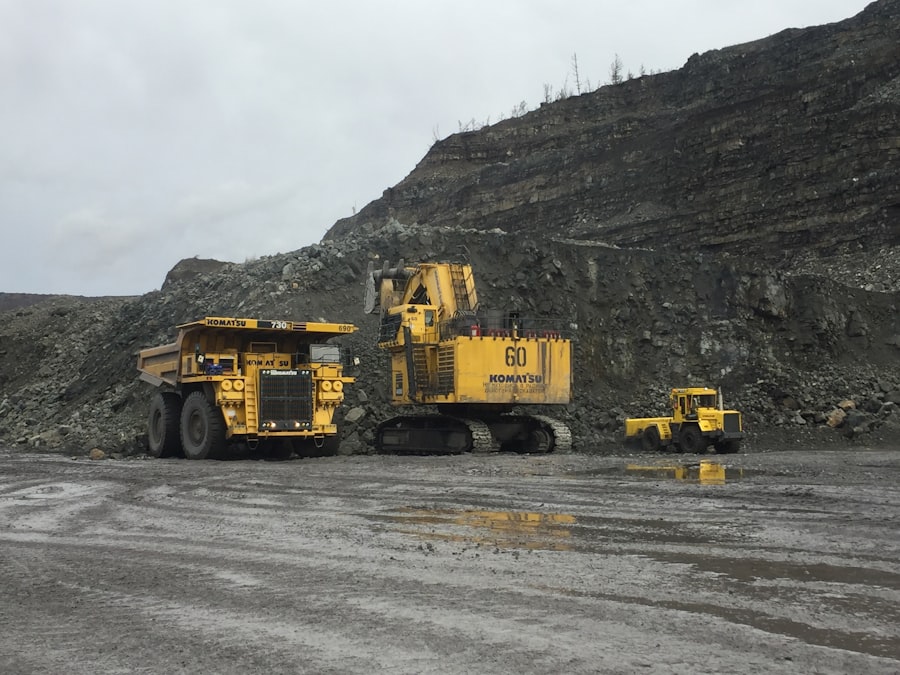
Despite their crucial role, community oversight committees often encounter significant challenges that can impede their effectiveness. Understanding these hurdles is key to developing strategies for strengthening their capacity and influence.
Information Asymmetry and Technical Expertise
Mining operations are inherently complex, involving technical jargon, intricate geological processes, and sophisticated engineering. Committees, particularly those with limited access to specialized knowledge, may struggle to fully comprehend the data and technical reports provided by mining companies. This information asymmetry can be exploited, leading to decisions that are not in the community’s best interest. Bridging this knowledge gap often requires access to independent technical advisors or training programs for committee members. Without it, the committee can feel like a navigator trying to chart a course through fog without a map.
Financial Dependence and Resource Constraints
As mentioned earlier, financial dependence on mining companies is a major threat to independence. Even when some funding is provided, resource constraints can severely limit a committee’s ability to conduct thorough investigations, hire expert consultants, or even convene regular meetings. The financial lifeline can sometimes become a silken cord, subtly binding the committee’s actions. Ensuring dedicated, independent funding streams is paramount for overcoming this challenge.
Political Interference and Influence
Mining is often a significant economic driver for regions and nations, leading to powerful political interests that can seek to influence or undermine oversight committees. Governments may prioritize revenue generation over community concerns, or local political figures might exert pressure on committee members. This can manifest as attempts to stack committees with pro-mining individuals, reduce their powers, or ignore their recommendations. Navigating this political landscape requires resilience and strong ethical grounding.
Lack of Enforcement Power
Community oversight committees often have advisory or recommendatory powers rather than direct enforcement authority. This means that even when they identify serious issues or violations, they may lack the legal teeth to compel mining companies to rectify them. The committee’s findings can feel like a strong warning shouted into a gale, with the potential for the wind to just blow it away. This often necessitates strong partnerships with regulatory bodies that do have enforcement capabilities.
Internal Divisions and Lack of Cohesion
Internal disagreements or divisions within a committee can weaken its collective voice and impact. These divisions can arise from differing community interests, personal rivalries, or external manipulation. Fostering a shared vision, promoting respectful dialogue, and establishing clear decision-making processes are crucial for maintaining committee cohesion and maximizing its efficacy. A united front is a formidable shield.
Success Stories and Best Practices
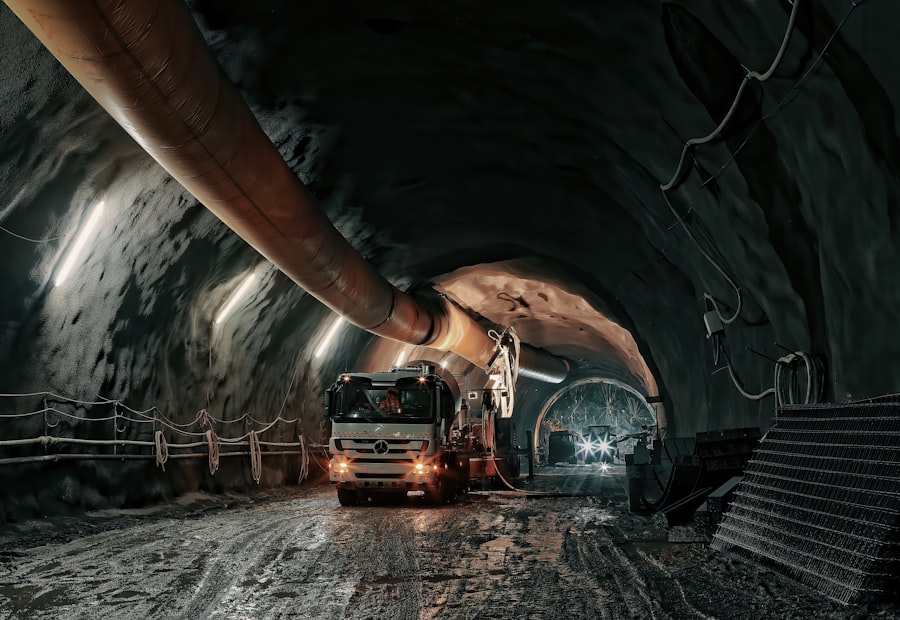
Despite the challenges, numerous examples and emerging best practices demonstrate the potential for effective community oversight in gold mining. Learning from these successes can illuminate pathways for improvement.
Collaborative Partnerships
Successful oversight often stems from a genuine desire for collaboration between mining companies, communities, and government agencies. When companies view oversight committees not as adversaries but as partners in sustainable development, more constructive outcomes are possible. Establishing clear memorandum of understandings (MOUs) that define roles, responsibilities, and dispute resolution mechanisms can lay a strong foundation for such partnerships.
Capacity Building Initiatives
Investing in the capacity of oversight committee members is crucial. This can involve providing training on environmental impact assessment, legal frameworks governing mining, financial analysis, communication skills, and conflict resolution. Empowering committee members with knowledge and skills transforms them from passive observers into active, informed decision-makers.
Independent Monitoring and Auditing
Supplementing internal oversight with independent, third-party monitoring and auditing of environmental and social performance can add significant credibility. These external assessments provide objective evaluations of a mining company’s adherence to regulations and its commitments to the community. This is like having an independent referee in a complex game, ensuring fair play.
Grievance Redressal Mechanisms
Establishing effective and accessible grievance redressal mechanisms is vital. These mechanisms allow community members to raise concerns and complaints without fear of reprisal, ensuring that issues are addressed promptly and fairly. A well-functioning grievance system acts as a pressure valve, releasing tension before it builds to unsustainable levels.
Benefit Sharing Models
Innovative benefit-sharing models, beyond simple employment, can empower communities and foster a sense of ownership. This can include establishing community development funds, co-investment opportunities in local enterprises related to the mine, or preferential procurement policies for local businesses. When communities see tangible benefits beyond surface-level employment, they are more likely to be invested in the long-term success and responsible operation of the mine.
In recent discussions surrounding the impact of gold mining on local communities, the role of community oversight committees has become increasingly significant. These committees serve as a vital bridge between mining companies and residents, ensuring that the voices of the community are heard and their concerns addressed. For further insights into this topic, you can explore a related article that delves into the effectiveness of these committees in promoting transparency and accountability in the mining sector. To read more about this, visit this article.
The Future of Community Oversight in Gold Mining
| Metric | Description | Value | Unit | Notes |
|---|---|---|---|---|
| Number of Committee Members | Total members in the community oversight committee | 12 | persons | Includes local leaders and mining experts |
| Frequency of Meetings | How often the committee meets to review mining activities | Monthly | times per month | Regular meetings ensure ongoing oversight |
| Reported Environmental Incidents | Number of environmental issues reported by the committee | 5 | incidents per year | Includes water contamination and deforestation |
| Community Complaints Received | Number of complaints from local residents about mining operations | 20 | complaints per year | Concerns about noise, dust, and land use |
| Compliance Rate | Percentage of mining operations complying with community guidelines | 85 | % | Based on committee inspections and reports |
| Training Sessions Conducted | Number of training sessions for committee members on mining oversight | 4 | sessions per year | Focus on environmental and social impact monitoring |
| Community Engagement Events | Events held to inform and involve the community in mining oversight | 6 | events per year | Includes workshops and public forums |
The role of community oversight committees in the gold mining sector is likely to become even more critical in the future. As global demand for gold continues and the imperative for responsible resource management grows, the need for robust governance structures that include local voices will intensify.
Evolving Regulatory Frameworks
Governments are increasingly recognizing the importance of community engagement and oversight. This may lead to the formalization of oversight committees within mining legislation, providing them with clearer mandates, greater legal standing, and potentially dedicated funding. Regulatory frameworks will need to adapt to ensure that mining companies are not just meeting minimum legal requirements but are actively contributing to the long-term sustainable development of mining-affected communities.
Technological Advancements in Monitoring
Technological advancements, such as remote sensing, drone technology, and advanced data analytics, offer new possibilities for environmental monitoring. Oversight committees can leverage these tools, often with the support of external experts, to track environmental changes, detect potential issues early, and hold mining companies more accountable. This can empower committees with data that is more objective and harder to contest.
Increased Global Scrutiny
There is growing global pressure from investors, consumers, and international organizations for mining operations to adhere to higher standards of environmental, social, and governance (ESG) performance. Community oversight committees are at the forefront of this scrutiny, providing local validation of a company’s ESG claims. This external pressure can be a powerful lever for improving practices.
The Path Forward: Empowering the Guardians
Ultimately, the success of the community oversight committee in managing gold mining hinges on a collective commitment to transparency, accountability, and shared responsibility. These committees are not adversaries to progress, but rather essential navigators, charting a course for responsible extraction that benefits both present and future generations. By empowering these guardians with the resources, independence, and respect they deserve, communities can transform the potential of gold mining from a source of conflict into a catalyst for sustainable development. The dialogue must continue, the vigilance must remain, and the commitment to shared prosperity must be unwavering.
FAQs
What is a community oversight committee in gold mining?
A community oversight committee in gold mining is a group composed of local community members and stakeholders who monitor and evaluate mining activities to ensure they comply with environmental, social, and safety standards. Their role is to represent community interests and promote responsible mining practices.
Why are community oversight committees important in gold mining?
These committees are important because they provide transparency and accountability in mining operations. They help protect local communities from negative impacts such as environmental degradation, health risks, and social disruption by ensuring mining companies adhere to regulations and commitments.
How are members of a community oversight committee selected?
Members are typically selected from the local community, including representatives from indigenous groups, local government, civil society organizations, and sometimes mining company representatives. Selection processes vary but often involve community consultations or elections to ensure diverse and legitimate representation.
What responsibilities does a community oversight committee have?
The committee is responsible for monitoring mining activities, reviewing environmental and social impact reports, facilitating communication between the mining company and the community, addressing grievances, and advising on best practices to minimize negative effects of mining.
Can community oversight committees influence mining policies?
Yes, community oversight committees can influence mining policies by providing feedback to mining companies and government authorities, advocating for stronger regulations, and participating in decision-making processes related to mining permits, environmental management, and community development initiatives.