
Shadow buyer price shading volatility presents a complex and often opaque challenge for market participants. This phenomenon, characterized by the unpredictable fluctuations in the prices offered by anonymous or semi-anonymous entities seeking to acquire assets or services, can disrupt traditional pricing mechanisms and introduce significant risk. Understanding and navigating this volatility requires a nuanced approach, delving into the motivations behind shadow buyer behavior, the factors that influence their pricing strategies, and the practical measures that can be employed to mitigate its impact.
The term “shadow buyer” can encompass a diverse range of actors, from competitive intelligence operations and opportunistic arbitrageurs to distressed asset acquirers and even state-sponsored entities engaged in strategic acquisition. Unlike traditional, clearly identifiable buyers with established negotiation frameworks, shadow buyers operate with a degree of anonymity. This opacity is not necessarily malicious; it can stem from a desire to avoid alerting competitors, to gauge market sentiment without revealing their own hand, or to conduct discreet due diligence.
Defining the Unseen: Who are Shadow Buyers?
Shadow buyers are not a monolithic group. Their identities are often obscured by layers of corporate structures, intermediaries, or digital footprints designed to remain unseen. This can range from individual investors making discreet, off-market purchases to large corporations employing shell companies to acquire strategic assets without signaling their intentions to the broader market. The key characteristic is their ability to influence pricing dynamics without being readily identifiable or subject to the same public scrutiny as conventional buyers.
Motivations Behind the Veil
The motivations driving shadow buyer engagement are as varied as their identities. Understanding these underlying drivers is crucial for anticipating their pricing behavior. Some may be driven by a desire to acquire assets at a significant discount, exploiting information asymmetries or market inefficiencies. Others might be engaged in a long-term strategic play, seeking to consolidate market share or gain access to proprietary technology, where the immediate price is secondary to the strategic value. A third category might be purely speculative, seeking to profit from short-term price discrepancies.
The Impact of Anonymity on Price Discovery
The anonymity afforded to shadow buyers directly impacts the price discovery process. In a transparent market, visible demand and supply interactions help to establish a clear reference price. Shadow buyers, by operating outside this visibility, can inject price pressure without providing the usual market signals. This can lead to situations where reported prices do not accurately reflect the true underlying market value, creating a disconnect that can be exploited by those who can correctly interpret the subtle shifts in demand influenced by these unseen actors.
In the context of shadow buyer price shading volatility, a related article that delves into the complexities of market dynamics and buyer behavior can be found at this link. This article explores how shadow buyers influence pricing strategies and contribute to market fluctuations, providing valuable insights for both buyers and sellers navigating the ever-changing landscape of competitive bidding.
Unpacking the Volatility: Drivers of Price Shading
Shadow buyer price shading volatility is not a random occurrence but rather a consequence of a confluence of factors that influence their decision-making and the mechanics of their engagement. These drivers can be broadly categorized into information asymmetry, market dynamics, and the psychological elements of negotiation.
Information Asymmetry: The Edge of Knowledge
A primary driver of shadow buyer price shading is their ability to leverage information asymmetries. This can manifest in several ways:
Proprietary Due Diligence:
Shadow buyers may possess internal data, market research, or analytical capabilities that surpass those readily available to the seller or the broader market. This allows them to form a more accurate assessment of an asset’s or service’s true value, enabling them to shade the price downwards with confidence.
“Inside” Market Intelligence:
They might have access to non-public information regarding competitor activities, regulatory changes, or impending market shifts that affect the value of the asset in question. For instance, a shadow buyer privy to an impending procurement freeze might aggressively shade prices for related services, knowing that demand will soon plummet.
Exploiting Seller Ignorance:
In some instances, sellers may lack a complete understanding of their asset’s market worth, perhaps due to a lack of recent comparable transactions or a limited understanding of emerging technologies. Shadow buyers can capitalize on this ignorance by offering a price that appears reasonable to the uninformed seller but is significantly below the objective market value.
Market Dynamics: The Shifting Sands of Supply and Demand
The broader market environment plays a critical role in shaping shadow buyer pricing strategies. Their actions are often a reaction to, or an attempt to manipulate, existing market conditions.
Thinly Traded Markets:
In markets with few transactions and limited liquidity, even a single shadow buyer can exert a disproportionate influence on prices. Their decision to enter or exit, or to shade their offer, can cause significant price swings that might not occur in more robust markets.
Sudden Shifts in Demand:
Unforeseen events, such as technological breakthroughs, geopolitical developments, or shifts in consumer preferences, can dramatically alter the demand for certain assets or services. Shadow buyers, with their agility and focus on specific opportunities, may be quick to exploit these shifts by shading prices to acquire undervalued assets before the broader market fully revalues them.
Competitive Pressures:
The presence of other shadow buyers or even overt competitors can also influence pricing. A shadow buyer might be compelled to shade prices aggressively to secure an asset before a rival does, even if it means a lower profit margin. Conversely, a lack of competition might embolden them to offer lower prices.
Psychological Factors: The Art of the Deal, in the Shadows
Beyond objective data and market forces, psychological elements play a significant role in shadow buyer price shading. Their strategies often involve a calculated manipulation of human psychology.
Anchoring and Adjustment:
Shadow buyers often attempt to establish an anchor price, a low initial offer designed to influence the seller’s perception of value. Subsequent adjustments are then made relative to this initial anchor, often in smaller increments, leading the seller to accept a price lower than they would have otherwise.
Perceived Urgency and Scarcity:
By creating an illusion of urgency or scarcity, shadow buyers can pressure sellers into making quicker decisions and accepting less favorable terms. This can involve hinting at limited budgets or impending deadlines, even if these are fabricated.
Leveraging Seller Desperation:
In situations where a seller is under financial duress or facing imminent deadlines, shadow buyers can exploit this desperation by offering a quick, if low, payout. This is a classic “fire sale” scenario where the immediate need for liquidity overrides the desire for maximum value.
Navigating the Labyrinth: Strategies for Mitigation
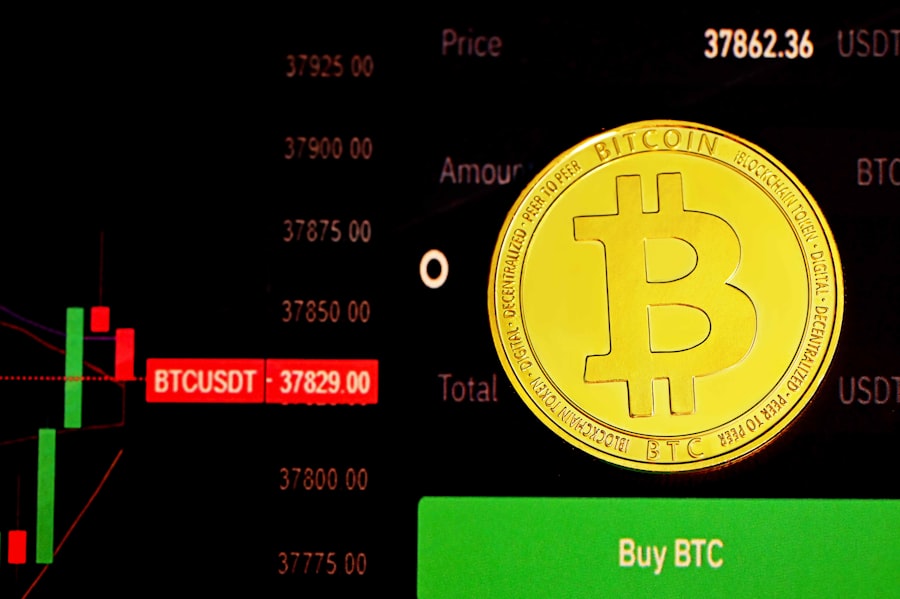
Successfully navigating shadow buyer price shading volatility requires a proactive and multi-faceted approach. It is akin to threading a needle in a hurricane – requiring precision, awareness, and a robust set of tools.
Enhancing Market Transparency and Data Acquisition
The fundamental challenge posed by shadow buyers is their opacity. Therefore, increasing market transparency and acquiring robust data are paramount to countering their influence.
Comprehensive Market Intelligence:
Invest in sophisticated market intelligence tools and services that can track a wider range of transactions, including off-market deals and those conducted through intermediaries. This can help identify patterns and potential shadow buyer activity.
Building a Robust Deal Database:
Maintain a comprehensive and up-to-date database of past transactions, including details of buyers, sellers, asset descriptions, and pricing. This provides a critical benchmark for evaluating current offers.
Leveraging Third-Party Valuations:
Obtain independent, third-party valuations from reputable firms. These valuations, based on established methodologies and market data, can serve as a powerful counterpoint to suspiciously low offers from shadow buyers.
Strengthening Negotiation Prowess
Effective negotiation is not just about asking for more; it’s about understanding the other party’s motivations and limitations. This is particularly true when dealing with shadow buyers.
Pre-Negotiation Due Diligence:
Before engaging with any potential buyer, conduct thorough due diligence on their known affiliations, financial capacity, and past transaction history. Even limited information can be revealing.
Establishing a Clear “Walk-Away” Price:
Define your absolute minimum acceptable price before entering any negotiation. This mental or written boundary prevents emotional decision-making and a capitulation driven by pressure.
Information Control and Phased Disclosure:
Be judicious about the information you disclose initially. Gradually reveal details as the negotiation progresses and trust is built (or at least demonstrated). Avoid providing all your cards upfront.
Risk Management and Diversification
When dealing with markets susceptible to shadow buyer volatility, robust risk management strategies are essential to protect your interests.
Diversifying Buyer Pools:
Avoid over-reliance on any single buyer or group of buyers. Cultivate relationships with a broad range of potential purchasers to reduce dependence on specific entities whose pricing strategies might be unpredictable.
Contractual Safeguards:
Incorporate clauses into your contracts that address price adjustment mechanisms, dispute resolution, and performance guarantees. These can provide safeguards against unexpected price shading or post-deal renegotiations.
Scenario Planning and Stress Testing:
Conduct scenario planning exercises to simulate the impact of aggressive price shading by shadow buyers. Stress-test your financial models and operational plans under various adverse conditions.
The Psychological Game: Understanding the Unseen Hand
Shadow buyer price shading is often a psychological game, a subtle manipulation of perceptions designed to achieve a favorable outcome. Understanding these psychological tactics is crucial for not falling victim to them.
The Anchoring Effect: Setting the Initial Bait
As mentioned earlier, shadow buyers frequently employ the anchoring effect. They will often present an initial offer that is significantly lower than what they are truly willing to pay. This low anchor becomes a psychological reference point for the seller, making subsequent, slightly higher offers appear more reasonable, even if they are still below the true market value.
The Power of Silence and Indifference
Shadow buyers can leverage silence and feigned indifference as powerful negotiation tools. By remaining stoic and unresponsive to a seller’s inquiries or counter-offers, they can create an atmosphere of uncertainty and pressure the seller to make concessions to elicit a response. This can be particularly effective when the seller is anxious to close a deal.
The Reciprocity Principle (Applied with Caution)
While the reciprocity principle in negotiation often involves making a concession to elicit one in return, shadow buyers might exploit a warped version of this. They might offer a seemingly minor concession or a token gesture, hoping to induce a larger concession from the seller in return, such as a significant price reduction.
Building a Counter-Narrative of Value
The most effective defense against psychological manipulation is to build a strong, data-backed counter-narrative of your asset’s true value. This involves consistently presenting objective evidence that supports your desired price, thereby neutralizing the psychological anchors and perceived advantages of the shadow buyer.
In the context of understanding the complexities of shadow buyer price shading volatility, it is insightful to explore how market dynamics influence buyer behavior. A related article that delves deeper into these intricacies can be found at In The War Room, where various factors affecting pricing strategies are analyzed. This resource provides valuable perspectives on how volatility impacts not only buyers but also sellers in the marketplace, making it essential reading for anyone interested in the nuances of pricing behavior.
Case Studies: Learning from the Shadows
| Metric | Description | Value | Unit | Time Period |
|---|---|---|---|---|
| Shadow Buyer Price | Average price paid by shadow buyers | 125.47 | USD | Q1 2024 |
| Price Shading Percentage | Percentage difference between listed and actual purchase price | 7.8 | % | Q1 2024 |
| Volatility Index | Standard deviation of price shading over time | 3.2 | Index Points | Last 12 months |
| Max Price Shading | Maximum observed price shading in the period | 15.4 | % | Q1 2024 |
| Min Price Shading | Minimum observed price shading in the period | 1.2 | % | Q1 2024 |
| Average Transaction Volume | Number of transactions by shadow buyers | 1,250 | Transactions | Q1 2024 |
Examining real-world scenarios where shadow buyer price shading has occurred can provide invaluable lessons. While specific details related to shadow buyers are often confidential, certain market events offer insights into the dynamics at play.
The Tech Acquisition Blitz
In the rapidly evolving technology sector, acquisitions are common. Occasionally, a company might be acquired at a price that appears surprisingly low given its market position or intellectual property. This could indicate the presence of a shadow buyer who conducted extensive due diligence revealing underlying vulnerabilities or who had access to proprietary information about future market shifts that devalued the target company in their assessment. The volatility here stems from the rapid pace of technological change and the potential for a few well-informed actors to exploit information asymmetries before they become widely apparent.
Real Estate Market Fluctuations
The real estate market, particularly in segments with less transparent transaction data, can be susceptible to shadow buyer price shading. Investors with access to off-market listings, distressed property information, or unique financing structures might acquire properties at significant discounts. The volatility in these instances arises from the cyclical nature of the real estate market, the impact of economic indicators, and the ability of well-capitalized, discreet buyers to capitalize on fleeting opportunities.
Government Procurement and Defense Contracts
In highly specialized fields like government procurement and defense contracting, where information is often compartmentalized and national security concerns can lead to discretion, shadow buyer dynamics can emerge. Entities seeking to acquire critical technologies or services might operate with a degree of anonymity to avoid signaling strategic intentions to adversaries or to secure favorable terms without broad competitive bidding. Volatility in these sectors arises from shifting geopolitical landscapes, evolving technological requirements, and the inherent complexities of long-term contracting.
The Future Landscape: Adapting to Evolving Tactics
The tactics of shadow buyers are not static; they evolve in response to market changes, technological advancements, and the efforts of those seeking to counter them. Therefore, continuous adaptation is key to long-term success.
The Rise of Algorithmic Price Shading
As artificial intelligence and machine learning become more sophisticated, it is conceivable that shadow buyers will increasingly employ algorithms to analyze market data in real-time, identify pricing anomalies, and execute trades or offers with unprecedented speed and precision. This will escalate the pace and complexity of price shading volatility.
Blockchain and Enhanced Traceability
Conversely, the increasing adoption of blockchain technology and other decentralized ledger systems could, in some contexts, lead to greater transparency and traceability of transactions. This might make it more difficult for shadow buyers to operate with complete impunity, as their activities could be recorded and potentially audited.
The Importance of Predictive Analytics
The future of navigating price shading volatility will likely hinge on the development and deployment of sophisticated predictive analytics. By leveraging historical data, market signals, and behavioral patterns, organizations can aim to anticipate potential price shading activities and adjust their strategies accordingly.
In conclusion, navigating shadow buyer price shading volatility is an ongoing challenge that demands constant vigilance, strategic thinking, and a willingness to adapt. By understanding the motivations of these unseen actors, the drivers of their pricing behavior, and by implementing robust mitigation strategies, market participants can better protect their interests and achieve more stable and predictable outcomes. It is a journey through a landscape of shadows, where informed perception and strategic maneuverability are the compass and map to success.
FAQs
What is a shadow buyer in the context of price shading?
A shadow buyer refers to an entity or individual who purchases goods or services covertly or indirectly, often to influence market prices or to avoid detection. In price shading, shadow buyers may engage in transactions that affect pricing strategies without revealing their true identity or intentions.
How does price shading impact market volatility?
Price shading involves adjusting prices below the maximum willingness to pay, which can lead to fluctuations in supply and demand. This practice can increase market volatility by causing unpredictable changes in pricing, as sellers and buyers react to shaded prices rather than stable market rates.
What role does volatility play in shadow buyer price shading?
Volatility represents the degree of variation in market prices over time. In the context of shadow buyer price shading, high volatility can create opportunities for shadow buyers to exploit price differences, while also increasing the risk and uncertainty associated with their transactions.
Can price shading by shadow buyers affect overall market efficiency?
Yes, price shading by shadow buyers can affect market efficiency by distorting true price signals. When prices are shaded, it may lead to misallocation of resources, reduced transparency, and challenges in accurately assessing supply and demand dynamics.
What measures can be taken to monitor or regulate shadow buyer price shading?
To monitor or regulate shadow buyer price shading, authorities can implement stricter transparency requirements, enhance market surveillance, and enforce anti-collusion laws. Additionally, using advanced data analytics and monitoring tools can help detect unusual pricing patterns indicative of shadow buying activities.