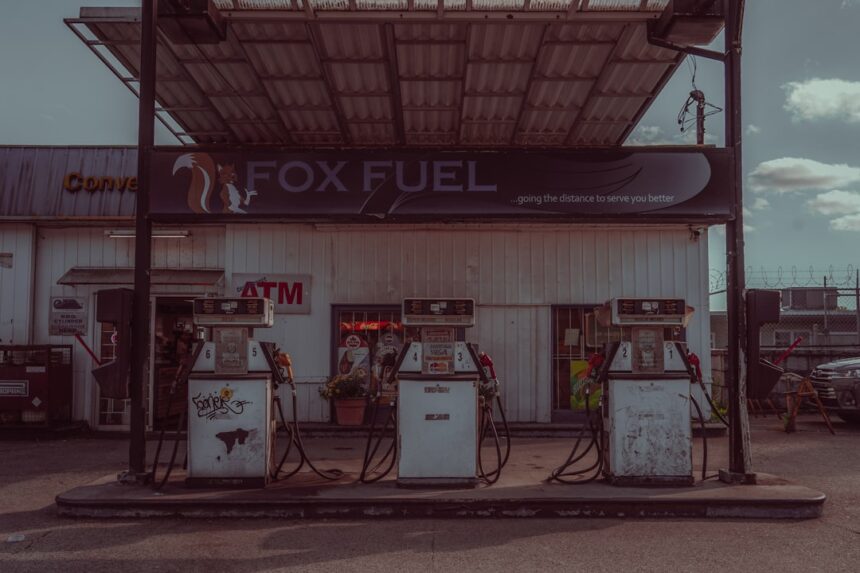
The village of Djenne-Djenno, nestled within the vast and sun-baked Sahel region, found its rhythm irrevocably altered by the sudden and severe rationing of diesel fuel. This seemingly abstract policy, enacted at a national level to address dwindling foreign reserves and fluctuating global oil prices, cast a long shadow over the daily existence of its inhabitants. For a community whose lifeblood flowed from the diesel engine – powering irrigation pumps, transport, and the generators that hummed to life after sundown – its scarcity became a tangible crisis, a tightening noose around their established routines.
The lifeline of Djenne-Djenno, like many Sahelian communities, is agriculture. The village is predominantly agrarian, with subsistence farming forming the bedrock of its economy and food security. The introduction of diesel-powered irrigation pumps in recent decades had been a transformative development, allowing for more consistent and bountiful harvests in a region perpetually battling drought and unpredictable rainfall. However, this reliance became a double-edged sword when diesel became a luxury.
The Parched Fields: Reduced Irrigation and Decreased Yields
Before the rationing, farmers could reasonably expect to power their irrigation systems for a set number of hours each day, ensuring their crops, primarily millet, sorghum, and a variety of vegetables, received adequate water. The rationing, however, meant that fuel was allocated in limited quantities, often insufficient to maintain optimal watering schedules. This led to the agonizing decision of prioritizing certain plots, leaving others to wither under the relentless sun. The impact was stark: yields plummeted. Fields that once promised a solid harvest now showed patches of stunted growth, a visual testament to the fuel’s absence. This reduction in produce directly translated to less food available for consumption and for sale in the local market. The proverb “a hungry belly has no ears to hear reason” resonated deeply as the specter of food insecurity loomed larger.
The Cost of Water: Increased Labor and Shifting Practices
For those who could still access some diesel, the cost became prohibitive. The market price of diesel, already a significant expense, surged as demand outstripped the meager supply. This forced many farmers to either drastically reduce their irrigated area or revert to traditional, more labor-intensive methods of water management. Fetching water from boreholes or the dwindling river by hand, using buckets and donkeys, became a daily ritual for more villagers. This strenuous physical exertion consumed valuable time and energy, diverting it from other crucial agricultural tasks such as weeding, pest control, and harvesting. The return to such manual labor was like rediscovering an ancient, forgotten language, one that demanded greater strength and endurance than the modern, mechanized one had accustomed them to.
The Mechanized Halt: Tractors and Threshers Idle
Beyond irrigation, diesel was essential for powering tractors that tilled larger fields and threshing machines that separated grain from chaff. With the scarcity of fuel, these vital pieces of equipment were often left idle, their metal carcasses rusting under the sun. This meant that land preparation took longer, manual plowing became more prevalent, and the time-consuming process of threshing by hand had to be undertaken. The efficiency gains that mechanization had brought were erased, pushing the agricultural cycle back to a more rudimentary and less productive era. This disruption wasn’t just about the physical labor; it was about the loss of an entire layer of efficiency that had allowed for a more robust agricultural output.
The recent implementation of diesel rationing in Sahel villages has sparked significant discussions about its impact on local economies and daily life. A related article that delves deeper into this issue can be found at In The War Room, where experts analyze the ramifications of fuel shortages on agriculture, transportation, and overall community resilience. This examination highlights the challenges faced by residents as they navigate the complexities of limited resources in a region already burdened by various socio-economic issues.
Transportation’s Gridlock: Connecting to the Outside World
The impact of diesel rationing extended far beyond the fields, creating a significant bottleneck in the movement of people and goods within and outside the village. Transportation, a critical artery for economic activity and social connection, began to sputter and stall.
The Empty Roads: Reduced Commuting and Market Access
Djenne-Djenno, like many Sahelian villages, is not an isolated island. Its inhabitants rely on diesel-powered vehicles – motorcycles, bicycles with auxiliary engines, and small trucks – to travel to neighboring towns for supplies, to sell their surplus produce, and to access essential services like healthcare and education. The rationing meant that fewer vehicles were on the road. Journeys that were once routine became rare, expensive excursions. This severely limited market access, making it difficult for farmers to sell their goods and for villagers to purchase goods they couldn’t produce themselves. The roads, typically alive with the hum of engines, became eerily quiet, like veins slowly being starved of their vital flow.
The Higher Price of Provisions: Supply Chain Disruptions
The scarcity of diesel directly impacted the supply chain for goods entering Djenne-Djenno. Transport trucks, unable to secure sufficient fuel, either reduced their frequency of deliveries or passed on the increased operating costs to consumers. This resulted in a noticeable spike in the prices of basic commodities like cooking oil, rice, sugar, and manufactured goods. Items that were once affordable staples now became luxuries, making it even harder for families to meet their basic needs. The ripple effect of the diesel shortage was felt in every household budget.
The Social Disconnect: Limited Mobility and Increased Isolation
The rationing also had a profound social impact. Families relying on infrequent transport to visit relatives in other villages found themselves increasingly isolated. The ability to move freely, a fundamental aspect of social cohesion and community ties, was significantly curtailed. This also affected access to education and healthcare. Students in Djenne-Djenno who attended schools in larger towns faced disruptions, and the timely transport of sick individuals to distant clinics became a perilous challenge. The social fabric, woven with the threads of movement and connection, began to fray at the edges.
Powering Progress: Electricity and Evening Life

For many in Djenne-Djenno, diesel generators were the sole source of electricity, particularly in the evenings. This power was not merely a convenience; it was a crucial element in modernizing daily life, supporting small businesses, and providing a sense of security after dark. The rationing cast a long shadow over the village square after sunset.
The Dimming Lights: Reduced Generator Use and Extended Darkness
The cost and scarcity of diesel meant that generator usage was drastically reduced. Previously, generators would hum for several hours each evening, powering homes, small shops, and communal spaces. Now, many generators sat silent, their fuel tanks dry. This plunged many parts of the village into darkness much earlier in the evening. The familiar glow of lamps and the hum of radios were replaced by the soft flicker of candles and the sounds of the natural world. This wasn’t just an aesthetic change; it represented a step backward in terms of habitability and productivity.
The Frozen Businesses: Impact on Small Enterprises
Small businesses that relied on electricity, such as mobile phone charging stations, small tailoring shops, and food vendors operating in the evenings, suffered immensely. Without reliable power, their operating hours were severely curtailed or eliminated entirely. This threatened their livelihoods and contributed to a general slowdown in local economic activity. The entrepreneurship that had begun to blossom in Djenne-Djenno was being choked by the lack of a fundamental resource. It was akin to trying to grow delicate flowers in a barren desert.
The Evening’s New Rhythms: Shift to Traditional Practices
The extended darkness forced a return to more traditional evening routines. Families gathered in dimly lit courtyards, telling stories and engaging in conversation. Children, with fewer distractions from electronic devices, spent more time playing traditional games. While this offered a romanticized sense of returning to simpler times, it also highlighted the loss of opportunities for learning and entertainment that electricity had provided. The evenings, once filled with the potential of modern conveniences, reverted to the ancient rhythm of the stars and the moon.
Water Pumping and Sanitation: A Growing Health Concern

Access to clean water and effective sanitation are fundamental pillars of public health. In Djenne-Djenno, diesel pumps played a vital role in both these areas, and their diminished functionality due to rationing began to raise serious health concerns.
The Slow Trickle: Reduced Pumping for Domestic Use
While some households relied on manual wells, many in Djenne-Djenno depended on diesel pumps to draw water from deeper boreholes for domestic use. The rationing meant these pumps operated for shorter periods, or intermittently, leading to a reduced supply of water in many homes. This forced villagers to ration their water consumption, impacting hygiene practices such as handwashing and dishwashing. The daily struggle for clean water became more pronounced.
The Growing Strain on Sanitation: Impact on Waste Management
The rationing also affected the operation of diesel-powered pumps used in some rudimentary sanitation systems. A reduced water supply could indirectly impact the flushing capacity of toilets, potentially leading to increased risks of waterborne diseases. In areas where waste disposal was managed through pumping systems, their reduced functionality could exacerbate existing sanitation challenges. This created a breeding ground for illness, a silent enemy lurking in the shadows of reduced infrastructure.
The Health Repercussions: Increased Vulnerability to Disease
The combined effects of reduced water availability for hygiene and potential issues with sanitation created a greater vulnerability to waterborne diseases like cholera and diarrhea, particularly among children. Without adequate clean water and with compromised sanitation, the risk of outbreaks increased. The lack of fuel, therefore, was not just an economic or logistical issue; it was a direct threat to the health and well-being of the entire community. The weakened body of the village was more susceptible to the invaders of disease.
In the context of diesel rationing in the Sahel, a recent article discusses the significant impact this policy has on local communities, particularly in terms of transportation and agricultural productivity. The challenges faced by villagers are compounded by limited access to resources, which can hinder their ability to sustain livelihoods. For a deeper understanding of these issues, you can read more in this insightful piece found here.
The Economic and Social Fabric: A Community Under Strain
| Metric | Before Diesel Rationing | After Diesel Rationing | Impact Description |
|---|---|---|---|
| Average Daily Diesel Consumption (liters) | 150 | 75 | 50% reduction in diesel availability |
| Number of Operational Water Pumps | 10 | 4 | 60% decrease due to fuel shortage |
| Crop Irrigated Area (hectares) | 200 | 120 | 40% reduction in irrigated farmland |
| Household Access to Clean Water (%) | 85 | 50 | Significant decline in water access |
| Local Transportation Availability (trips/day) | 30 | 10 | Reduced mobility impacting trade and access |
| Average Daily Income per Household | 15 | 8 | Income dropped due to reduced agricultural output |
| Incidence of Waterborne Diseases (cases/month) | 5 | 12 | Increase linked to reduced water quality and access |
The cumulative effects of diesel rationing placed an immense strain on the economic and social fabric of Djenne-Djenno. The community, which had been making steady progress in improving living standards, found itself grappling with setbacks on multiple fronts.
The Vanishing Surplus: Reduced Agricultural Income
The decline in agricultural yields meant that fewer farmers had surplus produce to sell. This reduced their income, impacting their ability to purchase necessities, invest in their farms for the next season, or save for future needs. For many, the specter of debt became a stark reality as they struggled to meet their financial obligations. The economic engine of the village, powered by the fruits of their labor, began to sputter.
The Widening Inequality: Disproportionate Impact on Vulnerable Groups
The rationing disproportionately affected the most vulnerable members of the community. Those who relied on daily wages from agricultural work found their opportunities diminished. Elderly individuals and those with pre-existing health conditions, who depended on accessible transportation for medical care, faced greater hardship. The social safety net, already stretched thin, began to tear under the increased pressure. The chasm between the few who could still afford fuel and the majority who could not began to widen.
The Resilience and Adaptation: Looking for Solutions
Despite the immense challenges, the people of Djenne-Djenno demonstrated remarkable resilience and a capacity for adaptation. Villagers began to explore alternative energy sources, such as solar power for irrigation and lighting, although these often required significant upfront investment. They fostered a stronger sense of community, sharing resources and labor. Local initiatives, such as communal food storage and water sharing programs, were strengthened. However, these adaptive measures, while commendable, could not fully compensate for the loss of a critical resource that had become so deeply integrated into the village’s life. The community, like a resilient tree, bent under the storm but did not break, seeking new ways to draw sustenance from the earth.
In conclusion, the diesel rationing in Djenne-Djenno was not an isolated incident but a stark illustration of the interconnectedness of global economic factors and the realities of daily life in remote communities. The absence of this seemingly simple fuel sent ripples through every aspect of village existence, from the sustenance drawn from the earth to the connections forged with the outside world, and the very rhythm of life after sunset. The experience served as a potent reminder of the fragility of progress and the enduring importance of reliable access to essential resources.
FAQs
What is diesel rationing in the context of Sahel villages?
Diesel rationing in Sahel villages refers to the controlled distribution and limitation of diesel fuel supply to manage scarcity, reduce costs, or address environmental concerns in these communities.
Why is diesel rationing implemented in Sahel villages?
Diesel rationing is often implemented due to fuel shortages, rising costs, logistical challenges, or efforts to promote sustainable energy use and reduce environmental impact in the Sahel region.
How does diesel rationing affect daily life in Sahel villages?
Diesel rationing can impact transportation, agriculture, and electricity generation, leading to reduced mobility, lower agricultural productivity, and limited access to power for households and businesses.
What are the economic impacts of diesel rationing on Sahel villages?
Economically, diesel rationing may increase operational costs for farmers and traders, reduce income opportunities, and potentially slow down local economic activities dependent on diesel-powered machinery and vehicles.
Are there any alternatives to diesel fuel being used in Sahel villages?
Yes, some Sahel villages are exploring alternatives such as solar energy, biofuels, and improved energy efficiency measures to reduce reliance on diesel and enhance energy security.