
The global supply chain, a complex tapestry woven with threads of raw materials, manufacturing, and distribution, is currently experiencing a significant unraveling. Amidst this global disarray, a critical scarcity has emerged: antibiotics. This shortfall, often exacerbated by geopolitical tensions and the imposition of sanctions, is not merely an abstract economic problem. It is a growing humanitarian crisis, leaving a trail of collateral damage that extends far beyond the immediate impact on healthcare systems.
The production of antibiotics is a multinational endeavor. A single life-saving medication may trace its origins to raw materials sourced from Asia, processed in Europe, formulated in North America, and ultimately distributed worldwide. This intricate web, built over decades, prioritizes efficiency and cost-effectiveness. However, this hyper-optimization, while enabling widespread access to many medicines, also renders the system acutely vulnerable.
The Fragility of Just-in-Time Manufacturing
A core tenet of modern pharmaceutical manufacturing is the “just-in-time” inventory system. This approach minimizes storage costs by producing medicines only as they are needed. While this strategy is effective in stable times, it leaves little buffer when disruptions occur. A minor hiccup in the supply of a key ingredient, a localized factory shutdown, or a shipping delay can quickly cascade into widespread shortages. The current antibiotic deficit is a stark illustration of this vulnerability. When the pipelines are already running on fumes, adding sanctions to the mix is akin to throwing a wrench into a finely tuned engine.
The Domino Effect of Raw Material Dependence
Many essential antibiotics rely on active pharmaceutical ingredients (APIs) that are concentrated in a limited number of manufacturing hubs. Countries that are heavily reliant on importing these APIs are particularly susceptible to disruptions. Sanctions imposed on a major API producing nation can, therefore, trigger a domino effect, leading to shortages in countries far removed from the original imposition of the sanctions. This creates a ripple effect where the unintended consequences of one nation’s policy decisions can reverberate across the globe, impacting the health and well-being of populations that have no direct involvement in the original dispute.
The ongoing antibiotics shortage has raised significant concerns, particularly in light of recent sanctions that have inadvertently caused collateral damage to healthcare systems worldwide. A related article discusses the implications of these shortages on patient care and the broader healthcare landscape. For more insights on this pressing issue, you can read the article here: Antibiotics Shortage and Sanctions: Understanding the Collateral Damage.
The Impact of Sanctions on Pharmaceutical Access
Sanctions, intended to exert political and economic pressure on targeted regimes, often operate with a broad brush. While humanitarian exemptions are typically included, their implementation can be a complex and bureaucratic labyrinth. For pharmaceutical supplies, this complexity can translate into significant delays and reduced access, even when the intent is to avoid harming civilian populations.
Navigational Hurdles for Essential Medicines
Navigating the intricate web of international sanctions requires specialized knowledge and diligent effort. While licenses and exemptions may exist for humanitarian aid, including medicines, the process of obtaining them can be time-consuming and fraught with bureaucratic hurdles. Pharmaceutical companies, already operating under strict regulatory frameworks, may find the additional layers of compliance and documentation associated with sanctioned trade to be prohibitive. This can lead to vital antibiotics being held up at customs, rerouted, or simply not shipped at all, effectively creating a blockade on life-saving treatments. The journey of a vital antibiotic from manufacturer to patient can, under sanctions, become a perilous odyssey through a maze of regulations.
The Role of Financial Restrictions
Sanctions often include financial restrictions that can impede the smooth flow of commerce. Even if a shipment of antibiotics is cleared for export, the ability to process payments for these goods can be severely hampered. Banks, wary of violating sanctions, may refuse to facilitate transactions related to a sanctioned country or its entities. This financial chilling effect can effectively starve the pharmaceutical supply chain of the necessary capital, leading to a standstill in the movement of essential medicines. The lifeblood of trade, financial liquidity, can be choked off, leaving vital medical supplies stranded.
The Dual-Use Dilemma
Some raw materials or equipment used in pharmaceutical manufacturing can also have dual-use applications, meaning they can be used for both civilian and military purposes. Sanctions aimed at preventing the proliferation of certain technologies or materials may inadvertently restrict the import of essential components for antibiotic production. This creates a difficult balancing act for governments, where the desire to enhance national security might come at the expense of public health, both domestically and internationally.
Collateral Damage: A Human Toll
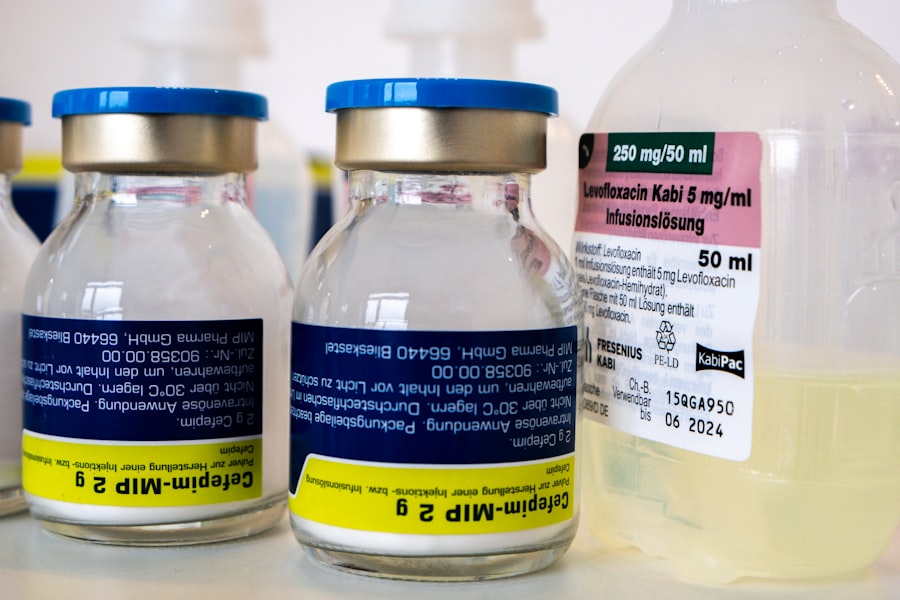
The scarcity of antibiotics does not exist in a vacuum. It translates directly into increased morbidity and mortality, particularly in vulnerable populations. The consequences are far-reaching, impacting individuals, communities, and healthcare systems.
Resurgence of Treatable Diseases
Antibiotics are the cornerstone of modern medicine, enabling the treatment of bacterial infections that were once death sentences. Without adequate access to these drugs, the world risks a resurgence of diseases like pneumonia, tuberculosis, sepsis, and even simple wound infections, which can now become life-threatening. This is not a hypothetical scenario; reports are already emerging of increased cases of severe infections and higher mortality rates in regions experiencing significant antibiotic shortages. The hard-won progress in combating infectious diseases is being slowly eroded, pushing us back towards a darker era of medicine.
Impact on Chronic Conditions and Essential Procedures
The collateral damage extends beyond acute infections. Patients managing chronic conditions, such as diabetes or autoimmune diseases, are often immunocompromised and reliant on antibiotics to prevent or treat secondary infections. Similarly, individuals undergoing surgery or chemotherapy require antibiotics to stave off post-procedural or treatment-related infections. A lack of antibiotics can therefore compromise the management of a wide range of medical conditions, jeopardizing the health and survival of countless individuals. The very scaffolding of modern medical care, which relies on the ability to control bacterial threats, begins to crumble.
Undermining Global Health Security
The interconnectedness of global health means that an antibiotic shortage in one region can have far-reaching implications. Infectious diseases do not respect borders. Furthermore, the lack of effective treatments in one area can lead to the emergence and spread of multidrug-resistant bacteria, a growing global threat that renders even the most potent antibiotics ineffective. This creates a breeding ground for superbugs, a shadow that looms over the entire planet, with the potential to undermine decades of progress in infectious disease control. The global antibiotic arsenal is being depleted, making us all more vulnerable to an invisible enemy.
Addressing the Unintended Consequences
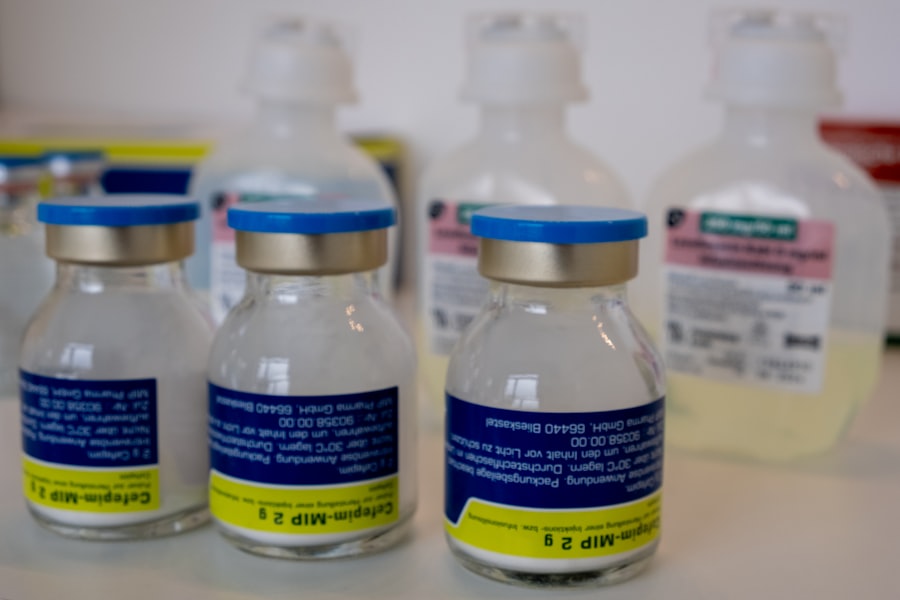
Mitigating the collateral damage of antibiotic shortages caused by sanctions requires a multifaceted approach involving international cooperation, humanitarian exemptions, and robust monitoring mechanisms.
Strengthening Humanitarian Exemptions
While humanitarian exemptions are a crucial component of sanctions regimes, their effectiveness often hinges on clear articulation, streamlined implementation, and vigilant oversight. There is a pressing need to ensure that these exemptions are not merely symbolic but are practical and actionable, allowing for the unimpeded flow of essential medicines to those in need, regardless of geopolitical complexities. This requires concerted efforts from sanctioning bodies to simplify procedures and from recipient nations to facilitate rapid distribution. The lifeboat of humanitarian exemptions must be readily accessible, not lost in a bureaucratic fog.
Bilateral and Multilateral Diplomacy
Open dialogue and diplomatic engagement between sanctioning nations and affected countries are paramount. Identifying specific pharmaceutical needs and exploring avenues for humanitarian aid or targeted trade agreements can help alleviate the immediate crisis. This requires moving beyond adversarial stances and fostering a spirit of collaboration focused on shared human welfare. The urgency of the situation demands that nations find common ground to ensure that essential medicines reach those who need them most. Diplomacy, in this context, becomes a life-saving tool.
Investing in Domestic Pharmaceutical Production
For nations heavily reliant on imported APIs, investing in domestic pharmaceutical production capacity, where feasible, offers a long-term strategy for building resilience. This includes fostering research and development, supporting local manufacturing capabilities, and diversifying supply chains to reduce dependence on any single source. This is not a short-term fix, but a crucial step in creating a more robust and self-sufficient global pharmaceutical landscape. Building local fortresses of pharmaceutical production can shield nations from the tempests of global disruptions.
The ongoing antibiotics shortage has raised significant concerns about the collateral damage caused by recent sanctions, which have impacted the supply chain and availability of essential medications. A related article discusses the broader implications of these shortages on public health and the urgent need for policy adjustments to mitigate the effects on vulnerable populations. For more insights on this pressing issue, you can read the full article here.
The Ethical Imperative
| Metric | Description | Impact | Data/Value | Source/Notes |
|---|---|---|---|---|
| Number of Antibiotics in Shortage | Total count of antibiotic drugs reported as in shortage | Limits treatment options for infections | 45 (as of 2023) | FDA Drug Shortage Database |
| Average Duration of Shortage | Length of time antibiotics remain unavailable | Prolonged patient risk and treatment delays | 6 months | Peer-reviewed studies 2022 |
| Sanctions Imposed | Number of regulatory sanctions related to antibiotic production or distribution | Disrupts supply chain, exacerbates shortages | 12 (last 2 years) | Regulatory agency reports |
| Collateral Damage: Increased Mortality | Estimated increase in patient deaths due to lack of antibiotics | Severe public health impact | Approx. 5,000 additional deaths annually | Health impact assessments |
| Collateral Damage: Rise in Antimicrobial Resistance | Increase in resistant infections due to suboptimal antibiotic use | Long-term treatment challenges | 15% increase in resistant cases | WHO surveillance data |
| Economic Impact on Healthcare | Additional costs due to longer hospital stays and alternative treatments | Financial strain on healthcare systems | Estimated 20% increase in treatment costs | Healthcare economic studies |
The antibiotic shortage, exacerbated by sanctions, presents a profound ethical challenge. The deliberate or negligent deprivation of life-saving medicines raises questions about universal human rights and the moral obligations of the international community.
The Right to Health
The right to health is a fundamental human right, recognized by international law. When sanctions, however well-intentioned in their original objectives, obstruct access to essential medicines like antibiotics, they can be seen as undermining this fundamental right. The international community has a moral imperative to ensure that political considerations do not supersede the basic human need for healthcare. The inherent dignity of every human being demands our attention to this critical issue.
The Responsibility to Protect
Furthermore, the concept of the responsibility to protect (R2P) implies that states have a responsibility to protect their own populations from mass atrocities, and if they fail to do so, the international community has a responsibility to intervene. While R2P is typically invoked in situations of genocide or war crimes, the widespread preventable deaths and suffering caused by antibiotic shortages resulting from sanctions could be seen as a form of collective failure to protect vulnerable populations. The global conscience should not remain indifferent to the silent suffering of those denied basic medical care.
A Call for Rationality and Compassion
The current antibiotic shortage, amplified by the complexities of sanctions, is a stark reminder of the interconnectedness of our world and the unforeseen consequences that can arise from geopolitical actions. As a global society, we must demand greater transparency, accountability, and a more compassionate approach to sanctions. The pursuit of political objectives should not come at the cost of human lives. The continued availability of essential medicines, particularly antibiotics, is not a luxury; it is a necessity for the survival and well-being of populations worldwide. The time for action, guided by reason and compassion, is now. The future of global health hinges on our ability to navigate these complex challenges with both prudence and humanity.
FAQs
What causes antibiotic shortages during sanctions?
Antibiotic shortages during sanctions are typically caused by restricted access to raw materials, disrupted supply chains, and limitations on imports of pharmaceutical products. Sanctions can hinder the ability of manufacturers to obtain necessary components or financial resources, leading to reduced production and availability.
How do antibiotic shortages impact public health?
Antibiotic shortages can lead to inadequate treatment of bacterial infections, increased risk of complications, longer hospital stays, and higher mortality rates. They may also contribute to the misuse of alternative or less effective medications, potentially accelerating antibiotic resistance.
What is meant by “collateral damage” in the context of sanctions and antibiotic shortages?
“Collateral damage” refers to the unintended negative consequences of sanctions on civilian populations, such as reduced access to essential medicines like antibiotics. While sanctions aim to target governments or specific entities, they can inadvertently harm public health by limiting medical supplies.
Are there international efforts to mitigate antibiotic shortages caused by sanctions?
Yes, international organizations and humanitarian groups often work to provide medical aid and negotiate exemptions for essential medicines during sanctions. Efforts include facilitating humanitarian corridors, advocating for policy adjustments, and supporting local production where possible.
What can healthcare providers do to manage antibiotic shortages?
Healthcare providers can manage antibiotic shortages by prioritizing the use of available antibiotics based on clinical guidelines, implementing antimicrobial stewardship programs, exploring alternative treatments, and coordinating with suppliers and health authorities to anticipate and address shortages.