The ceaseless march of innovation has profoundly reshaped the maritime domain, transforming naval vessels from lumbering titans of brute force into sophisticated, multi-faceted instruments of national power. The advancements in naval technology over recent decades have been nothing short of revolutionary, offering a glimpse into a future where the ocean remains a critical strategic frontier, but one navigated with unprecedented precision, resilience, and intelligence. As we delve into these developments, it becomes clear that the modern navy is not merely a collection of ships, but a dynamic ecosystem of interconnected systems, each contributing to a greater whole. It is this intricate ballet of technology that secures sea lanes, projects power, and provides a silent, ever-present deterrent.
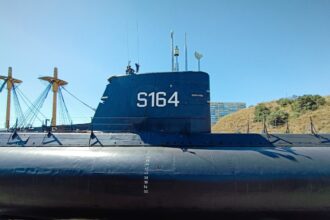
Submarines, once the crude yet effective harbingers of doom, have been meticulously refined into highly advanced platforms capable of sustained covert operations and formidable offensive capabilities. Their inherent stealth has been amplified by breakthroughs in materials science and acoustics, making them vanishingly difficult to detect. The depths of the ocean, once an opaque barrier, are now being charted and navigated with a level of clarity that would have been unimaginable to previous generations of submariners.
Acoustic Stealth and Signature Reduction
The pursuit of acoustic silence has been a relentless endeavor. Modern submarine designs incorporate advanced hull coatings and internal structural dampening to minimize the sound generated by machinery, propeller cavitation, and the overall passage through water. The “quiet ship” philosophy permeates every aspect of design and operation, transforming submarines into ghosts in the water. The reduction of a submarine’s acoustic signature is akin to a predator becoming invisible to its prey, not by vanishing entirely, but by blending seamlessly with the ambient noise of its environment. This includes careful management of thermal signatures, magnetic fields, and even wake reduction, all contributing to a lower probability of detection by enemy sensors. The development of anechoic tiles, which absorb sonar pings rather than reflecting them, has been a game-changer, effectively creating a stealth cloak that muffles their presence.
Advanced Sonar and Sensor Fusion
Complementing stealth is the extraordinary enhancement in sonar capabilities. Modern sonar systems are no longer limited to passive listening; they are active, intelligent networks that can map the seabed with astonishing detail, identify individual sonar contacts with a high degree of certainty, and even predict the movements of other vessels. The integration of various sensor types – sonar, electro-optical sensors, electronic intelligence gathering systems – through sophisticated sensor fusion algorithms allows for a comprehensive understanding of the surrounding battlespace. This fusion creates a unified operational picture, offering a commander a clearer, more actionable understanding of their environment than ever before. It is as if the submarine’s senses have been multiplied, allowing it to perceive more, understand more, and react with greater speed and accuracy. The ability to distinguish between a school of fish and an enemy submarine in dense acoustic clutter is a testament to the sophistication of these systems.
Propulsion Systems Evolution
The heart of a submarine’s stealth and endurance lies in its propulsion. While nuclear power remains the cornerstone for long-duration, high-speed operations, advancements in diesel-electric technology, particularly the integration of Air-Independent Propulsion (AIP) systems, have significantly extended the submerged endurance of conventionally powered submarines. AIP systems, such as fuel cells or Stirling engines, allow these vessels to operate submerged for weeks without needing to snorkel to recharge batteries, closing the gap in operational capability with their nuclear counterparts for certain mission profiles. This has democratized stealth, making it more accessible to a wider range of naval forces. The ability to remain submerged for extended periods is crucial for maintaining a covert presence and launching surprise attacks, fundamentally altering the strategic calculus of naval warfare.
For those interested in the latest advancements in naval technology, a fascinating article can be found at In The War Room, which explores the integration of artificial intelligence in modern naval warfare. This piece delves into how AI is transforming decision-making processes and enhancing the capabilities of naval fleets, providing insights into the future of maritime defense strategies.
Surface Combatants: Versatile Platforms for a Multi-Domain Fight
Surface combatants, the workhorses of any navy, have undergone a transformation, evolving from specialized platforms into highly adaptable, multi-mission vessels capable of operating across the air, surface, and sub-surface domains. Their increased lethality, endurance, and networked capabilities make them indispensable assets in both peacetime presence and conflict.
Integrated Air and Missile Defense (IAMD)
The threat of increasingly sophisticated aerial and missile attacks has spurred a revolution in Integrated Air and Missile Defense (IAMD) systems. Modern destroyers and cruisers are equipped with powerful radar systems capable of tracking hundreds of targets simultaneously, coupled with a diverse array of interceptor missiles designed to counter everything from low-flying cruise missiles to high-speed ballistic threats. The layered defense approach, where multiple weapon systems and sensors work in concert, creates a robust shield around the fleet. This is not just about shooting down incoming threats; it is about creating a bubble of protection, a digital and kinetic firewall that renders the fleet largely impervious to conventional aerial assault. The coordination required is immense, akin to a symphony of destruction, with each instrument playing its part to perfection.
Advanced Weapon Systems and Autonomy
The traditional gun and missile armament of surface ships has been augmented by a new generation of weapon systems, including directed-energy weapons (DEWs) such as lasers and high-powered microwaves (HPMs). These offer the potential for near-instantaneous engagements and a virtually unlimited magazine depth, though they are still largely in developmental or early operational stages. Furthermore, the integration of unmanned aerial vehicles (UAVs) and unmanned surface vehicles (USVs) is extending the reach and capabilities of surface combatants, allowing for enhanced reconnaissance, electronic warfare, and even offensive capabilities without placing sailors at direct risk. The embrace of autonomy is changing the very equation of naval combat, allowing for greater situational awareness and reduced crew workload in high-stress environments.
Network-Centric Warfare and Data Fusion
The concept of network-centric warfare has fundamentally reshaped surface combatant operations. These vessels are no longer isolated units but nodes within a vast, interconnected network, sharing real-time data with other ships, aircraft, and shore-based command centers. Advanced communication systems and data fusion techniques allow for a shared understanding of the battlespace, enabling coordinated strikes and rapid responses. This interconnectedness is the new nervous system of the fleet, allowing for a collective intelligence that far surpasses the sum of its individual parts. The ability to disseminate information instantaneously across vast distances allows for synchronized operations that are impossible to achieve with traditional, stove-piped communication methods.
Unmanned Systems: The Future is Here
The advent of unmanned systems, both aerial and maritime, has marked a paradigm shift in naval operations. These systems are not merely add-ons; they are increasingly becoming integral components of naval fleets, offering enhanced capabilities, reduced risk to human life, and significant cost efficiencies.
Unmanned Aerial Vehicles (UAVs) forISR and Strike
Naval UAVs have evolved from simple reconnaissance drones to sophisticated platforms capable of performing intelligence, surveillance, and reconnaissance (ISR) missions for extended periods, as well as carrying payloads for electronic warfare or even precision strikes. Their ability to operate in hazardous environments or stay on station for days allows traditional manned aircraft to focus on other critical tasks. These aerial sentinels extend the “eyes and ears” of the fleet far beyond the horizon, providing invaluable early warning and situational awareness. They are the scouts that march ahead, charting the territory and identifying potential threats long before the main force arrives.
Unmanned Surface Vehicles (USVs) for various missions
Unmanned Surface Vehicles (USVs) range from small, agile craft for mine countermeasures and patrol to larger, more capable platforms for intelligence gathering, logistical support, and even combat operations. Their modular design allows for rapid adaptation to different mission requirements, and their ability to operate autonomously or in swarms offers new tactical possibilities. USVs can perform dangerous tasks like mine sweeping or operating in contested waters without risking human lives, a significant tactical and ethical advantage. They are the tireless workers, the expendable assets that can venture where it is too dangerous for their human counterparts.
Unmanned Underwater Vehicles (UUVs) for persistent presence and ASW
Unmanned Underwater Vehicles (UUVs) are revolutionizing underwater warfare and surveillance. They are capable of conducting long-duration mine countermeasures, seabed surveys, oceanographic research, and anti-submarine warfare (ASW) operations with unprecedented persistence and stealth. Their ability to operate autonomously for extended periods allows for continuous monitoring of critical maritime areas. UUVs are the deep-sea divers, exploring the hidden depths, mapping the unseen, and gathering intelligence that was previously inaccessible. They represent a significant leap forward in our understanding and control of the underwater domain.
Electronic Warfare and Cyber Warfare: The Invisible Battleground

The modern battlespace is not solely defined by kinetic engagements; increasingly, it is a complex interplay of electromagnetic spectrum dominance and cybersecurity. Electronic warfare (EW) and cyber warfare (CW) have emerged as critical enablers and disruptors.
Sophisticated Electronic Warfare Capabilities
Advanced EW systems can detect, identify, and deceive enemy radar, communications, and missile guidance systems. This can range from jamming and spoofing enemy sensors to actively engaging in electronic deception to mislead adversaries. The ability to control the electromagnetic spectrum is paramount, akin to a general controlling the flow of information on a battlefield. Dominance in this realm can blind and deafen an enemy, rendering their sophisticated weapon systems useless. The constant, silent struggle for control of radio waves and radar frequencies is a significant, often unseen, dimension of naval conflict.
Cybersecurity as a Core Naval Competency
As naval systems become increasingly digitized and interconnected, cybersecurity has become a non-negotiable requirement. Protecting critical command and control networks, weapon systems, and sensor data from cyberattacks is paramount to maintaining operational effectiveness. This involves robust firewalls, intrusion detection systems, and a highly trained cybersecurity workforce. A breach in cyber defenses can be as devastating as a torpedo strike, crippling a fleet from within. The digital fortress surrounding naval assets is as vital as the physical hull. The ongoing battle against unseen adversaries in the digital realm is a continuous and evolving challenge.
Recent advancements in naval technology have significantly transformed modern warfare, enhancing the capabilities of naval fleets around the world. For those interested in exploring this topic further, a related article discusses the implications of these innovations on strategic maritime operations. You can read more about it in this insightful piece on naval advancements at In the War Room. This article delves into the integration of artificial intelligence and automation in naval systems, highlighting how these technologies are reshaping naval tactics and defense strategies.
Future Naval Technologies: Emerging Trends and Innovations
| Technology | Description | Key Metrics | Applications |
|---|---|---|---|
| Sonar Systems | Sound navigation and ranging technology used to detect underwater objects | Range: up to 100 km, Frequency: 1 kHz to 1 MHz, Resolution: | Submarine detection, navigation, mine detection |
| Stealth Hull Design | Hull shapes and materials designed to reduce radar and acoustic signatures | Radar Cross Section Reduction: up to 90%, Noise Reduction: 10-20 dB | Military vessels, submarines |
| Autonomous Underwater Vehicles (AUVs) | Robotic submarines used for exploration and data collection | Endurance: 24-48 hours, Depth Capability: up to 6000 meters, Speed: 2-5 knots | Oceanographic research, mine countermeasures, surveillance |
| Integrated Combat Systems | Systems combining sensors, weapons, and command for naval combat | Reaction Time: 100 targets simultaneously | Warships, aircraft carriers |
| Electric Propulsion | Use of electric motors for ship propulsion to improve efficiency and reduce noise | Power Output: up to 30 MW, Noise Reduction: 15-25 dB, Fuel Efficiency: +20% | Submarines, surface ships |
The horizon of naval technology is constantly expanding, with researchers and engineers pushing the boundaries of what is possible. Several emerging trends promise to further revolutionize naval warfare and operations in the coming decades.
Hypersonic Weapons and Countermeasures
The development of hypersonic weapons, capable of traveling at speeds exceeding Mach 5 and maneuvering unpredictably, presents a significant challenge to existing defenses. Navies worldwide are racing to develop both offensive hypersonic capabilities and effective countermeasures to detect and intercept these new threats. The speed and unpredictability of these weapons are like a phantom menace, demanding entirely new approaches to detection and defense.
Artificial Intelligence and Machine Learning Integration
The integration of Artificial Intelligence (AI) and Machine Learning (ML) into naval systems is set to transform everything from sensor data analysis and decision support to autonomous navigation and weapon targeting. AI promises to enhance situational awareness, improve operational efficiency, and enable faster, more effective responses to complex threats. AI can act as an ultra-intelligent co-pilot, processing vast amounts of data and offering insights that might escape human operators. This is not about replacing humans, but about augmenting their capabilities to an unprecedented degree.
Advanced Materials and Propulsion
Ongoing research into advanced materials, such as composites and metamaterials, promises to yield lighter, stronger, and more stealthy naval platforms. Concurrently, breakthroughs in propulsion systems, including next-generation nuclear reactors and novel energy storage solutions, could lead to even greater speed, endurance, and reduced environmental impact for naval vessels. These innovations are the building blocks of future fleets, promising ships that are faster, quieter, and more resilient than ever before. The ocean, a vast and challenging environment, will continue to be shaped by human ingenuity, with naval technology leading the charge.
FAQs
What is naval technology?
Naval technology refers to the design, development, and application of equipment, systems, and techniques used in naval warfare and maritime operations. It includes ships, submarines, weapons, navigation systems, and communication tools used by naval forces.
What are some key components of modern naval technology?
Key components include advanced warships (such as aircraft carriers and destroyers), submarines, missile systems, radar and sonar technology, electronic warfare systems, and autonomous underwater vehicles. These technologies enhance naval capabilities in defense, surveillance, and combat.
How has naval technology evolved over time?
Naval technology has evolved from wooden sailing ships to steel-hulled vessels powered by steam and diesel engines. The introduction of radar, sonar, guided missiles, and nuclear propulsion has significantly advanced naval capabilities. Modern developments focus on stealth, automation, and unmanned systems.
What role does naval technology play in national security?
Naval technology is crucial for protecting a nation’s maritime interests, securing sea lanes, deterring aggression, and projecting power globally. It supports military operations, humanitarian missions, and disaster response, contributing to overall national security and international stability.
Are there environmental considerations in naval technology development?
Yes, modern naval technology increasingly incorporates environmentally friendly designs to reduce pollution and minimize ecological impact. This includes the use of cleaner propulsion systems, waste management technologies, and efforts to reduce noise pollution affecting marine life.