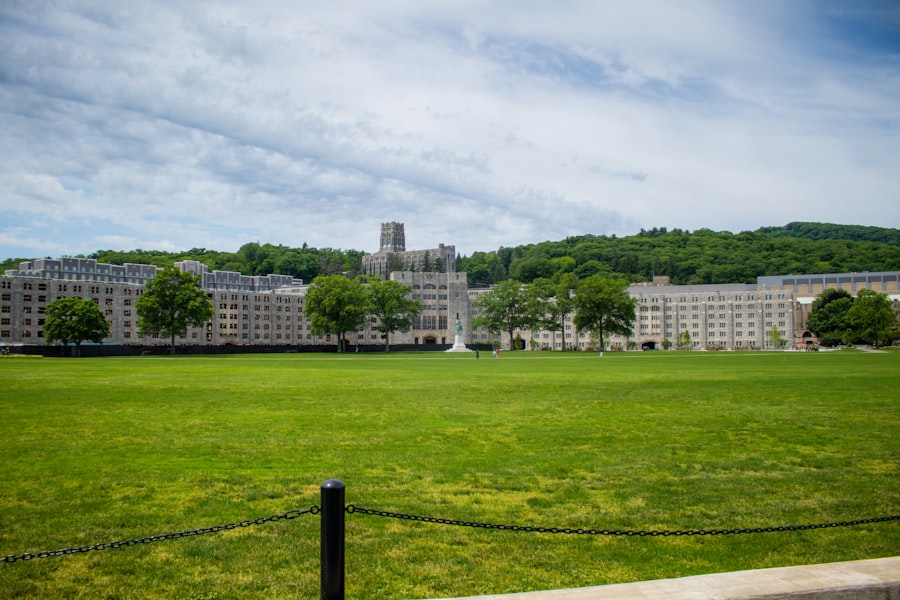
The United States Military Academy at West Point, a crucible of military thought and engineering prowess, forged a generation of officers who would become indispensable architects of victory during the Mexican-American War (1846-1848). These West Point engineers, steeped in the rigorous curriculum of mathematics, physics, and practical application, translated theoretical knowledge into tangible assets on the battlefield, shaping campaigns and securing strategic advantages. Their contributions were not merely to the construction of fortifications or the bridging of rivers; they represented the vanguard of applied science in warfare, demonstrating how disciplined intellect could command terrain and overcome the challenges of a vast and unfamiliar theater of operations.
The United States Military Academy, established in 1802, was envisioned as a bastion of technical and scientific expertise for a young nation. Its primary objective was to cultivate officers proficient in the arts of warfare, with a particular emphasis on engineering, which was recognized as critical for national defense and expansion. Before the Mexican-American War, West Point had already laid the groundwork for producing competent military engineers. The curriculum was designed to be comprehensive, covering not only the fundamentals of mathematics and natural philosophy but also the practical application of these principles to construction, surveying, and fortifications. This rigorous training meant that by the time conflict arose with Mexico, a steady stream of well-prepared engineers was ready to deploy.
A Curriculum Forged in Theory and Practice
The academic program at West Point was intentionally demanding. Cadets were immersed in subjects like calculus, differential equations, and analytical mechanics, laying a robust theoretical foundation. This was not merely an academic exercise; these abstract concepts were directly linked to practical challenges. Surveying and mapping techniques, vital for understanding enemy positions and planning logistical movements, were taught with meticulous attention to detail. The principles of hydraulics were applied to understanding river crossings and the construction of temporary bridges, essential in a war fought across diverse and often water-logged terrain.
The Art of Fortification and Siege Warfare
A significant portion of the engineering curriculum focused on the design and construction of defensive structures, as well as the methodologies of siege warfare. Cadets learned about ballistic trajectories, the structural integrity of earthen and masonry fortifications, and the engineering principles behind effective artillery placement. They studied the history of famous sieges, gleaning lessons from past successes and failures. This knowledge proved invaluable in a war where capturing fortified cities was a key objective, transforming raw land into formidable defenses or dismantling those of the enemy.
From Classroom to Campaign: The Transition
The transition from the controlled environment of West Point to the chaotic realities of the battlefield was a defining experience for these young officers. While the academy provided the theoretical framework, the Mexican-American War served as a demanding proving ground. The lessons learned in classroom simulations were now tested against live fire, unpredictable weather, and the sheer scale of logistical undertakings. This direct application of their knowledge solidified their understanding and honed their decision-making abilities, transforming them from aspiring engineers into seasoned military professionals.
During the Mexican-American War, the contributions of West Point engineers played a crucial role in shaping military strategies and outcomes. These engineers were instrumental in constructing vital infrastructure, such as roads and bridges, which facilitated troop movements and supply lines. For a deeper understanding of the impact of these engineers and their strategic significance during the conflict, you can read a related article at this link.
Sharpening the Sword of Logistics: Engineering the Advance
The vast distances and challenging terrain of Mexico presented immense logistical hurdles. West Point engineers played a pivotal role in overcoming these obstacles, ensuring that armies could advance, receive supplies, and maintain their operational effectiveness. Their ingenuity in building and maintaining infrastructure was as critical to success as battlefield tactics, allowing American forces to project power deep into enemy territory.
Bridging the Gaps: Rivers as Arteries of War
Mexico’s numerous rivers, often formidable barriers, became arteries of war thanks to the engineering skills of West Point graduates. The Rio Grande, the Bravo, and other significant waterways required constant attention. Engineers were tasked with constructing pontoon bridges, often under enemy fire, to facilitate the movement of troops, artillery, and supply wagons. The speed and efficiency with which these bridges were erected directly impacted the momentum of campaigns, enabling surprise attacks and preventing enemy blockades. Imagine an army halted at a great river, its advance stymied. West Point engineers were the ones who, with meticulous planning and tireless effort, would transform that impassable barrier into a fleeting obstacle.
Roadways and Railways: Laying the Foundation for Advance
While not as developed as in the United States, roads and paths were crucial for the movement of armies. Engineers were responsible for improving existing routes, clearing obstacles, and, in some instances, surveying and constructing new ones. The nascent technology of railroads also began to play a role, and engineers with an understanding of their construction and operation were vital for transporting heavy equipment and supplies over long distances. Their work ensured that the army’s reach was not limited by its ability to traverse the land.
Fortifications and Supply Depots: Securing the Rear
Beyond the front lines, engineers were instrumental in establishing and defending supply depots and forward operating bases. They constructed temporary fortifications to protect these vital locations from raids and sabotage, ensuring a consistent flow of provisions to the fighting forces. The ability to secure rear areas was as important as winning battles, for an army cutting off from its supplies is an army doomed to failure.
Architects of the Siege: Dominating Fortified Positions
Many Mexican cities and strongholds presented formidable defensive challenges. West Point engineers were at the forefront of siege operations, employing their knowledge of fortifications, artillery, and destructive tactics to overcome these entrenched positions. Their expertise allowed the U.S. Army to systematically dismantle enemy defenses, paving the way for strategic victories.
The Science of Siege: From Parapet to Breaching
Siege warfare was a complex undertaking, demanding a deep understanding of engineering principles. Engineers meticulously planned approaches, constructed siege lines, and directed the placement of artillery to batter down enemy walls. They understood the physics of projectiles and the structural weaknesses of fortifications, orchestrating a systematic unraveling of defenses. Their work was a methodical deconstruction, reducing seemingly impenetrable fortresses into vulnerable points.
Mining and Counter-Mining: The Hidden Battle Below
In some of the most critical sieges, engineers engaged in the dangerous and intricate art of mining. They would tunnel beneath enemy walls, place explosives, and detonate them to create breaches. Conversely, they also had to be vigilant for enemy miners, engaging in counter-mining operations to thwart these attempts. This subterranean warfare was a testament to the engineers’ courage and their ability to apply technical knowledge in the most perilous of circumstances.
Artillery Placement and Ballistics: The Precision of Destruction
The effective deployment of artillery was central to siege operations. West Point engineers advised on the optimal placement of cannons, considering factors such as range, trajectory, and the structural weaknesses of the target. Their understanding of ballistics ensured that artillery fire was not merely a barrage but a calculated force of destruction, aimed at achieving specific objectives with maximum efficiency.
Masters of the Terrain: Surveying and Mapping the Unknown
The Mexican-American War took place across an unfamiliar and often unmapped landscape. West Point engineers, with their proficiency in surveying and cartography, became the eyes of the army, charting routes, identifying strategic positions, and providing the vital intelligence needed for planning and execution. Their maps were the blueprints of victory, guiding generals through the complexities of the theater of war.
The Surveyor’s Art: Charting the Path of Conquest
Accurate maps were a scarcity in much of Mexico. West Point engineers were tasked with conducting meticulous surveys of the terrain, meticulously measuring distances, elevations, and topographical features. Their work provided generals with a detailed understanding of the land, allowing for more effective troop movements, the identification of advantageous defensive positions, and the planning of routes that minimized exposure to enemy forces. These maps were not merely navigational tools; they were strategic assets, revealing the secrets of the landscape to the invading army.
Identifying Strategic Positions: The High Ground and Beyond
The ability to identify and control key strategic locations was paramount. Engineers used their surveying skills to assess the tactical advantages of hills, river crossings, and passes. This intelligence allowed commanders to position their troops effectively, outmaneuver the enemy, and secure vital choke points. Their understanding of the terrain was a silent weapon, turning natural features into instruments of military advantage.
Mapping Enemy Dispositions: Intelligence from the Ground Up
Beyond charting the land itself, engineers also contributed to mapping enemy encampments and fortifications. Through reconnaissance and surveying, they provided valuable intelligence on enemy strength, dispositions, and defensive capabilities. This information was crucial for planning offensive operations and anticipating enemy movements. Their maps were a dual-purpose tool, illuminating both the path forward for their own army and the potential hazards presented by the foe.
During the Mexican-American War, the contributions of West Point engineers played a crucial role in shaping military strategies and outcomes. These skilled individuals were instrumental in constructing vital infrastructure, such as roads and bridges, which facilitated troop movements and supply lines. For a deeper understanding of the impact of military engineering during this conflict, you can explore a related article that delves into the strategic significance of these engineers in the war. To read more about this fascinating topic, visit this article.
The Legacy of the Cadets: Enduring Impact on American Military Engineering
| Metric | Value | Notes |
|---|---|---|
| Number of West Point Engineers | Approximately 30 | Estimated number of engineers who graduated from West Point and served in the Mexican-American War |
| Key Roles | Fortification design, bridge construction, reconnaissance | Primary engineering tasks performed during the war |
| Notable West Point Engineer | Robert E. Lee | Served as an engineer and cavalry officer during the war |
| Engineering Units Involved | U.S. Army Corps of Engineers | Responsible for military engineering operations |
| Major Engineering Projects | Siege works at Veracruz, road and bridge construction | Critical to the success of U.S. military campaigns |
| Impact on War Outcome | High | Engineering efforts facilitated troop movements and siege operations |
The contributions of West Point engineers during the Mexican-American War were far-reaching, not only impacting the immediate outcome of the conflict but also shaping the future of military engineering in the United States. The lessons learned and the expertise demonstrated on the battlefields of Mexico cemented the importance of a scientifically trained engineering corps within the U.S. Army.
A Proving Ground for Future Leaders
The Mexican-American War served as an extraordinary proving ground for many officers who would later rise to prominence in the Civil War and beyond. Engineers like P.G.T. Beauregard and Robert E. Lee, though their loyalties would eventually diverge, honed their leadership and technical skills in Mexico. Their experiences in planning and executing complex engineering tasks under pressure provided them with invaluable experience that shaped their military careers.
The Institutionalization of Military Engineering
The success of West Point engineers in Mexico underscored the necessity of a dedicated and highly trained engineering branch within the military. This success contributed to the continued development and expansion of the U.S. Army Corps of Engineers, solidifying its role as a critical component of national defense. The war validated the investment in institutions like West Point, demonstrating the tangible returns of rigorous scientific and technical education.
Enduring Principles of Applied Science in Warfare
The Mexican-American War marked a significant step in the increasing application of scientific principles to warfare. The engineers from West Point demonstrated that by understanding and manipulating the physical world, armies could achieve objectives that were once deemed insurmountable. Their legacy lies not just in the structures they built or the maps they drew, but in the enduring principle that intellect and scientific application are powerful forces on the battlefield. They were, in essence, the first keystones in a grand arch of military innovation, supporting the weight of future advancements.
FAQs
Who were the West Point engineers involved in the Mexican-American War?
West Point engineers were graduates of the United States Military Academy at West Point who specialized in military engineering. During the Mexican-American War (1846-1848), many of these engineers served in various capacities, including constructing fortifications, bridges, and roads, as well as conducting reconnaissance and mapping.
What role did West Point engineers play in the Mexican-American War?
West Point engineers played a crucial role in the Mexican-American War by providing technical expertise in building military infrastructure, improving supply lines, and facilitating troop movements. Their skills in surveying and map-making were vital for planning battles and campaigns.
How did the training at West Point prepare engineers for the Mexican-American War?
West Point’s curriculum emphasized engineering, mathematics, and military tactics, which prepared its graduates to handle complex engineering tasks in the field. This training enabled them to design and construct fortifications, bridges, and roads essential for military operations during the war.
Can you name any notable West Point engineers who served in the Mexican-American War?
Several notable West Point engineers served in the Mexican-American War, including Robert E. Lee, who was a top graduate and served as an engineer officer. Others included Joseph E. Johnston and George B. McClellan, who later became prominent military leaders.
What impact did the experience in the Mexican-American War have on West Point engineers?
The Mexican-American War provided West Point engineers with valuable combat and field engineering experience. Many of these officers gained practical knowledge that influenced their later military careers, including leadership roles in the American Civil War.