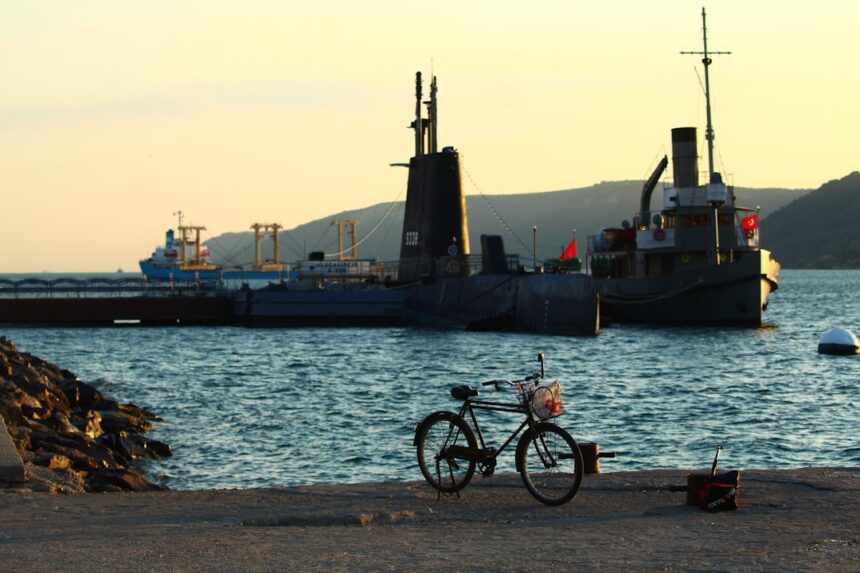
Naval signals intelligence, often abbreviated as NAVSIGINT, played a crucial role in the Cold War, a period of geopolitical tension between the United States and the Soviet Union and their respective allies. The constant hum of radio transmissions, the silent dance of radar pulses, and the intricate patterns of sonar pings formed a complex symphony of information, each note carrying potential strategic weight. Understanding this symphony, and deciphering its meaning, became a paramount objective for both sides, shaping naval deployments, defense strategies, and ultimately, influencing the delicate balance of power.
For those who delve into the history of this conflict, the story of NAVSIGINT is not one of flashy heroics, but rather of meticulous observation, relentless analysis, and the constant pursuit of knowledge in a fog of uncertainty. It was a silent war waged in the electromagnetic spectrum, where the ability to listen in on an adversary’s communications could be as decisive as a broadside of cannon fire.
The end of World War II did not bring an end to espionage; it merely shifted the focus and amplified the technological stakes. The advent of new naval technologies, particularly in the realm of electronic warfare and communication, necessitated a parallel evolution in signals intelligence. The former adversaries of the Second World War were quickly becoming the principal antagonists of a new global struggle, and their naval forces, the instruments of power projection for both the West and the East, became prime targets for intelligence gathering.
The Rise of Electronic Warfare
Electronic warfare, a broad discipline encompassing electronic attack, electronic protection, and electronic support measures, became intrinsically linked with NAVSIGINT. Electronic support measures (ESM), in particular, were the eyes and ears of intelligence operatives, responsible for detecting, identifying, and locating enemy radar and communication signals. The sheer volume of electronic emissions from an increasingly sophisticated naval arsenal meant that simply detecting a signal was only the first, and often the easiest, step.
- Radar as a Double-Edged Sword: Radar systems, essential for navigation and target acquisition, also became significant sources of intelligence when intercepted. The power, frequency, pulse repetition rate, and sweep patterns of a radar could reveal not only the presence of a vessel but also its type, capabilities, and even its operational intentions. The electromagnetic spectrum, once a relatively quiet ocean, was rapidly filling with the chatter of these electronic sentinels.
- Communication Networks: The Arteries of Information: Naval forces rely on robust communication networks to maintain command and control. These networks, from ship-to-ship radio to long-range shore-based transmissions, became vital targets for SIGINT. Intercepting and decrypting these messages offered a direct window into operational plans, fleet movements, and strategic objectives.
Early Methodologies and Limitations
In the initial years of the Cold War, NAVSIGINT methodologies were, by modern standards, relatively rudimentary. Collection relied heavily on passive listening devices and direction-finding equipment. While effective under certain conditions, these methods often suffered from limitations in range, accuracy, and the ability to cope with the increasing sophistication of enemy encryption techniques.
- Direction Finding (DF): Pinpointing the Source: Direction-finding techniques were instrumental in locating the origin of intercepted signals. By triangulating the signal from multiple listening posts, intelligence agencies could estimate the position of the transmitting vessel. However, atmospheric conditions and interference could significantly degrade the accuracy of these estimations, turning a precise location into a broad geographical area.
- Signal Analysis and Cryptanalysis: Once a signal was intercepted, the painstaking work of analysis and decryption began. Analysts would examine the signal’s characteristics, looking for patterns that might reveal the encryption method. This was a constant arms race, with cryptographers striving to develop unbreakable codes, and cryptanalysts working to break them.
The intricate world of Cold War signals intelligence and its impact on naval history is expertly explored in the article found at this link. This piece delves into the technological advancements and strategic maneuvers that defined naval operations during the Cold War, highlighting how signals intelligence played a crucial role in shaping maritime tactics and national security policies. By examining key events and developments, the article provides valuable insights into the often-overlooked aspects of naval history during this tense period.
The Shadow War Beneath the Waves: Submarine SIGINT
The silent, submerged world of submarines presented a unique and formidable challenge for naval intelligence. These vessels, designed for stealth and surprise, were elusive targets. However, their operational necessity to communicate, even if infrequently, created opportunities for intelligence gathering. SIGINT collection efforts focused on both the submarines themselves and the shore-based facilities that supported them.
Acoustic Intelligence (ACOUSTINT): The Ears of the Deep
Submarine SIGINT was not solely about radio waves. Acoustic intelligence, the collection and analysis of underwater sounds, played an indispensable role. The oceans, vast and deep, carry sound for great distances, transforming them into a medium for both communication and intelligence.
- Passive Sonar: Listening to the Ghostly Echoes: Passive sonar systems, essentially highly sensitive microphones towed by surface ships or installed in submarines, listened for the distinctive sound signatures of enemy submarines. The whirring of propellers, the hum of engines, and even the cavitation from a submarine’s wake could be detected and analyzed, providing clues to its speed, direction, and type. This was akin to trying to identify a specific bird by its song in a vast wilderness.
- Active Sonar: A Two-Edged Call: Active sonar, which emits sound pulses and listens for their echoes, could illuminate a submarine’s position with far greater accuracy. However, its use was a double-edged sword. The emitted ping was a clear indication of the sonar operator’s presence, potentially compromising the hunter as well as revealing the hunted. Thus, its use was often strategic and carefully considered.
Submarine Communications: Whispers in the Abyss
Submarines, to maintain command and control, needed to communicate. However, transmitting radio signals from beneath the waves is problematic. ELF (Extremely Low Frequency) and VLF (Very Low Frequency) radio were employed for this purpose, travelling long distances through water. Intercepting these transmissions, when they occurred, was a high-priority intelligence goal.
- The Challenge of Interception: The very frequencies used for submarine communication were difficult to intercept effectively. Sophisticated antenna systems and specialized receiving equipment were required, often located in remote and secure areas. The infrequent nature of these transmissions meant that a missed opportunity could be a significant intelligence deficit.
- Shore-Based Support and Intelligence: Intelligence also focused on the shore-based facilities that supported submarine operations, such as training grounds, repair yards, and communication centers. Intercepting communications between these facilities and their submarines provided valuable insights into operational patterns, maintenance schedules, and personnel movements.
The Electronic Battlefield: Fleet-Level SIGINT Operations
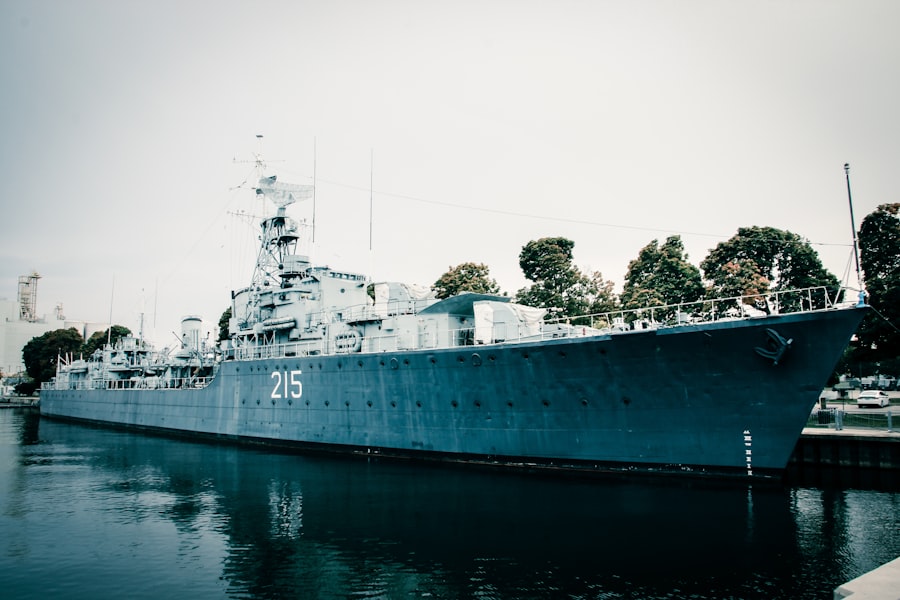
Beyond individual vessels and submarines, the coordinated movements and operations of entire naval fleets presented a rich tapestry of signals intelligence opportunities. The sophisticated electronic systems employed by modern warships created a complex electromagnetic environment, a battlefield in itself, where the ability to understand and disrupt an adversary’s electronic picture was paramount.
Signal Intelligence (SIGINT) Platforms: From Ships to Satellites
The deployment of dedicated SIGINT platforms, both on ships and in the nascent stages of space-based reconnaissance, was crucial for comprehensive fleet-level intelligence gathering. These platforms were designed to observe and analyze the electromagnetic spectrum across vast areas.
- Intelligence Gathering Vessels: A specialized class of vessels, often disguised as research or fishing trawlers, were equipped with extensive SIGINT suites. These “spy ships” operated in international waters, cautiously approaching enemy fleet exercises or operating areas, patiently collecting data. Their mission was akin to a meticulous cartographer mapping uncharted territories of radio waves.
- Reconnaissance Aircraft: Long-range reconnaissance aircraft, equipped with sophisticated electronic intercept equipment, provided another layer of intelligence. These aircraft could loiter at the fringes of enemy operational areas, gathering signals intelligence while remaining just outside the range of immediate threat.
- The Dawn of Space-Based SIGINT: The Cold War also marked the beginning of space-based SIGINT. Early reconnaissance satellites, though limited in their capabilities compared to modern systems, provided a critical overhead perspective. They could monitor naval deployments, track ship movements, and even intercept certain types of electronic emissions that were beyond the reach of terrestrial or airborne platforms.
Electronic Order of Battle (ELINT-OOB): Building the Picture
A key objective of fleet-level SIGINT was the construction of an Electronic Order of Battle (ELINT-OOB). This involved meticulously cataloging the electronic emitters of an adversary’s naval forces, including their types, frequencies, power outputs, and operational characteristics. This detailed knowledge allowed for the identification of specific ship classes, the anticipation of their roles in a conflict, and the development of effective countermeasures.
- Radar Fingerprints: Each radar system possesses unique characteristics – a kind of electronic fingerprint. By analyzing these fingerprints, intelligence analysts could identify not only the presence of radar but also the specific type of radar and, by extension, the type of platform it was mounted on.
- Communication Protocols and Traffic Analysis: Beyond simply intercepting communications, SIGINT analysts engaged in traffic analysis. This involved studying the patterns of communication – who was talking to whom, how often, and the length of transmissions – to infer operational activities and intentions, even if the content remained encrypted.
The Technological Arms Race: Innovations in SIGINT and Counter-SIGINT
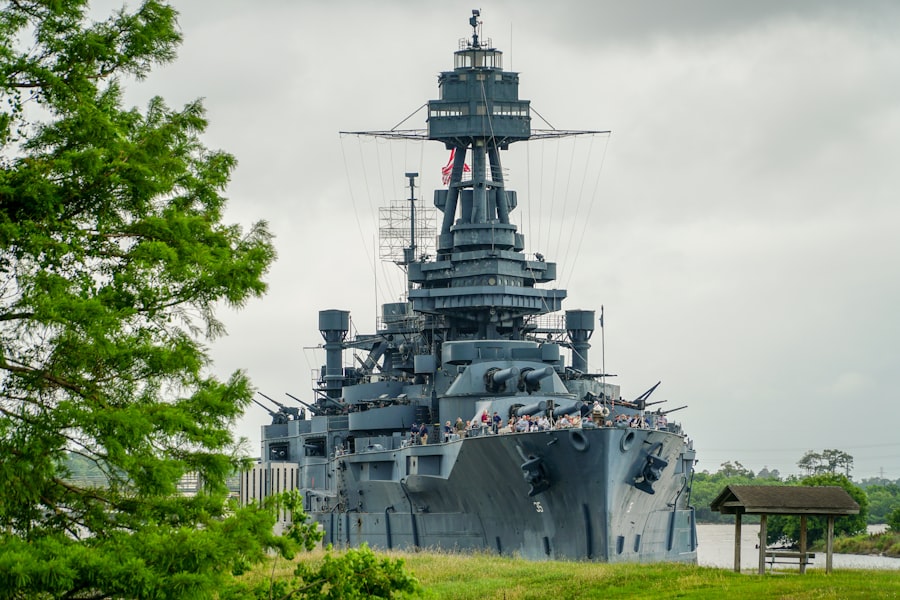
The Cold War was a relentless technological arms race, and NAVSIGINT was no exception. Both sides constantly sought to develop more sophisticated methods for collecting intelligence and, conversely, for protecting their own electronic emissions. This dynamic led to significant advancements in a range of technologies.
Advancements in Intercept Technology
The need to intercept an ever-increasing volume and variety of signals drove innovation in intercept technology. This included the development of more sensitive receivers, wider bandwidth capabilities, and more sophisticated signal processing techniques.
- Digital Signal Processing (DSP): Unraveling Complexity: The advent of digital signal processing revolutionized SIGINT. DSP allowed for the filtering of noise, the extraction of weak signals from interference, and the rapid analysis of complex waveforms that were previously insurmountable. It was like having a vastly superior ear that could distinguish individual whispers in a hurricane.
- Chaff and Decoys: Masking the Electronic Footprint: Equally important were counter-SIGINT measures. To obscure their electronic signatures, naval forces employed electronic countermeasures (ECM) such as chaff (radar reflectors) and decoys that emitted false signals. The development of effective ECM required a deep understanding of an adversary’s SIGINT capabilities and led to an ongoing cat-and-mouse game.
The Sophistication of Cryptography
The integrity of secure communication depended heavily on cryptography. The Cold War saw a dramatic leap in the sophistication of encryption algorithms used by naval forces. This, in turn, demanded equally advanced cryptanalytic capabilities from intelligence agencies.
- One-Time Pads and Rotor Machines: Early in the Cold War, some naval communications still relied on methods like one-time pads and sophisticated rotor machines, variations of the Enigma machines used in World War II. However, these were gradually supplanted by more advanced, electronically driven systems.
- Electronic Cryptography and Key Management: The shift towards electronic cryptography presented new challenges. The management of encryption keys became a critical security concern, and intelligence efforts were often directed at compromising these key management systems. The weak link was rarely the algorithm itself, but rather the human element or the infrastructure surrounding its implementation.
The intricate world of Cold War signals intelligence, particularly within naval history, reveals a fascinating interplay of technology and strategy. For those interested in exploring this topic further, the article on naval operations during the Cold War offers valuable insights into how signals intelligence shaped maritime tactics. You can read more about it in this comprehensive piece on In The War Room, which delves into the critical role of intelligence in naval engagements and the broader implications for international relations during that tense period.
Legacy and Lasting Impact of Cold War NAVSIGINT
| Year | Event/Operation | Country | Type of Signals Intelligence (SIGINT) | Naval Asset Involved | Significance |
|---|---|---|---|---|---|
| 1949 | Operation Ivy Bells | USA | Undersea Cable Tapping | USS Halibut (SSN-587) | First successful tapping of Soviet underwater communication cables |
| 1962 | Cuban Missile Crisis SIGINT | USA | Radio Intercept and Satellite Reconnaissance | Naval reconnaissance aircraft and submarines | Provided critical intelligence on Soviet missile deployments in Cuba |
| 1970 | USS Pueblo Incident | USA | Signals Interception and Electronic Surveillance | USS Pueblo (AGER-2) | Captured by North Korea while collecting SIGINT, leading to international incident |
| 1980 | Operation RYAN | USSR | Naval Radio and Radar Monitoring | Soviet Navy SIGINT Ships | Monitoring US naval movements to detect possible nuclear first strike |
| 1983 | Korean Air Lines Flight 007 Incident | USSR | Radar and Radio Signal Interception | Soviet Naval Vessels and Aircraft | Detection and tracking of unauthorized airspace violation |
| 1987 | Operation Ivy Bells Continued | USA | Advanced Undersea Cable Tapping | USS Parche (SSN-683) | Extended intelligence gathering on Soviet naval communications |
The signals intelligence efforts of the Cold War, while largely unseen by the public, left an indelible mark on both naval warfare and the field of intelligence itself. The lessons learned, the technologies developed, and the intelligence gathered fundamentally shaped the way navies operated and how information was leveraged in international affairs.
Shaping Modern Naval Doctrine
The constant need to monitor and understand adversary naval capabilities during the Cold War drove significant advancements in modern naval doctrine. The emphasis on electronic warfare, stealth technologies, and the integration of intelligence into operational planning can be directly traced back to the challenges and successes of Cold War NAVSIGINT.
- The “Information Dominance” Paradigm: The realization that controlling the electromagnetic spectrum and possessing superior situational awareness through intelligence gathering was crucial for battlefield success laid the groundwork for the modern concept of “information dominance.” Navies learned that seeing and understanding the enemy’s electronic picture before they could see yours was a powerful advantage.
- The Integration of Intelligence, Surveillance, and Reconnaissance (ISR): Cold War experiences highlighted the critical interconnectedness of intelligence, surveillance, and reconnaissance. The need to collect, process, and disseminate SIGINT in near real-time led to the development of integrated ISR systems that are a cornerstone of modern naval operations.
The Foundation for Future Intelligence Capabilities
The technologies and methodologies pioneered during the Cold War formed the bedrock for the sophisticated SIGINT capabilities that exist today. From advanced algorithms and machine learning to the vast networks of satellites and sensors, the foundations were laid in those tense decades.
- The Evolution of SIGINT Platforms: The evolution from basic listening posts and spy ships to highly sophisticated electronic intelligence satellites and unmanned aerial vehicles (UAVs) capable of persistent surveillance represents a direct lineage from Cold War efforts.
- The Enduring Importance of Cryptanalysis and Signal Analysis: While the technologies have changed, the fundamental principles of cryptanalysis and signal analysis remain vital. The ability to break codes and understand the meaning embedded within electronic signals continues to be a crucial component of national security.
In conclusion, naval signals intelligence during the Cold War was not a mere footnote in the broader history of the conflict. It was a silent engine of discovery, a constant hum beneath the surface of diplomatic pronouncements and overt military posturing. It was where the unseen threats were mapped, the veiled intentions were revealed, and the delicate balance of global power was meticulously monitored, one intercepted signal at a time. The legacy of this era continues to reverberate, a testament to the enduring power of information in shaping the course of history.
FAQs
What role did signals intelligence play in naval operations during the Cold War?
Signals intelligence (SIGINT) was crucial in Cold War naval operations, as it involved intercepting and analyzing enemy communications and radar signals. This intelligence helped navies track submarine movements, anticipate military actions, and maintain strategic advantages at sea.
Which countries were the primary participants in Cold War naval signals intelligence activities?
The primary participants were the United States and the Soviet Union, along with their respective allies. Both sides invested heavily in SIGINT capabilities to monitor each other’s naval forces and gather critical information on fleet deployments and technological developments.
What types of technology were used for naval signals intelligence during the Cold War?
Technologies included specialized radio intercept stations, electronic surveillance ships, submarines equipped with listening devices, and airborne platforms such as reconnaissance aircraft. Advances in cryptography and signal processing also enhanced the ability to decode and analyze intercepted communications.
How did signals intelligence impact naval strategy and tactics in the Cold War?
Signals intelligence allowed naval commanders to make informed decisions by providing early warnings of enemy movements and intentions. It influenced the deployment of fleets, anti-submarine warfare tactics, and the development of countermeasures against electronic surveillance.
Are there any notable Cold War naval incidents involving signals intelligence?
Yes, several incidents involved SIGINT, such as the U.S. Navy’s efforts to track Soviet ballistic missile submarines and the Soviet Union’s attempts to intercept NATO communications. These intelligence activities sometimes led to close encounters at sea and heightened tensions between the superpowers.