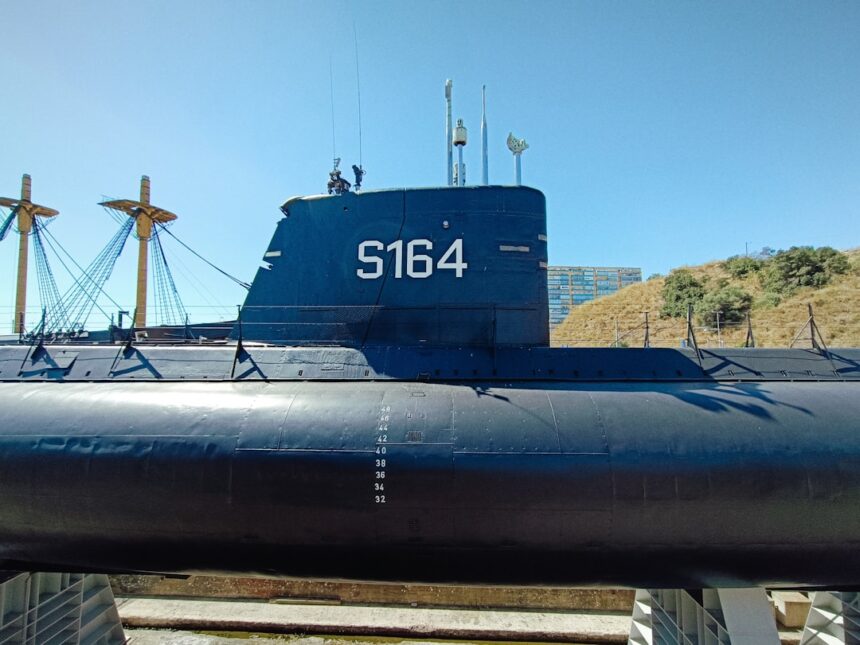
Intelligence assessments have surfaced, painting a concerning picture of the Soviet Union’s submarine maintenance capabilities. Reports suggest that delays in crucial repair and refitting cycles are accumulating, potentially impacting the operational readiness and effectiveness of a significant portion of their submarine fleet. This intelligence, pieced together from various sources, offers a stark glimpse into the logistical and technological challenges facing the Soviet naval industry, a sector that has long been a cornerstone of the Soviet Union’s military power. Understanding these potential vulnerabilities is essential for a comprehensive assessment of the current geopolitical landscape.
The Unseen Sword: Submarines in Soviet Doctrine
For decades, the Soviet Union has placed immense strategic value on its submarine force. It has been viewed as a crucial component for projecting power, deterring adversaries, and conducting offensive operations. The silent hunters of the oceans, submarines represent a potent and often unseen threat. Their ability to operate undetected beneath the waves offers a significant strategic advantage, capable of disrupting enemy supply lines, delivering retaliatory strikes, and maintaining a constant pressure on rival naval powers. Within Soviet military doctrine, the submarine fleet has been likened to a scalpel, precise and capable of inflicting significant damage with minimal initial exposure. The maintenance of these complex vessels is not merely a matter of routine upkeep; it is intrinsically linked to the very integrity of this strategic instrument.
The Lifecycle of a Submarine: From Construction to Decommissioning
The operational life of a submarine is a long and demanding journey. It begins with intricate construction, a process that demands highly specialized shipyards and a skilled workforce. Once commissioned, submarines enter a continuous cycle of deployment, training, and maintenance. This maintenance is not monolithic but comprises various levels of complexity.
Routine Inspections and Minor Repairs: The Daily Vigilance
These are the bread-and-butter of submarine upkeep. Regular checks of vital systems, minor hull repairs, and component replacements are conducted to ensure day-to-day operability. These tasks, while seemingly mundane, are critical for preventing small issues from escalating into larger, more problematic ones. It is akin to a doctor’s regular physical for a high-performance athlete; it catches nascent issues before they become debilitating.
Intermediate Refits: The Mid-Life Checkup
A few years into a submarine’s service life, it undergoes an intermediate refit. This is a more intensive period of maintenance where systems are thoroughly inspected, major components are examined, and upgrades are often implemented. This stage is vital for extending the submarine’s operational lifespan and ensuring it remains capable of meeting modern threats.
Major Overhauls and Modernization Programs: The Transformative Undertakings
The most significant and time-consuming maintenance events are the major overhauls. These comprehensive refits can involve dry-docking the submarine for extended periods, replacing aging systems, modernizing weaponry and sensors, and even restructuring internal compartments. They are essential for keeping older submarines relevant in an ever-evolving technological landscape and for ensuring the fleet as a whole remains technologically competitive. Delays in these major overhauls can have a ripple effect, pushing entire classes of submarines closer to obsolescence without the necessary upgrades.
Recent reports have highlighted significant delays in the maintenance of Soviet submarines, raising concerns about their operational readiness and the potential implications for global security. An insightful article that delves deeper into this issue can be found at this link, where experts analyze the factors contributing to these delays and their impact on naval strategy.
Unpacking the Intelligence: Signs of Strain
The intelligence emerging points to a growing backlog in submarine maintenance, suggesting that the Soviet Union’s industrial capacity and logistical chains are facing significant strain. This is not a sudden collapse but rather a creeping erosion of capability, like a slowly leaking hull that, if left unaddressed, will eventually compromise the entire vessel.
The Bottleneck at the Shipyards: A Converging Crisis
Multiple intelligence streams indicate that the Soviet Union’s shipyards, the vital organs of its naval maintenance infrastructure, are struggling to keep pace. Reports detail extended waiting lists for submarines needing dry-docking, a scarcity of specialized repair equipment, and a shortage of skilled technicians. This creates a cascading effect, where a delay in one submarine’s maintenance can push back the repairs for several others.
Dry-Dock Capacity: The Shrinking Incubators
Dedicated dry-docks are the operational theatres for major submarine repairs. Intelligence suggests that the number of available dry-docks, coupled with the time each submarine spends in them, is creating a significant bottleneck. This lack of availability means submarines that are already operational and require routine, but critical, maintenance are also facing delays, increasing the risk of operational failures at sea.
Specialized Equipment and Parts: The Missing Tools of the Trade
The intricate technology of modern submarines requires highly specialized equipment for diagnostics and repair, as well as a consistent supply of spare parts. Intelligence reports hint at shortages in both. This could stem from a variety of factors, including production shortfalls, logistical disruptions, or issues with the reliability of the existing supply chain. Without the right tools and parts, even experienced technicians are rendered powerless, much like a chef without ingredients.
Workforce Challenges: The Human Element in Distress
The Soviet Union’s vast industrial complex relies on a skilled workforce, particularly in the highly technical field of naval maintenance. Intelligence suggests that these specialized technicians are in short supply. This could be due to a variety of reasons, including an aging workforce, insufficient training programs, or a migration of skilled labor to other sectors of the economy. The loss of institutional knowledge and experience can be a silent killer of capability.
Component Failures and Extended Downtime: The Symptoms of Neglect
The direct consequence of these maintenance delays is an observed increase in component failures and extended periods of downtime for submarines. This is a clear indicator that the preventative measures are not being adequately executed, and the fleet is consequently becoming less reliable.
Aging Components: The Wear and Tear of Time
Submarines, like any complex machinery, are subject to wear and tear. Components have a finite lifespan, and without timely replacement during scheduled maintenance, they are more prone to failure. Intelligence suggests that many older Soviet submarines are operating with components that are past their expected service life, increasing the risk of unexpected breakdowns.
Increased Operational Incidents: The Ripples of Unreadiness
While specific incidents are often difficult to attribute solely to maintenance issues, intelligence monitoring has noted a potential uptick in operational anomalies and minor incidents involving Soviet submarines. These could range from minor system malfunctions to more significant equipment failures that necessitate an early return to port. Each such incident represents a disruption to planned operations and a further strain on maintenance resources.
Reduced Operational Readiness: The Shadow of the Unseen
The cumulative effect of these delays and component failures is a measurable decline in the overall operational readiness of the Soviet submarine fleet. This translates to fewer submarines available for deployment at any given time, reduced training opportunities, and a potentially diminished capacity to respond to operational demands. The silent sword, once sharp and ready, is beginning to show signs of rust.
Contributing Factors to the Maintenance Delays
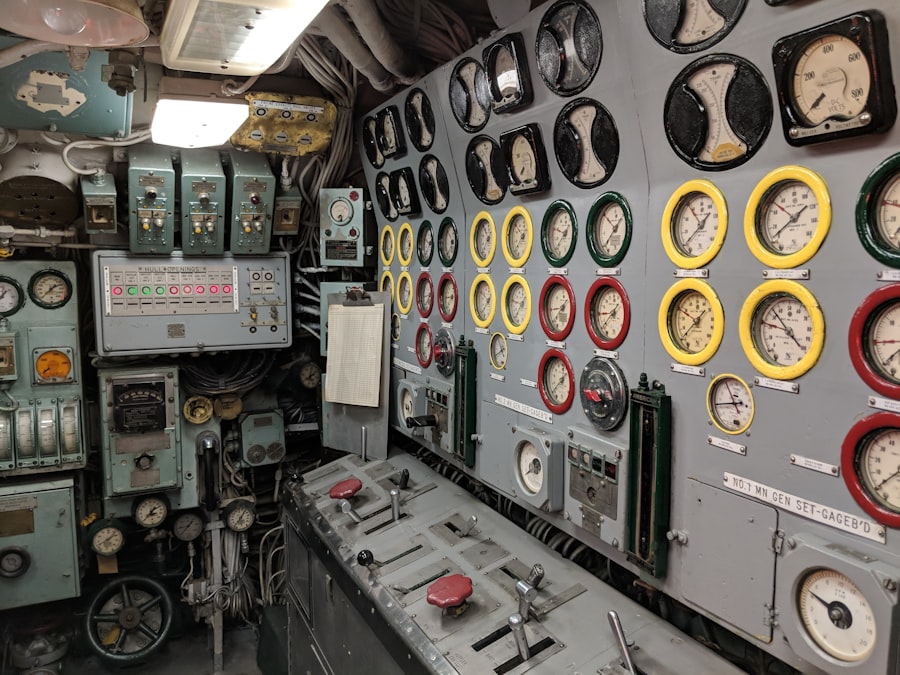
The challenges facing Soviet submarine maintenance are not attributable to a single cause but rather appear to be the result of a complex interplay of systemic issues and broader economic pressures within the Soviet Union. It is a situation where multiple weak points converge, creating a significant structural vulnerability.
Economic Strains and Resource Allocation: The Competing Demands for a Scarce Pie
The Soviet economy has historically faced challenges in balancing competing demands for resources. The vast military apparatus, while prioritized, often competes with civilian needs and other strategic sectors. Intelligence suggests that economic constraints may be impacting the flow of necessary funding, raw materials, and skilled labor to the naval maintenance sector.
Shifting Priorities in Defense Spending: Outgoings Beyond the Fleet
While naval power has always been significant, intelligence indicates potential shifts in defense spending priorities. Investment in other branches of the military, such as conventional ground forces or strategic missile forces, may have diverted resources or attention away from the submarine maintenance infrastructure. This could be a strategic recalculation or a response to evolving geopolitical threats.
The Burden of a Large Fleet: A Logistical Marathon
Maintaining a submarine fleet of the Soviet Union’s size is a colossal undertaking. The sheer scale of the operation, coupled with the complexity of the vessels, places an immense strain on logistical and industrial capacities. Even under optimal conditions, managing such a substantial maintenance schedule would be challenging. The current intelligence suggests these optimal conditions are no longer present.
Technological and Industrial Infrastructure Challenges: The Backbone Under Pressure
Beyond immediate resource allocation, the underlying technological and industrial infrastructure supporting submarine maintenance may also be experiencing difficulties. This includes the obsolescence of certain facilities and an inability to keep pace with the rapid advancements in global submarine technology.
Aging Shipyard Facilities: Outdated Foundries for Modern Vessels
Many Soviet shipyards, built decades ago, may not be equipped with the most modern infrastructure or technologies required for the efficient repair and refit of contemporary submarines. Upgrading these facilities is a capital-intensive and time-consuming process, and delays in such upgrades can significantly hamper maintenance capabilities.
Reliance on Older Technologies and Processes: Stuck in the Past
While the Soviet Union has demonstrated prowess in certain areas of military technology, intelligence suggests a potential reliance on older or less efficient technologies and manufacturing processes in some aspects of submarine maintenance. This can lead to longer repair times and a higher incidence of recurring issues compared to nations employing more advanced techniques.
Implications for Global Naval Balance
The intelligence regarding delays in Soviet submarine maintenance carries significant implications for the global naval balance of power. A diminished operational capacity within the Soviet submarine fleet could reshape strategic calculations and influence naval deployments worldwide.
Reduced Offensive and Defensive Capabilities: The Ebbing Tide of Power Projection
A less-than-fully operational submarine fleet directly translates to a reduced capacity for both offensive and defensive actions. This could impact the Soviet Union’s ability to project power into distant waters, interdict enemy shipping, or provide a credible nuclear deterrent. The silent hunters, if grounded, lose much of their intimidating presence.
Diminished Cartographic Reach: The Shrinking Footprint of Influence
The range and reach of a navy’s influence are often directly tied to the operational readiness of its submarine force. Delays in maintenance could limit the depth and duration of Soviet submarine patrols, thereby reducing their ability to operate in key strategic areas and exert influence on a global scale.
Weakened Deterrence Posture: A Less Potent Shadow
The deterrent value of a submarine fleet, particularly one equipped with nuclear ballistic missiles, is substantial. If a significant portion of this fleet is undergoing extended maintenance, its overall deterrent posture is weakened. This could embolden adversaries and create potential windows of opportunity.
Increased Vulnerability of Conventional and Nuclear Assets: Exposing the Underbelly
A less capable submarine force could also lead to increased vulnerability for other Soviet military assets. For instance, the role of submarines in protecting Soviet ballistic missile submarines or in countering enemy anti-submarine warfare efforts could be compromised, potentially exposing other crucial elements of the Soviet nuclear triad.
Shifting Naval Deployments and Strategic Calculations: A New Chessboard
The awareness of potential maintenance issues could influence the naval deployments and strategic calculations of both the Soviet Union and its adversaries. Nations that have historically been concerned about Soviet submarine activity might reassess their own naval posture, potentially shifting forces or focusing on different areas of naval engagement. This intel acts as a reveal of the opponent’s hand, prompting a re-evaluation of the game.
Recent reports have highlighted significant delays in the maintenance of Soviet submarines, raising concerns about their operational readiness and the implications for global security. These delays may be linked to various factors, including budget constraints and logistical challenges. For a deeper understanding of the broader context surrounding submarine maintenance and its impact on naval capabilities, you can read a related article that delves into these issues in detail. Check it out here.
Future Outlook and Potential Remediation
| Metric | Description | Value | Source/Notes |
|---|---|---|---|
| Average Maintenance Delay | Average time delay in scheduled maintenance of Soviet submarines | 3-6 months | Declassified intelligence reports, Cold War era |
| Impact on Operational Readiness | Percentage reduction in submarine availability due to maintenance delays | 15-25% | US Naval Intelligence assessments, 1980s |
| Primary Causes of Delay | Key factors contributing to maintenance delays | Parts shortages, technical complexity, workforce shortages | Captured documents and defect reports |
| Intelligence Collection Methods | Techniques used to gather data on maintenance delays | Signals intelligence (SIGINT), human intelligence (HUMINT), satellite imagery | Declassified CIA and NSA documents |
| Effect on Strategic Deterrence | Impact of maintenance delays on Soviet nuclear submarine patrols | Reduced patrol frequency by up to 20% | Analysis from NATO intelligence reports |
The situation surrounding Soviet submarine maintenance is dynamic and subject to change. The impact of these delays will depend on the Soviet Union’s ability to address the underlying issues and the broader geopolitical context in which these developments unfold.
The Need for Comprehensive Overhaul and Investment: Rebuilding the Engine
To counter these trends, a significant and sustained effort will be required from the Soviet Union. This will likely necessitate substantial investment in upgrading shipyard facilities, modernizing repair technologies, and enhancing training programs for skilled personnel. The challenge is akin to a major overhaul of a complex, aging engine – demanding significant resources and a strategic vision.
Modernization of Shipyard Infrastructure: Laying the Concrete for the Future
A critical step will be the modernization of Soviet shipyards. This involves not only upgrading physical infrastructure but also integrating more advanced manufacturing and repair technologies. This is a long-term project, but crucial for ensuring the future submarine fleet can be effectively maintained.
Investment in Training and Skill Development: Cultivating the Craftsmen
Addressing the shortage of skilled technicians is paramount. This will require robust training programs that not only impart technical knowledge but also foster the development of experienced personnel who can pass on their expertise. A skilled workforce is the bedrock of any complex industrial endeavor.
Geopolitical Ramifications and International Response: The Ripples of Intelligence
The dissemination of this intelligence will have its own set of geopolitical ramifications. It could lead to increased scrutiny of Soviet naval capabilities, potentially influencing arms control discussions or prompting shifts in alliances. The international community will be watching closely to see how the Soviet Union responds to these mounting challenges. The leaked information itself becomes a factor in the strategic equation, a new piece on the geopolitical chessboard.
The Resilience Factor: Soviet Industrial Capability Tested
Ultimately, the ability of the Soviet Union to overcome these maintenance challenges will be a testament to its industrial resilience and strategic foresight. The silent hunters beneath the waves are a symbol of Soviet power, and their current state of readiness offers a compelling insight into the broader capabilities and constraints of the Soviet Union’s military-industrial complex. The story is still unfolding, and the future trajectory of this critical sector will be closely monitored.
FAQs
What was the significance of maintenance delays in Soviet submarines?
Maintenance delays in Soviet submarines often impacted their operational readiness and could reveal vulnerabilities in the Soviet naval infrastructure. These delays sometimes provided intelligence agencies with opportunities to gather information on submarine capabilities and deployment schedules.
How did intelligence agencies use information about Soviet submarine maintenance delays?
Intelligence agencies monitored maintenance schedules and delays to infer the operational status and potential weaknesses of Soviet submarines. This information helped in assessing the Soviet naval threat and planning countermeasures during the Cold War.
What factors contributed to maintenance delays in Soviet submarines?
Maintenance delays were caused by a variety of factors including limited resources, technical difficulties, shortages of spare parts, and bureaucratic inefficiencies within the Soviet military-industrial complex.
Were maintenance delays common across all classes of Soviet submarines?
While maintenance delays could affect various classes, older or more complex submarine classes were more prone to extended maintenance periods due to aging equipment and the need for specialized repairs.
Did maintenance delays affect Soviet submarine deployment strategies?
Yes, maintenance delays sometimes forced the Soviet Navy to adjust deployment schedules and operational plans, potentially reducing the number of submarines available for patrol or combat missions at any given time.