The deep ocean, a realm of perpetual darkness, holds secrets that have long captivated humanity’s imagination. Among these mysteries are the manganese nodules, metallic concretions scattered across abyssal plains, representing a potential treasure trove of valuable minerals. For decades, the prospect of their extraction has been a tantalizing, yet largely unfulfilled, promise. However, a significant chapter in this unfolding saga was written, or rather, concealed, by Project Azorian, a clandestine operation that, under the guise of a civilian research mission, aimed to achieve something far more ambitious: the recovery of a sunken Soviet submarine. The story of Project Azorian and its connection to the dream of manganese nodule mining is a fascinating tapestry of ambition, technological prowess, and deliberate obfuscation.
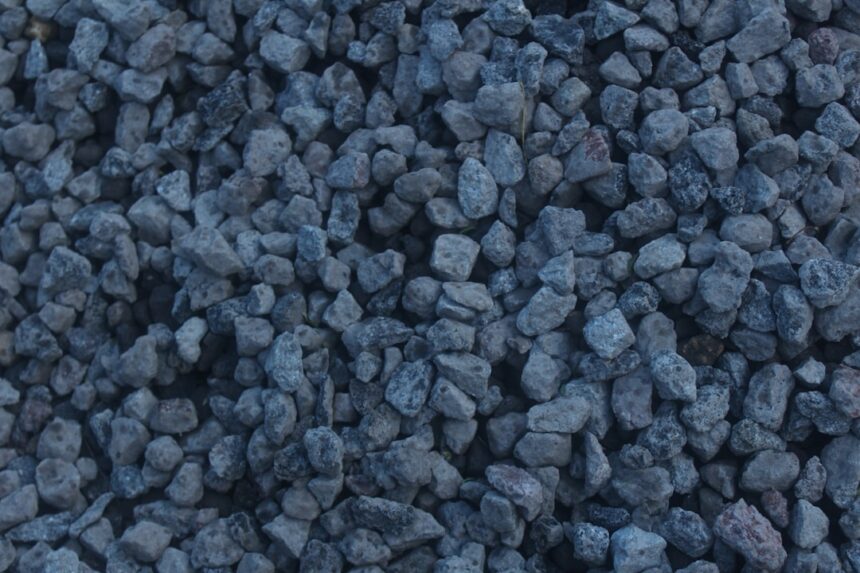
The allure of manganese nodules stems from their rich composition of essential metals. For engineers and industrialists, these enigmatic lumps on the seafloor represent more than just geological curiosities; they are condensed packets of economic potential. They contain significant amounts of manganese, crucial for steel production, as well as nickel, copper, and cobalt, all vital components in modern electronics and energy technologies. The sheer scale of these deposits is staggering. Vast swathes of the Pacific Ocean floor, for instance, are carpeted with these nodules, leading many to envision them as the planet’s next frontier for raw material acquisition.
Understanding Manganese Nodules
- Formation: Manganese nodules are formed by the slow precipitation of metallic elements from seawater and the interstitial water of sediments. This process is incredibly slow, with growth rates measured in millimeters per million years. This geological eon-scale growth is a stark contrast to the rapid human timeline of resource exploitation.
- Composition: Their primary components are hydroxides of manganese and iron, but they also contain significant concentrations of nickel, copper, cobalt, and trace amounts of other valuable elements. The exact composition can vary depending on the location and local geochemical conditions.
- Distribution: These nodules are found in areas of the ocean floor with low sedimentation rates, allowing them to accumulate over geological timescales. The Clarion-Clipperton Zone in the Pacific Ocean is particularly renowned for its extensive and economically viable nodule fields.
The Dawn of Deep-Sea Mining Ambitions
The concept of deep-sea mining, particularly of manganese nodules, gained traction in the mid-20th century. Advances in underwater technology and a growing awareness of finite terrestrial resources fueled this interest. Early expeditions began to map and explore these deep-sea riches, laying the groundwork for what was perceived as an inevitable future of oceanic resource extraction. The vastness of the ocean offered a seemingly inexhaustible supply, a comforting thought in an increasingly resource-constrained world.
- Technological Hurdles: Extracting resources from depths of several kilometers presented immense technical challenges. The immense pressure, the corrosive nature of seawater, and the vast distances involved required groundbreaking engineering solutions.
- Economic Viability Debates: While the mineral potential was clear, questions surrounding the economic feasibility of nodule mining persisted. The high cost of investment in specialized equipment and the uncertainties of scale and yield fueled ongoing debate.
The exploration of manganese nodule mining has garnered significant attention, particularly in the context of Project Azorian, which aimed to recover a sunken Soviet submarine from the depths of the Pacific Ocean. A related article that delves deeper into the implications and technological advancements associated with this mining endeavor can be found at In The War Room. This piece provides valuable insights into the strategic importance of manganese nodules and their potential impact on global resource management.
Project Azorian: A Deeper Purpose Unveiled
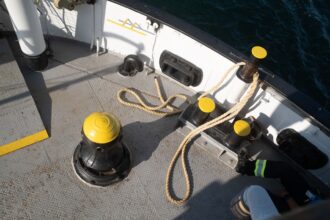
While the world was contemplating the logistical and economic hurdles of manganese nodule mining, a secret operation codenamed Project Azorian was unfolding. Officially, it was presented as a civilian research expedition by the Hughes Glomar Explorer, a uniquely designed vessel. Publicly, its mission was to explore the deep ocean and investigate the potential for abyssal resource development, including nodules. This was a carefully constructed narrative, designed to mask a far more covert and politically charged objective. The Glomar Explorer, a behemoth of engineering, was built with a singular, hidden purpose.
The Glomar Explorer: A Technological Marvel
The Hughes Glomar Explorer was not just any research vessel; it was a specialized platform built by the Central Intelligence Agency (CIA) with the explicit goal of recovering a sunken Soviet submarine, the K-129. The submarine, carrying nuclear weapons, had sunk in the Pacific Ocean in 1968. The recovery was deemed crucial for intelligence gathering and national security. The vessel’s innovative design, featuring a massive submersible barge and a powerful lifting system, was a testament to the ingenuity and resources deployed to achieve this clandestine mission.
- The “Moon Pool” Design: A key feature of the Glomar Explorer was its central “moon pool,” an open well through which the recovery equipment could be deployed directly beneath the ship. This allowed for precise positioning and operation in the open ocean, a revolutionary approach at the time.
- The CLB (Cobia Launching Barge): To achieve the immense lifting power required, the Glomar Explorer towed a massive submersible cargo barge known as the CLB. This barge could be submerged and positioned beneath the target and then raised to the surface, carrying the recovered object.
The Cover Story: Nodule Mining as a Decoy
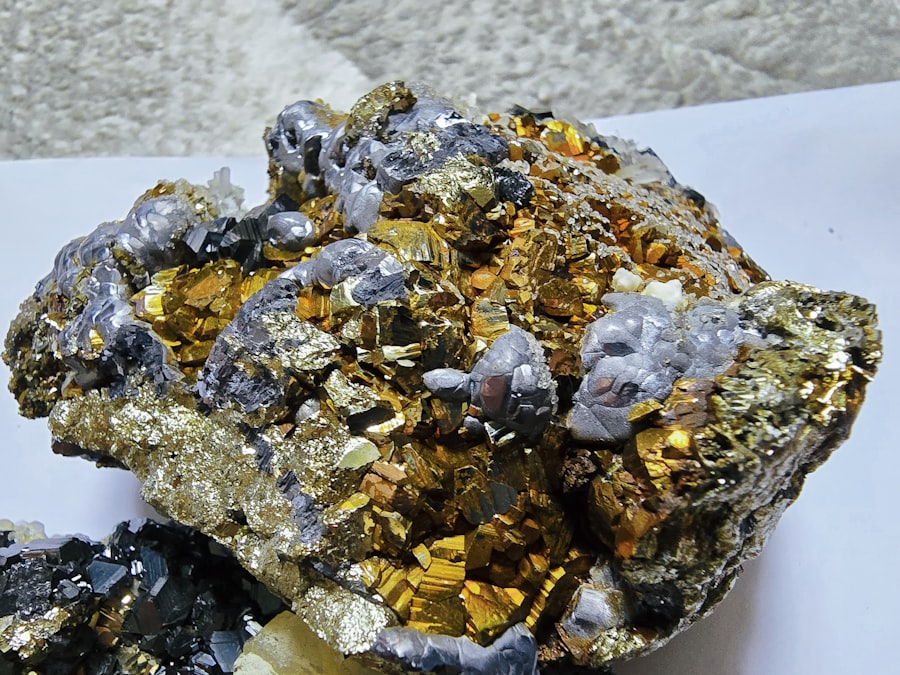
The public narrative of manganese nodule exploration served as an ingenious and effective smokescreen for Project Azorian’s true objective. The Hughes Glomar Explorer embarked on a series of “research” voyages, its activities meticulously documented and presented to the public as endeavors in deep-sea mineral discovery. This allowed the CIA to carry out its highly sensitive operation under the watchful eyes of international observers and the Soviet Union, without arousing undue suspicion. The vast, unexplored seabed provided the perfect stage for this elaborate deception.
A Masterclass in Deception
The deployment of the Glomar Explorer and its purported mission was a carefully orchestrated public relations campaign. The vessel’s size and unique capabilities, while necessary for the actual mission, were also presented as being perfectly suited for the demanding task of manganese nodule collection. The media was fed a consistent narrative of scientific exploration and future resource preparedness.
- Media Engagement: Journalists were invited aboard and given access to certain aspects of the research, further solidifying the public perception of a legitimate scientific endeavor. Select samples of nodules were even presented to lend credence to the mining narrative.
- Soviet Surveillance: The Soviets, undoubtedly monitoring the Glomar Explorer’s movements, were thus led to believe that the operation was focused on scientific research, a common enough activity in international waters. This maintained the illusion of transparency and diverted attention from the true intelligence-gathering motive.
The Shadow of the K-129 Recovery
While the public façade of manganese nodule mining was maintained, the dramatic events of the K-129 recovery unfolded in the crushing depths. The operation was fraught with peril, the immense pressure and technical complexity of the task pushing the limits of human ingenuity. The recovery attempt itself was partially successful, with a portion of the Soviet submarine being brought to the surface. However, the full recovery was not achieved, and the ultimate success of the mission remained shrouded in secrecy for many years. The world remained largely unaware that the vessel supposedly charting future mineral resources was actually engaged in a high-stakes spy operation.
Technical Challenges and Setbacks
The recovery of the K-129 was a monumental undertaking, fraught with challenges that tested the resilience of men and machines. The immense forces at play in the deep ocean were a constant threat, and the slightest miscalculation could have spelled disaster.
- The Lifting Mechanism: The sophisticated lifting system, designed to grapple and ascend the massive hull of the submarine, experienced significant stress and limitations during the operation.
- Partial Recovery and Loss: While a portion of the K-129 was successfully brought to the surface, the main section, containing vital intelligence, remained lost. This partial success, while still an intelligence coup, underscored the immense difficulties of such operations.
In exploring the complexities of manganese nodule mining, particularly in the context of Project Azorian, it is essential to consider the broader implications of deep-sea resource extraction. An insightful article on this topic can be found at this link, which delves into the environmental and geopolitical challenges associated with underwater mining. Understanding these factors is crucial for assessing the future of such projects and their potential impact on marine ecosystems.
The Legacy of Project Azorian and Nodule Mining
| Metric | Value | Notes |
|---|---|---|
| Project Name | Project Azorian | US Central Intelligence Agency’s secret operation |
| Cover Story | Manganese Nodule Mining | Used to disguise the true mission of deep-sea recovery |
| Operation Period | 1974 | Year when the ship Glomar Explorer was deployed |
| Ship Name | Glomar Explorer | Vessel built specifically for the operation |
| Mining Depth | Approximately 5,000 meters | Depth at which manganese nodules are found on the ocean floor |
| Mining Area | Clarion-Clipperton Zone | Pacific Ocean region rich in manganese nodules |
| Estimated Nodule Density | 10-20 kg/m² | Average manganese nodule concentration on the seabed |
| Primary Metals in Nodules | Manganese, Nickel, Copper, Cobalt | Valuable metals targeted for extraction |
| True Objective | Recovery of Soviet submarine K-129 | Secret mission behind the cover story |
Project Azorian’s true nature remained a closely guarded secret for decades, only coming to light through declassified documents and investigative journalism. The operation served as a stark reminder of how governmental ambitions can be masked by seemingly innocuous scientific pursuits. While the project’s primary goal was not nodule mining, its existence and the advanced technology developed for it indirectly contributed to the broader discourse and technological development surrounding deep-sea resource exploration. The tantalizing prospect of manganese nodule mining, once a distant dream, now carried the shadow of covert operations and the complex realities of international politics.
The Enduring Allure of the Deep
Despite the revelations of Project Azorian, the allure of manganese nodules as a future source of valuable minerals persists. As terrestrial resources become increasingly strained, attention is inevitably drawn back to the vast, untapped potential of the ocean floor. However, the story of Project Azorian serves as a cautionary tale, highlighting the need for transparency and responsible development in future deep-sea endeavors.
- Environmental Concerns: The environmental impact of large-scale nodule mining remains a significant concern. The disruption of delicate deep-sea ecosystems and the potential for long-term ecological damage are subjects of intense debate among scientists and policymakers.
- International Governance: The legal and regulatory frameworks governing deep-sea mining are still evolving. The International Seabed Authority (ISA) plays a crucial role in managing these resources, but the complexities of international cooperation and the balance between commercial interests and environmental protection are ongoing challenges.
- Technological Advancements: The technological innovations that enabled Project Azorian, though originally for a different purpose, have paved the way for continued advancements in subsea robotics and exploration technologies, which are directly applicable to the challenges of nodule mining. The ambition to unlock the ocean’s bounty, a dream as old as seafaring itself, continues, now with a deeper understanding of the complexities and the histories that lie beneath the waves.
FAQs
What are manganese nodules and why are they important?
Manganese nodules are rock concretions found on the ocean floor, primarily composed of manganese and iron oxides. They also contain valuable metals such as nickel, copper, and cobalt, making them important for various industrial applications, including battery production and steel manufacturing.
What is Project Azorian and how is it related to manganese nodule mining?
Project Azorian was a secret CIA operation in the early 1970s aimed at recovering a sunken Soviet submarine from the Pacific Ocean. While not directly focused on manganese nodule mining, the project demonstrated advanced deep-sea recovery technology that has potential applications in mining manganese nodules from the ocean floor.
What are the challenges associated with manganese nodule mining?
Challenges include the technical difficulty of operating at extreme ocean depths, environmental concerns about disturbing deep-sea ecosystems, high costs of extraction and processing, and regulatory issues related to international waters and seabed resource rights.
How does manganese nodule mining impact the environment?
Mining manganese nodules can disrupt benthic habitats, potentially harming marine life and altering ecosystems. Sediment plumes generated during mining may affect water quality and filter-feeding organisms. Long-term environmental impacts are still being studied.
What is the current status of manganese nodule mining projects?
As of now, manganese nodule mining is largely in the exploratory and experimental stages. Several countries and companies have obtained licenses for exploration, but commercial-scale mining has not yet commenced due to technological, environmental, and regulatory challenges.