
This article provides an overview of food ingredients that are permitted in some countries but banned in others. Understanding these differences can be crucial for consumers, manufacturers, and travelers alike. Regulatory standards for food safety and acceptable additives vary significantly across jurisdictions, influenced by scientific assessments, cultural preferences, and public health policies.
The global food supply chain is complex, and what is considered safe or acceptable for consumption can differ from one nation to another. These variations are not arbitrary but stem from diverse approaches to risk assessment and the interpretation of scientific data. Regulatory bodies, such as the U.S. Food and Drug Administration (FDA), the European Food Safety Authority (EFSA), and others worldwide, each operate under their own legislative frameworks and scientific advisory panels. These agencies evaluate ingredients based on available toxicological studies, exposure levels, and the intended use of the ingredient.
The Role of Regulatory Bodies
Countries establish their own food safety agencies to oversee the production, import, and sale of food products. These agencies are tasked with protecting public health by ensuring that food is safe, wholesome, and free from adulteration. They set standards for ingredients, processing, labeling, and packaging.
Differences in Risk Assessment
A key driver of divergent ingredient bans is the varying methodologies and thresholds for risk assessment employed by different countries. For instance, a substance deemed to pose a negligible risk at certain consumption levels in one country might be classified as a higher concern in another due to different population demographics, dietary habits, or the application of more stringent safety margins.
Influence of Public Perception and Political Factors
Beyond scientific evaluations, public perception and political considerations can also shape ingredient bans. A perceived risk, even if not fully substantiated by current scientific consensus, can lead to public pressure for bans on certain food additives. Governments may respond to these sentiments to maintain public trust.
The Concept of “Generally Recognized As Safe” (GRAS)
In the United States, the concept of “Generally Recognized As Safe” (GRAS) allows certain substances to be used in food without pre-market approval if they are widely recognized by qualified experts as safe under their intended conditions of use. This differs from approval systems in some other regions, like the European Union, which often require a more formal authorization process for food additives.
Divergent Interpretations of GRAS
While the GRAS designation is intended to streamline the introduction of safe ingredients, its application and interpretation can vary, leading to substances considered GRAS in the US not being accepted elsewhere, or vice versa. This highlights the nuances in how different regulatory systems approach safety assurances.
Economic and Trade Implications
Bans on specific food ingredients can have significant economic impacts. Manufacturers may need to reformulate products to comply with the regulations of different markets, which can incur substantial research and development costs, as well as necessitate changes in sourcing and production.
Harmonization Efforts and Trade Barriers
International organizations and trade agreements often aim to harmonize food safety standards to facilitate global trade. However, significant differences in ingredient regulations can act as non-tariff trade barriers, creating challenges for businesses operating across borders.
Many food ingredients that are commonly used in the United States have been banned in other countries due to health concerns and potential risks. For instance, the artificial sweetener aspartame and certain food colorings have faced scrutiny and prohibition in various nations. To explore more about these controversial ingredients and their varying regulations worldwide, you can read the article at this link.
Specific Food Ingredients with International Regulatory Divergence
This section details several common food ingredients that are permitted in some countries but banned in others, explaining the reasons behind these discrepancies.
Artificial Sweeteners
Artificial sweeteners are a prime example of ingredients with widely varying regulatory statuses. Their use is widespread in “diet” or “sugar-free” products, but concerns about their long-term health effects have led to different national policies.
Aspartame
Aspartame, a popular artificial sweetener, has been the subject of considerable debate. While approved by regulatory bodies in numerous countries, including the United States, Canada, and most of the European Union, its safety has been questioned in some studies, leading to varying levels of public concern and, in some instances, stricter regulations or public advisories. For example, some countries have set specific acceptable daily intake (ADI) levels that are more conservative than others.
Safety Concerns and Studies
Research into aspartame’s potential health impacts, including links to cancer and neurological effects, has been ongoing. While major regulatory agencies have consistently reaffirmed its safety when consumed within established ADI limits, some advocacy groups and a subset of scientific literature have raised persistent questions, contributing to the divergence in national approaches.
Regulatory Status in Different Regions
- United States: Approved by the FDA and considered GRAS.
- European Union: Approved by EFSA, with an established ADI.
- Canada: Approved by Health Canada.
- Japan: Approved, with limitations on its use in certain food categories.
- Some countries in the Middle East: May have varying restrictions or require specific labeling.
Saccharin
One of the oldest artificial sweeteners, saccharin, was removed from the U.S. National Toxicology Program’s list of potential carcinogens in 2000 after decades of debate. However, its regulatory status has been a complex journey.
Historical Concerns and Re-evaluations
Early studies in the 1970s linked high doses of saccharin to bladder cancer in rats. This led to warning labels on products containing saccharin in the U.S. However, subsequent research indicated that the mechanism by which saccharin caused cancer in rats was not relevant to humans. This led to the removal of the warning label requirement.
Current Global Acceptance
Today, saccharin is widely permitted, but a handful of countries maintain restrictions or have banned it entirely based on older assessments or a precautionary principle. Its presence in foods is generally well-established in major markets, but vigilance regarding its long-term consumer exposure remains a factor in some national policies.
Certain Color Additives
The use of artificial colors in food is a common area of regulatory divergence, particularly concerning colors derived from synthetic sources. Consumers often seek brightly colored foods, but the substances used to achieve these hues can be a point of contention.
Allura Red AC (Red 40) and Sunset Yellow FCF (Yellow 6)
These are two of the most widely used artificial food colorings globally. In many countries, they are permitted and considered safe when used within specified limits. However, concerns linking these dyes to hyperactivity in children have prompted some countries to implement tougher regulations or outright bans.
The Southampton Study and its Aftermath
A notable study conducted at the University of Southampton in the UK in 2007 suggested a link between consumption of artificial food colorings and increased hyperactivity in children. This study, along with subsequent research and advocacy, has led to some jurisdictions requiring warning labels or banning these specific colorants.
Varying Labeling Requirements and Bans
- European Union: Requires a warning label on foods containing specific artificial colors, including Allura Red AC and Sunset Yellow FCF, stating “May have an adverse effect on activity and attention in children.”
- United Kingdom: Has gone further in encouraging or mandating the removal of certain artificial colors from products sold.
- United States: Permits these colorings with no specific warning labels related to hyperactivity, though they are regulated for safety.
- Nordic Countries: Historically have had more stringent regulations on artificial colors.
Brilliant Blue FCF (Blue 1)
Similar to other artificial colors, Brilliant Blue FCF faces varying levels of scrutiny.
Toxicological Assessments and Public Health
While considered safe by many major regulatory bodies, ongoing toxicological reviews and a desire to reduce synthetic inputs in the food supply can lead some countries to adopt more precautionary stances. The emphasis on natural ingredients in some consumer markets also influences these decisions.
Specific National Restrictions
Some countries may choose to restrict the use of Brilliant Blue FCF in certain product categories aimed at young children or have lower maximum permitted levels compared to other regions.
Potassium Bromate
Potassium bromate is an oxidizing agent used as a flour improver in bread making. It helps strengthen dough and increase bread volume. However, it is classified as a carcinogen by the International Agency for Research on Cancer (IARC).
Carcinogenicity Concerns
The primary reason for bans on potassium bromate is its classification as a possible human carcinogen. While its presence in baked goods is intended to be reduced or eliminated during the baking process, residual amounts can be a concern for regulators.
Regulatory Landscape
- European Union, Canada, Brazil, China, India, and many other countries: Potassium bromate is banned for use in food.
- United States: It is not permitted for use as a food additive, although some older flours might have contained it as an incidental additive, and it is less effectively controlled in imported baked goods, though regulations are tightening.
- Japan: Its use is restricted and requires specific labeling.
The Transformation During Baking
Proponents of its use argue that potassium bromate is converted into less harmful substances during the baking process. However, the extent of this conversion and the potential for residual amounts remain a sticking point for many regulatory bodies.
Azodicarbonamide (ADA)
Azodicarbonamide is an ingredient used as a flour bleaching agent and dough conditioner, primarily in baked goods like bread and pizza dough. It is also used in some plastic manufacturing.
Health and Safety Alarms
Concerns about azodicarbonamide escalated dramatically when it was highlighted that it can produce semicarbazide, a potential carcinogen, when used as a flour additive. Additionally, some individuals can develop respiratory and skin sensitization to ADA.
Global Ban and Permitted Use
- European Union, Australia, and Singapore: Azodicarbonamide is banned as a food additive.
- United States: It was permitted for use, but its use has become highly controversial and largely phased out due to public pressure and voluntary industry actions. The FDA permitted it at very low levels, but a significant shift has occurred away from its use.
- Canada: Similar to the US, it was permitted but faced increasing scrutiny.
The “Bread Incident” and Public Awareness
The controversy surrounding azodicarbonamide gained significant public traction in various countries, leading to widespread consumer awareness and demands for its removal from food products. This organic pressure played a significant role in regulatory shifts.
The Impact on Consumers and Manufacturers
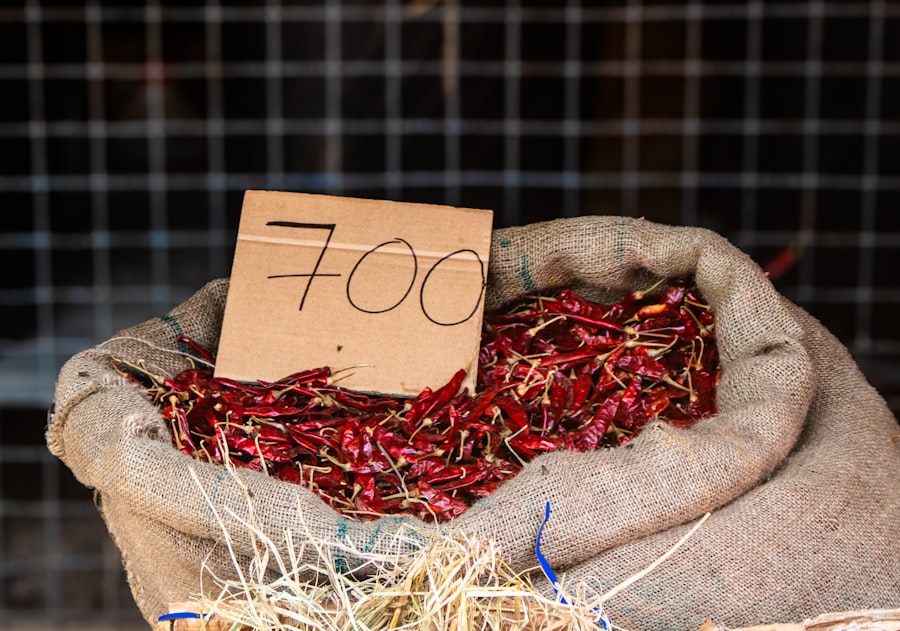
The global patchwork of food ingredient regulations presents both challenges and opportunities for consumers and food manufacturers alike. Awareness of these differences is key to navigating the international food landscape.
Consumer Awareness and Informed Choices
For consumers, understanding that an ingredient permitted in one country might be banned elsewhere can influence purchasing decisions, especially when traveling or buying imported goods. It underscores the importance of reading labels and being aware of different food standards. Sometimes, a permitted ingredient in a foreign market might be a cause for concern if one is familiar with the stricter regulations of their home country.
Traveling and Importing Food
When traveling, consumers might encounter products containing ingredients they are unfamiliar with or that are outright banned in their home country. Similarly, those who import food items need to be cognizant of the ingredients present and their legality in their own jurisdiction.
Manufacturer Compliance and Product Reformulation
Food manufacturers operating on a global scale face the complex task of ensuring their products comply with the diverse regulations of every market they enter. This often necessitates extensive reformulation efforts, which can be costly and time-consuming.
Navigating Different Markets
A product that meets the standards for sale in one country might require significant modification to be sold in another. This can involve substituting banned ingredients with approved alternatives, adjusting production processes, or undertaking extensive safety testing.
The Double-Edged Sword of Innovation
While innovation in food technology can introduce new ingredients that offer benefits, such as extended shelf life or improved texture, the regulatory hurdles in different global markets can slow down or even prevent the adoption of these innovations. What is a breakthrough in one part of the world might be a non-starter in another.
Why Do These Differences Exist?
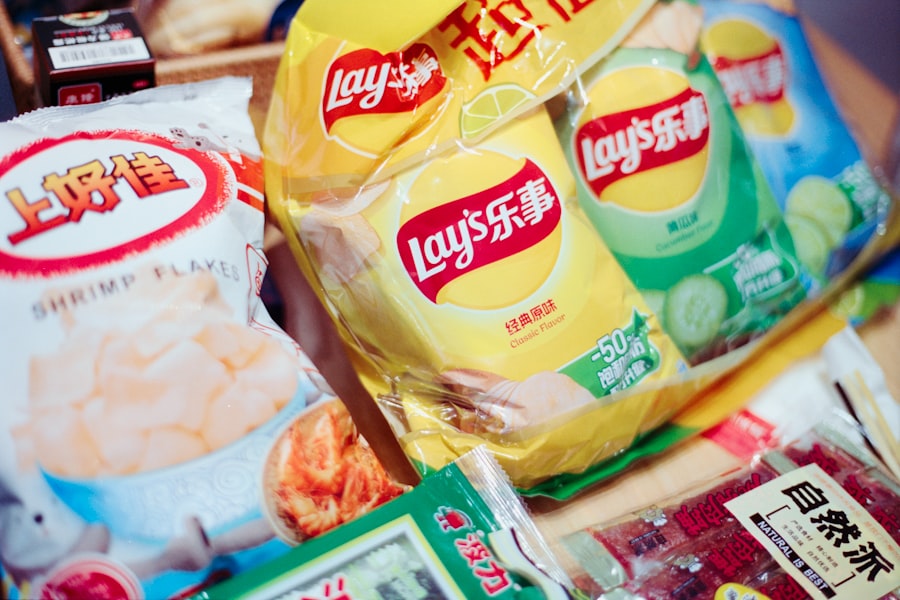
The divergence in food ingredient regulations is not a sign of a broken global food system but rather a reflection of different societal values, scientific interpretation, and historical contexts. Understanding the root causes of these discrepancies is crucial for appreciating the complexities of international food safety.
Diverse Interpretations of Scientific Evidence
While scientific data on the safety of food ingredients is often globally available, different regulatory bodies may interpret this data differently. Factors such as the acceptable probability of harm, the rigor of toxicological studies required, and the application of precautionary principles can lead to varying conclusions.
The Precautionary Principle in Action
Some countries or regions, particularly in the European Union, tend to adopt a more “precautionary principle” approach. This means that if there is a credible suspicion of harm, even without definitive scientific proof, regulatory action may be taken to restrict or ban an ingredient. Other regions might require a higher burden of proof of harm before implementing restrictions.
Cultural and Societal Preferences
Food is deeply intertwined with culture. National preferences for certain tastes, textures, and food experiences can influence regulatory decisions. For example, the widespread use of certain colors or flavor enhancers might be more culturally accepted in one region than another.
Consumer Demand and Market Pushes
Consumer demand for “natural” ingredients or a preference for avoiding artificial additives can create market pressures that influence regulatory bodies and manufacturers alike. If a significant portion of the population in a country expresses concern about a particular ingredient, it can be a powerful catalyst for regulatory change.
Historical and Political Influences
The history of food regulation in a country also plays a role. Past food safety scares or scandals can lead to the establishment of more stringent regulations. Political considerations, including public opinion, lobbying efforts from industry groups, and international trade relationships, can also shape regulatory policy.
The Evolution of Food Safety Standards
Food safety is not a static field. As our understanding of toxicology and health impacts evolves, so do regulations. What was considered acceptable decades ago may be re-evaluated and restricted today. This ongoing evolution means that current regulations are a snapshot in time, subject to change as new information emerges.
Many food ingredients that are commonly used in the United States have been banned in other countries due to health concerns and potential risks. For instance, the use of certain artificial colors and preservatives has raised alarms among health advocates. A related article discusses these discrepancies and highlights the importance of understanding what we consume daily. You can read more about this topic in the article found here. This information can help consumers make informed choices about their diets and the ingredients they prefer to avoid.
Conclusion: Navigating the Global Food Landscape
| Ingredient | Common Use | Countries Banning | Reason for Ban |
|---|---|---|---|
| Potassium Bromate | Bread and baked goods | European Union, Canada, Brazil, China | Possible carcinogen linked to cancer risk |
| Azodicarbonamide | Bread flour conditioner | European Union, Australia, United Kingdom | Respiratory issues and potential carcinogen |
| rBGH (Recombinant Bovine Growth Hormone) | Dairy production | European Union, Canada, Japan, Australia | Animal welfare concerns and potential health risks |
| Olestra | Fat substitute in snacks | European Union, Canada | Digestive issues and nutrient absorption interference |
| Artificial Food Dyes (e.g., Red 40, Yellow 5) | Coloring in candies, beverages, processed foods | Norway, Austria, Finland | Hyperactivity in children and potential carcinogens |
| BHA (Butylated Hydroxyanisole) | Preservative in cereals, chewing gum | Japan, European Union | Possible carcinogen and endocrine disruptor |
| BHT (Butylated Hydroxytoluene) | Preservative in snacks, cereals | Japan, European Union | Potential carcinogen and liver toxicity |
The world of food ingredients is far from uniform. While many substances are universally accepted as safe and beneficial, others remain subjects of debate, leading to a complex tapestry of regulations across different countries. This divergence is a product of varied scientific interpretations, cultural values, and historical contexts. For consumers, this means staying informed, reading labels carefully, and understanding that what is available in one market may not be in another. For manufacturers, it highlights the necessity of meticulous research, product reformulation, and a deep understanding of the specific regulatory environments in which they operate. As global trade continues to expand, the need for transparency and a degree of harmonization in food ingredient regulations will likely remain a key area of focus for international cooperation, aiming to ensure both consumer safety and the smooth flow of commerce. The journey of a single food ingredient from farm to table can be a complex expedition, influenced by a global network of rules and scientific assessments.

▶️ Your Pantry Is A Lie: 33 Secrets Big Food Is Hiding From You
FAQs
What are some common food ingredients banned in other countries?
Some commonly banned food ingredients include artificial food dyes like Red 40 and Yellow 5, certain preservatives such as potassium bromate, and additives like brominated vegetable oil (BVO). These bans are often due to health concerns or potential carcinogenic effects.
Why are certain food ingredients banned in some countries but allowed in others?
Regulations vary by country based on differing scientific assessments, safety standards, and public health policies. Some countries may have stricter food safety laws or more precautionary approaches, leading to bans on ingredients considered safe elsewhere.
Are banned food ingredients harmful to human health?
Many banned ingredients have been linked to potential health risks, including allergic reactions, hyperactivity in children, or long-term effects like cancer. However, the degree of harm often depends on the amount consumed and individual sensitivity.
How can consumers identify banned ingredients in food products?
Consumers can check ingredient labels on food packaging for specific additives or chemicals. Additionally, resources like government food safety websites or apps can provide information on banned or restricted ingredients in different countries.
What should manufacturers do if an ingredient is banned in a country where they sell their products?
Manufacturers must comply with local regulations by reformulating products to exclude banned ingredients or by clearly labeling them if allowed. Failure to comply can result in product recalls, fines, or bans on sales in that country.