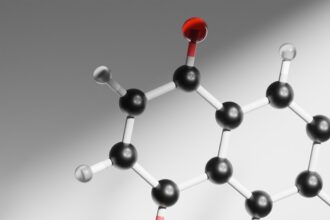
Mono- and diglycerides are common food additives used in the baking industry, particularly in processed bread. They are emulsifiers, meaning they help oil and water mix, which can improve the texture, shelf life, and appearance of bread. This article will explore what mono- and diglycerides are, how they are made, their functions in bread, and scientific perspectives on their use.
Mono- and diglycerides are esters formed from glycerol and one or two fatty acids. Glycerol is a simple alcohol, and fatty acids are long chains of carbon atoms with a carboxylic acid group at one end. When glycerol reacts with fatty acids, an ester bond is formed, creating either a monoglyceride (one fatty acid attached) or a diglyceride (two fatty acids attached). The third hydroxyl group on the glycerol molecule can remain free or be esterified with another fatty acid to form a triglyceride. In the context of food additives, mono- and diglycerides are typically a mixture, with monoglycerides being the more functional component.
The Chemical Structure
The fundamental building block of mono- and diglycerides is glycerol, a molecule with three hydroxyl (-OH) groups. Fatty acids are organic acids characterized by a long hydrocarbon chain. The reaction between glycerol and fatty acids, known as esterification, involves the removal of a water molecule as an ester bond forms between a hydroxyl group of glycerol and the carboxyl group of a fatty acid.
- Monoglycerides: In monoglycerides, one fatty acid molecule is attached to the glycerol backbone. The remaining two hydroxyl groups are free, or can be esterified with other molecules.
- Diglycerides: Here, two fatty acid molecules are attached to the glycerol backbone. One hydroxyl group remains free.
- Triglycerides: While not technically mono- or diglycerides as food additives, it’s important to note that the majority of natural fats are triglycerides, where all three hydroxyl groups of glycerol are esterified with fatty acids. Commercial mono- and diglyceride products are typically derived from fats that are primarily triglycerides.
Sources of Fatty Acids
The fatty acids used can vary, influencing the properties of the resulting mono- and diglycerides. They can be derived from animal fats (like tallow) or vegetable oils (such as soybean oil, palm oil, or cottonseed oil). The choice of fatty acid source can affect the melting point, solubility, and overall efficacy of the emulsifier.
Mono and diglycerides are commonly used as emulsifiers in processed bread, helping to improve texture and extend shelf life. For a deeper understanding of their role and implications in food products, you can refer to a related article that discusses various food additives and their effects on health and nutrition. To read more, visit this article.
How Are Mono- and Diglycerides Produced for Food Use?
Mono- and diglycerides used in food are typically synthesized through a process of esterification. This process can be achieved through several chemical or enzymatic methods.
Chemical Esterification
This is the most common method for producing mono- and diglycerides on a commercial scale. It involves reacting glycerol with fatty acids or triglycerides.
- Direct Esterification: In this method, glycerol is reacted directly with fatty acids at elevated temperatures, usually in the presence of a catalyst. The reaction drives off water, forming mono- and diglycerides. Control of reaction conditions is crucial to maximize the yield of mono- and diglycerides and minimize the formation of triglycerides and unreacted glycerol.
- Interesterification: This process involves reacting triglycerides (fats or oils) with glycerol. This can be done chemically or enzymatically. In chemical interesterification, a catalyst is used to rearrange the fatty acids on the glycerol backbone of triglycerides, often leading to a higher proportion of mono- and diglycerides.
Enzymatic Esterification
Enzymatic methods offer a more specific and often gentler approach to producing mono- and diglycerides. Lipases, which are enzymes that break down fats, can be used to catalyze esterification reactions.
- Advantages of Enzymatic Methods: Enzymatic esterification can occur under milder conditions (lower temperatures), which can preserve the natural properties of the fatty acids and reduce the formation of unwanted byproducts. This method can also be more selective, potentially leading to a higher purity of specific mono- or diglyceride isomers.
Purification and Formulation
Following the esterification process, the resulting mixture of mono-, di-, and triglycerides, along with any unreacted glycerol or catalysts, undergoes purification steps to remove impurities. The final product is often a blend, sold as either a liquid or a solid, depending on its composition and intended use. It might also be formulated with other ingredients to improve its handling or functionality.
Functions of Mono- and Diglycerides in Bread

In bread baking, mono- and diglycerides function primarily as emulsifiers. They act as a bridge between otherwise immiscible ingredients, most notably the fats and water present in the dough. This bridging action leads to a more stable and uniform dough structure.
Dough Conditioning and Strength
As emulsifiers, mono- and diglycerides help to improve the way dough develops. They interact with both the gluten proteins and starch molecules in flour, influencing the dough’s consistency and elasticity.
- Gluten Network Enhancement: The gluten proteins in flour form a network that traps gasses, allowing bread to rise. Mono- and diglycerides can help to strengthen this gluten network. They can coat gluten strands, preventing them from overstretching and tearing during mixing and proofing. This results in a dough that is more extensible and less prone to collapse. Think of them as tiny scaffolding supports within the dough, promoting structural integrity without being rigid.
- Improved Mixing Tolerance: Doughs treated with mono- and diglycerides tend to be more forgiving during the mixing process. They can withstand more aggressive mixing without becoming overly sticky or breaking down. This leads to a more consistent dough from batch to batch.
Starch Complexation and Crumb Softness
A significant role of mono- and diglycerides in bread is their interaction with starch. Starch granules, when heated and hydrated, gelatinize and can retrograde (re-crystallize) over time. This retrogradation is a primary cause of staling in bread, leading to a firm and dry crumb.
- Inhibiting Starch Retrogradation: Mono- and diglycerides can form complexes with starch molecules, particularly with amylose, a component of starch. This complexation physically hinders the starch granules from re-associating with each other as they cool and age. By slowing down this process, mono- and diglycerides effectively keep the crumb softer and more moist for longer. Imagine them like little molecular speed bumps, slowing down the otherwise inevitable march towards staleness.
- Increased Pliability and Freshness: The inhibition of starch retrogradation translates directly to a bread that stays soft and pliable for an extended period. This extends the shelf life of the bread from a consumer perspective, allowing it to be enjoyed for longer before it becomes unappealingly hard.
Volume and Texture Improvement
The combined effects of improved dough strength and starch interaction contribute to the overall sensory characteristics of the bread, including its volume and texture.
- Enhanced Oven Spring: A stronger, more extensible gluten network allows the dough to expand more effectively during baking. This can lead to a greater “oven spring,” which is the rapid expansion of dough when it first enters the hot oven. This results in a taller loaf with a lighter texture.
- Uniform Crumb Structure: By promoting even gas distribution and preventing premature collapse, mono- and diglycerides contribute to a more uniform and finely textured crumb. This means fewer large, irregular holes and a more consistent bite.
- Improved Crust Characteristics: While their primary effects are on the crumb, mono- and diglycerides can also indirectly influence crust properties by affecting the overall dough rheology and water distribution during baking. This can lead to a slightly better color development and a desirable crispness.
Shelf Life Extension and Reduced Waste
By delaying the staling process, mono- and diglycerides significantly extend the commercial and consumer shelf life of bread.
- Economic Benefits: For manufacturers, this means fewer returns due to staleness and reduced product spoilage. For consumers, it means the bread remains enjoyable for longer, reducing the likelihood of discarding it before it’s finished.
- Mitigating Microbial Spoilage: While not their primary function, some studies suggest that by binding water and making it less available to microbes, mono- and diglycerides might also play a minor role in slowing down the growth of mold and other spoilage organisms, further contributing to a longer shelf life.
Types of Mono- and Diglycerides Used in Bread
While “mono- and diglycerides” is a general term, commercial products are often specific blends or types designed for particular baking applications. These variations are largely influenced by the type of fatty acids used.
Saturated vs. Unsaturated Fatty Acids
The composition of fatty acids in mono- and diglycerides has a significant impact on their performance.
- Saturated Fatty Acids: Mono- and diglycerides derived from saturated fatty acids (like stearic acid, often from animal fats or palm oil) tend to be solid at room temperature. They are effective at building dough structure and are commonly used to improve volume and crumb softness. The straight chains of saturated fatty acids pack together efficiently, contributing to a more rigid matrix when incorporated into the dough.
- Unsaturated Fatty Acids: Mono- and diglycerides derived from unsaturated fatty acids (like oleic acid, often from vegetable oils) are typically liquid or semi-solid at room temperature. They are generally less effective at building dough structure but can still provide good crumb softening properties. The “kinks” or bends in unsaturated fatty acid chains make it harder for them to pack tightly, resulting in lower melting points.
Common Commercial Forms
Grocery store bread and bakery products will often list “mono- and diglycerides” as an ingredient. These are usually supplied as:
- Distilled Monoglycerides: These are highly purified monoglycerides (often 90% or more pure monoglyceride). They offer maximum emulsifying power and are very effective at improving crumb softness and shelf life. They are often considered the “gold standard” for these functions.
- Emulsifier Blends: Many commercial products are blends of mono-, di-, and triglycerides, often with other emulsifiers like lactylated fatty acid esters or stearoyl lactylates. These blends are formulated to provide a balance of functions for specific bread types. For instance, a blend might be designed to enhance dough stability for a very moist dough or to optimize crust browning.
Hydrogenated vs. Non-Hydrogenated Sources
The fatty acid source can also be hydrogenated or non-hydrogenated.
- Hydrogenation: This process saturates the double bonds in unsaturated fatty acids, making them more stable and solid. Hydrogenated fats were historically used to create more solid and stable mono- and diglycerides. However, concerns about trans fats led to a significant reduction in their use.
- Non-Hydrogenated Sources: Today, there is a strong emphasis on using non-hydrogenated fats and oils as well as utilizing enzymes to create mono- and diglycerides with desired properties directly from these sources. This aligns with consumer demand for cleaner labels and healthier fat profiles.
Mono and diglycerides are commonly used as emulsifiers in processed bread, helping to improve texture and extend shelf life. For those interested in understanding the role of these additives in the food industry, a related article can provide valuable insights. You can explore more about the implications of food additives and their impact on health by visiting this informative resource. This article delves into various aspects of food processing and the significance of ingredients like mono and diglycerides in our daily diets.
Scientific Perspectives and Regulatory Status
| Metric | Value | Unit | Notes |
|---|---|---|---|
| Typical Concentration in Bread | 0.3 – 0.5 | % w/w | Added as emulsifier in dough |
| Maximum Allowed Concentration | 0.5 | % w/w | Regulatory limit in many countries |
| Function | Emulsification | N/A | Improves dough stability and crumb softness |
| Effect on Shelf Life | +3 to +5 | Days | Extension of freshness period |
| Common Source | Vegetable oils | N/A | Derived from soybean or palm oil |
| Typical pH Range in Bread | 5.0 – 6.0 | pH | Maintains dough acidity balance |
The use of mono- and diglycerides in food is subject to scientific review and regulatory approval in most countries. Extensive research has been conducted on their safety and efficacy.
Safety Assessments
Regulatory bodies such as the U.S. Food and Drug Administration (FDA) and the European Food Safety Authority (EFSA) have evaluated the safety of mono- and diglycerides. They are generally recognized as safe (GRAS) for use as emulsifiers in food.
- GRAS Status: In the United States, mono- and diglycerides have been designated as GRAS, meaning they are considered safe for their intended use in food based on a history of common use in food prior to 1958 or on scientific evidence. This designation is a result of rigorous review of available scientific data.
- EFSA’s Role: In Europe, mono- and diglycerides are permitted food additives and are assigned E numbers (e.g., E471 for mono- and diglycerides of fatty acids). EFSA conducts ongoing risk assessments of food additives to ensure their safety.
- Metabolism: When consumed, mono- and diglycerides are metabolized similarly to other fats. They are broken down into glycerol and fatty acids, which are then used by the body for energy or other metabolic processes. The body possesses natural enzymatic pathways to handle these components.
Nutritional Contributions (or Lack Thereof)
Mono- and diglycerides are primarily functional ingredients; they do not contribute significant nutritional value to the bread in the way that flour or other primary ingredients do.
- Fat Content: While they are fats, the amount used in bread is typically very small, meaning their contribution to the overall fat and calorie content of a slice of bread is minimal. They are added for their technological properties, not for nutritional fortification.
- “Good Fats” vs. “Bad Fats”: The nutritional profile of mono- and diglycerides depends heavily on the source of the fatty acids. Those derived from plant oils are generally considered healthier than those historically derived from animal fats, especially if hydrogenation has been avoided.
Labeling Requirements
Consumer understanding of food labels is an important aspect of ingredient transparency.
- Common Labeling: In most countries, mono- and diglycerides are listed individually on ingredient lists. For instance, you might see “mono- and diglycerides” or a specific E number if applicable.
- Natural vs. Artificial: While derived from natural sources like fats and oils, the process of creating mono- and diglycerides often involves chemical reactions. Therefore, they are typically classified as additives rather than purely “natural” ingredients, although the raw materials are natural.
Emerging Research and Consumer Trends
The food industry is constantly evolving, influenced by scientific advancements and consumer preferences.
- Demand for “Clean Labels”: There is a growing consumer demand for food products with shorter, more recognizable ingredient lists. This trend has led some manufacturers to explore alternatives or to optimize the use of existing additives like mono- and diglycerides.
- Alternative Emulsifiers: Research is ongoing into alternative emulsifiers derived from novel sources or produced through innovative methods that may offer similar functionalities with different consumer perceptions. This includes exploring plant-based emulsifiers or those produced through fermentation.
Understanding Consumer Concerns and Alternatives
While scientifically deemed safe, the presence of mono- and diglycerides in processed bread can sometimes raise questions for consumers. Understanding these concerns and available alternatives provides a more complete picture.
The “Processed” Perception
The term “processed” can carry negative connotations for some consumers. Bread containing mono- and diglycerides is often categorized as processed due to the presence of these additives.
- Definition of “Processed”: Food processing encompasses a wide spectrum, from simple washing and cutting to complex manufacturing. While mono- and diglycerides are additives, their use in bread is for functional purposes that enhance quality and shelf life, contributing to a highly standardized product.
- Consumer Preference for Simplicity: Many consumers seek out products with fewer ingredients, believing this equates to a healthier or more natural choice. This preference drives the demand for bread made with a more limited ingredient list, often found in artisanal or “artisan-style” baked goods.
Availability of Bread Without Mono- and Diglycerides
For consumers who wish to avoid mono- and diglycerides, options do exist.
- Artisan and Sourdough Breads: Many smaller bakeries and those specializing in traditional methods often produce loaves without added emulsifiers. Sourdough bread, for example, typically relies on the fermentation process for its texture and stability, not on added emulsifiers.
- “Clean Label” Brands: A growing number of commercial bread brands are making an effort to reduce or eliminate additives, including mono- and diglycerides. These products are often marketed with an emphasis on their simpler ingredient lists.
- Home Baking: The most direct way to control the ingredients in bread is to bake it at home, where you have complete control over what goes into the dough.
Other Emulsifiers Used in Baking
Mono- and diglycerides are not the only emulsifiers employed in the baking industry. Other compounds serve similar functions, sometimes with different properties or consumer perceptions.
- Lecithin: Derived from soybeans or egg yolks, lecithin is a natural emulsifier. It can improve dough handling and crumb softness, though it may not be as potent as monoglycerides for shelf-life extension.
- Soy Flour: Soy flour, when added to bread dough, can provide some emulsifying effects due to its phospholipid content.
- Datem (Diacetyl Tartaric Acid Esters of Mono- and Diglycerides): This is another emulsifier that is chemically modified. It is known for its ability to strengthen gluten and improve dough stability, making it particularly useful in high-volume bread production.
- SSL (Sodium Stearoyl Lactylate) and CSL (Calcium Stearoyl Lactylate): These are also synthetic emulsifiers that work by strengthening the gluten network, leading to improved dough stability and a finer crumb structure.
In conclusion, mono- and diglycerides play a significant role in the production of many processed breads by acting as emulsifiers that improve texture, shelf life, and overall quality. While viewed as safe by regulatory bodies, consumers seeking simpler ingredient lists have a range of alternatives available, including artisanal breads, home baking, and specific “clean label” products. Understanding their function and source allows for informed choices regarding bread consumption.

▶️ Your Pantry Is A Lie: 33 Secrets Big Food Is Hiding From You
FAQs
What are mono and diglycerides in processed bread?
Mono and diglycerides are types of emulsifiers commonly added to processed bread to improve texture, extend shelf life, and maintain freshness by helping to blend ingredients like oil and water.
Are mono and diglycerides safe to consume?
Yes, mono and diglycerides are generally recognized as safe (GRAS) by food safety authorities such as the FDA when used within regulated limits in food products.
Do mono and diglycerides contain trans fats?
Mono and diglycerides can contain small amounts of trans fats if they are derived from partially hydrogenated oils, but many manufacturers now use non-hydrogenated sources to minimize trans fat content.
Why are mono and diglycerides added to processed bread?
They are added to improve the bread’s texture, increase softness, prevent staling, and help maintain moisture, which enhances the overall quality and shelf life of the bread.
Can people with dietary restrictions consume bread with mono and diglycerides?
Most mono and diglycerides are plant-based, but some may be derived from animal fats. People with strict vegetarian, vegan, or religious dietary restrictions should check product labels or contact manufacturers for specific ingredient sources.