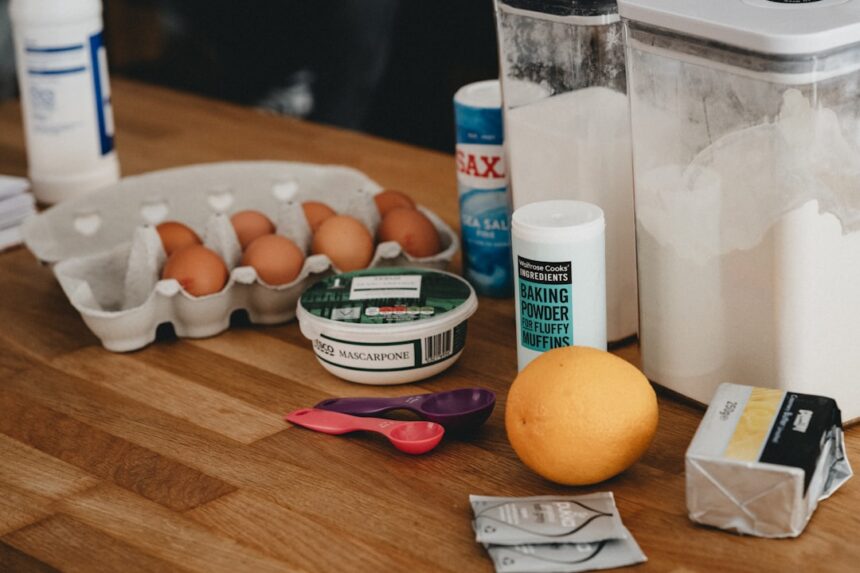
The following text is about the ingredients of Little Debbie Swiss Rolls.
Little Debbie Swiss Rolls represent a widely recognized snack cake product, characterized by their rolled sponge cake construction filled with a cream-based frosting and often coated in a chocolatey exterior. Understanding the composition of these snack cakes involves examining a diverse array of ingredients, each contributing to the product’s texture, flavor, shelf life, and overall structural integrity. The ingredient list, as provided, serves as a detailed roadmap of the components used in their manufacture. This exploration aims to dissect each ingredient, outlining its function and general category within the food science context. The assembly of these components is akin to an architect selecting materials for a building; each element has a purpose and contributes to the final structure and presentation.
Product Classification
Little Debbie Swiss Rolls fall under the broad category of convenience foods, specifically snack cakes. These items are designed for consumption between meals, offering a readily available source of energy and a palatable flavor profile. Their widespread distribution through retail channels underscores their popularity as a mass-produced confectionery item. The economic implications of such products, in terms of manufacturing scale and consumer demand, are significant.
Market Presence and Consumer Appeal
The brand “Little Debbie” itself is a well-established name in the snack food industry, with a long history of producing affordable and accessible treats. Swiss Rolls, as a product format, are globally recognized, though specific formulations vary by region and manufacturer. The appeal of Little Debbie Swiss Rolls is often linked to factors such as nostalgia, perceived value, and a consistent taste experience.
Historical Context of Snack Cakes
The development of the snack cake industry is closely tied to advancements in food processing technologies, particularly in baking and preservation. The introduction of ingredients that extend shelf life, such as sorbates and benzoates, was crucial for the widespread distribution of these products. Early snack cakes often mimicked more elaborate baked goods, making them accessible to a broader population.
If you’re curious about the ingredients in Little Debbie Swiss Rolls, you might find it interesting to explore a related article that discusses the nutritional aspects and potential allergens found in popular snack cakes. This article provides a comprehensive overview of various snack options, including Little Debbie products, and can help you make informed choices about your treats. For more information, check out the article here: Nutritional Insights on Snack Cakes.
Core Components: Flour and Sweeteners
The foundation of most baked goods, including the sponge cake component of Swiss Rolls, is flour. In this case, enriched bleached flour is specified. This indicates that the flour has undergone a bleaching process to achieve a lighter color and improved baking performance. The “enriched” aspect signifies that certain vitamins and minerals, such as iron and B vitamins, have been added back after processing, aligning with nutritional fortification practices.
The Role of Sugar
Sugar, a primary ingredient in Little Debbie Swiss Rolls, serves multiple functions beyond mere sweetness. It contributes to the texture by tenderizing the flour, promotes browning through the Maillard reaction during baking, and acts as a humectant, helping to retain moisture within the cake. The specific mention of “sugar” implies refined sugar, typically sucrose.
Other Sweetening Agents
The ingredient list also includes corn syrup and dextrose. Corn syrup is a liquid sweetener made from corn starch, known for its smoothness and ability to prevent crystallization of sugars, thus contributing to a soft texture. Dextrose, which is chemically identical to glucose, is another simple sugar that provides sweetness and contributes to the overall carbohydrate content. The interplay of these different sweeteners creates a layered sweetness and influences the final texture.
Corn Syrup and Its Properties
Corn syrup, derived from the hydrolysis of corn starch, is a complex mixture of glucose, maltose, and other saccharides. Its viscosity and lower sweetness compared to sucrose make it an effective ingredient for controlling texture and preventing excessive sweetness. In snack cakes, it contributes to a moist and chewy characteristic.
####### Dextrose in Baking
Dextrose, as a monosaccharide, is readily absorbed and utilized by the body. In baking, it contributes to browning and can enhance the overall flavor profile. Its presence alongside sucrose and corn syrup indicates a deliberate approach to managing sweetness and texture.
Fats and Oils: Contributing to Texture and Mouthfeel
The inclusion of palm and soybean oils in the ingredient list highlights the role of fats in achieving the desired texture and mouthfeel of the Swiss Rolls. These oils are common in commercial baking due to their availability, cost-effectiveness, and functional properties.
Functions of Edible Oils
Fats and oils contribute to tenderness by interfering with gluten development in the flour. They also improve the overall palatability by providing a smooth mouthfeel and carrying fat-soluble flavors. The choice of specific oils can influence the product’s stability and shelf life.
Emulsifiers and Stabilizers
The ingredient list features a number of emulsifiers and stabilizers, such as sorbitan monostearate, polysorbate 60, soy lecithin, mono- and diglycerides, sodium stearoyl lactylate, cellulose gum, and guar gum. These are critical for creating and maintaining a homogenous mixture of oil and water-based ingredients, preventing separation and contributing to a desirable texture.
Soy Lecithin
Soy lecithin is a phospholipid derived from soybeans, acting as a natural emulsifier. It helps to bind water and oil, creating a stable emulsion and preventing the cake from becoming crumbly. Its role is akin to a molecular bridge, connecting otherwise immiscible components.
####### Mono- and Diglycerides
These are derived from fats and oils and function as emulsifiers. They help to improve the dough’s consistency, distribute fat evenly, and contribute to a finer crumb structure in the cake.
######## Cellulose Gum and Guar Gum
Cellulose gum (carboxymethylcellulose) and guar gum are hydrocolloids. They act as thickeners and stabilizers, influencing the viscosity of the filling and frosting. They also contribute to water-binding, which aids in moisture retention and can improve the overall texture and shelf life of the product. Their presence can prevent the filling from weeping or separating.
Eggs and Dairy: Structure and Richness
Eggs are a fundamental ingredient in many baked goods, providing structure, richness, and leavening. They contain proteins that coagulate during baking, forming a network that supports the cake’s structure. The yolks contribute fat, flavor, and color.
Whey: A Dairy Component
Whey is a byproduct of cheese production and is a common ingredient in many processed foods. In baked goods, it can contribute to browning, add a slight richness, and act as a humectant, helping to retain moisture. Its inclusion suggests a desire to enhance the flavor and texture beyond what a simple flour base would provide.
If you’re curious about the ingredients in Little Debbie Swiss Rolls, you might find it interesting to explore a related article that discusses the nutritional aspects of popular snack cakes. This article not only delves into the specific components of Swiss Rolls but also compares them to other beloved treats. For more insights, you can check out this informative piece at In the War Room.
Leavening and Aeration
The ingredient list mentions “leavening.” This typically refers to a combination of chemical leavening agents, such as baking soda (sodium bicarbonate) and baking powder (which typically contains baking soda, an acid salt, and a filler like cornstarch). These agents produce carbon dioxide gas during baking, which expands and creates air pockets, resulting in a light and fluffy texture.
The Science of Leavening
The action of leavening agents is crucial for achieving the desired volume and delicate crumb structure of a sponge cake. The chemical reactions involved are triggered by moisture and heat, releasing gas that inflates the batter.
Salt’s Role
Salt, while seemingly a minor ingredient, plays several important roles in baking. It enhances the overall flavor profile, balancing sweetness and bringing out other flavors. It can also strengthen the gluten structure, contributing to the cake’s integrity.
Flavor and Preservation: Enhancing Palatability and Shelf Life
The inclusion of natural and artificial flavors is essential for creating the characteristic taste of the Swiss Roll. These flavorings are carefully selected to contribute to the expected chocolatey and creamy notes.
Cocoa: The Chocolate Element
Cocoa powder is the source of the chocolate flavor in many Swiss Rolls. The quality and type of cocoa used can significantly impact the intensity and depth of the chocolate taste.
Natural vs. Artificial Flavors
The distinction between natural and artificial flavors is based on their origin. Natural flavors are derived from natural sources, while artificial flavors are synthesized compounds. Both are used to achieve specific taste profiles in food products.
Caramel Color
Caramel color is a food coloring agent produced by heating carbohydrates. It is used to impart a brown hue to the product, contributing to its visual appeal and suggesting the presence of chocolate or caramelized components.
Preservatives: Extending Shelf Life
A significant portion of the ingredient list comprises preservatives, which are vital for ensuring the product’s safety and maintaining its quality over time. These compounds prevent the growth of microorganisms such as bacteria, yeasts, and molds.
Potassium Sorbate and Sorbic Acid
Potassium sorbate and sorbic acid are common antimicrobial preservatives. They are effective against molds and yeasts and are often used in combination to provide broad-spectrum preservation. Their presence is a key factor in the long shelf life of commercial baked goods.
Citric Acid
Citric acid is a weak organic acid that can function as a preservative by lowering the pH of the food product, making it less hospitable to microbial growth. It also acts as an antioxidant and can contribute a slight tartness to the overall flavor profile.
Sodium Propionate and Sodium Benzoate
Sodium propionate and sodium benzoate are also antimicrobial preservatives. Sodium propionate is particularly effective against mold growth in baked goods, while sodium benzoate is a broad-spectrum preservative. Their collective use ensures a robust preservation system for the product.
The Necessity of Preservatives
In the context of mass-produced food items intended for sale in varied environments, preservatives are indispensable. They act as guardians against spoilage, safeguarding the product from microbial degradation and ensuring that consumers receive a safe and palatable item over an extended period. Without them, the journey from manufacturing plant to consumer’s pantry would necessitate much more rapid consumption or specialized packaging.
Understanding the Ingredient List as a Whole
The complete ingredient list for Little Debbie Swiss Rolls illustrates a common approach in commercial food production, where a balance is sought between taste, texture, cost, and shelf life. Each ingredient, from the base flour and sweeteners to the emulsifiers and preservatives, serves a distinct purpose in the complex manufacturing process. The utilization of a diverse range of components highlights the scientific principles applied in modern food engineering. The product, therefore, is a carefully formulated construction, where each element, like a brick in a wall, contributes to the final edifice of taste and accessibility. The consumer, by examining the ingredient list, gains insight into the intricate processes that bring these familiar snack cakes to market.

▶️ Your Pantry Is A Lie: 33 Secrets Big Food Is Hiding From You
FAQs
What are the main ingredients in Little Debbie Swiss Rolls?
The main ingredients typically include enriched flour, sugar, corn syrup, water, vegetable oil, eggs, cocoa, and leavening agents.
Are there any allergens present in Little Debbie Swiss Rolls?
Yes, Little Debbie Swiss Rolls contain allergens such as wheat, eggs, and soy. They may also be processed in facilities that handle nuts and dairy.
Do Little Debbie Swiss Rolls contain any artificial flavors or preservatives?
Yes, the product often contains artificial flavors and preservatives to maintain freshness and enhance taste.
Are Little Debbie Swiss Rolls gluten-free?
No, Little Debbie Swiss Rolls are not gluten-free as they contain enriched wheat flour.
Is there any nutritional information available for Little Debbie Swiss Rolls?
Yes, nutritional information including calories, fat, sugar, and protein content is available on the packaging and the official Little Debbie website.