
Here is an article about enhancing frozen chicken with sodium phosphate, written in a Wikipedia-style factual tone.
The addition of sodium phosphate to frozen chicken products is a widely adopted practice in the food industry. This practice aims to improve the quality characteristics of the meat, addressing potential issues that arise during the freezing and thawing processes. The underlying principle involves the interaction of sodium phosphate with the muscle proteins of the chicken, influencing its water-holding capacity, texture, and overall palatability. Understanding these mechanisms is crucial for comprehending the efficacy and rationale behind this food technology.
Sodium phosphate acts as a functional ingredient in processed meats, including frozen chicken. Its primary function is to enhance the meat’s ability to retain moisture. Muscle tissue, the primary component of chicken, is essentially a complex matrix of protein fibers. During the natural state of the animal, these proteins are surrounded by water and various soluble components. Freezing, however, can disrupt this delicate balance.
The Impact of Freezing on Muscle Tissue
The process of freezing involves the formation of ice crystals within the muscle cells. As water transforms into ice, it expands, potentially causing physical damage to the cell membranes and structures. This can lead to a loss of intracellular fluid when the ice melts during thawing. Consider muscle tissue as a sponge; when frozen, the water within the sponge forms ice, and upon thawing, some of that water may be squeezed out, leaving the sponge drier. This water loss is a significant determinant of the final product’s juiciness and texture.
The Science of Water-Holding Capacity
Water-holding capacity (WHC) refers to the ability of meat to retain its own water. A higher WHC means the meat will lose less moisture during processing and cooking, resulting in a juicier and more tender product. Conversely, a lower WHC can lead to dryness and a tougher bite. Factors influencing WHC include the inherent properties of the muscle proteins, the pH of the meat, and the presence of various additives.
Other Functional Properties of Sodium Phosphate
Beyond moisture retention, sodium phosphate can also influence other key attributes of frozen chicken. Its alkaline nature can alter the pH of the meat, which in turn affects protein solubility and conformation. This alteration can lead to improved emulsification properties, making it easier to bind fat and water in formulated products like chicken nuggets or sausages. Furthermore, it can contribute to desirable color development and inhibit lipid oxidation, thereby extending shelf life.
Sodium phosphate is commonly used in the processing of frozen chicken to enhance moisture retention and improve texture. For more insights into the implications of additives in poultry products, you can read a related article that discusses the role of various preservatives and their effects on food quality. Check it out here: related article.
Mechanisms of Sodium Phosphate Action on Muscle Proteins
Sodium phosphate exerts its beneficial effects through a series of interactions with the complex protein network within chicken muscle. These interactions are primarily electrostatic and steric, leading to modifications in protein structure and function.
Protein Denaturation and Swelling
At physiological levels, muscle proteins are organized in a very specific three-dimensional structure. Sodium phosphate, particularly in its dissociated ionic forms (orthophosphates), can interfere with the forces holding these proteins together. This interference can lead to a mild denaturation, where the protein structure loosens. This loosening allows more space for water molecules to associate with the protein, effectively increasing the volume occupied by the protein-water complex. Think of the protein fibers as tightly coiled springs; sodium phosphate helps to gently uncoil them, allowing more space for water to be absorbed.
Alteration of Protein Solubility
The solubility of muscle proteins is crucial for their ability to interact with water and fat. Sodium phosphate can increase the solubility of key proteins like actin and myosin, which are the primary contractile components of muscle. By increasing their solubility, these proteins become more accessible to water, facilitating greater water uptake and retention. This enhanced solubility is a cornerstone of improved juiciness.
pH Effects on Protein Conformation
Sodium phosphate salts are alkaline, meaning they can raise the pH of the meat. The pH of meat is a critical factor affecting protein charge and conformation. As the pH increases towards the isoelectric point of muscle proteins (the pH at which proteins carry no net electrical charge), their solubility decreases. However, sodium phosphate’s effect is more nuanced; it dissociates into different phosphate ions at varying pH levels, and it’s the interaction of these ions with protein groups that leads to the observed benefits. A slightly elevated pH can weaken the internal bonds within protein molecules, causing them to expand and bind more water. This is akin to adjusting the salinity of a solution to encourage or discourage the dissolution of a substance.
Interaction with Calcium Ions
Muscle contraction and relaxation are regulated by the movement of calcium ions within muscle cells. Sodium phosphate can chelate, or bind to, calcium ions. While not the primary mechanism for moisture retention, this interaction can influence enzymatic activity within the muscle that would otherwise contribute to protein degradation and water loss. By sequestering calcium, sodium phosphate can help stabilize the muscle structure.
Applications in Frozen Chicken Processing
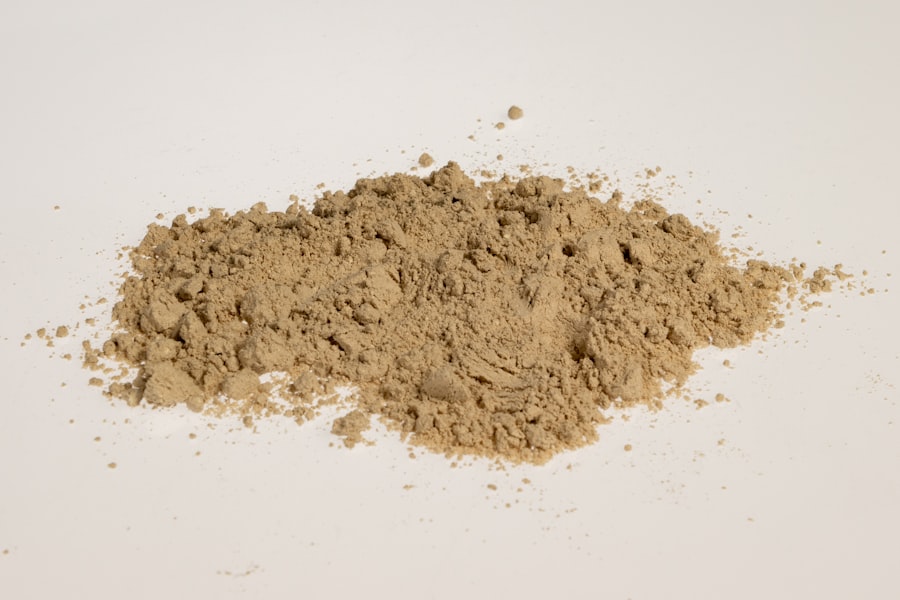
The application of sodium phosphate in frozen chicken processing is strategic, aimed at mitigating the inherent challenges of preserving the meat’s quality through the freezing and thawing cycle. It is rarely applied directly to whole, unfrozen birds but rather to specific cuts or formulated products where its functional benefits can be fully realized.
Injection and Tumbling Techniques
Sodium phosphates are typically introduced to chicken meat through injection or tumbling processes. Injection involves injecting a solution containing sodium phosphate directly into the muscle tissue. This ensures a relatively uniform distribution of the ingredient. Tumbling is a mechanical process where chicken pieces are placed in a rotating drum, and the sodium phosphate solution is added. The tumbling action helps to massage the solution into the meat, promoting better absorption. Both methods are designed to deliver the phosphate ions to the muscle proteins effectively.
Formulated Chicken Products
Sodium phosphate is particularly prevalent in formulated chicken products like chicken nuggets, sausages, and processed chicken deli meats. In these applications, the meat is often de-boned, ground, or comminuted, which increases the surface area and makes it more susceptible to moisture loss. Sodium phosphate helps to maintain the desired texture, binding, and juiciness in these products, ensuring consistency across batches. For instance, in a chicken nugget, the phosphate helps bind the water and fat within the mixture, preventing it from separating during cooking.
Marination and Brining
In some instances, sodium phosphate is incorporated into marinades or brines intended for chicken. Marinating and brining are processes used to infuse flavor and improve the texture of meat. The presence of sodium phosphate in these solutions further enhances the moisture-binding properties of the chicken, leading to a juicier and more tender final product, especially after it has been frozen and subsequently cooked.
Reconstituted Chicken Products
For certain processed chicken products, particularly those made from mechanically separated chicken or other mechanically de-boned meat, sodium phosphate plays a crucial role in reconstituting the meat particles. It helps to bind these smaller pieces together, forming a cohesive mass that mimics the texture of intact muscle. This is vital for products like reformed chicken steaks or patties.
Considerations and Regulatory Aspects
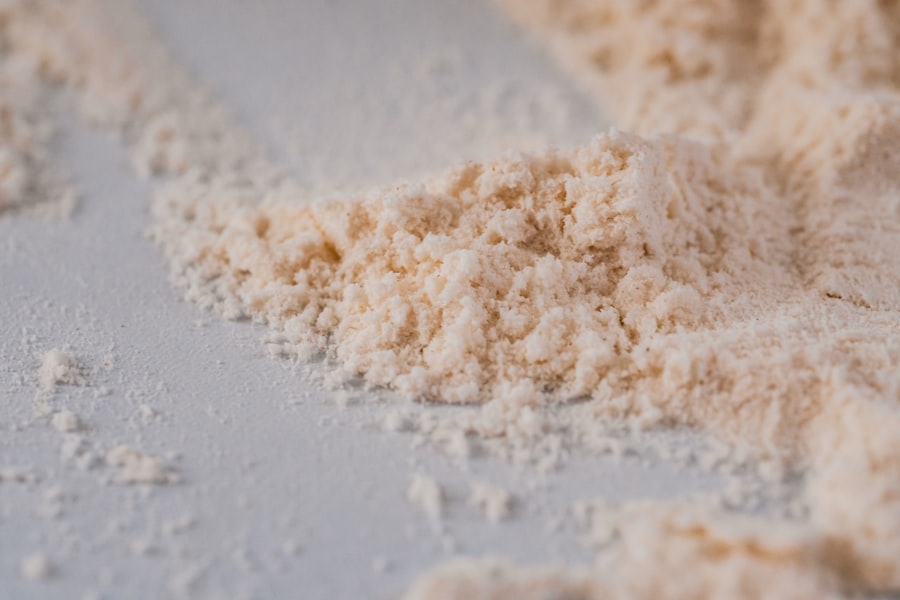
The use of sodium phosphate in food products is subject to regulatory oversight to ensure consumer safety and to prevent deceptive practices. While generally recognized as safe (GRAS) by regulatory bodies in many countries when used within specified limits, understanding these regulations is important.
Permissible Levels and Labeling
Food safety authorities typically set maximum permissible levels for sodium phosphate in various food categories. These limits are established based on toxicological data and are designed to ensure that consumers do not ingest excessive amounts. The presence and type of phosphate used must also be declared on the product’s ingredient list, typically as “sodium phosphate” or a specific type like “trisodium phosphate” if it is the primary phosphate salt used. Transparency in labeling allows consumers to make informed choices.
Impact on Nutritional Value
The addition of sodium phosphate does not significantly alter the fundamental nutritional profile of chicken in terms of macronutrients like protein, fat, and carbohydrates. However, it does contribute to the sodium content of the final product. Consumers who are monitoring their sodium intake should be aware of this. The primary benefit of sodium phosphate is for functional improvement, not for enhancing caloric or essential nutrient content. It’s a functional tool, not a nutritional supplement.
Potential for Over-Processing
While beneficial, the overuse of sodium phosphate can lead to undesirable textural changes, such as a “mushy” or “gelatinous” texture. This is why precise control over the concentration and application method is critical. Food manufacturers must work within established guidelines and conduct quality control to ensure the optimal balance between functional benefit and undesirable textural outcomes.
Sodium phosphate is commonly used in frozen chicken products as a means to enhance moisture retention and improve texture. For those interested in understanding the broader implications of food additives, a related article discusses the various roles and regulations surrounding food preservatives and their impact on consumer health. You can read more about this topic in the article found here.
Alternatives and Future Trends
| Metric | Value | Unit | Notes |
|---|---|---|---|
| Typical Sodium Phosphate Concentration | 0.3 – 0.5 | % by weight | Added during processing to retain moisture |
| Moisture Retention Increase | 5 – 10 | % increase | Compared to untreated frozen chicken |
| pH Level of Treated Chicken | 6.5 – 7.0 | pH units | Phosphate raises pH to improve water retention |
| Sodium Content Increase | 200 – 400 | mg per 100g | Due to sodium phosphate addition |
| Regulatory Limit | 0.5 | % by weight | Maximum allowed phosphate in poultry by FDA |
The food industry is continuously exploring new ingredients and technologies to enhance food quality. While sodium phosphate remains a dominant player in frozen chicken processing, research into alternatives and novel approaches is ongoing.
Other Phosphate Salts
Beyond sodium phosphates, other phosphate salts, such as potassium phosphates, are also used in meat processing. These can offer similar functional benefits, sometimes with specific advantages depending on the desired outcome or regulatory considerations. The choice between sodium and potassium phosphates may also be influenced by a desire to reduce sodium content in a product.
Non-Phosphate Alternatives
Research is exploring non-phosphate ingredients that can mimic the water-binding and textural properties attributed to sodium phosphate. These include various hydrocolloids, plant-based proteins, and enzymes. The goal is to achieve similar improvements in juiciness and texture without the use of phosphates, catering to consumer demand for “cleaner” ingredient labels.
Advanced Processing Technologies
Beyond ingredient additives, advancements in processing technologies are also contributing to the quality of frozen chicken. Improved freezing techniques that minimize ice crystal formation, optimized thawing protocols, and innovative packaging solutions are all playing a role in preserving the meat’s integrity from farm to table. These technologies aim to reduce the reliance on chemical additives by addressing the root causes of quality degradation.
Consumer Perception and Market Demand
Consumer perception regarding food ingredients plays a significant role in driving innovation. As awareness of certain additives grows, the demand for products with fewer ingredients or with ingredients perceived as more “natural” increases. This trend encourages the food industry to invest in developing and validating alternative solutions to sodium phosphate that meet both functional and consumer demand criteria. The market is a powerful force in shaping ingredient usage and research directions.
▶️ Your Pantry Is A Lie: 33 Secrets Big Food Is Hiding From You
FAQs
What is sodium phosphate and why is it used in frozen chicken?
Sodium phosphate is a food additive commonly used in frozen chicken to retain moisture, improve texture, and enhance flavor. It helps the chicken stay juicy and tender after freezing and cooking.
Is sodium phosphate safe to consume in frozen chicken?
Yes, sodium phosphate is generally recognized as safe (GRAS) by food safety authorities when used within regulated limits. It is widely used in the food industry and poses no significant health risks for most people.
Does sodium phosphate affect the nutritional value of frozen chicken?
Sodium phosphate does not significantly alter the nutritional content of frozen chicken. It mainly affects moisture retention and texture rather than the protein, fat, or vitamin content.
Can sodium phosphate cause allergic reactions or sensitivities?
Allergic reactions to sodium phosphate are rare. However, some individuals may be sensitive to phosphate additives and could experience mild digestive discomfort. People with kidney problems should consult a healthcare provider before consuming foods with added phosphates.
How can consumers identify sodium phosphate in frozen chicken products?
Sodium phosphate is usually listed in the ingredients section on frozen chicken packaging. It may appear as sodium phosphate, sodium tripolyphosphate, or other phosphate-related names. Reading labels helps consumers make informed choices.