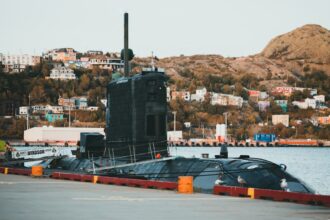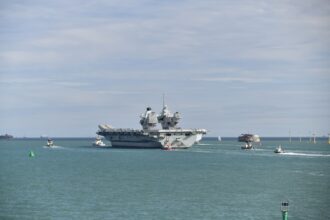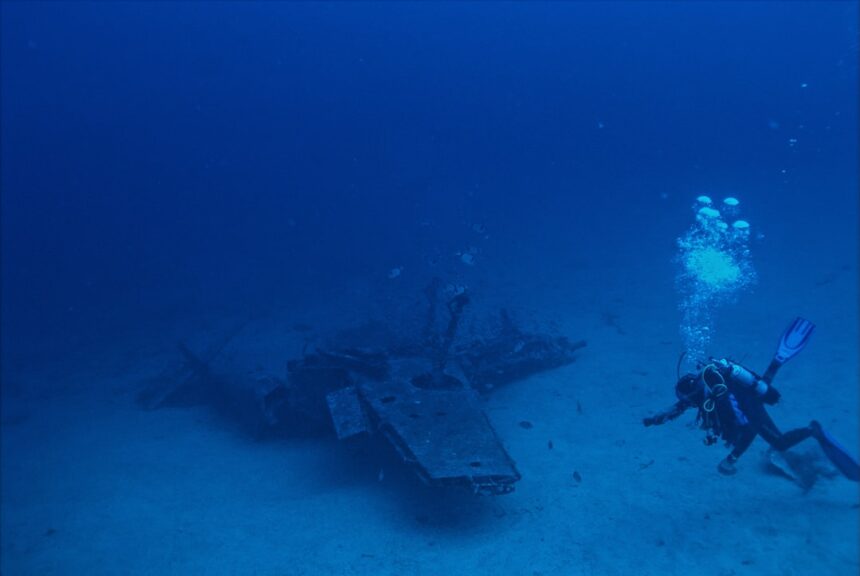
The Cold War was a period of intense geopolitical tension between the United States and the Soviet Union, and their respective allies. This era of proxy wars, ideological struggle, and nuclear brinkmanship saw a constant, often unseen, battle waged beneath the waves of the world’s oceans. At the heart of this underwater struggle was the strategic imperative of tracking the enemy’s submarines, a task made notoriously difficult by the very nature of the undersea domain. For the United States and its NATO allies, one particular geographical choke point became a focal point of this cat-and-mouse game: the Greenland-Iceland-United Kingdom (GIUK) Gap.
The development of nuclear-powered submarines in the mid-20th century fundamentally altered naval warfare. Gone were the days of relatively slow, diesel-electric boats with limited endurance. Nuclear submarines could remain submerged for months, covering vast distances and operating with a stealth that was previously unimaginable. This capability presented a profound strategic challenge, particularly for the Western powers. Soviet submarines, armed with nuclear missiles, posed an existential threat, capable of delivering a first strike that could cripple their adversary’s command and control or decimate their industrial heartland.
The Dawn of the Nuclear Submarine
The initial designs and deployments of nuclear submarines by both the United States and the Soviet Union marked a turning point. These vessels were no longer bound by the need for frequent surfacing to recharge batteries; they were true underwater predators, capable of operating undetected for extended periods. The SSBN (Ship Submersible Ballistic Missile) became the ultimate deterrent, a mobile launch platform for intercontinental ballistic missiles, capable of retaliating even after a devastating enemy attack.
The Stealth Imperative
The effectiveness of submarines, especially nuclear-armed ones, lay in their stealth. Navies constantly worked to reduce the acoustic signature of their vessels, employing advanced quieting techniques, streamlined hull designs, and specialized materials to minimize noise. Conversely, they also sought to enhance their ability to detect the faint sounds of enemy submarines amidst the cacophony of the ocean. This arms race between acoustic silence and acoustic detection became a defining characteristic of the Cold War naval struggle.
The Strategic Deterrent
The primary mission of Soviet submarines, from the perspective of NATO, was to act as a nuclear deterrent. Their ability to hide and then emerge to launch missiles meant that they were perceived as a constant, credible threat. The fear was that a significant portion of the Soviet submarine fleet could survive a nuclear attack and then launch a retaliatory strike, ensuring mutual assured destruction (MAD).
During the Cold War, the GIUK Gap became a critical area for submarine tracking and naval strategy, as it served as a strategic choke point between Greenland, Iceland, and the United Kingdom. The importance of this region in monitoring Soviet submarine movements has been extensively analyzed in various military studies. For a deeper understanding of the tactics and technologies employed during this period, you can read a related article that discusses the implications of submarine warfare in the GIUK Gap at this link.
The GIUK Gap: A Strait of Strategic Significance
The GIUK Gap, a vast expanse of ocean between Greenland, Iceland, and the United Kingdom, is not a narrow strait in the conventional sense. Instead, it refers to a series of strategically important seaways that connect the North Atlantic to the Arctic Ocean. For any Soviet submarine operating out of Murmansk or other northern bases and aiming to threaten North America or the shipping lanes of the Atlantic, passing through or near this region was almost unavoidable.
Geographical Definition and Boundaries
The GIUK Gap is generally understood to encompass the waters between the eastern coast of Greenland, Iceland, and the western coast of Scotland and Ireland. This region includes the Denmark Strait, the Iceland-Faroe Ridge, and the North Atlantic channels north and west of the British Isles. The vastness of these waters provided ample room for submarines to hide.
Strategic Importance for the Soviet Union
For the Soviet Union’s Northern Fleet, which operated the majority of its submarine force, the GIUK Gap was the gateway to the open Atlantic. It was their primary avenue for projecting power into the more strategically vital western theaters. The ability to transit this gap undetected was crucial for maintaining the operational flexibility and survivability of their submarine force.
Strategic Importance for NATO
Conversely, for NATO, the GIUK Gap represented a critical defensive line. The primary goal was to prevent Soviet submarines from reaching the open ocean where they could pose a threat to transatlantic supply lines or launch nuclear missiles. Effectively monitoring and potentially neutralizing submarines within this gap was a top priority for Western naval intelligence and operational planning.
The “Gatekeepers” Role
NATO’s navies viewed the GIUK Gap as a natural choke point, a sort of bottleneck through which Soviet submarines had to pass. By concentrating their surveillance assets in this region, they hoped to effectively “gatekeep” the Atlantic, identifying and tracking submarines as they moved between their northern bases and their potential operating areas.
The Technical Arms Race: Surveillance and Counter-Surveillance
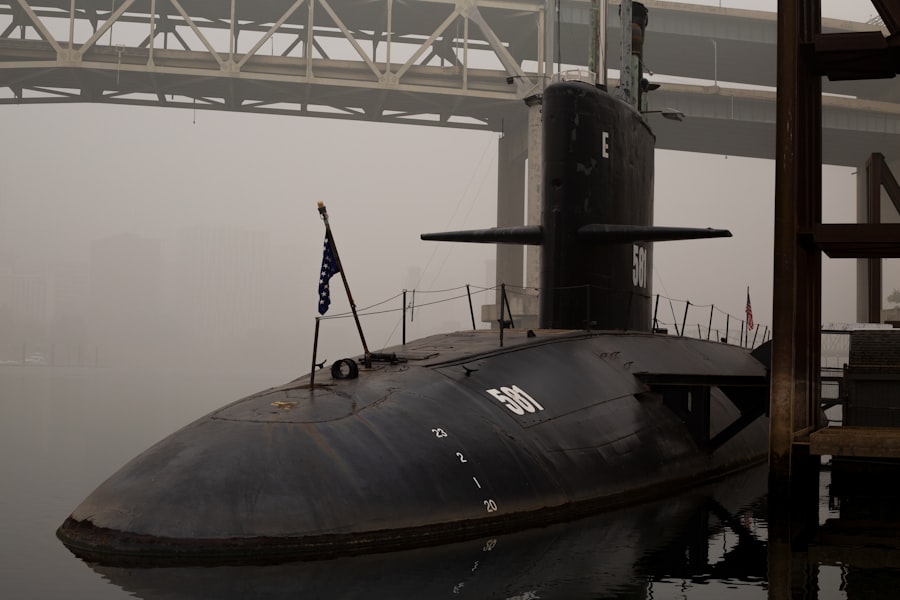
The challenge of tracking submarines in the vast and often noisy environment of the ocean spurred an intense technological arms race. Both sides poured immense resources into developing sophisticated sonar systems, hydrophones, and other detection methods, while simultaneously working to mask their own movements.
Sonar Technology: The Ears of the Fleet
Sonar, or Sound Navigation and Ranging, was the cornerstone of submarine detection. Active sonar emits sound pulses and listens for echoes, while passive sonar simply listens for sounds emitted by the target. The Cold War saw continuous advancements in both types of sonar.
Passive Sonar: Listening to the Depths
Passive sonar became increasingly sophisticated, allowing operators to analyze the complex acoustic signatures of various submarine classes. This involved identifying the unique sounds produced by different propeller designs, engine types, and operational maneuvers. The subtlety of these sounds made it a critical tool for long-range detection and identification.
Active Sonar: The “Ping” and Its Drawbacks
Active sonar, while capable of providing more precise location data, also had a significant drawback: it revealed the presence of the detecting platform. A “ping” sent out by an active sonar system transmitted the sonar platform’s location, making it vulnerable to enemy submarines that were skilled in evasive maneuvers or counter-detection.
Hydrophone Networks: A Static Shield
To supplement the mobile capabilities of surface ships and other submarines, extensive networks of fixed and towed hydrophones were deployed. These listening posts, strategically placed along continental shelves and in strategic choke points like the GIUK Gap, formed a passive “net” designed to capture the sounds of passing submarines.
SOSUS: The Sound Surveillance System
One of the most significant of these was the United States’ Sound Surveillance System (SOSUS). This vast, Cold War-era underwater listening network, comprised of an array of seafloor acoustic sensors, was specifically designed to detect Soviet submarine movements. It was a silent sentinel, a distributed nervous system of the ocean floor, constantly transmitting data back to shore-based analysis centers.
Fixing the “Gap” with SOSUS
SOSUS was instrumental in establishing a surveillance perimeter within the GIUK Gap. By strategically placing its sensors, the system could effectively monitor the major transit routes. The data collected by SOSUS provided crucial intelligence on the number, type, and general location of Soviet submarines operating in the area.
Magnetic Anomaly Detectors (MAD): A Complementary Tool
Magnetic Anomaly Detectors (MAD) were another important, albeit more limited, tool. These devices detect anomalies in the Earth’s magnetic field caused by the presence of large, dense objects like submarines. MAD was typically employed by aircraft, often the final element in a multi-layered tracking effort.
The Intelligence War Beneath the Waves
Beyond the purely technical, the tracking of submarines involved a significant intelligence effort. This included signals intelligence (SIGINT) to intercept communications, human intelligence (HUMINT) to gather information from various sources, and analysis of satellite imagery that could sometimes reveal submarine activity or infrastructure.
The Constant Vigilance: NATO’s Anti-Submarine Warfare (ASW) Efforts
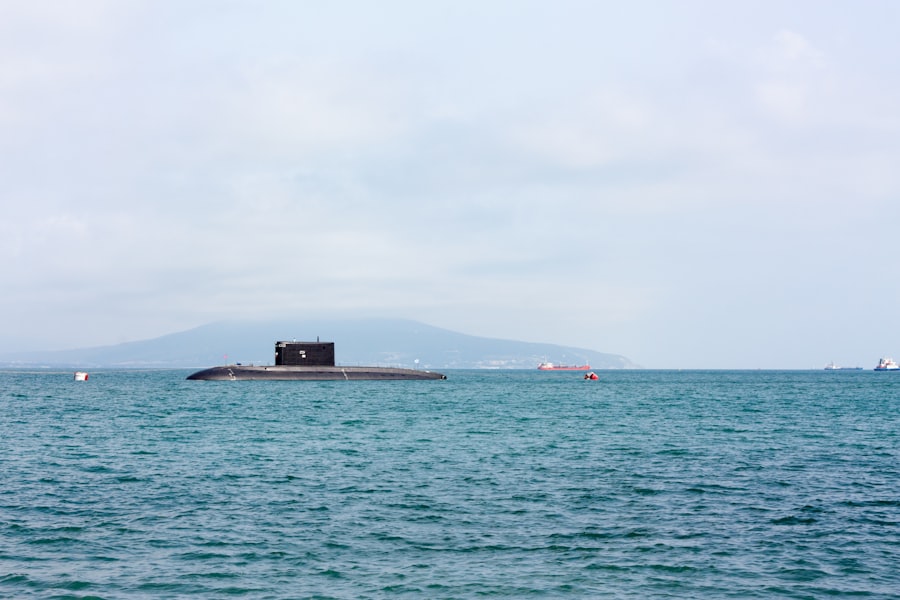
The GIUK Gap was a primary theater for NATO’s anti-submarine warfare (ASW) operations. A coordinated effort involving naval forces, air power, and advanced intelligence capabilities was dedicated to monitoring and, if necessary, countering the threat posed by Soviet submarines.
The Role of Surface Fleets
Surface fleets, armed with a variety of sonar systems, torpedoes, and anti-submarine rockets, played a crucial role in patrolling the GIUK Gap. Dedicated ASW escorts, often frigates and destroyers, were the workhorses of these patrols.
ASW Frigates and Destroyers
These vessels were specifically designed with ASW in mind, featuring hull-mounted sonar, variable depth sonar, and sophisticated torpedo systems. Their constant presence in the GIUK Gap served as a deterrent and a vital component of the surveillance network.
Carrier Strike Groups
While not solely focused on ASW, carrier strike groups also contributed to the overall anti-submarine effort. Their embarked aircraft, particularly helicopters, could conduct extensive anti-submarine patrols and provide aerial support to surface escorts.
Maritime Patrol Aircraft: The Eyes in the Sky
Maritime patrol aircraft, such as the P-3 Orion, were indispensable assets in the GIUK Gap. These aircraft could cover vast swathes of ocean, using their radar, sonobuoys (acoustic sensors deployed from the air), and MAD systems to detect and track submarines.
Sonobuoy Deployment: A Disposable Fleet
Sonobuoys, when dropped into the water, acted as temporary listening posts. They could be deployed in patterns that created a grid of acoustic surveillance, allowing aircraft to gather information from multiple points simultaneously. This capability was critical for covering the immense area of the GIUK Gap.
Submarine vs. Submarine: The Underwater Duel
Perhaps the most direct and challenging form of ASW involved submarines hunting other submarines. NATO submarines, trained in stealth and torpedo warfare, were deployed to patrol the GIUK Gap, engaging in a silent, deadly game of cat and mouse with their Soviet counterparts.
The Hunter-Killer Submarine
These specialized submarines were designed to track and destroy enemy submarines rather than launch ballistic missiles. They were highly maneuverable, quiet, and armed with a formidable array of torpedoes and other anti-submarine weapons.
The Psychological Standoff
The psychological aspect of submarine warfare cannot be overstated. The knowledge that a silent, unseen adversary might be lurking nearby, listening for every creak and groan, created immense pressure on submarine crews.
During the Cold War, the GIUK gap became a critical area for submarine tracking and naval strategy, as it served as a chokepoint for Soviet submarines attempting to access the Atlantic. The intense focus on this region led to numerous technological advancements and intelligence operations aimed at monitoring underwater activities. For a deeper understanding of the strategic implications and the ongoing relevance of submarine tracking in modern warfare, you can read more in this insightful article on submarine operations.
The Soviet Response and Evolving Tactics
| Metric | Description | Value/Details |
|---|---|---|
| GIUK Gap Location | Geographical area between Greenland, Iceland, and the United Kingdom | North Atlantic Ocean |
| Primary Purpose | Tracking Soviet submarines during the Cold War | Monitor and detect Soviet naval movements |
| Tracking Methods | Technologies used to monitor submarine activity | Sonar arrays, maritime patrol aircraft, SOSUS (Sound Surveillance System) |
| Number of SOSUS Arrays | Underwater hydrophone arrays deployed in the GIUK Gap | Approximately 10 arrays operational during peak Cold War |
| Submarine Types Tracked | Classes of Soviet submarines monitored | November, Victor, Alfa, and Typhoon classes |
| Detection Range | Effective range of sonar and surveillance systems | Up to 200 nautical miles depending on conditions |
| Number of Patrol Aircraft | Maritime patrol aircraft assigned to GIUK Gap surveillance | Dozens of P-3 Orion and Nimrod aircraft during peak periods |
| Cold War Period | Years during which GIUK Gap tracking was most active | 1947 – 1991 |
| Significance | Strategic importance of GIUK Gap in naval warfare | Key chokepoint controlling access to Atlantic Ocean |
The Soviet Union was not static in its approach; its submarine forces constantly adapted to NATO’s surveillance efforts, seeking new ways to transit the GIUK Gap and evade detection. This resulted in a continuous evolution of tactics and technology on both sides.
The “Silent Running” Doctrine
Soviet submarine commanders emphasized “silent running,” a doctrine that prioritized minimizing noise above all else. This involved meticulous maintenance, careful speed control, and avoiding unnecessary maneuvers.
The “Christmas Tree” Effect and Other Evasion Techniques
Submarine crews developed various evasion techniques. The “Christmas tree” effect, for example, involved deliberately creating acoustic decoys or masks to confuse pursuers. Other tactics included using the ocean’s thermocline to mask their acoustic signature or operating at extreme depths.
Submarine Design and Countermeasures
Soviet submarine designs also evolved to incorporate quieter propulsion systems and hull coatings to reduce acoustic reflectivity. They were also equipped with countermeasures designed to confuse or disable NATO’s sonar systems.
The Importance of the Arctic Sanctuary
The Soviet Union also increasingly relied on the acoustically challenging environment of the Arctic Ocean as a sanctuary for its submarines. The thick ice cover offered a natural acoustic shield, making detection by surface ships and even some airborne sensors significantly more difficult.
Legacies and Lessons Learned from the GIUK Gap
The intense ASW efforts surrounding the GIUK Gap during the Cold War yielded a wealth of knowledge and technological advancements that continue to influence modern naval warfare. The lessons learned about the challenges of operating in this strategically vital region remain relevant today.
Technological Advancements Continue
The technologies developed for tracking submarines during the Cold War, from advanced sonar processing to acoustic modeling, laid the groundwork for much of the ASW technology used by navies worldwide today. The principles of layered defense and integrated surveillance remain paramount.
The Enduring Strategic Importance
While the geopolitical landscape has shifted, the strategic importance of the GIUK Gap endures. It remains a key transit route for naval forces and a region where the potential for undersea conflict persists, albeit with different actors and motivations. The lessons learned about maintaining situational awareness in this challenging maritime environment are still critical.
The Unseen Battle
The Cold War beneath the waves was largely an unseen battle, fought by dedicated crews in the isolation of the ocean depths. The efforts of those involved, from the sonar operators listening for the faintest of sounds to the commanders making split-second decisions, were crucial in maintaining a delicate balance of power. The GIUK Gap stands as a testament to the ingenuity and determination of those who patrolled its waters, a silent guardian of the Cold War’s precarious peace.

WATCH NOW ▶️ WARNING: The $17M Deal That Blinded The US Navy
FAQs
What was the GIUK Gap during the Cold War?
The GIUK Gap refers to the maritime area between Greenland, Iceland, and the United Kingdom. During the Cold War, it was a strategically important naval choke point used to monitor and control Soviet submarine movements from the Arctic Ocean into the Atlantic.
Why was submarine tracking in the GIUK Gap important?
Submarine tracking in the GIUK Gap was crucial for NATO forces to detect and monitor Soviet submarines attempting to enter the Atlantic Ocean. This helped prevent surprise attacks and maintained control over vital sea lanes during the Cold War.
What technologies were used to track submarines in the GIUK Gap?
Tracking technologies included underwater sonar arrays, such as the SOSUS (Sound Surveillance System), maritime patrol aircraft equipped with sonar and radar, and surface ships conducting anti-submarine warfare operations.
How did the GIUK Gap influence Cold War naval strategy?
The GIUK Gap was a key strategic point for NATO to contain Soviet naval forces. Controlling this gap allowed NATO to limit Soviet submarine access to the Atlantic, thereby protecting North America and Western Europe from potential naval threats.
Is the GIUK Gap still relevant for submarine tracking today?
Yes, the GIUK Gap remains strategically important for modern naval operations. It continues to be monitored for submarine activity by NATO and allied forces, as it serves as a critical passage between the Arctic and the Atlantic Oceans.