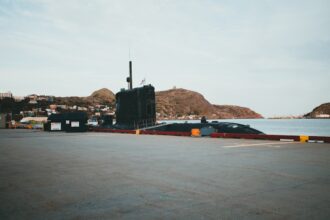
The silent depths surrounding Petropavlovsk-Kamchatsky hold secrets, echoes of a bygone era where the Cold War’s chill permeated the very waters. For those seeking to understand this pivotal chapter in naval history, a journey to the former Soviet submarine base, now partially accessible, offers a unique portal into a world of strategic importance and formidable engineering. This exploration will delve into the physical remnants, the historical context, and the enduring legacy of this once clandestine installation.
The Soviet Union’s decision to establish a major submarine base on the Kamchatka Peninsula was not born of caprice, but of a calculated geopolitical strategy. In the vast expanse of the Pacific, the need for a forward operating base capable of projecting Soviet naval power was paramount. The United States, with its burgeoning Pacific fleet and proximity to Soviet shores, presented a constant strategic challenge.
The Rise of the Silent Service
The Cold War era witnessed an unprecedented arms race, and the development of nuclear-powered submarines became a cornerstone of both American and Soviet military doctrine. These vessels, the ultimate predators of the deep, demanded secure and well-equipped bases to support their extended deployments and refit cycles.
The Ballistic Missile Submarine (SSBN) Revolution
The advent of the Polaris missile, and later the Poseidon and Trident systems carried by American SSBNs, shifted the strategic balance. The Soviet Union responded in kind with its own growing fleet of SSBNs, armed with increasingly capable intercontinental ballistic missiles. These submarines, capable of launching a devastating retaliatory strike from the ocean’s depths, necessitated bases that could protect them from pre-emptive attack and facilitate their rapid deployment.
The Attack Submarine (SSN) Threat
Beyond the nuclear deterrent, the Soviet Union also possessed a formidable fleet of attack submarines. These vessels were designed to hunt enemy submarines and surface ships, and their effective deployment required bases that offered protection and logistical support. The potential for these submarines to disrupt vital sea lines of communication was a constant source of concern for the West.
The Pacific Gambit
The establishment of a permanent, well-defended base on the Pacific coast was a critical component of the Soviet Union’s grand strategy to counter American influence in the region. Situated on the easternmost edge of the vast Eurasian landmass, the Kamchatka Peninsula offered a strategic location, allowing submarines to sortie into the Pacific Ocean with relative ease and reach key areas in a timely manner.
The Bering Sea and Beyond
The base at Petropavlovsk-Kamchatsky provided a crucial launchpad for submarines operating in the Bering Sea, the North Pacific, and even further afield towards Japan and the United States’ West Coast. The ability to operate within striking distance of these territories was a significant psychological and military advantage.
The Covert Nature of the Operation
For much of its operational life, the Petropavlovsk-Kamchatsky submarine base remained shrouded in secrecy. Its existence and capabilities were known to Western intelligence agencies, but the full extent of its operations and the intricacies of its infrastructure were carefully guarded. This veil of secrecy was a testament to the high stakes of the Cold War.
The Petropavlovsk Soviet submarine base, located on the Kamchatka Peninsula, has a rich history that reflects the strategic importance of naval power during the Cold War. For those interested in exploring more about the geopolitical implications of submarine bases and their role in modern warfare, a related article can be found at In the War Room, which delves into the evolution of submarine warfare and its impact on international relations.
The Architectural Marvels of Secrecy
The physical infrastructure of the Petropavlovsk-Kamchatsky submarine base is a testament to Soviet engineering prowess and the lengths to which they would go to protect their most valuable military assets. Hidden from casual observation and designed for both operational efficiency and a degree of survivability, the base is a sprawling complex with a unique character.
The Submarine Pens: Guardians of the Deep
Perhaps the most iconic feature of the base are the submarine pens, also known as hangars or berths. These massive concrete structures were designed to provide shelter and security for the submarines, protecting them from aerial attack and the harsh elements.
Underground Fortifications
Many of the submarine pens were not merely above-ground structures, but were carved directly into the hillsides or constructed with substantial earth and concrete cover. This provided an additional layer of protection against attack, making direct hits incredibly difficult. Imagine colossal, half-hidden dragon mouths, silently swallowing and disgorging their formidable charges.
Specialized Berthing Facilities
Within these pens, specialized berthing facilities were constructed. These included flooded docks, repair workshops, and storage areas for torpedoes, missiles, and other essential supplies. The sheer scale of these facilities reflects the size and operational tempo of the submarine fleet they were designed to support.
The Operational Infrastructure: A City Within a City
Beyond the submarine pens, the base was a self-contained operational hub, a mini-city dedicated to the maintenance and deployment of its underwater fleet. This intricate network of facilities ensured that the submarines could operate with minimal reliance on external support.
Fuel and Ammunition Depots
The secure storage of vast quantities of fuel, both for the submarines and the base’s own power generation, was crucial. Similarly, strategically located and heavily fortified ammunition depots ensured a ready supply of offensive weaponry.
Repair and Maintenance Hangars
When submarines returned from patrols, they required extensive maintenance and repair. Dedicated hangars, equipped with specialized lifting equipment and skilled technicians, ensured that these complex machines could be kept in peak operational condition.
Command and Control Centers
At the heart of the base lay the command and control centers. These were the nerve centers from which operations were planned, executed, and monitored. Secure communication lines and sophisticated surveillance systems were vital for maintaining operational secrecy and effectiveness.
Life Beneath the Waves: The Submariner’s World
The experience of life as a submariner in the Soviet navy was unique and demanding, shaped by the confined spaces, the constant isolation, and the inherent dangers of their profession. The Petropavlovsk-Kamchatsky base was the home and operational nexus for these dedicated individuals.
The Crucible of Training
Becoming a Soviet submariner was no easy feat. Rigorous training was required, encompassing navigation, engineering, weapons systems, and survival skills. The psychological resilience needed to endure prolonged periods submerged, often in tense situations, was as important as technical proficiency.
Simulated Patrols and Drills
Prospective submariners would undergo intense simulations, mimicking the conditions of actual patrols, including extended periods of limited light, confined spaces, and the psychological strain of constant vigilance.
The Philosophy of Discipline
Discipline was paramount. The unforgiving environment of a submarine left no room for error. Obedience, teamwork, and an unwavering commitment to duty were hammered home from the outset.
The Harsh Realities of Patrols
A typical patrol could last for weeks, even months. Submarines would operate in stealth, evading detection by enemy forces while also conducting reconnaissance and, if necessary, engaging in combat.
The Constant Watch
The daily life of a submariner was characterized by constant vigilance. Watches were meticulously maintained, with every crew member playing a role in the vessel’s safety and operational success. The rhythmic hum of the machinery and the occasional ping of sonar were the dominant sounds of their environment.
The Psychological Toll
The isolation, the lack of natural light, and the inherent dangers of operating deep beneath the ocean’s surface could take a significant psychological toll. Social interaction was limited to the crew, and opportunities for recreation were scarce.
A Community Forged in Steel
Despite the hardships, a strong sense of camaraderie and shared purpose developed among submarine crews. They were a brotherhood, bound by their shared experiences and the knowledge that their lives depended on each other.
The Importance of Morale
Maintaining morale was crucial for operational effectiveness. Despite the grim realities, efforts were made to foster a sense of community and provide some diversions from the monotony of patrols.
The Families Left Behind
For the families of submariners, life was a constant cycle of worry and anticipation. Their loved ones were often gone for extended periods, their well-being unknown. The base provided a focal point for these families, a place where they could connect and share their experiences.
Decades of Shadow: Operations and Significance
The Petropavlovsk-Kamchatsky submarine base served as a vital linchpin in the Soviet Union’s maritime strategy for decades. Its operations were diverse, ranging from intelligence gathering to the projection of strategic power.
The Silent Watch: Intelligence Gathering
Soviet submarines were often tasked with clandestine intelligence-gathering missions. Operating deep within international waters, they could monitor naval movements, eavesdrop on communications, and gather vital intelligence on opposing forces.
Acoustic Intelligence
One of the primary methods of intelligence gathering was acoustic intelligence, or “ACOUSTINT.” Submarines possessed sophisticated sonar systems that allowed them to detect, identify, and track enemy vessels based on their unique sound signatures.
Electronic Signals Intelligence
Submarines were also equipped to intercept and analyze electronic signals. This could include radar emissions, radio communications, and other forms of electronic warfare, providing invaluable insights into enemy capabilities and intentions.
The Deterrent Force: Strategic Deterrence
The most crucial role of the submarines based at Petropavlovsk-Kamchatsky was as part of the Soviet Union’s strategic nuclear deterrent. Submarines armed with ballistic missiles were a vital component of the “second-strike” capability, ensuring that the Soviet Union could retaliate even if attacked first.
The SSBN Patrols
Nuclear ballistic missile submarines (SSBNs) deployed from Petropavlovsk-Kamchatsky would patrol the vast Pacific Ocean, remaining hidden and ready to launch their missiles if ordered. Their presence was a constant deterrent to potential aggressors.
The Role in Crisis Management
In times of international crisis, the deployment and potential use of these submarines were a significant factor in global power dynamics. Their invisible presence was a constant reminder of the immense destructive power held by the Soviet Union.
The Spearhead of Power Projection
Beyond the strategic deterrent, attack submarines from the base also played a role in projecting Soviet naval power into the Pacific. They could disrupt enemy supply lines, engage in naval exercises, and demonstrate Soviet military strength in the region.
Counter-carrier Operations
Soviet attack submarines were specifically designed to counter the formidable aircraft carrier battle groups of the United States Navy. Their objective was to sink these high-value targets, thus neutralizing a significant portion of enemy naval power.
Naval Diplomacy
While not a primary function of a submarine base, the visible presence of Soviet submarines in international waters could also be interpreted as a form of naval diplomacy, asserting Soviet interests and influence in the region.
The Petropavlovsk Soviet submarine base, located on the eastern coast of Russia, has a rich history that reflects the strategic importance of naval power during the Cold War. This base served as a crucial point for submarine operations in the Pacific, and its legacy continues to influence modern naval strategies. For a deeper understanding of the geopolitical implications of such military installations, you can read more in this insightful article on the subject. Check it out here.
The Legacy and the Present Day
| Metric | Details |
|---|---|
| Location | Petropavlovsk-Kamchatsky, Kamchatka Peninsula, Russia |
| Operational Period | Cold War era (approx. 1950s – 1990s) |
| Primary Use | Submarine base for Soviet Pacific Fleet |
| Submarine Types Stationed | Diesel-electric and nuclear-powered submarines |
| Strategic Importance | Key naval base for Soviet submarine operations in the Pacific Ocean |
| Facilities | Docking, repair, resupply, and crew support |
| Current Status | Partially active under Russian Navy control |
With the dissolution of the Soviet Union, the operational tempo of the Petropavlovsk-Kamchatsky submarine base significantly decreased. However, the physical remnants of this once formidable installation continue to tell a story of a specific historical period.
Demilitarization and Transition
Following the Cold War, many Soviet military bases underwent a process of demilitarization. Facilities were decommissioned, and the personnel numbers were reduced. The transition for the Petropavlovsk-Kamchatsky base was a gradual one.
Shifting Priorities
The strategic landscape shifted dramatically, and the overwhelming focus on submarine warfare diminished. The vast resources previously dedicated to maintaining this immense military installation were redirected.
The Fate of the Fleet
Many of the older submarines were retired, scrapped, or transferred to other navies. The operational fleet stationed at the base saw a significant reduction in size and capability.
A Glimpse into the Past: Tourism and Preservation Efforts
While large sections of the base have been decommissioned and remain inaccessible, efforts have been made to preserve some of its most significant historical structures. In recent years, parts of the base have become accessible to tourists, offering a unique opportunity to explore this relic of the Cold War.
The Submarine Museum
One of the most compelling attractions is the museum housed within a decommissioned submarine. This allows visitors to step inside and experience the cramped confines and operational layout of these underwater vessels. It’s like stepping into a perfectly preserved time capsule.
Guided Tours and Historical Interpretation
Guided tours are often available, led by individuals who may have served in the military or have a deep understanding of the base’s history. These tours provide context and interpretation of the various structures and their significance.
The Enduring Symbolism
The Petropavlovsk-Kamchatsky submarine base, even in its current state, remains a powerful symbol of the Cold War. It represents a period of intense geopolitical rivalry, technological advancement, and the constant threat of global conflict. Walking through its silent hangars and gazing at the imposing concrete structures, one cannot help but feel the weight of history. The echoes of marching boots and the low thrum of engines may have faded, but the stories etched into its very foundations endure.
FAQs
What was the Petropavlovsk Soviet submarine base?
The Petropavlovsk Soviet submarine base was a naval facility used by the Soviet Union to house, maintain, and deploy submarines. It was strategically located to support Soviet naval operations in the Pacific region.
Where is the Petropavlovsk submarine base located?
The base is located near Petropavlovsk-Kamchatsky, a city on the Kamchatka Peninsula in the Russian Far East. This location provided the Soviet Navy with access to the Pacific Ocean.
What types of submarines were stationed at the Petropavlovsk base?
The base hosted various classes of Soviet submarines, including diesel-electric and nuclear-powered submarines, which were part of the Soviet Pacific Fleet.
What was the strategic importance of the Petropavlovsk submarine base during the Soviet era?
The base was crucial for projecting Soviet naval power in the Pacific, enabling surveillance, deterrence, and rapid deployment of submarines in response to regional and global military developments.
Is the Petropavlovsk submarine base still operational today?
Following the dissolution of the Soviet Union, the base continued to be used by the Russian Navy, although its operational status and scale have changed over time due to shifts in military priorities and resources.