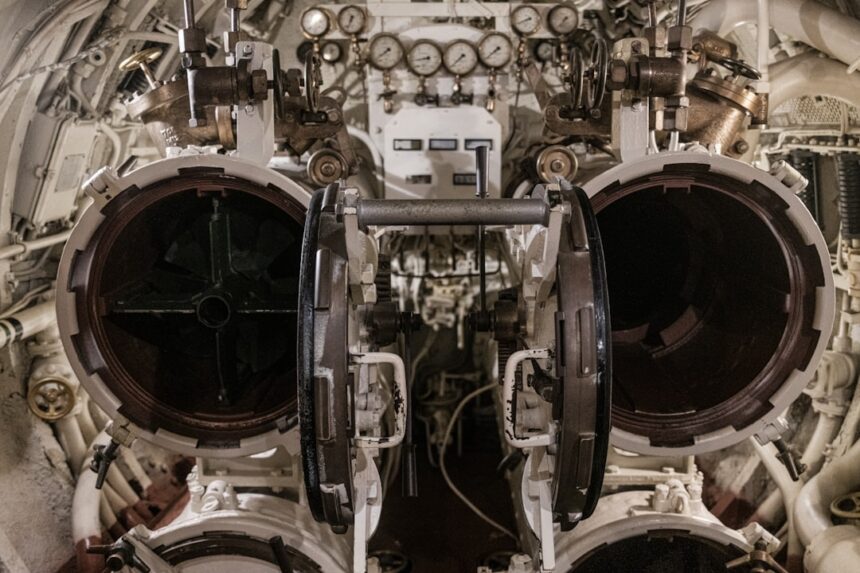
The silent depths of the ocean have long been a canvas for strategic maneuver and clandestine operations, with submarines serving as the ultimate players in this underwater chess match. Far from the simplistic portrayals of torpedo tubes and periscopes, modern submarine warfare is a tapestry woven with advanced technologies, each thread contributing to the vessel’s lethality, survivability, and intelligence-gathering capabilities. To unveil this hidden tech is to understand the evolving nature of naval dominance.
Submarines are inherently designed for stealth, their very existence predicated on remaining unseen and unheard. This is not an accident; it is the result of deliberate and sophisticated engineering, a dedication to disappearing into the ocean’s embrace. The core of this stealth lies in minimizing both acoustic and non-acoustic signatures, rendering the submersible a phantom to enemy sensors.
Acoustic Signature Reduction: The Silent Wake
The most critical aspect of submarine stealth is the reduction of its acoustic signature. Sound travels efficiently through water, making it the primary medium for detection. Therefore, mastering acoustic quietness is paramount for survival and operational success.
Hull Design and Materials
The outer hull of a modern submarine is not a simple metal shell. It’s a meticulously shaped pressure hull, optimized to disrupt and deflect sonar waves. Hydrodynamic shaping plays a crucial role, minimizing flow noise generated by the movement of water across the hull. Beyond shape, advanced anechoic coatings are applied. These non-reflective materials, akin to a sound-absorbing carpet for the ocean, are designed to swallow incoming sonar pings rather than bounce them back, confounding enemy detection systems. Think of it as dressing the submarine in a cloak woven from sound-dampening threads.
Machinery and Vibration Isolation
The machinery onboard a submarine, from the reactor or diesel engines to pumps and ventilation systems, is a source of noise. Advanced engineering focuses on isolating these components from the hull through sophisticated vibration damping systems. Rubber mounts, hydraulic isolators, and a suite of other mechanical solutions work to prevent vibrations from transmitting through the hull and radiating into the water. This is like building a soundproof room within a soundproof room, creating layers of isolation.
Propeller Design and Operation
The propeller, the submarine’s engine of locomotion, is a significant potential source of noise. Modern designs feature fewer, wider blades with optimized shapes to reduce cavitation, the formation of vapor bubbles that create a characteristic “singing” sound. Furthermore, operational tactics often dictate slower, more deliberate movements, minimizing the “churn” in the water that can betray a submarine’s presence.
Non-Acoustic Signature Reduction: Beyond Sound
While acoustic stealth is primary, submarines also work to minimize other detectable signatures, making them even harder to locate.
Magnetic Signature Control
Submarines are large masses of metal, and any significant metal object moving through the Earth’s magnetic field generates a magnetic anomaly. Advanced degaussing systems actively counteract this effect by generating opposing magnetic fields, effectively neutralizing the submarine’s magnetic footprint. This is akin to wearing an invisibility cloak for magnetic sensors.
Thermal Signature Management
While less critical than acoustic or magnetic signatures, heat generated by the submarine’s systems and crew can also be detected. Sophisticated cooling systems and thermal insulation help to manage and dissipate heat, reducing the submarine’s thermal wake.
Submarine warfare has long been a domain of intrigue and innovation, particularly with the advent of hidden technologies that enhance stealth and operational capabilities. A related article that delves into the latest advancements in this field can be found at In The War Room, which explores the implications of these technologies on modern naval strategies and the balance of power in maritime conflicts. This resource provides valuable insights into how nations are adapting their submarine fleets to incorporate cutting-edge stealth features and advanced weaponry.
The Eyes and Ears of the Deep: Advanced Sensor Systems
A submarine’s effectiveness hinges on its ability to perceive its environment, both to avoid detection and to engage targets. This requires a suite of highly sophisticated sensors, many of which are hidden beyond the confines of its hull.
Passive Sonar Arrays: Listening to the World
Passive sonar systems are the submarine’s primary means of “seeing” acoustically. They work by listening to the ambient sounds of the ocean and the sounds emitted by other vessels. Modern passive sonar arrays are incredibly sensitive, comprised of numerous hydrophones strategically placed along the hull.
Advanced Signal Processing and Identification
The raw acoustic data captured by these hydrophones is then fed into complex signal processing systems. These systems employ advanced algorithms, often powered by artificial intelligence and machine learning, to filter out noise, identify specific sound sources, and classify them with remarkable accuracy. This allows a submarine to distinguish a distant freighter from a hunting destroyer, or even identify specific types of marine life from tactical threats. This is the digital equivalent of a master conductor meticulously separating each instrument in a symphony.
Towed Array Sonar: Extending the Reach
To further enhance its listening capabilities, many submarines deploy towed array sonar. This is a long, flexible array of hydrophones towed behind the submarine, often at a considerable distance. This separation allows the towed array to listen for sounds that might be masked by the submarine’s own noise, effectively extending its “ears” far into the surrounding waters. The towed array acts as a sensitive antenna, reaching out to catch faint signals.
Active Sonar Systems: The Probing Pulse
While passive sonar is ideal for stealth, active sonar systems are employed when a more direct form of detection is required. Active sonar emits a pulse of sound and then listens for the echo that returns after bouncing off an object.
Frequency Agility and Low Probability of Intercept
Modern active sonar systems are designed to be used judiciously, as their emitted pulses can betray the submarine’s presence. They employ frequency agility, rapidly changing the frequency of their pulses to make them difficult for enemy submarines to detect and classify. Furthermore, techniques for low probability of intercept (LPI) are utilized, so that the pulses are as short and as subtle as possible.
Multi-Mode Sonar Capabilities
Active sonar systems are often multi-mode, allowing them to adapt to different environmental conditions and tactical situations. This can include modes designed for shallow water operations, for detecting specific types of targets, or for long-range probing.
Non-Acoustic Sensors: Beyond Sound Waves
While sonar remains the cornerstone of underwater detection, submarines also utilize other sensors to build a comprehensive picture of their surroundings.
Electro-Optical Sensors: Peeking Above the Waves
When operating at periscope depth, submarines can deploy electro-optical sensors, most commonly periscopes. Modern periscopes are far more than simple lenses; they are sophisticated optical instruments that can include high-magnification cameras, thermal imagers, and electronic support measures. Some advanced systems can even operate in a “mast-mounted optronic system,” a non-retractable mast that provides improved stealth and longer deployment times.
Electronic Support Measures (ESM): Listening to the Airwaves
Submarines are keen to threats emanating from the air and surface. Electronic Support Measures (ESM) systems are designed to detect and analyze electromagnetic emissions from radar, radio, and other electronic sources. This intelligence gathering allows the submarine to understand the presence and activity of surface ships and aircraft, enabling it to take evasive action or plan its attacks. ESM is like a submarine’s spy network, intercepting coded messages from the enemy.
The Lethal Touch: Advanced Weapon Systems

A submarine’s stealth and sensory capabilities are ultimately geared towards its offensive and defensive capabilities. Modern submarine-launched weapons are highly sophisticated, designed for precision and effectiveness.
Torpedo Systems: The Silent Strikers
Torpedos remain the primary offensive weapon for submarines, but their design and deployment have evolved significantly.
Advanced Torpedo Guidance
Modern torpedoes employ a range of guidance systems, including active sonar, passive sonar, acoustic homing, and inertial navigation. Many are designed with advanced countermeasures to defeat enemy defenses. Some can be programmed with complex attack profiles, allowing them to home in on targets with incredible accuracy.
Anti-Ship and Anti-Submarine Variants
Torpedoes come in various forms, designed for specific threats. Anti-ship torpedoes are optimized for speed and destructive power against surface vessels, while anti-submarine torpedoes are designed to hunt and destroy other submarines, often employing sophisticated countermeasures against their own type.
Missile Systems: Expanding the Reach
Increasingly, submarines are equipped with vertically launched missiles, significantly expanding their offensive reach beyond the range of torpedoes.
Cruise Missiles for Land Attack
Submarine-launched cruise missiles (SLCMs) have become a critical component of many navies’ strategic arsenals. These missiles can be launched from submerged submarines and are capable of striking targets deep inland with high precision. This turns the submarine from a purely naval threat into a platform capable of strategic land-based power projection.
Anti-Ship Missiles
Some submarines are also armed with anti-ship missile systems, allowing them to engage surface targets from beyond the horizon, further enhancing their offensive punch.
Mine Warfare Capabilities
While not always the focus of public discussion, submarines can also be employed in mine-laying operations, silently seeding the ocean with devastating traps for enemy vessels.
The Brain of the Operation: Command and Control Systems
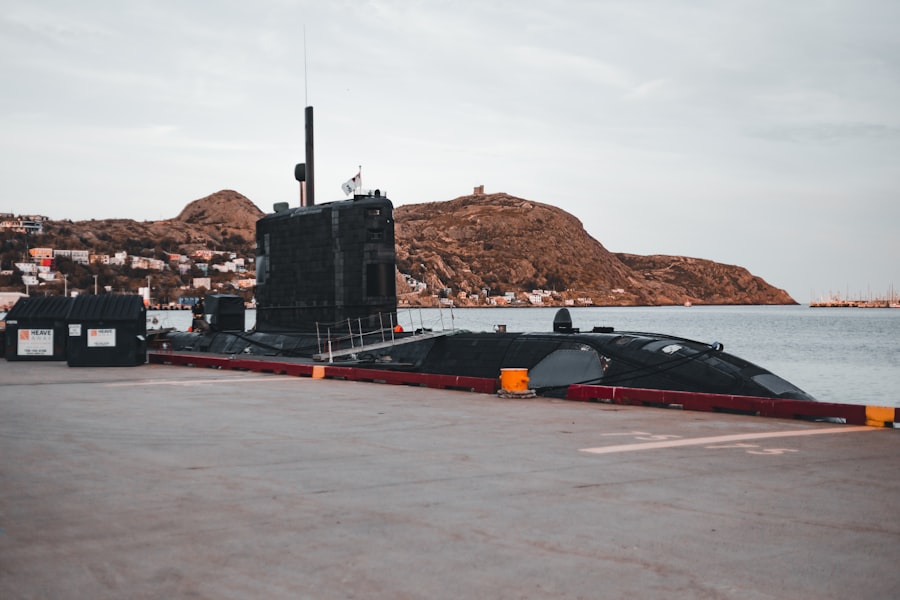
The interconnectedness of a submarine’s various systems is orchestrated by increasingly sophisticated command and control (C2) systems. These are the digital nervous systems that allow the submarine to function as a cohesive and effective fighting unit.
Integrated Combat Systems
Modern submarines feature highly integrated combat systems that fuse data from all sensors, weapons, and navigation systems into a unified tactical picture. This allows the commanding officer and crew to make informed decisions quickly and efficiently.
Data Fusion and Situational Awareness
These systems excel at data fusion, taking disparate pieces of information and weaving them into a comprehensive understanding of the operational environment. This enhanced situational awareness is crucial for navigation, threat detection, and targeting. It’s like having a panoramic view of the underwater battlefield, constantly updated and analyzed.
Network-Centric Warfare Capabilities
In a network-centric warfare environment, submarines are increasingly connected to broader naval networks. This allows them to share intelligence, receive updated targeting information, and coordinate operations with other platforms.
Artificial Intelligence and Machine Learning Applications
The implementation of artificial intelligence (AI) and machine learning (ML) is transforming submarine C2. These technologies are being used to automate tasks, optimize decision-making, and improve the analysis of complex data.
Predictive Maintenance and Performance Optimization
AI algorithms can predict potential equipment failures, allowing for proactive maintenance and reducing the risk of mission-critical breakdowns. They can also optimize the submarine’s performance, from hull efficiency to weapon deployment timing.
Automated Target Recognition and Threat Assessment
AI is proving invaluable in automated target recognition (ATR) and threat assessment. By analyzing sensor data, AI systems can identify and classify potential threats with greater speed and accuracy than human operators alone, allowing for quicker responses.
Submarine warfare has always been shrouded in secrecy, with nations constantly striving to develop hidden technologies that enhance their stealth and combat capabilities. A fascinating article that delves into the advancements in this field can be found at In the War Room, where it explores the innovative techniques and equipment being utilized to maintain an edge in underwater combat. As these technologies evolve, the dynamics of naval warfare continue to shift, making it essential for military strategists to stay informed about the latest developments.
The Future of the Silent Service: Emerging Technologies
| Technology | Description | Application | Effectiveness Metric | Development Status |
|---|---|---|---|---|
| Acoustic Cloaking | Materials and structures that absorb or deflect sonar waves to reduce detectability. | Stealth operations to avoid sonar detection. | Reduction in sonar signature by up to 70% | Experimental |
| Advanced Sonar Jamming | Electronic countermeasures that disrupt enemy sonar signals. | Confuse or disable enemy sonar systems. | Jamming success rate of 85% | Operational |
| Magnetohydrodynamic (MHD) Propulsion | Silent propulsion system using magnetic fields to move seawater without moving parts. | Reduce noise signature for stealth movement. | Noise reduction by 90% compared to conventional propellers | Prototype |
| Quantum Communication | Secure underwater communication using quantum encryption. | Prevent interception of submarine communications. | Zero interception detected in trials | Research phase |
| Autonomous Underwater Drones | Unmanned vehicles for reconnaissance and mine detection. | Extend submarine surveillance and operational reach. | Operational range up to 100 km | Operational |
The evolution of submarine warfare is a continuous process, with researchers and engineers constantly pushing the boundaries of what is possible beneath the waves.
Unmanned Underwater Vehicles (UUVs)
The integration of UUVs with manned submarines is a growing trend. These robotic scouts can be deployed to conduct reconnaissance, electronic warfare, or mine countermeasures, extending the reach and capabilities of the mothership without exposing it to greater risk.
Swarming and Cooperative Operations
Future UUVs are envisioned to operate in coordinated swarms, acting as an extension of the submarine’s own sensor and weapon systems. This allows for distributed intelligence gathering and a more complex attack or defense posture.
Advanced Propulsion Systems
While nuclear power remains the dominant force for large submarines, research continues into alternative propulsion systems that offer increased endurance, reduced noise, and enhanced operational flexibility.
Air-Independent Propulsion (AIP) Enhancements
While AIP systems are already in use on non-nuclear submarines, ongoing research aims to improve their efficiency, power output, and sustainability, allowing these vessels to remain submerged for longer periods.
Quantum Sensing Technologies
Quantum sensing holds the potential to revolutionize submarine detection capabilities. These technologies could offer unprecedented sensitivity in detecting magnetic anomalies, gravity fields, or even minute changes in water pressure, potentially rendering current stealth technologies obsolete.
The submarine, once a relatively simple vessel of war, has become a testament to human ingenuity and technological advancement. The hidden technologies that lie within its hull are not merely tools; they are the intricate components of a formidable force that continues to shape the strategic landscape of global security. The silent depths remain a domain where innovation and vigilance work in concert, a constant reminder that true power often resides in the unseen.
FAQs
What is submarine warfare hidden technology?
Submarine warfare hidden technology refers to advanced and often classified tools, systems, and methods used to enhance the stealth, detection, and combat capabilities of submarines. This includes innovations in sonar, propulsion, hull design, and electronic warfare that help submarines operate undetected.
How do submarines remain undetected using hidden technology?
Submarines use a combination of sound-absorbing materials, quiet propulsion systems, and advanced sonar-evading techniques to minimize noise and avoid detection. Technologies such as anechoic coatings and pump-jet propulsors reduce acoustic signatures, making submarines harder to detect by enemy sonar.
What role does sonar technology play in submarine warfare?
Sonar technology is crucial for both detecting enemy vessels and avoiding detection. Submarines use passive sonar to listen for sounds without revealing their position and active sonar to send out sound pulses for locating targets. Hidden technologies improve sonar sensitivity and reduce the chance of detection by adversaries.
Are there any recent advancements in submarine stealth technology?
Recent advancements include improved battery systems for quieter electric propulsion, enhanced hull designs that reduce noise and radar cross-section, and sophisticated electronic countermeasures that jam or deceive enemy sensors. These innovations increase the survivability and effectiveness of modern submarines.
Why is submarine warfare technology often kept secret?
Submarine warfare technology is kept secret to maintain a strategic advantage over potential adversaries. Revealing details about stealth capabilities, detection methods, or weapon systems could compromise operational security and allow enemies to develop countermeasures, reducing the effectiveness of submarine forces.