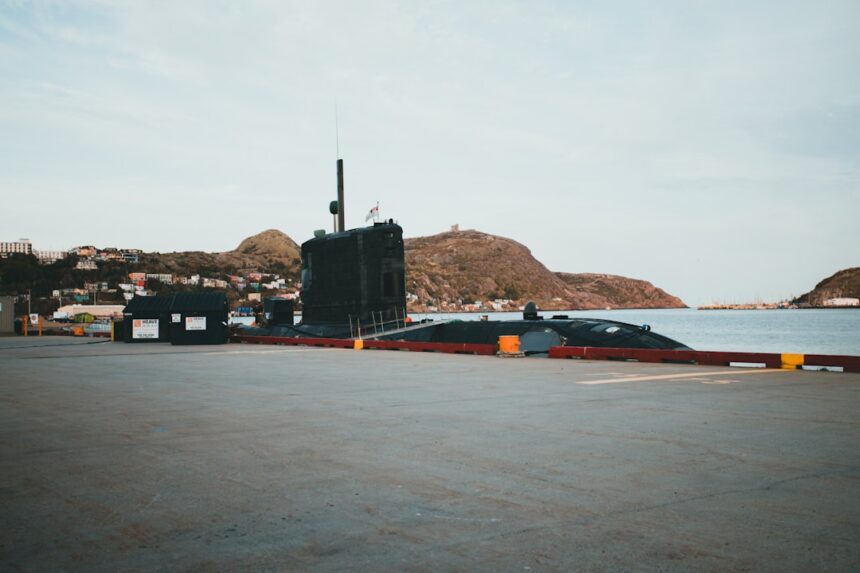
Here is an article about the documentary “Silent Warriors: Cold War Submarine Warfare,” written in the third person, factual style, meeting your requirements:
The Cold War, a protracted period of geopolitical tension between the United States and the Soviet Union, was characterized by a vast and intricate strategic landscape. While much of the global public discourse focused on the overt displays of military might – the bomber fleets, the missile silos, the naval fleets that patrolled the open oceans – a significant and arguably more decisive struggle unfolded beneath the waves. This hidden theater of operations, a realm of immense pressure and crushing silence, was the domain of submarines. The documentary Silent Warriors: Cold War Submarine Warfare delves into this clandestine world, exploring the technological advancements, the human element, and the profound strategic implications of submarine operations during this era. It aims to pull back the curtain on what was, for much of the public, an invisible arms race and a constant, unseen confrontation.
The genesis of modern submarine warfare can be traced back to the early 20th century, but it was during the Cold War that the submarine truly ascended to prominence as a pivotal instrument of naval strategy. The development of nuclear propulsion revolutionized underwater capabilities, transforming submarines from relatively slow, short-endurance vessels into potent, long-range deterrents and strike platforms.
Nuclear Propulsion: A Paradigm Shift
Prior to nuclear power, diesel-electric submarines were fundamentally limited by the need to surface frequently for air and battery charging. This inherent vulnerability made them susceptible to detection and attack. The advent of the nuclear reactor, however, fundamentally altered the operational calculus. Submarines could now remain submerged for months at a time, traversing vast distances without surfacing. This capability rendered them virtually undetectable to conventional sonar and aerial reconnaissance for extended periods, creating a persistent, elusive threat. The documentary highlights how this technological leap effectively turned the ocean into a submarine’s natural habitat, removing the previously imposed boundaries of operational time and space.
The Nuclear Triad and Submarine-Launched Ballistic Missiles (SLBMs)
Within the strategic nuclear frameworks of both superpowers, submarines played a crucial role in the concept of the nuclear triad – the independent capability of land-based intercontinental ballistic missiles (ICBMs), strategic bombers, and submarine-launched ballistic missiles (SLBMs). While ICBMs were vulnerable to a pre-emptive strike and bombers could be intercepted, submarines armed with SLBMs offered a virtually assured second-strike capability. Their submerged, mobile nature made them exceedingly difficult to target, ensuring that even if the opposing force launched a devastating first strike, a retaliatory nuclear response would still be possible. This concept, known as Mutually Assured Destruction (MAD), relied heavily on the survivability of the submarine leg of the nuclear triad. The documentary explores the intricate planning and immense resources dedicated to developing and maintaining these “boomers,” as they were often colloquially termed.
Early Submarine Design and Doctrine
The early decades of the Cold War saw a rapid evolution in submarine design. The United States focused on developing a fleet of attack submarines (SSNs) designed to hunt and destroy enemy submarines and surface vessels, alongside the strategic missile submarines (SSBNs). The Soviet Union, initially lagging in nuclear technology, developed a massive fleet of diesel-electric submarines, often designed for specific roles such as mine-laying, reconnaissance, and even carrying torpedoes designed to damage larger vessels. The documentary contrasts these divergent paths, illustrating how each nation sought to leverage its strengths and unique geopolitical considerations in its submarine development. The early doctrines often emphasized offensive patrols, seeking to disrupt enemy sea lanes and engage in hunter-killer operations, setting the stage for the intense cat-and-mouse games that would characterize the decades to come.
For those interested in the intricate details of Cold War naval operations, a fascinating article titled “The Silent Service: Submarines in the Cold War” provides an in-depth look at the strategic significance of submarines during this tense period. This article complements the documentary by exploring the technological advancements and covert missions that defined underwater warfare. You can read more about it here: The Silent Service: Submarines in the Cold War.
The Silent Hunt: Technology and Tactics Below the Waves
The Cold War submarine environment was a realm of sophisticated espionage and counter-espionage, where technological superiority and tactical ingenuity were paramount. The documentary meticulously details the evolution of sonar, the increasing stealth of submarine hulls, and the counter-measures developed by both sides in their relentless pursuit of detection and evasion.
The Evolution of Sonar Technology
Sonar, the primary tool for detecting submerged objects, underwent a dramatic evolution during the Cold War. Early sonar systems were relatively rudimentary, relying on passive listening for sounds emitted by other vessels. However, with the increasing quietness of nuclear submarines, active sonar – which transmits sound pulses and analyzes the returning echoes – became increasingly crucial. Both the US and USSR invested heavily in developing more powerful and sophisticated sonar arrays, including towed sonar arrays that could be deployed behind submarines to enhance their listening range significantly. The documentary illustrates the arms race in sonar itself: as one side developed more sensitive passive sonar, the other would focus on quieting their own vessels to become less detectable. Conversely, as active sonar improved, so too did methods of countering it. This perpetual cycle of innovation and adaptation is a central theme of the documentary’s exploration of the technological contest.
Hull Design and Acoustic Signatures
The shape and construction of submarine hulls became critical factors in their stealth. Manufacturers experimented with hydrodynamically optimized hull designs to reduce water noise and vibration. Furthermore, the development of anechoic tiles – specialized acoustic dampening materials applied to the outer hull – became a game-changer. These tiles absorbed sonar pings, significantly reducing the sonar’s ability to detect and track the submarine. The documentary explains how these advancements were akin to painting a ship in a camouflage of silence, making it harder for the acoustic “eyes” of the enemy to find it. The constant drive to minimize acoustic signatures meant that even the smallest operational noise, from machinery to ventilation systems, had to be meticulously managed.
The Cat-and-Mouse Game: Interception and Evasion
The strategic deployment of submarines created a constant, unseen game of cat and mouse. Attack submarines were tasked with hunting down enemy submarines, either to neutralize a direct threat or to track them and provide intelligence to other units. The documentary describes patrols where submarines would shadows enemy vessels for days or weeks, maintaining a painstaking vigil. This required immense crew discipline, precise navigation, and a deep understanding of the ocean environment and the acoustic characteristics of potential adversaries. The risks were immense; a single misjudgment or a momentary lapse in noise discipline could lead to catastrophic consequences. The narrative often paints a vivid picture of the tension and isolation experienced by crews engaged in these prolonged, silent pursuits.
The Human Element: Life Aboard a Submarine
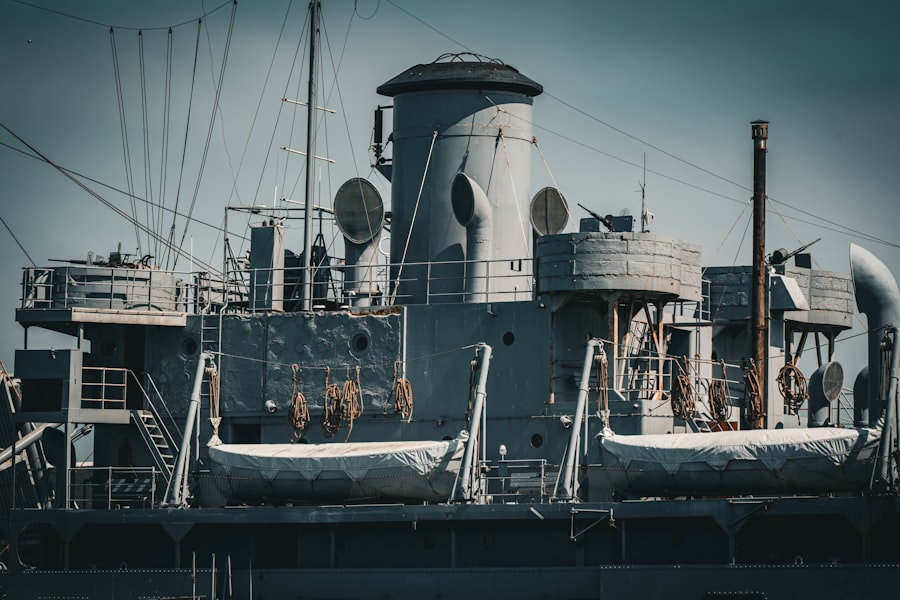
Beneath the advanced technology and strategic objectives lay the undeniable human dimension. The enclosed, high-pressure environment of a submarine placed extraordinary demands on its crew, both physically and psychologically. The documentary dedicates significant attention to the daily lives, the training, and the psychological resilience required of those who served in this unique branch of the military.
The Claustrophobic World Below
Life aboard a submarine is inherently different from any surface vessel. Crews live and work in tightly confined spaces, often for months on end, with limited privacy and a constant awareness of the unforgiving ocean environment just inches away. The documentary offers glimpses into the cramped berthing areas, the shared mess halls, and the routines that governed life below the waves. The psychological toll of this isolation, combined with the ever-present danger, required a special kind of fortitude. The documentary explores how crews developed a strong sense of camaraderie and interdependence, essential for maintaining morale and operational effectiveness in such an environment.
Training and Skill Sets of Submariners
Becoming a submariner, particularly during the Cold War, demanded a high level of technical expertise and mental acuity. Crews were trained in complex systems, from reactor operation to navigation to weapons deployment. The documentary highlights the rigorous training regimes, the simulations, and the constant drills that prepared these individuals for the immense responsibilities they held. The ability to remain calm under pressure, to perform complex tasks in stressful situations, and to operate as a cohesive unit was not merely desirable but essential for survival and mission success. The documentary shows how an individual’s skill, when woven into the fabric of the crew’s collective effort, became the most potent weapon in the submerged arsenal.
The Psychological Toll of Extended Patrols
The psychological impact of long, silent patrols cannot be overstated. The absence of natural light, the constant hum of machinery, and the monotonous routines could lead to mental fatigue and stress. The documentary addresses how naval forces implemented measures to mitigate these effects, including organized recreation, communication with families (albeit delayed and controlled), and psychological support. However, the inherent nature of submarine duty meant that crews were often operating on the edge of their personal endurance. The documentary doesn’t shy away from the human stories, presenting accounts that illustrate the profound personal sacrifices made by these silent warriors.
Strategic Importance and Cold War Crises
The operational capabilities of submarines during the Cold War were not merely theoretical; they directly influenced major geopolitical events and provided a crucial deterrent against escalation. The documentary examines how submarines played a role in key crises and how their presence shaped the strategic calculus of both superpowers.
The Cuban Missile Crisis and Submarine Patrols
The Cuban Missile Crisis of 1962 stands as one of the most perilous moments of the Cold War, bringing the world to the brink of nuclear war. The documentary details how submarines played a significant, albeit often unheralded, role during this tense standoff. US Navy submarines were deployed to monitor Soviet naval movements, to act as a deterrent, and to be prepared for any eventuality. The documentary suggests that the presence of US submarines, capable of launching nuclear missiles, was a crucial factor in compelling the Soviet Union to withdraw its missiles from Cuba. The submerged deterrent, a silent threat lurking beneath the Atlantic, was a potent piece of diplomatic leverage.
The Constant Threat of ASW Operations
While submarines operated in stealth, the constant threat of Anti-Submarine Warfare (ASW) operations by the opposing side was a pervasive concern. The documentary illustrates how both the US and USSR dedicated vast resources to developing advanced ASW capabilities, including dedicated ASW aircraft, surface escorts equipped with sonar, and specialized ASW submarines. This created a perpetual state of tension, where submarines were not only trying to hunt but also constantly being hunted. The documentary conveys the immense pressure on crews to remain undetected, as a successful ASW operation could mean the loss of the submarine and all its personnel. The ocean, while a cloak, could also become a snare.
Intelligence Gathering and Espionage Below
Beyond their offensive and defensive roles, submarines were also invaluable platforms for intelligence gathering. The documentary touches upon the clandestine operations where submarines would operate near enemy coastlines or naval bases, utilizing sophisticated sensors to gather electronic intelligence (ELINT) and signals intelligence (SIGINT). These missions, often conducted in highly risky waters, provided vital information about enemy capabilities and intentions, contributing to the ongoing intelligence war that underpinned the Cold War. The silent observation from the deep offered a unique, uncompromised perspective on the adversary’s actions.
The Cold War era was marked by intense military competition, particularly beneath the waves, as submarines became crucial instruments of naval strategy. For those interested in exploring this fascinating topic further, a related article can provide deeper insights into the technological advancements and strategic implications of submarine warfare during this period. You can read more about it in this insightful piece on the subject at In the War Room, which delves into the intricacies of underwater operations and their impact on global politics.
Legacy and the Enduring Significance of Submarine Warfare
| Metric | Value | Description |
|---|---|---|
| Title | Cold War Submarine Documentary | Name of the documentary |
| Duration | 90 minutes | Total runtime of the documentary |
| Release Year | 2023 | Year the documentary was released |
| Number of Interviews | 15 | Number of expert and veteran interviews featured |
| Archival Footage | 120 minutes | Total length of archival footage used |
| Countries Covered | USA, USSR, UK | Primary countries featured in the documentary |
| Submarine Classes Featured | 5 | Number of different submarine classes discussed |
| Viewer Rating | 8.7/10 | Average viewer rating on documentary platforms |
| Production Company | History Films | Company that produced the documentary |
The Cold War may have ended, but the developments in submarine technology and strategy during that era have left an indelible mark on modern naval doctrine. The documentary concludes by reflecting on the enduring legacy of these silent warriors and the continued importance of submarine operations in the contemporary geopolitical landscape.
Technological Innovations and Their Lingering Impact
The intense competition of the Cold War spurred rapid innovation in submarine technology. Advancements in sonar, hull materials, propulsion systems, and acoustic quieting techniques developed during this period continue to inform and influence the design and operation of submarines today. The documentary suggests that the fundamental principles of stealth and silent maneuverability, honed during the Cold War, remain at the core of submarine warfare doctrine. The echoes of those early nuclear-powered vessels can still be heard in the design of modern submarines.
The Enduring Role of Submarines in Modern Warfare
Even in the post-Cold War era, submarines remain a critical component of naval power for many nations. They continue to serve as strategic deterrents, platforms for intelligence gathering, and potent strike assets. The documentary argues that the ability to operate unseen and exert influence from beneath the waves offers a unique strategic advantage in both peacetime and conflict. The silent warriors of the Cold War paved the way for the technologically advanced submarines that patrol the oceans today, continuing to guard the frontiers of national security with an unblinking, silent vigilance.
The Unseen Contribution to Peace
While the Cold War was a period of intense confrontation, the documentary suggests that the strategic balance maintained by nuclear submarines, particularly the assured second-strike capability, played a crucial role in preventing direct, large-scale conflict between the superpowers. The constant, unseen threat of retaliation acted as a powerful deterrent, forcing a degree of caution and restraint. In this sense, the silent warriors, operating in the depths, may have, in their own way, contributed to the decades of relative peace and averted the catastrophic war that many feared. Their unseen presence was a guarantor of an uneasy, yet vital, equilibrium.
FAQs
What is the focus of a Cold War submarine documentary?
A Cold War submarine documentary typically explores the role and operations of submarines during the Cold War era, highlighting their strategic importance, technological advancements, and the tense underwater confrontations between the United States and the Soviet Union.
Which countries’ submarines are usually featured in Cold War submarine documentaries?
These documentaries primarily feature submarines from the United States and the Soviet Union, as they were the two main superpowers involved in the Cold War naval arms race. Occasionally, submarines from other NATO and Warsaw Pact countries may also be discussed.
What types of submarines are commonly discussed in Cold War submarine documentaries?
The documentaries often cover nuclear-powered ballistic missile submarines (SSBNs), attack submarines (SSNs), and diesel-electric submarines, focusing on their design, capabilities, and roles in nuclear deterrence and intelligence gathering.
Are real-life Cold War submarine incidents covered in these documentaries?
Yes, many Cold War submarine documentaries include accounts of real incidents such as submarine collisions, espionage missions, and near-conflicts that occurred underwater, providing insight into the dangers and secrecy of submarine operations during that period.
Where can one watch Cold War submarine documentaries?
Cold War submarine documentaries can be found on various platforms including streaming services like Netflix, Amazon Prime, and YouTube, as well as on history-focused television channels such as the History Channel and National Geographic.