“Uncovering Cold War Aviation Secrets” is a topic that delves into the hidden histories and technological advancements that shaped aerial warfare and strategic capabilities during the Cold War era. The intense rivalry between the United States and the Soviet Union, along with their respective allies, fueled a relentless pursuit of air superiority, leading to the development of groundbreaking aircraft, clandestine operations, and often, a veil of secrecy. The secrets uncovered within this period represent not just engineering marvels, but also the intricate web of espionage, propaganda, and the ever-present threat of nuclear conflict.
The world of Cold War aviation was a closed book for most of its duration. Much like a magician’s trick, the advanced aircraft and sophisticated technologies were designed to impress and intimidate, while the inner workings and true capabilities remained obscured from public view. Uncovering these secrets requires sifting through declassified documents, the testimonies of former pilots and engineers, and the often-cryptic technical specifications that emerged over time. This process peels back the layers of Cold War secrecy, revealing the ingenuity, the risks, and the profound impact these aviation developments had on geopolitical landscapes.
The Cold War was not solely fought on the battlefield; it was also waged in the skies through the collection of intelligence. The need to understand the adversary’s military strength, particularly their missile programs and air defense capabilities, was paramount. This led to the development of specialized aircraft designed for reconnaissance and intelligence gathering, often operating in highly dangerous environments.
The U-2 Program: A High-Altitude Enigma
The Lockheed U-2 “Dragon Lady” stands as a prime example of airborne espionage. Its development was shrouded in secrecy, and its operational capabilities were largely unknown to the public for many years.
Design and Technological Leap
The U-2 was conceived in the mid-1950s by Clarence “Kelly” Johnson and his team at Lockheed’s Skunk Works. Its primary design requirement was to fly at altitudes exceeding 60,000 feet, far beyond the reach of contemporary Soviet air defenses. This necessitated a lightweight airframe, a powerful and efficient engine, and specialized sensors. The aircraft’s sleek, glider-like wings and large wingspan were key to achieving its remarkable altitude ceiling. The engine, a Pratt & Whitney J57 turbojet, was modified for operation at extreme altitudes, a significant engineering feat.
Operational Missions and Risks
The U-2 conducted numerous overflight missions, providing invaluable intelligence on Soviet military installations, missile sites, and airfields. These missions were inherently risky. The aircraft operated largely unsupported, relying on its altitude as its primary defense. The incident in 1960 when a U-2 piloted by Francis Gary Powers was shot down over Soviet territory served as a stark reminder of the dangers involved. This event not only exposed the U-2 program to the world but also heightened Cold War tensions significantly. The propaganda battle that ensued, with the USSR displaying the downed aircraft and Powers, contrasted sharply with the initial US denials, highlighting the dual nature of early Cold War aviation secrets: operational reality versus public perception.
The SR-71 Blackbird: Pushing the Boundaries of Speed and Stealth
Following the U-2 incident, the need for an even more capable reconnaissance aircraft became apparent. The requirement was for an aircraft that could outrun any interceptor and remain undetected.
Supersonic Reconnaissance
The SR-71 “Blackbird,” also a product of Skunk Works, was designed to meet these demands. It was a Mach 3+ reconnaissance aircraft, capable of operating at altitudes above 85,000 feet. Its unique design, featuring advanced materials like titanium and an innovative fuel system that cooled the airframe, allowed it to withstand the extreme temperatures and pressures of high-speed flight. The SR-71’s engines, a Pratt & Whitney J58, were designed to operate as air-breathing jets up to Mach 3, then transition to a ramjet-like mode.
Technological Innovations and Secrecy
The development of the SR-71 involved numerous technological innovations that were kept under wraps for decades. Its radar-absorbing materials, its electronic countermeasures, and its sophisticated sensor packages were far ahead of their time. The secrecy surrounding the SR-71 was so profound that even its existence was officially acknowledged long after its operational deployment. This sustained secrecy allowed the aircraft to conduct its missions effectively, providing critical intelligence throughout the latter half of the Cold War. The Blackbird became a symbol of American technological prowess and a potent, albeit silent, deterrent.
In exploring the intriguing world of Cold War aviation secrets, you might find the article “Unveiling the Skies: Cold War Aviation Secrets Revealed” particularly enlightening. This piece delves into the various aircraft and technologies that were developed during this tense period, shedding light on their strategic significance and the covert operations that defined aerial warfare. For a deeper understanding of these historical advancements, you can read the full article at In The War Room.
The Silent Ballet of Strategic Bombers and Interceptors
The air forces of the superpowers were characterized by their strategic bomber fleets and the interceptor aircraft designed to counter them. The development of these aircraft was a game of cat and mouse, with each side striving to gain an advantage.
The B-52 Stratofortress: A Nuclear Deterrent in the Sky
The Boeing B-52 Stratofortress has been a cornerstone of the United States’ strategic nuclear deterrent for over half a century. Its long operational life is a testament to its adaptability and the enduring nature of its role.
Design for Global Reach
Designed in the late 1940s and early 1950s, the B-52 was built for intercontinental bombing missions. Its eight Pratt & Whitney TF33 turbofan engines provided the power and range necessary to strike targets deep within enemy territory without needing to refuel. The aircraft’s massive payload capacity allowed it to carry a variety of nuclear weapons, including gravity bombs and later, cruise missiles. The B-52’s robust airframe and sophisticated electronic warfare systems were continuously upgraded to counter evolving air defenses.
The Strategy of Deterrence
The B-52 served as a tangible symbol of American retaliatory capability. Its constant airborne presence and its known armament were designed to deter a first strike from the Soviet Union. While the aircraft itself represented a technological achievement, its true “secret” lay in its role within the broader doctrine of Mutually Assured Destruction (MAD). The ability to deliver overwhelming nuclear force from the air was a critical element of this strategy, and the B-52 was the prime instrument of that threat.
The Soviet Counterparts: Tu-95 Bear and MiG Interceptors
The Soviet Union responded to the US bomber threat with its own strategic bomber, the Tupolev Tu-95 “Bear,” and a series of increasingly advanced interceptor aircraft.
The “Bear”: A Nuclear-Powered Shadow
The Tu-95 was the only propeller-driven strategic bomber to enter mass production in the post-jet era. The reason for this seemingly anachronistic choice lay in the immense fuel efficiency required for its long-range missions. Its four Kuznetsov NK-12 turboprop engines, the most powerful propeller engines ever produced, gave it a distinctive roar and a surprisingly effective range. While the US relied on high-altitude jet bombers, the Bear’s strategy often involved lower-altitude penetration and a focus on carrying large payloads of nuclear gravity bombs and later, cruise missiles. The Tu-95’s operational details were a closely guarded secret for many years, and its sheer presence in Soviet airspace was a constant source of concern for Western intelligence.
The Evolution of Interception: From MiG-17 to MiG-31
As American bombers became more sophisticated, so too did the Soviet interceptors designed to shoot them down. The Mikoyan-Gurevich (MiG) series of fighter aircraft underwent continuous development.
The Early Threats: MiG-17 and MiG-21
The MiG-17 “Fresco” and the MiG-21 “Fishbed” represented significant advancements in Soviet fighter technology. The MiG-17, while a development of early jet designs, was agile and potent for its era. The MiG-21, however, was a truly revolutionary design, a versatile supersonic fighter that became one of the most widely produced aircraft in history. Its delta wing configuration and powerful engine made it a formidable opponent, capable of engaging bombers and other fighters alike. The performance envelope and armament of these aircraft were closely monitored by the West, driving the development of their own counter-measure technologies.
The Advanced Guardian: MiG-25 and MiG-31
The appearance of the MiG-25 “Foxbat” in the 1960s caused widespread alarm in the West. Its incredible speed and altitude capabilities were initially underestimated and misinterpreted, leading to a significant aerospace procurement effort in the US to counter what was believed to be an even more advanced interceptor. This apprehension was amplified by the lack of detailed intelligence on the aircraft’s true design and performance characteristics. Later, the MiG-31 “Foxhound” emerged, a dedicated interceptor designed to engage high-altitude, high-speed targets like the B-52 and the still-classified SR-71. The MiG-31’s powerful radar and long-range missiles marked a significant escalation in air defense capabilities. The secrets of whose technology was truly superior, and by how much, were often buried in classified test results and intelligence reports.
The Shadow War: Covert Operations and Experimental Aircraft
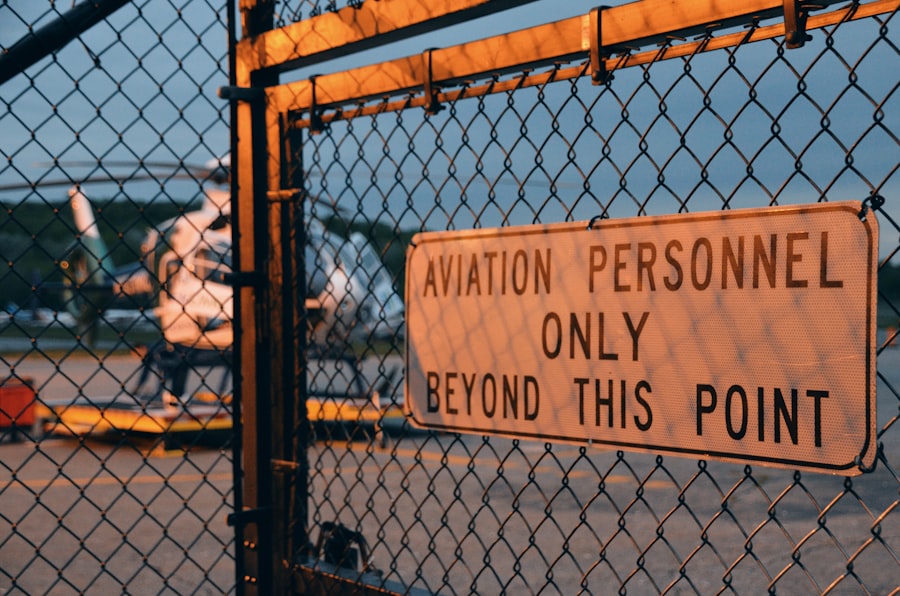
Beyond the visible squadrons of bombers and interceptors, a hidden world of experimental aircraft and covert operations played a crucial role in the Cold War aviation landscape. These were the projects that pushed the boundaries of what was thought possible, often operating in the twilight zone of plausible deniability.
Experimental Propulsion and Aerodynamics
The quest for speed, altitude, and endurance led to the development of highly unconventional aircraft designs, many of which never saw widespread service but pushed the envelope of aerospace engineering.
The X-Planes: Laboratories in the Sky
The U.S. Air Force’s X-plane program, a series of experimental aircraft, served as testbeds for radical new technologies. Aircraft like the X-15, a rocket-powered hypersonic research aircraft, explored the frontiers of atmospheric flight, reaching altitudes over 100 kilometers and speeds of Mach 6.7. The data gathered from these programs, though often highly classified, informed the design of operational aircraft for decades to come. The X-plane series was like a secret laboratory where the future of flight was being whiteboarded and then, quite literally, put to the test, often with pilots pushing the very limits of human endurance.
Ramjet and Scramjet Concepts
Concepts involving ramjet and scramjet (supersonic combustion ramjet) propulsion were explored. These engines offer the potential for extremely high speeds by utilizing the forward motion of the aircraft to compress incoming air. While operational deployment was limited during the Cold War, the research laid the groundwork for future hypersonic vehicles. The underlying physics of supersonic combustion and its control were complex puzzles that engineers grappled with in highly secure facilities.
The Unseen Hand: Covert Intelligence Flights and Black Projects
The realm of “black projects” refers to highly classified military or intelligence programs. These projects often involved aircraft with capabilities so advanced or designed for such sensitive missions that their existence was officially denied or never acknowledged.
The “Frenetic” and Other Unacknowledged Programs
While specific details on many black projects remain classified, the impact of their development is evident in the technological leaps observed throughout the Cold War. Programs aimed at developing stealth technology, advanced electronic warfare capabilities, and clandestine insertion/extraction aircraft fall into this category. The concept of “stealth,” for instance, was a deeply guarded secret, with early efforts to reduce radar cross-section evolving into the sophisticated designs of later aircraft. The existence of aircraft like the F-117 Nighthawk, the world’s first operational stealth fighter, was a closely guarded secret for years after its initial deployment. This was not just an engineering project; it was a strategic advantage, a ghost in the machine that the enemy could not perceive.
The Role of Paramilitary Aviation
Beyond the official military branches, clandestine aviation units and paramilitary groups also played a role in intelligence gathering and covert operations. These operations, often carried out with unmarked aircraft, added another layer of complexity to the Cold War’s hidden aerial engagements. Their activities, by their very nature, are the most difficult to uncover, leaving behind only fragmented accounts and a persistent air of mystery.
Declassified Documents and the Unraveling of Secrets
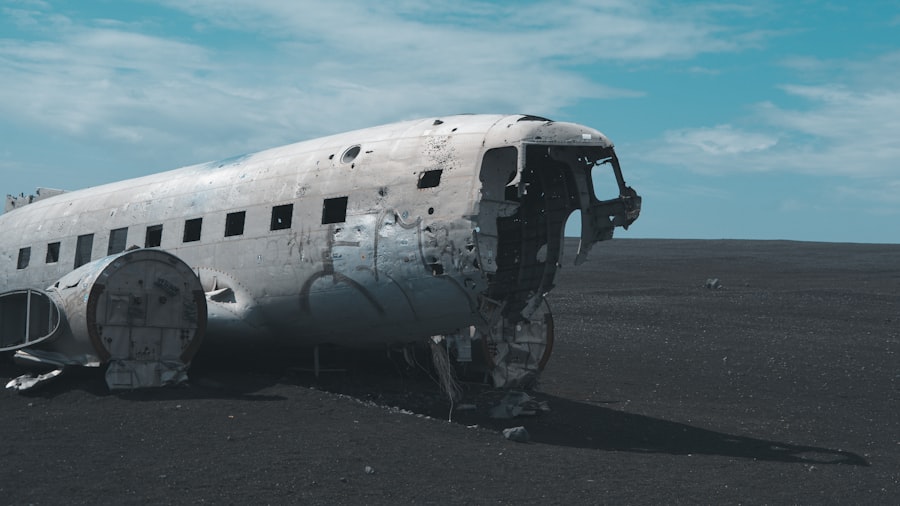
The passage of time and the systematic declassification of government documents have been instrumental in peeling back the layers of secrecy that once enveloped Cold War aviation. These documents serve as primary sources, offering insights into the motivations, technologies, and operations that defined the era.
The Freedom of Information Act and Its Impact
The Freedom of Information Act (FOIA) in the United States and similar legislation in other countries have been powerful tools for researchers and historians. Through FOIA requests, previously inaccessible documents related to aircraft development, intelligence missions, and weapon systems have been brought to light.
Case Studies of Declassification
Specific aircraft programs, such as the U-2 and the SR-71, have seen significant portions of their operational histories declassified, revealing details about their missions, technical specifications, and the challenges faced by their crews. Court cases and historical reviews have also led to the release of information that was once considered highly sensitive national security material. The process of declassification is often slow and painstaking, with redactions still common in many documents, but each released file contributes to a clearer understanding of the past.
The Soviet Perspective: Glacnost and the Opening of Archives
The era of Glasnost in the Soviet Union and the subsequent opening of former Soviet archives have provided crucial Western historiography of Soviet aviation. Previously inaccessible documents, technical manuals, and testimonies from former Soviet engineers and pilots have offered a more balanced and complete picture of the Cold War’s aerial arms race.
Re-evaluating the Balance of Power
The information emerging from declassified archives has allowed for a re-evaluation of the balance of power in Cold War aviation. It has revealed that the technological achievements of both sides were often more closely matched than publicly understood at the time, fueled by intense competition and a constant drive to innovate. The “secrets” were not always one-sided; often, both nations were working on similar concepts, with their breakthroughs happening in parallel or in rapid response to perceived threats from the other.
Recent revelations about Cold War aviation secrets have captivated historians and aviation enthusiasts alike. The declassification of previously hidden documents has shed light on the advanced technologies and strategies employed during this tense period. For those interested in exploring this fascinating topic further, a related article can be found at this link, which delves into the implications of these discoveries on our understanding of military aviation history.
Legacy and Enduring Mysteries
| Secret Project | Country | Aircraft/Technology | Purpose | Year Revealed | Impact on Aviation |
|---|---|---|---|---|---|
| U-2 Spy Plane | USA | Lockheed U-2 | High-altitude reconnaissance | 1960 | Advanced surveillance capabilities, high-altitude flight technology |
| MiG-25 Foxbat | USSR | Mikoyan-Gurevich MiG-25 | Interceptor and reconnaissance | 1976 | Revealed Soviet high-speed, high-altitude interceptor capabilities |
| SR-71 Blackbird | USA | Lockheed SR-71 | Strategic reconnaissance | 1990 | Set speed and altitude records, stealth technology advancements |
| Tu-144 Supersonic Transport | USSR | Tupolev Tu-144 | Supersonic passenger transport | 1990s | First supersonic transport, influenced commercial aviation |
| Stealth Technology | USA | F-117 Nighthawk | Radar evasion and stealth combat | 1988 | Revolutionized combat aircraft design and tactics |
| Backfire Bomber | USSR | Tupolev Tu-22M | Long-range strategic bomber | 1991 | Enhanced Soviet strategic bombing capabilities |
The Cold War era of aviation left an indelible mark on global defense and technological innovation. While many secrets have been uncovered, others remain embedded in classified archives, awaiting future declassification.
Technological Advancements Influencing Modern Aviation
The innovations born out of the Cold War, from supersonic flight to stealth technology and advanced composite materials, continue to influence modern aerospace engineering. Many of the core principles and design philosophies developed during this period are still foundational to contemporary aircraft.
Design Principles and Material Science
The emphasis on speed, altitude, and survivability drove advancements in aerodynamics, engine technology, and material science. The development of heat-resistant alloys for high-speed flight and the exploration of lightweight, high-strength composites have had a lasting impact on commercial and military aviation alike.
Unresolved Questions and Future Discoveries
Despite decades of declassification, numerous questions about specific Cold War aviation projects and operations persist. The full scope of Soviet secret projects from the Stalin era, or the precise capabilities of certain reconnaissance aircraft during specific periods, may remain unknown for some time.
The Continuing Search for Truth
The pursuit of uncovering Cold War aviation secrets is an ongoing historical endeavor. As new documents emerge and historical perspectives evolve, our understanding of this critical period in aviation history will continue to deepen. The echoes of the silent, high-altitude ballet and the thunderous roar of strategic bombers still resonate, reminding us of the profound influence these hidden histories have on the world we inhabit today. The aircraft themselves, once shrouded in secrecy, are now often museum pieces, but the stories they embody continue to unfold.
WATCH NOW ▶️ STOP: The $100 Billion Titanium Myth Exposed
FAQs
What were some of the key aviation technologies developed during the Cold War?
During the Cold War, significant advancements in aviation technology included supersonic jets, stealth aircraft, reconnaissance planes like the U-2 and SR-71 Blackbird, and intercontinental ballistic missile (ICBM) delivery systems. These technologies were developed to gain strategic advantages in surveillance, speed, and stealth capabilities.
How did espionage impact Cold War aviation developments?
Espionage played a crucial role in Cold War aviation by enabling both the United States and the Soviet Union to gather intelligence on each other’s technological progress. Spy planes, covert missions, and intercepted communications helped reveal secret aircraft designs and capabilities, influencing military strategies and accelerating aviation advancements.
What was the significance of the U-2 spy plane in Cold War aviation?
The U-2 spy plane was significant because it provided high-altitude reconnaissance capabilities that allowed the U.S. to gather critical intelligence on Soviet military installations and missile sites. Its ability to fly above enemy radar coverage made it a vital tool for surveillance until it was shot down in 1960, which heightened Cold War tensions.
Were there any secret aviation projects that remained classified for decades?
Yes, several aviation projects remained classified for many years, including the development of stealth technology and experimental aircraft like the SR-71 Blackbird. These projects were kept secret to maintain a technological edge and prevent adversaries from countering new capabilities.
How did Cold War aviation secrets influence modern aerospace technology?
Cold War aviation secrets laid the foundation for many modern aerospace technologies, including stealth design, advanced materials, and high-speed flight. Innovations from this era have been adapted for commercial aviation, space exploration, and modern military aircraft, shaping the future of aerospace engineering.