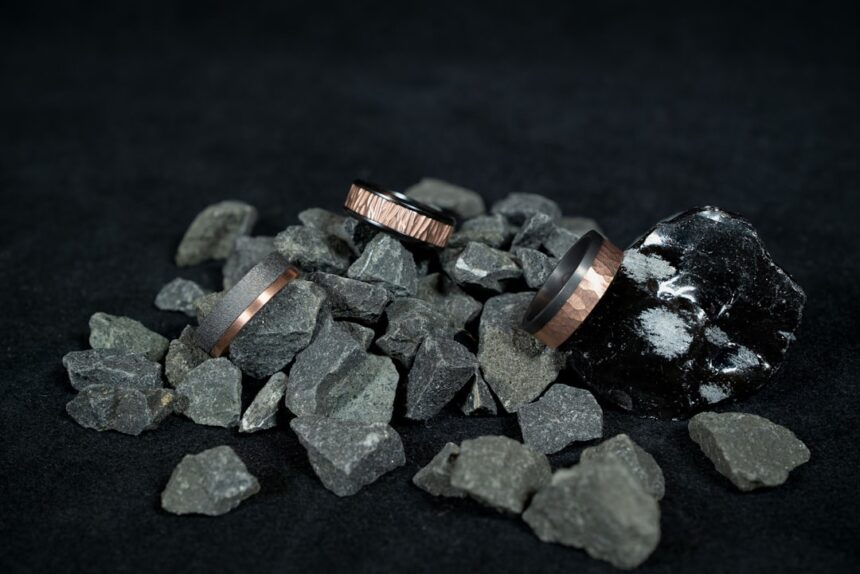
This article explores common misconceptions surrounding titanium and contrasts them with the established properties and applications of steel. It aims to provide a factual understanding of both materials, acknowledging their respective strengths and limitations in engineering and everyday use.
Titanium, a metallic element, has garnered a reputation for being a “miracle material.” This perception often stems from its high strength-to-weight ratio and perceived exotic nature. Its use in high-performance applications, such as aerospace and medical implants, has further fueled this mythos, contributing to a popular belief that titanium is inherently superior to other metals, particularly steel, in all situations. This article unpacks these notions, providing a grounded comparison.
Myth: Titanium is Always Stronger Than Steel
A common misconception is that titanium is universally stronger than steel. While certain titanium alloys exhibit impressive tensile strength, especially when considering their lower density, this does not mean all titanium is stronger than all steel. The “strength” of a material is a complex property encompassing tensile strength, yield strength, fatigue strength, and hardness.
Myth: Titanium is Indestructible
The idea of titanium as “indestructible” is an exaggeration rooted in its corrosion resistance and toughness. While titanium resists many forms of degradation, it is not immune to all stresses. Like any material, it can fracture under extreme loads, abrade, or be chemically attacked by certain substances under specific conditions.
In the ongoing debate of titanium myth vs. steel reality, it’s essential to explore various perspectives on the materials’ properties and applications. A related article that delves deeper into this topic can be found at this link, where the advantages and disadvantages of both titanium and steel are examined in detail. This resource provides valuable insights for anyone interested in understanding the true capabilities of these materials in different contexts.
Steel: The Unsung Workhorse
Steel, an alloy primarily of iron and carbon, forms the backbone of modern civilization. Its ubiquity is a testament to its versatility, cost-effectiveness, and established manufacturing processes. From structural components to everyday tools, steel provides a reliable and adaptable solution for countless engineering challenges.
Reality: Steel’s Diverse Strengths
Steel’s strength is not a monolithic characteristic. Its properties are highly dependent on its specific alloy composition and heat treatment.
Tensile Strength Variability in Steel
Different steel alloys offer a wide spectrum of tensile strengths. Low-carbon steels, for example, are known for their ductility and ease of forming, while high-carbon steels and alloy steels can achieve exceptional hardness and tensile strength, often surpassing that of many commercially pure titanium grades. For instance, some high-strength low-alloy (HSLA) steels and maraging steels exhibit tensile strengths comparable to or exceeding those of many titanium alloys.
Cost-Effectiveness and Availability
Steel’s widespread availability and established manufacturing infrastructure contribute to its significantly lower cost compared to titanium. This economic advantage often makes steel the more practical choice for applications where titanium’s niche properties are not strictly necessary. The cost differential is not incidental; it is a fundamental factor driving material selection in most industrial contexts.
Weight Considerations: A Balanced Perspective
One of titanium’s most celebrated attributes is its high strength-to-weight ratio. This property is indeed advantageous in weight-critical applications. However, a nuanced understanding reveals that “lighter” does not always equate to “better” for every structural design.
Titanium’s Density Advantage
Titanium’s density is approximately 4.5 g/cm³, while steel’s is around 7.85 g/cm³. This significant difference means that a component made from titanium will be considerably lighter than an equivalently sized component made from steel.
Implications for Aerospace and Performance Vehicles
In industries such as aerospace, where every kilogram saved translates to increased fuel efficiency or payload capacity, titanium’s lower density is a compelling factor. Similarly, in high-performance automotive or cycling applications, reducing unsprung mass or overall vehicle weight can improve handling and acceleration. Here, titanium’s weight advantage is a tangible engineering benefit.
Steel’s Structural Efficiency
While steel is denser, its higher ultimate tensile strength in many common grades can allow for the use of thinner sections or smaller geometries to achieve the same load-bearing capacity as a titanium component.
Design Optimization in Steel Structures
Engineers can optimize steel structures to mitigate the weight penalty. Advanced geometries, such as lattice structures or corrugated designs, can enhance stiffness and strength while minimizing material usage. Furthermore, the higher modulus of elasticity of steel means it deflects less under load than titanium for a given cross-sectional area, making it ideal for applications requiring high stiffness. This can lead to lighter overall assemblies when stiffness, not just strength, is a primary design driver.
Corrosion Resistance: Beyond the Surface
Both titanium and stainless steel are frequently chosen for their corrosion resistance, but the mechanisms and environmental specificities differ. Understanding these distinctions is crucial for appropriate material selection.
Titanium’s Passivation Layer
Titanium forms a stable, self-repairing passive oxide layer (TiO₂) when exposed to oxygen. This tenacious film provides excellent resistance to a wide range of corrosive environments, including seawater, chlorine, and many acids. This property is why titanium is highly valued in marine applications, chemical processing, and medical implants, where exposure to bodily fluids or aggressive chemicals is common.
Environmental Specificity of Titanium’s Resistance
While generally robust, titanium is not immune to all forms of corrosion. It can be susceptible to crevice corrosion or hydrogen embrittlement under specific, extreme conditions, such as exposure to highly concentrated acids at elevated temperatures or in hydrogen-rich environments.
Stainless Steel’s Chromium Oxide Layer
Stainless steels achieve their corrosion resistance through the presence of chromium, which forms a similar passive oxide layer on the surface. The effectiveness of this layer is dependent on the chromium content and the cleanliness of the surface.
Grades of Stainless Steel for Varied Environments
Different grades of stainless steel are designed for specific corrosive environments. Austenitic stainless steels, such as 304 and 316, demonstrate excellent resistance to many atmospheric conditions and some chemical exposures. Grade 316, with its molybdenum content, offers enhanced resistance to chloride-induced pitting and crevice corrosion, making it suitable for marine or coastal applications, albeit generally less resistant than titanium in these contexts. However, in certain environments, such as those with highly reducing acids, even high-grade stainless steels may not perform as well as titanium.
When exploring the differences between titanium and steel, it’s essential to consider various factors such as strength, weight, and cost. A related article that delves deeper into these materials is available at In The War Room, where you can find insights that clarify the myths surrounding titanium and the realities of steel. This resource provides a comprehensive analysis that can help you make informed decisions regarding material selection for your projects.
Cost and Manufacturing: Economic Realities
| Aspect | Titanium Myth | Steel Reality |
|---|---|---|
| Weight | Believed to be extremely lightweight, often considered lighter than steel by a large margin | Heavier than titanium but varies by alloy; generally denser and heavier |
| Strength | Thought to be much stronger than steel in all applications | High tensile strength, especially in specialized alloys; often stronger in certain applications |
| Corrosion Resistance | Highly corrosion resistant, often considered impervious to rust | Prone to rust unless treated or alloyed (e.g., stainless steel) |
| Cost | Perceived as affordable and widely available | Generally more cost-effective and widely used in industry |
| Durability | Believed to be unbreakable and extremely durable | Durable but can be brittle depending on alloy and treatment |
| Applications | Often thought to be suitable for all heavy-duty applications | Widely used in construction, automotive, and tools due to versatility |
The economic aspects of material selection are often as critical as their mechanical properties. The discrepancy in cost between titanium and steel, along with their respective manufacturing complexities, significantly influences their practical application.
Titanium’s High Production Cost
Titanium ore is abundant, but its extraction and refining into usable metal are complex and energy-intensive processes. The Kroll process, the primary method for producing titanium sponge, involves high temperatures and a vacuum, contributing significantly to its cost. Furthermore, titanium’s reactivity at elevated temperatures necessitates specialized melting and casting techniques, often performed in inert atmospheres.
Specialized Machining and Fabrication
Titanium’s material properties, including its relatively low thermal conductivity and tendency to work harden, make it challenging to machine. Specialized tools, slower speeds, and copious coolant are often required, increasing manufacturing time and cost. Welding titanium also demands inert gas shielding to prevent oxygen contamination and embrittlement. These factors contribute to the higher overall cost of titanium components.
Steel’s Established Supply Chain and Manufacturability
Steel benefits from a mature and highly efficient global supply chain. Its widespread production means lower raw material costs and access to a vast array of standardized forms.
Ease of Processing and Fabrication
Steel is generally easier to machine, form, and weld than titanium. Standard industrial equipment and techniques are readily applicable, reducing fabrication time and overall production expenses. This ease of processing contributes to steel’s pervasiveness in nearly every sector of industry. Many steel alloys are also highly ductile, allowing for intricate stamping and deep drawing processes that are more challenging with titanium. The thermal conductivity of steel is also higher than titanium, which can aid in heat dissipation during machining and welding, reducing tool wear and improving productivity.
Applications and Conclusion: Matching Material to Purpose
The choice between titanium and steel is not a matter of inherent superiority but of appropriate application. Each metal possesses a unique profile of strengths and weaknesses that makes it suitable for particular roles.
Titanium’s Niche Applications
Titanium excels in specific demanding environments where its unique combination of properties outweighs its higher cost and manufacturing complexities.
Aerospace and Biomedical Fields
In aerospace, the weight savings and high strength-to-weight ratio are critical for aircraft and spacecraft structures, engine components, and landing gear. In the biomedical field, titanium’s biocompatibility and corrosion resistance make it an ideal material for surgical implants, prosthetics, and dental devices. Its ability to integrate with bone tissue (osseointegration) is a significant advantage in these applications.
Sporting Goods and Luxury Items
Titanium’s properties also lend themselves to high-performance sporting goods, such as bicycle frames, golf club heads, and mountaineering equipment, where weight reduction and durability are valued. In luxury goods, its unique aesthetic and perceived exclusivity contribute to its use in watches, jewelry, and high-end automotive components.
Steel’s Ubiquitous Utility
Steel remains the workhorse material for the majority of industrial and civil applications due to its versatility, cost-effectiveness, and robust performance.
Infrastructure and Construction
In construction, various steel alloys are fundamental for structural beams, reinforcement bars (rebar), and architectural elements. Its strength, stiffness, and ability to be fabricated into complex shapes make it indispensable for skyscrapers, bridges, and other large-scale infrastructure projects. The economic viability of steel for these applications is paramount.
Automotive and Manufacturing
The automotive industry relies heavily on steel for vehicle chassis, body panels, engine components, and various other parts. Its formability and crush-absorbing properties are critical for safety and efficiency. In general manufacturing, steel is used for machinery, tools, pipelines, and a vast array of consumer goods. Its adaptability to different forms of processing and its predictable behavior under stress make it a reliable choice for mass production.
In summary, the narrative of titanium as an undisputed king of metals is a simplification that overlooks the remarkable and diverse capabilities of steel. While titanium offers significant advantages in specific, high-demand niches, steel continues to be an essential material for the vast majority of engineering and industrial applications. Material selection is fundamentally a process of careful consideration, balancing performance requirements, manufacturing feasibility, and economic constraints to choose the right material for the job. Recognizing both the myths surrounding titanium and the profound realities of steel enables more informed and effective engineering decisions.

WATCH NOW ▶️ STOP: The $100 Billion Titanium Myth Exposed
FAQs
What are the main differences between titanium and steel?
Titanium is a lightweight metal known for its high strength-to-weight ratio and excellent corrosion resistance, while steel is heavier but generally stronger and more affordable. Steel is an alloy primarily made of iron and carbon, whereas titanium is a pure element or alloyed with small amounts of other metals.
Is titanium always stronger than steel?
No, titanium is not always stronger than steel. While titanium has a high strength-to-weight ratio, certain types of steel, especially high-carbon or alloy steels, can have greater absolute strength and hardness than titanium.
Why is titanium often considered more expensive than steel?
Titanium is more expensive due to its complex extraction and processing methods, lower availability, and higher energy requirements during manufacturing. Steel production is more established and cost-effective, making steel generally cheaper.
Does titanium rust or corrode like steel?
Titanium is highly resistant to corrosion and does not rust like steel. Steel can rust when exposed to moisture and oxygen unless it is stainless steel, which contains chromium to improve corrosion resistance.
In what applications is titanium preferred over steel?
Titanium is preferred in applications where weight savings, corrosion resistance, and biocompatibility are critical, such as aerospace, medical implants, and high-performance sports equipment. Steel is often chosen for construction, automotive, and heavy machinery due to its strength and cost-effectiveness.