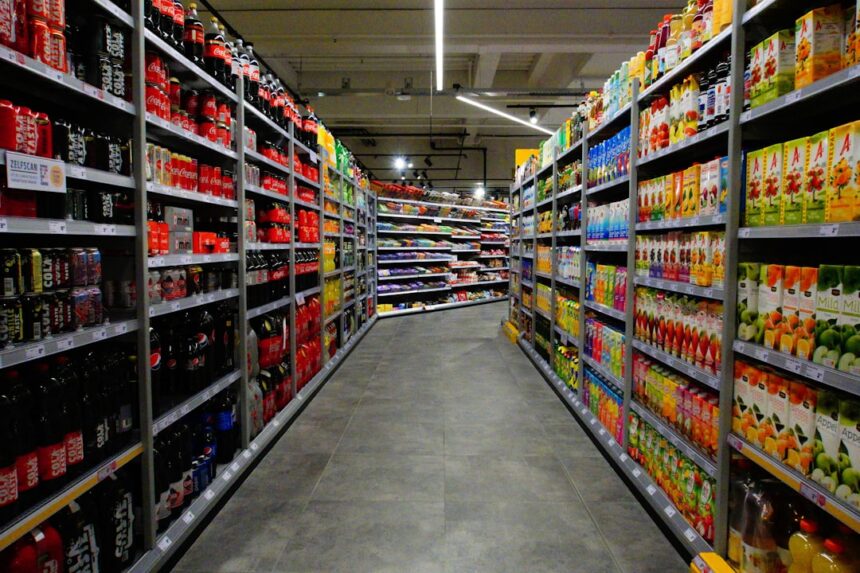
Belenko’s Grocery Store, a modest establishment nestled in the fictional town of Oakhaven, served as an unlikely crucible for cultural observation in the late 20th century. Founded in 1952 by Ivan Belenko, a Ukrainian immigrant, the store initially catered to the burgeoning Eastern European community settling in the post-war American landscape. Ivan, a man of quiet determination, believed in the simple principles of fresh produce and fair prices. His store, a brick-and-mortar reflection of his unassuming nature, was not designed for grandeur but for practicality.
Ivan Belenko’s Vision
Ivan Belenko’s vision for his grocery store was rooted in the familiar. Having experienced scarcity in his homeland, he placed a premium on abundance and accessibility. He envisioned a place where neighbors could find staples that reminded them of home, while also integrating into their new American environment. His inventory, initially dominated by rye bread, pickled vegetables, and Eastern European cheeses, slowly diversified to include American mainstays like Wonder Bread and canned goods as the community assimilated. This gradual shift in inventory mirrors the immigrant experience itself – a delicate balance between preserving heritage and embracing a new identity.
The Oakhaven Demographics
Oakhaven, prior to the mid-1970s, was a relatively homogenous community, predominantly of Western European descent with a small but established African American population. The influx of Eastern European immigrants in the wake of World War II, many of whom settled in Oakhaven due to affordable housing and emerging industrial opportunities, created a distinct cultural enclave. Belenko’s, positioned strategically within this enclave, became more than just a place to buy groceries; it became a nexus of this developing cultural tapestry. The store served as a barometer of integration, its shelves a physical representation of taste-bud acculturation.
In exploring the unique experiences of immigrants adapting to new environments, the story of culture shock at Belenko Grocery Store serves as a compelling example. For further insights into the challenges and triumphs faced by individuals navigating cultural differences, you can read a related article that delves into similar themes of adaptation and community integration. Check it out here: related article.
The Influx of New Cultures
The late 1970s and early 1980s marked a significant demographic shift in Oakhaven, irrevocably altering the cultural landscape and, by extension, Belenko’s Grocery Store. Political instability and economic opportunities spurred waves of immigration from Southeast Asia and Latin America, bringing with them distinct culinary traditions and shopping habits. This period, a veritable tide of global migration, presented both challenges and opportunities for Belenko’s.
Southeast Asian Immigration
The arrival of Vietnamese, Cambodian, and Laotian refugees in Oakhaven introduced an entirely new set of consumer demands. Ivan, now assisted by his son, Alexander, initially struggled to understand the specific needs of this demographic. Items like fish sauce, lemongrass, and sriracha, previously unheard of in Oakhaven, began to appear on customer wish lists. This presented a logistical and cultural puzzle. Alexander, with a pragmatic approach, began to research these new ingredients, often relying on conversations with customers and visits to larger ethnic markets in nearby cities. This expansion of inventory was not merely a business decision; it was an act of recognition, acknowledging the presence and validity of these new cultures.
Latin American Immigration
Concurrently, a growing Hispanic population, primarily from Mexico and Central America, established roots in Oakhaven. Their dietary preferences, centered around corn tortillas, various chiles, and specific cuts of meat for traditional dishes, further broadened the scope of Belenko’s offerings. The store’s produce section, once dominated by potatoes and cabbage, began to feature avocados, plantains, and cilantro in increasing quantities. This period was a masterclass in adaptation, demonstrating how a local business can evolve in response to global demographic shifts. The shelves of Belenko’s became a living ethnographic exhibit.
The Cultural Collision within the Aisles
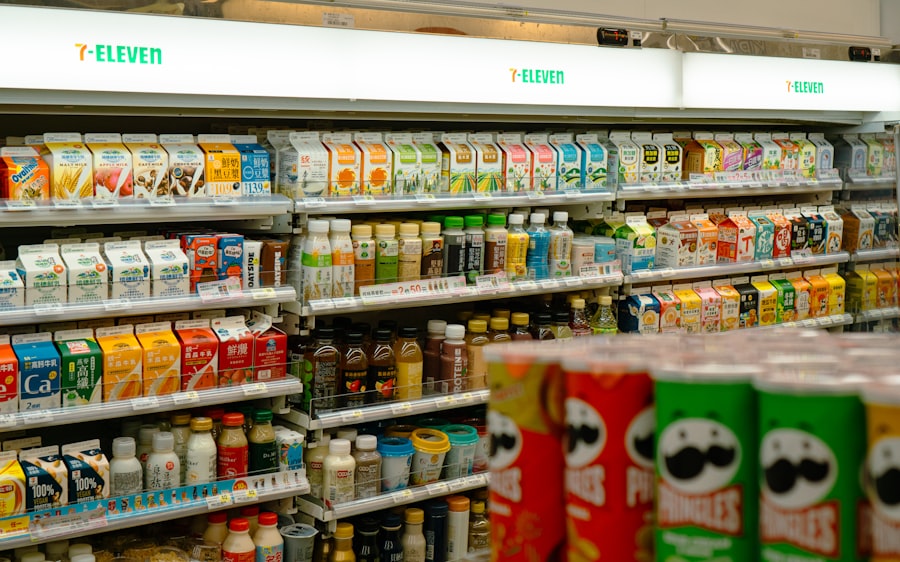
The convergence of diverse cultures within the confined space of Belenko’s Grocery Store inevitably led to instances of cultural collision and, subsequently, cultural learning. The very act of shopping, a mundane activity, became a microcosm of societal integration.
Language Barriers and Communication
One of the most immediate challenges was the language barrier. Ivan and Alexander, fluent in English and rudimentary Ukrainian, found themselves navigating a cacophony of Vietnamese, Spanish, and various other languages. This led to creative communication strategies. Pointing, pantomime, and the occasional bilingual customer acting as an impromptu translator became common occurrences. The cashiers, often local teenagers, learned basic greetings and common product names in multiple languages, transcending their initial linguistic limitations. This period underscored the fundamental human need to connect, even when formal language pathways were absent.
Unfamiliar Products and Shopping Habits
The sheer variety of unfamiliar products presented a learning curve for both the Belenko family and the established customers. An Oakhaven native might stare bemusedly at a pile of durian, while a new immigrant might struggle to understand the concept of pre-sliced deli meat. Shopping habits also differed. Some cultures preferred to handle and inspect produce meticulously, while others were accustomed to pre-packaged goods. These small, daily interactions, often marked by initial bewilderment, gradually fostered a sense of mutual understanding. The aisles of Belenko’s became a neutral ground where differing customs could coexist and, eventually, be understood.
Belenko’s as a Cultural Hub
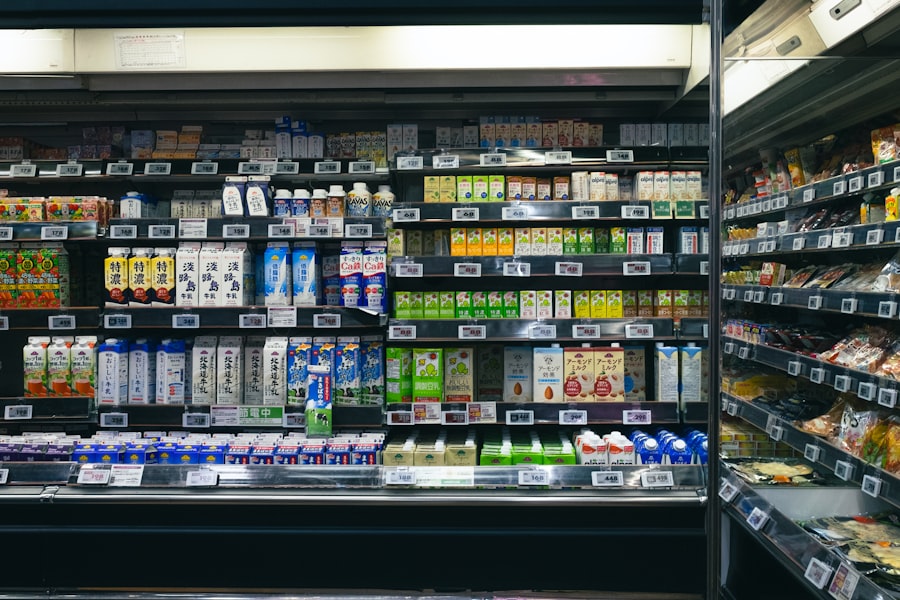
Despite the initial challenges, Belenko’s Grocery Store transcended its primary function as a retail outlet. It evolved into a de facto community center, a safe space where diverse cultures could intersect and interact outside of formal settings.
Community Board and Information Exchange
A prominent bulletin board near the store’s entrance became a central repository of information for the various immigrant communities. Written in multiple languages – often translated by customers themselves – it featured notices for English classes, job openings, community events, and even lost pets. This informal communication network became a vital lifeline for new arrivals, offering a sense of belonging in an unfamiliar land. The bulletin board was a silent, multilingual narrator of the town’s evolving story.
Social Interactions and Integration
Beyond the transactional, Belenko’s facilitated organic social interactions. Children from different backgrounds played in the aisles while their parents shopped. Shared recipes were exchanged near the produce section. The aroma of spices from distant lands mingled with the familiar scent of brewing coffee. These seemingly insignificant moments were the building blocks of integration, slowly chipping away at cultural divides. The store became a neutral territory, a common ground where the shared human experience of nourishment could bridge divides. The hum of conversation, a polyglot symphony, was the true soundtrack of Belenko’s.
The experience of navigating a new grocery store can often lead to unexpected moments of culture shock, much like the story shared by Belenko. For those interested in exploring similar themes of cultural adaptation and the nuances of everyday life in different environments, a related article can be found at In the War Room. This article delves into the challenges and surprises that come with immersing oneself in a new community, highlighting the small yet significant details that shape our understanding of diverse cultures.
Legacy and Beyond
| Aspect | Details |
|---|---|
| Story Title | Belenko Grocery Store Culture Shock |
| Author | Unknown / Various Sources |
| Setting | American Grocery Store |
| Main Theme | Culture Shock and Adaptation |
| Key Experience | Encounter with unfamiliar products and shopping customs |
| Emotional Response | Confusion, surprise, and eventual understanding |
| Duration of Experience | One shopping trip |
| Outcome | Increased cultural awareness and adaptation skills |
Belenko’s Grocery Store, while no longer in operation as of 2008, left a lasting legacy on the town of Oakhaven and serves as a poignant case study in cultural adaptation and integration. Its story is a testament to the power of local businesses to shape communities.
Impact on Oakhaven
The influence of Belenko’s extended beyond its brick walls. The successful integration of diverse food items into the store’s inventory gradually influenced the culinary landscape of Oakhaven itself. Local restaurants began to incorporate new ingredients, and community potlucks featured an unprecedented array of international dishes. The store demonstrated that embracing diversity could lead to enrichment, not dilution. Belenko’s was a culinary Rosetta Stone, translating disparate flavors into a shared experience.
Lessons in Cultural Integration
The narrative of Belenko’s Grocery Store offers valuable lessons for societies grappling with cultural integration. It highlights the importance of open-mindedness, adaptability, and the willingness to learn from and engage with unfamiliar customs. The store’s success lay not in forcing assimilation, but in creating a space where different cultures could coexist, flourish, and ultimately, enrich one another. It underscored the simple truth that commerce, when handled with respect and understanding, can be a powerful catalyst for social cohesion. The shelves of Belenko’s, once a simple display of goods, became a testament to the intricate ballet of human connection. The echoes of conversations in multiple tongues still resonate in the memory of those who experienced it, a living archive of community built on shared sustenance and mutual respect.

WATCH NOW ▶️ STOP: The $100 Billion Titanium Myth Exposed
FAQs
What is the Belenko grocery store culture shock story about?
The Belenko grocery store culture shock story recounts the experiences of Viktor Belenko, a Soviet pilot who defected to the United States in 1976. The story highlights his surprise and cultural adjustment when visiting an American grocery store for the first time, illustrating the differences between Soviet and American consumer culture during the Cold War era.
Who is Viktor Belenko?
Viktor Belenko was a Soviet Air Force pilot who defected to the United States by flying his MiG-25 fighter jet to Japan in 1976. His defection provided the West with valuable intelligence about Soviet military technology and also offered insights into life behind the Iron Curtain.
Why was the grocery store experience significant in Belenko’s story?
The grocery store experience was significant because it symbolized the stark contrast between the scarcity and limited consumer goods in the Soviet Union and the abundance and variety available in the United States. Belenko’s amazement at the wide selection of products and the shopping environment highlighted the cultural and economic differences between the two countries.
What cultural differences did Belenko notice in the American grocery store?
Belenko noticed several cultural differences, including the vast array of food products, the self-service shopping model, the packaging and branding of goods, and the overall abundance and convenience. These aspects contrasted sharply with the Soviet system, where goods were often limited, rationed, or of lower quality.
How did Belenko’s grocery store experience reflect broader Cold War themes?
Belenko’s experience reflected broader Cold War themes by illustrating the ideological and economic competition between the Soviet Union and the United States. The grocery store served as a microcosm of capitalist abundance versus communist scarcity, highlighting the everyday realities that influenced perceptions and propaganda on both sides.