The silent and often murky world of submarine warfare offers few greater prizes than a sunken adversary, particularly one laden with secrets. The recovery of a Soviet ballistic missile submarine, or SSBN, from the depths of the ocean would be an undertaking of immense complexity and strategic significance. Such an operation, while hypothetical in its entirety for this discussion, draws parallels with historical events and provides a framework to understand the multifaceted challenges involved.
The first critical phase in any recovery operation is the definitive identification of a lost vessel. Imagine, if you will, a powerful Soviet Project 667B Murena (Delta I) SSBN, armed with R-29 (SS-N-8 Sawfly) ballistic missiles, silently patrolling its designated patrol area. Suddenly, a catastrophic internal event – perhaps an uncontained propulsion system failure, an internal explosion, or structural collapse due to an unexpected depth excursion – plunges the behemoth into the abyss. The immediate aftermath would likely involve a frantic, yet ultimately futile, attempt by the crew to regain control, followed by the chilling silence of its disappearance from naval tracking systems.
Disappearance and SOS Signals
The initial indication of a loss would be the cessation of routine communications and the failure to respond to dedicated queries. While a modern SSBN would be equipped with emergency locator beacons designed to activate upon catastrophic events, their effectiveness can be hampered by depth, debris fields, or structural damage. The absence of these signals or their sporadic, distorted transmissions would immediately trigger a high-level alert.
Intelligence Gathering and Triangulation
Naval intelligence agencies, ever vigilant, would be the first to attempt to piece together the fragments of information. Acoustic monitoring systems, such as the U.S. Navy’s Sound Surveillance System (SOSUS) or similar Soviet arrays, would be meticulously reviewed for any anomalous sounds – implosions, explosions, or the distinctive sounds of a collapsing hull. The challenge, however, is akin to discerning a whisper in a hurricane; the ocean is a noisy environment. Triangulation of any detected acoustic events, combined with analysis of the SSBN’s last known position and predicted trajectory, would narrow the search area, but it would remain a vast expanse.
The Search for the “Needle in the Haystack”
Once an approximate location is established, the real work of pinpointing the wreck begins. This is an endeavor that demands advanced technology and immense patience. Dedicated survey ships, equipped with side-scan sonar, multi-beam echo sounders, and magnetometers, would systematically grid the suspected area. These instruments act as the eyes and ears of the surface vessels, peering through the dark ocean depths for any anomaly that suggests a large metallic object. The process is slow and painstaking, a maritime archaeological dig on an unprecedented scale.
In recent years, the recovery of Soviet ballistic missile submarines has garnered significant attention due to its implications for maritime security and historical preservation. A related article that delves into the complexities of this topic can be found at this link. The article explores the technological advancements in submarine recovery operations and the geopolitical ramifications of salvaging these submerged relics from the Cold War era.
Survey and Characterization: An Underwater Autopsy
Once the wreck is located, often lying thousands of meters beneath the surface, the focus shifts to detailed survey and characterization. This phase is crucial for understanding the state of the submarine, identifying potential hazards, and formulating a recovery strategy. It’s akin to a forensic investigation conducted in a hostile environment, where every detail matters.
Remotely Operated Vehicles (ROVs) and Autonomous Underwater Vehicles (AUVs)
ROVs and AUVs become the primary tools for this phase. These sophisticated machines, tethered to or independently operating from surface vessels, carry a suite of sensors: high-resolution cameras, sonar systems, laser profilers, and manipulators. They provide the first visual confirmation of the SSBN’s resting place, revealing the extent of the damage, the orientation of the wreck, and the surrounding seabed conditions. Imaging the wreck in detail, creating 3D models, and mapping the debris field are critical tasks. The data gathered provides a virtual blueprint of the sunken vessel.
Structural Integrity Assessment
A key objective of the survey is to assess the structural integrity of the submarine’s pressure hull. Is it largely intact, or has it sustained catastrophic damage, breaking into multiple sections? The state of the pressure hull dictates the feasibility and method of recovery. A largely intact hull, while presenting its own challenges, offers a more confined package for retrieval. A fragmented wreck, on the other hand, might necessitate the recovery of individual sections, each presenting unique engineering problems.
Environmental Hazard Assessment: A Sleeping Dragon’s Breath
The presence of nuclear reactors and ballistic missiles introduces significant environmental hazards. The survey must ascertain the integrity of the reactor shielding and the missile canisters. Any breach in these systems could lead to the release of radioactive materials or highly energetic missile propellants, posing long-term environmental risks. Specialized sensors mounted on ROVs would be used to detect radiation levels and chemical leaks, ensuring the safety of future recovery operations and mitigating ecological damage.
Site Characterization and Seabed Stability
Understanding the seabed environment is paramount. Is the submarine resting on a stable, flat plain, or is it partially buried in soft sediment, or perhaps precariously perched on an underwater slope? The geotechnical properties of the seafloor will significantly influence the design of lifting equipment and the overall recovery plan. Undermining or shifting sediments during a lifting operation could lead to catastrophic failure.
Planning the Recovery: A Grand Symphony of Engineering
With the detailed survey data in hand, naval engineers, salvage experts, and scientists would embark on the monumental task of planning the recovery. This is not a task for the faint of heart; it requires innovative solutions to unprecedented challenges, bringing together a vast array of disciplines.
Defining Recovery Objectives: What to Retrieve?
Before any lifting can commence, the precise recovery objectives must be clearly defined. Is the goal to retrieve the entire submarine, or specific sections containing sensitive technology, such as the missile compartment, the reactor section, or the command and control center? The answer to this question will drive the entire planning process, influencing the scale and complexity of the operation. The strategic value of the recovered components would be the paramount consideration.
Technological Development and Adaptation: Forging New Tools
The depths at which SSBNs typically operate often exceed the capabilities of conventional salvage equipment. This necessitates the development of new technologies or the adaptation of existing ones for extreme deep-sea environments. Imagine, for instance, the need for massive, high-strength lifting chains and slings capable of withstanding immense underwater pressures and loads, or specialized robotic systems to assist in attachment and rigging operations. The “hooks” for such a recovery would not be simple grappling irons, but sophisticated underwater engineering masterpieces, perhaps employing suction cups the size of cars or electromagnets of unimaginable power, specifically designed to interface with the submarine’s hull.
Risk Assessment and Mitigation: A Tightrope Walk
The planning phase would dedicate significant resources to comprehensive risk assessment and the development of robust mitigation strategies. This involves analyzing every conceivable failure point, from equipment malfunction to adverse weather conditions, and devising contingency plans. The consequences of a failed recovery operation are not just economic; they could involve further damage to the wreck, release of hazardous materials, and even loss of life for recovery personnel. This is a tightrope walk where every step must be calculated and accounted for.
The Recovery Operation: A Titanic Effort
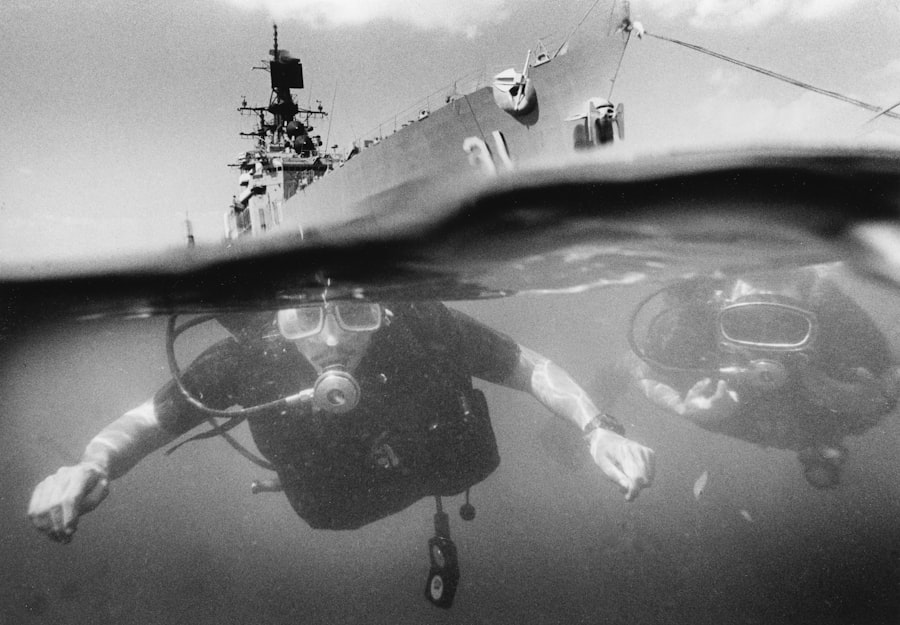
The actual recovery operation would be a spectacle of human ingenuity and resilience, a testament to the relentless pursuit of strategic advantage. It would be a monumental undertaking, stretching the limits of engineering and endurance.
Mobilization of Specialized Assets: An Armada of Expertise
A successful recovery would require the mobilization of a unique fleet of specialized vessels. This would include heavy-lift crane ships, capable of hoisting thousands of tons from extreme depths, highly instrumented support vessels, and advanced diving support ships. Each vessel in this fleet would be a sophisticated platform, equipped with state-of-the-art dynamic positioning systems to maintain precise stationkeeping over the wreck. Think of it as a carefully choreographed ballet of massive vessels, each playing a critical role in the underwater drama.
Deep-Sea Lifting and Attachment Procedures: A Delicate Embrace
The process of attaching lifting apparatus to a sunken submarine at extreme depths is extraordinarily complex. It would likely involve a combination of highly skilled saturation divers, operating at the physiological limits of human endurance, and specialized ROVs with powerful manipulator arms. Imagine divers working in the crushing pressure of the deep, meticulously securing colossal slings and attachment points to the submarine’s hull, their every movement aided and monitored by a swarm of robotic assistants. The goal is a delicate embrace, not a forceful grapple, to ensure the structural integrity of the wreck during the lift.
The Ascent: A Slow, Treacherous Journey
Once secured, the ascent would be a slow, deliberate, and treacherous journey. The lifting vessel(s) would meticulously raise the submarine, often in stages, to mitigate stress on the hull and the lifting gear. Constant monitoring of tension, depth, and the submarine’s orientation would be crucial. The transition through different pressure regimes, from the crushing weight of the deep to the lighter embrace of shallower waters, would require careful management. It’s like pulling a delicate, waterlogged book from the bottom of a pond, where a sudden jerk could cause it to disintegrate.
Surface Transfer and Containment: The Final Act
Upon reaching the surface, the submarine would not simply be hauled onto a dock. It would be carefully positioned into a pre-engineered containment system, potentially a specialized salvage barge or a dry dock, designed to handle the presence of any remaining hazardous materials. The containment would be a critical last step, the careful wrapping of a precious and potentially dangerous package.
The recovery of Soviet ballistic missile submarines has been a topic of significant interest among military historians and enthusiasts alike. An insightful article that delves into the complexities of these underwater operations can be found on In The War Room. This piece not only explores the technological advancements of the submarines but also highlights the strategic implications of their recovery efforts. For more detailed information, you can read the full article here.
Post-Recovery Analysis and Strategic Implications: Unveiling the Secrets
| Metric | Details |
|---|---|
| Submarine Class | Typhoon, Delta, Yankee, and others |
| Recovery Operations | Salvage and rescue missions for disabled ballistic missile submarines |
| Recovery Equipment | Specialized deep-sea submersibles, cranes, and support vessels |
| Maximum Depth for Recovery | Up to 600 meters (approximate operational depth) |
| Recovery Timeframe | Varied from hours to days depending on incident severity |
| Number of Documented Recoveries | Limited public data; several known incidents during Cold War |
| Primary Recovery Challenges | Harsh underwater conditions, radiation hazards, and missile safety |
| Support Vessels | Specialized salvage ships and nuclear support vessels |
With the submarine successfully recovered, the focus would shift from engineering feats to intelligence analysis and strategic exploitation. This is where the true value of the undertaking would be realized.
Forensic Examination and Intelligence Exploitation: Peering into the Past
A detailed forensic examination of the recovered submarine would commence. Every component, every logbook (if retrievable), and every piece of equipment would be meticulously analyzed. This would provide invaluable insights into Soviet submarine design, construction techniques, sensor systems, weapon capabilities, and operational procedures. Imagine a team of experts disassembling the submarine, piece by piece, like archaeologists meticulously excavating a lost city, each artifact revealing a sliver of the past. The data gleaned would provide a crucial understanding of Soviet naval capabilities, informing countermeasures and future strategic planning.
Missile and Nuclear Reactor Analysis: The Crown Jewels of Intelligence
The greatest intelligence prizes would be the ballistic missiles and the nuclear reactor. The recovery of intact missiles would allow for unprecedented analysis of their guidance systems, warhead designs (if present and recoverable), and propulsion technology. This “reverse engineering” would be a goldmine of information, providing a direct window into Soviet strategic weapons development. Similarly, a detailed examination of the reactor systems would offer insights into Soviet nuclear propulsion technology, safety features, and fuel cycle management. These are the crown jewels of intelligence, offering capabilities that would redefine strategic balances.
Long-Term Strategic Impact: A Ripple Effect
The long-term strategic impact of such a recovery would be profound. It would undoubtedly influence naval doctrine, submarine design, and anti-submarine warfare strategies for decades to come. The knowledge gained would provide a significant intelligence advantage, shaping the technological arms race and informing geopolitical calculations. Such an operation, if it were ever to occur, would reverberate through the annals of naval history, a testament to the enduring human drive to explore, understand, and, in the shadowy world of strategic competition, gain an undeniable edge. The whispers from the deep, once silenced by the ocean’s embrace, would then speak volumes, informing the strategic dialogues of nations.

WATCH NOW ▶️ SHOCKING: How The CIA Stole A Nuclear Submarine
FAQs
What was the primary purpose of Soviet ballistic missile submarine recovery operations?
Soviet ballistic missile submarine recovery operations were primarily conducted to retrieve missile components, equipment, or personnel from submarines in case of accidents, malfunctions, or during training exercises to ensure the security and integrity of their strategic assets.
How did the Soviet Union recover ballistic missile submarines or their components?
The Soviet Union used specialized recovery vessels, deep-sea submersibles, and divers to locate and retrieve parts or entire sections of ballistic missile submarines. These operations often involved advanced underwater technology and coordination between naval and technical teams.
Were there any notable incidents involving Soviet ballistic missile submarine recovery?
Yes, there were several incidents, including submarine accidents where recovery efforts were critical. One of the most well-known cases is the recovery operations following the sinking of the K-219 submarine in 1986, where the Soviets attempted to salvage missile components and sensitive materials.
What challenges did Soviet recovery teams face during these operations?
Recovery teams faced challenges such as deep ocean pressures, limited visibility, the risk of nuclear contamination, and the technical difficulty of handling large missile components underwater. Additionally, secrecy and security concerns often complicated these missions.
Did Soviet ballistic missile submarine recovery efforts influence modern submarine recovery techniques?
Yes, the techniques and technologies developed during Soviet recovery operations contributed to advancements in underwater salvage and recovery methods. These experiences have informed modern naval recovery protocols and the design of specialized equipment for submarine rescue and salvage worldwide.