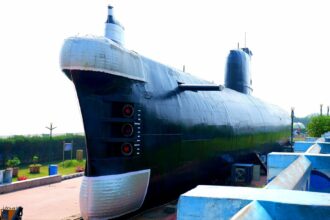
The chilling account of the Soviet sailors’ burial at sea, a somber incident shrouded in secrecy, has long been a subject of speculation, with the Central Intelligence Agency (CIA) frequently implicated. This article seeks to unravel the threads of this narrative, examining the available evidence and the context surrounding the controversial event. As we delve into this dark chapter of Cold War history, it is important to approach the subject with a critical and discerning eye, separating unsubstantiated rumors from verifiable facts.
The specific incident in question refers to the alleged loss of Soviet submarines and the subsequent handling of their crews. While details remain scarce and heavily guarded by both Russian and former Soviet authorities, the narrative often revolves around a particular event or series of events where Soviet sailors met their end beneath the waves.
Whispers from the Abyss: The Core Allegations
The central allegation, often amplified by intelligence analysts and journalists, suggests a clandestine role for the CIA in the fate of these sailors. These claims paint a picture of a covert operation, where the CIA may have played a part in either the sinking of the submarines or, more disturbingly, in the disposal of the crews to prevent the recovery of sensitive information or technology.
The “Ghost Fleet” Theory
One prominent theory posits the existence of a “ghost fleet,” a collection of Soviet submarines lost over decades, with their crews never officially accounted for in detail. These whispers suggest that the CIA might have orchestrated scenarios leading to these losses, effectively erasing entire crews from existence to further strategic objectives.
The Recovery Dilemma
Another facet of the allegations centers on the potential for Soviet submarines to fall into enemy hands. The fear of advanced Soviet naval technology, particularly during the height of the Cold War, would have presented a significant strategic vulnerability. The CIA, tasked with safeguarding American interests, would have been motivated to prevent such a scenario at all costs.
The Fog of War: Limited Public Information
It is crucial to acknowledge the inherent difficulty in verifying these claims. The nature of intelligence operations means that much of what transpired remains classified, buried under layers of national security protocols. This lack of transparency acts as a fertile ground for speculation, where the absence of concrete evidence can be interpreted as proof of something more sinister.
The burial at sea of Soviet sailors has been a topic of intrigue and speculation, particularly in relation to the covert operations conducted by the CIA during the Cold War. For a deeper understanding of the complexities surrounding this event and its implications, you can read a related article that delves into the historical context and the clandestine activities of intelligence agencies. To explore this further, visit this article.
Shadows of Operation Ivy Bells: Covert Operations and Their Consequences
To understand the potential CIA involvement, one must consider the broader landscape of covert operations during the Cold War. The pursuit of naval intelligence was a paramount objective for both superpowers, leading to daring and often perilous missions.
The Prize of Underwater Secrets
Soviet submarines represented a formidable technological achievement and a critical component of their strategic defense. Accessing their capabilities, operational procedures, and even their internal workings would have provided an invaluable intelligence advantage. This race for underwater secrets fueled a clandestine war of attrition, where information was as potent a weapon as any missile.
Espionage Beneath the Waves
The CIA, alongside its military intelligence counterparts, was deeply involved in efforts to monitor Soviet naval activity. This included the development of sophisticated listening devices, the tracking of submarine movements, and the daring retrieval of information directly from Soviet vessels.
The Risk and the Reward
These operations were inherently risky. The narrow margin for error meant that even minor miscalculations could have catastrophic consequences, not only for the operatives involved but also for the broader geopolitical landscape. The potential rewards, however, were immense, offering insights that could fundamentally alter the balance of power.
The Legacy of Ivy Bells
Operation Ivy Bells, a joint operation between the CIA and the US Navy, stands as a stark example of the audacious nature of these intelligence efforts. This operation involved tapping into undersea communication cables laid by the Soviets, allowing the US to intercept vast amounts of data. While not directly involving submarine sinkings, it highlights the level of clandestine engagement in Soviet maritime affairs.
A Cold War Gambit
The success of such operations, while strategically valuable, also underscored the inherent dangers. The constant threat of discovery and the potential for escalation loomed large. The narrative of the Soviet sailors’ burial at sea can be seen as a dark echo of these high-stakes gambits.
The Unseen Sacrifices
While the focus often falls on the technological and strategic dimensions, it is important to remember the human cost. The sailors involved in these clandestine operations, on both sides, operated under immense pressure and faced constant peril. The allegations of their ultimate fate serve as a grim reminder of the ultimate sacrifices that can be made in the pursuit of national security.
The Silence of the Deep: Examining Specific Incidents and Their Alleged CIA Links

While the general context of Cold War espionage is important, specific allegations often point to particular submarine losses and their alleged connection to the CIA. These instances, however, remain shrouded in a veil of conjecture due to the scarcity of official disclosures.
The K-129 Incident: A Case Study in Secrecy
Perhaps the most frequently cited incident is the loss of the Soviet submarine K-129 in 1968. The official Soviet account stated that the submarine sank due to an unspecified accident, with all hands lost. However, the US Navy, with CIA assistance, launched a highly classified operation, Project Azorian, to salvage parts of the K-129 from the ocean floor.
Project Azorian: A Daring Retrieval
Project Azorian was an engineering marvel and a testament to the lengths to which intelligence agencies would go to obtain sensitive Soviet technology. The operation involved a specially constructed vessel, the Glomar Explorer, designed to lift a significant portion of the submarine from depths of over 16,000 feet.
The Unanswered Questions
While Project Azorian did recover part of the K-129, including some of the bodies of its crew, it also raised a multitude of questions. The extent of CIA involvement in the circumstances leading to the K-129’s sinking, if any, remains a subject of intense debate. Was the sinking an accident, or was it precipitated by a clandestine US operation? The recovered wreckage provided valuable intelligence, but the true story of its demise remains incomplete.
Other Lost Submarines: A Pattern of Shadowy Losses?
Beyond the K-129, other Soviet submarines were lost during the Cold War. While many of these losses are attributed to accidents or mechanical failures, the persistent rumors of CIA involvement suggest a more sinister undercurrent. The sheer number of unexplained losses fuels speculation about a possible pattern of covert intervention.
The Echo in the Darkness
For those who believe in a more active CIA role, these other losses serve as corroborating evidence. The argument is that if the CIA was involved in one such incident, why not others, especially when the stakes were so high? The ocean depths, in this narrative, become a vast graveyard of ships and men, with the CIA holding the keys to their silent testament.
The Weight of Suspicion
It is important to note that suspicion, while understandable given the historical context, is not proof. The Cold War was a period of intense propaganda and disinformation, and attributing every misfortune to a clandestine enemy action can be a logical fallacy, much like seeing a shadowy figure in every dark corner.
The CIA’s Mandate and the Ethics of Covert Action
Understanding the alleged CIA involvement necessitates an examination of the agency’s mandate and the ethical considerations surrounding covert operations. The CIA operates under the directive to protect US national security, a mandate that has historically justified a wide range of clandestine activities.
The Pragmatism of National Security
From the perspective of national security strategists, the actions of intelligence agencies are often judged by the outcomes they achieve. If a covert operation successfully prevented a significant threat or gained a crucial advantage, the ethical considerations might be deemed secondary to the perceived necessity.
The “Greater Good” Argument
The argument often put forth in defense of such operations is that they serve the “greater good” by preventing larger conflicts or safeguarding the nation from existential threats. This utilitarian approach, however, can be a slippery slope, justifying actions that might otherwise be considered morally reprehensible.
The Moral Compass of Intelligence Agencies
The ethical landscape of intelligence agencies is a complex and often debated terrain. While operating in the shadows, these organizations are still subject to the moral frameworks of the societies they serve. The question arises: at what point do the ends justify the means?
The Human Cost of Secrecy
The alleged involvement of the CIA in the fate of Soviet sailors highlights the profound human cost that can accompany covert operations. The secrecy that surrounds these actions often prevents proper accountability and can leave a legacy of unanswered questions and enduring suffering for the families of those lost.
The Unseen Hand: Scrutiny and Accountability
The very nature of intelligence work shields these agencies from the public gaze. This lack of transparency, while often deemed necessary for operational effectiveness, also makes it incredibly difficult to hold them accountable for their actions. The whispers of CIA involvement in the Soviet sailors’ burial at sea represent a persistent call for that unseen hand to be brought into the light, if only for a moment.
The burial at sea of Soviet sailors has been a topic of intrigue, especially in the context of Cold War espionage and covert operations. A related article explores the complexities surrounding these events and the role of the CIA in shaping narratives during this tumultuous period. For a deeper understanding of the implications and historical significance, you can read more in this insightful piece found here. This examination sheds light on the often-overlooked aspects of maritime burials and their connections to intelligence activities.
The Enduring Legacy: Unanswered Questions and Historical Reflections
| Metric | Details |
|---|---|
| Event | Burial at Sea of Soviet Sailors |
| Involved Parties | Soviet Navy, CIA (Central Intelligence Agency) |
| Purpose | Disposal of Soviet sailors’ remains, intelligence monitoring |
| Location | International waters, specific coordinates classified |
| Date Range | Cold War era (approx. 1950s-1980s) |
| Number of Sailors Buried | Classified / Unknown |
| CIA Involvement | Surveillance, intelligence gathering on Soviet naval activities |
| Significance | Symbolic gesture, intelligence operation during Cold War tensions |
The story of the Soviet sailors’ burial at sea, with the alleged CIA involvement, remains a potent symbol of the Cold War’s clandestine battles and the enduring mysteries that persist from that era. Despite decades of speculation and investigation, definitive answers remain elusive, leaving a void that is often filled with conjecture.
The Burden of Unverified Narratives
For the families of the lost sailors, the lack of clarity is likely a source of immense pain. The absence of official, verifiable accounts leaves them in a perpetual state of not knowing, a fate arguably more cruel than a confirmed tragedy. The allegorical “ships of uncertainty” forever sail their grief.
The Weight of Silence
The silence from official sources, both Russian and American, on the precise circumstances surrounding these losses continues to fuel the flames of suspicion. Each unanswered question becomes a brick in the wall of mystery, fortifying the narratives of covert intervention.
The Importance of Historical Inquiry
Despite the challenges, the pursuit of historical truth remains paramount. Even if definitive proof of CIA involvement in every alleged incident is unattainable, the continued examination of available documents, testimonies, and declassified information can shed light on this dark period.
The Unfolding Tapestry of History
History is not a static monument; it is a constantly unfolding tapestry, with new threads being discovered and woven over time. The story of the Soviet sailors’ burial at sea, and the alleged CIA’s role, is likely to remain a subject of historical inquiry for years to come, as more information potentially comes to light.
lessons from the Deep
Ultimately, the narrative of the Soviet sailors’ burial at sea serves as a stark reminder of the human cost of geopolitical rivalries and the ethical complexities inherent in intelligence operations. It is a chapter of history that, while buried in secrecy, continues to echo with the questions of what truly happened beneath the waves and the unseen sacrifices made in the name of national security. As we reflect on these events, it is crucial to strive for a more complete understanding, acknowledging the limitations of our knowledge while continuing to probe the depths of historical mystery.

WATCH NOW ▶️ SHOCKING: How The CIA Stole A Nuclear Submarine
FAQs
What was the purpose of the burial at sea of Soviet sailors by the CIA?
The burial at sea of Soviet sailors by the CIA was conducted to discreetly dispose of the bodies of Soviet personnel, often related to covert operations or intelligence activities during the Cold War, in order to maintain secrecy and avoid diplomatic incidents.
When did these burial at sea operations typically take place?
These operations primarily occurred during the Cold War era, particularly from the 1950s through the 1980s, when tensions between the United States and the Soviet Union were high and intelligence activities were frequent.
How were the burial at sea operations carried out by the CIA?
The CIA typically conducted these burials using naval vessels or submarines, ensuring that the bodies were disposed of in deep ocean waters far from shorelines to prevent discovery and maintain operational secrecy.
Were these burial at sea operations publicly acknowledged by the CIA?
No, the CIA did not publicly acknowledge these burial at sea operations. Information about them has mostly come from declassified documents, intelligence leaks, or investigative research after the end of the Cold War.
What was the significance of these burial at sea practices in the context of Cold War espionage?
The burial at sea of Soviet sailors by the CIA was significant as it reflected the clandestine nature of Cold War espionage, where both sides took extreme measures to protect intelligence sources, methods, and personnel, while avoiding public or diplomatic fallout.