The vast, unexplored expanses of the deep ocean floor harbor a treasure trove of minerals, and among the most intriguing are manganese nodules. These potato-shaped concretions, scattered across abyssal plains, are not just geological curiosities; they represent a potential source of critical metals necessary for modern technology. The prospect of harvesting these oceanic treasures, a process known as deep-sea manganese nodule mining, is a complex and multifaceted endeavor, fraught with both immense promise and significant challenges. This article will delve into the nature of these nodules, the technological hurdles of their extraction, the potential economic and geopolitical implications, and the environmental questions that must be addressed before this new frontier of resource acquisition can be fully realized.
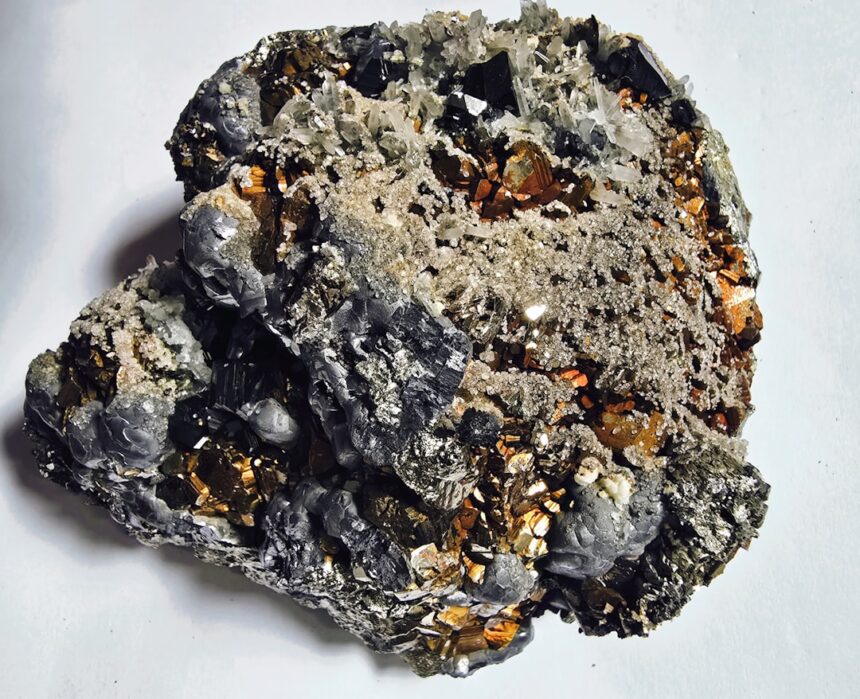
Manganese nodules, also referred to as polymetallic nodules or, more scientifically, as ferromanganese nodules, are curious geological formations found primarily on the seafloor at depths typically ranging from 4,000 to 6,000 meters. Their formation is a slow, patient process, a testament to the immense timescale of geological events.
The Slow Alchemy of the Deep
The creation of a manganese nodule is akin to a geological sculpture crafted by the ocean itself over millennia. It begins with a tiny nucleus – a shark’s tooth, a shell fragment, or volcanic ash. Around this seed, dissolved metals in seawater slowly precipitate as metal oxides and hydroxides.
Precipitation and Accretion Process
The primary components of these nodules are manganese and iron oxides. However, they also contain significant concentrations of other valuable metals, including nickel, copper, and cobalt, as well as trace amounts of rare earth elements and platinum group metals. The precise composition of nodules can vary considerably depending on their location, the local ocean chemistry, and the specific geological conditions.
Factors Influencing Nodules’ Composition
Several factors influence the chemical makeup of the nodules. The rate of sedimentation on the seafloor plays a crucial role. Areas with very low sedimentation rates, such as the abyssal plains of the Pacific Ocean, tend to accumulate the highest concentrations of nodules because slow deposition allows for longer periods of metal accretion. Dissolved oxygen levels and the presence of specific microbial communities also contribute to the chemical reactions that drive nodule formation. The pH and redox potential of the surrounding seawater are critical parameters that dictate which metal ions are most likely to precipitate out of solution.
Geographic Distribution and Abundance
Vast deposits of manganese nodules have been identified in several key regions of the world’s oceans. The Clarion-Clipperton Zone (CCZ) in the eastern Pacific Ocean is perhaps the most studied and commercially promising area, containing an estimated billions of tonnes of nodules. Other significant deposits are found in the Peru Basin, the central Pacific, and the Indian Ocean.
The Pacific’s Bounty: The Clarion-Clipperton Zone
The CCZ, stretching across approximately 4.5 million square kilometers, is a prime example of a nodule-rich environment. Its vastness and the high density of nodules make it a focal point for exploration and potential future mining operations. The relatively flat topography of this region also presents fewer geological challenges for potential extraction machinery.
Other Significant Deposits
Beyond the CCZ, the Samoan Passage and the equatorial Pacific also host substantial nodule fields. In the Indian Ocean, the Wharton Basin, located in the southeastern part of the ocean, has revealed significant nodule occurrences. These varied locations suggest that while the Pacific holds the most economically attractive deposits identified to date, the global distribution is broader than initially assumed.
Manganese nodules mining has garnered significant attention due to its potential impact on deep-sea ecosystems and global resource management. For a deeper understanding of the implications and challenges associated with this emerging industry, you can read a related article that explores the environmental concerns and regulatory frameworks surrounding seabed mining. To learn more, visit this insightful article.
The Technological Frontier: Extracting Treasures from the Abyss
Extracting manganese nodules from depths of several kilometers presents a formidable engineering challenge. The extreme pressures, low temperatures, and vast distances involved necessitate the development of specialized equipment and sophisticated operating procedures. This is not a simple matter of scooping; it is a meticulously designed process.
Collection Systems: Reaching for the Deep
Various methods are being explored and developed for collecting nodules from the seafloor. These approaches aim to efficiently gather the nodules while minimizing disturbance to the seabed.
Hydraulic vs. Mechanical Collection
Two primary approaches dominate the conceptualization of collection systems. Hydraulic systems utilize powerful water pumps to create a suction effect, drawing nodules and surrounding sediment up through a riser pipe to a surface vessel. Mechanical systems, on the other hand, employ devices like continuous line bucket systems or wheeled collectors to scrape or scoop nodules directly from the seafloor. Each has its own set of advantages and disadvantages in terms of energy consumption, sediment resuspension, and operational feasibility.
Autonomous Underwater Vehicles (AUVs) and Remotely Operated Vehicles (ROVs)
The development of highly autonomous and remotely operated vehicles is central to the success of nodule mining. AUVs can be programmed to navigate the seafloor, identify nodule patches, and even perform preliminary sampling, while ROVs, tethered to a surface vessel, offer greater control and manipulation capabilities for tasks such as maintenance and repair of collection equipment. These robotic agents are the eyes and hands of humanity in this alien environment.
Riser Systems: The Ascending Highway
Once collected, the nodules must be transported from the seafloor to the surface. This is achieved through riser systems, tall pipelines that extend from the seabed to a processing vessel.
Vertical Transport and Energy Requirements
The immense vertical distance involved in transporting nodules from depths of thousands of meters requires significant energy. The design of efficient and robust riser systems that can withstand the hydrostatic pressure and the abrasive nature of the nodules is critical. Innovative solutions involving variable buoyancy systems and optimized pump designs are under investigation.
Sediment Management
A significant challenge with riser systems is the management of the sediment that is inevitably collected along with the nodules. The return of this sediment to the water column needs to be carefully controlled to minimize environmental impact.
Surface Processing and Logistics
Upon reaching the surface, the collected nodules will undergo initial processing before being transported to land-based sites for full refinement.
Onboard Processing Capabilities
Surface vessels will likely be equipped with facilities for dewatering the nodules, potentially separating the valuable metals from the bulk material, and even de-mucking the returned sediment. This onboard processing aims to reduce the volume and mass of material that needs to be transported, thereby improving logistical efficiency.
Transportation and Storage
The refined minerals will then be transported to land for further processing. The logistics of this intercontinental transport, including securing suitable port facilities and efficient shipping routes, are integral to the economic viability of nodule mining.
The Economic Lode: Unearthing Strategic Metals

The allure of deep-sea manganese nodules lies primarily in their high concentrations of critical metals like nickel, cobalt, copper, and manganese. These elements are indispensable for a wide range of modern industries, from renewable energy technologies to advanced electronics.
The Demand for Critical Minerals
The global demand for these metals is projected to increase significantly in the coming decades, driven by the transition to a low-carbon economy and the proliferation of electric vehicles and renewable energy infrastructure. Nickel is crucial for battery cathodes, cobalt is a key component in high-performance batteries, and copper is vital for electrical wiring and infrastructure. Manganese, in addition to its presence in nodules, is also used in steel production and batteries.
The Electric Vehicle Revolution
The rapid growth of the electric vehicle market is a major catalyst for the escalating demand for battery metals. Manganese nodules offer a potential new source to meet this burgeoning need, which could otherwise be constrained by land-based supply limitations and geopolitical factors.
Renewable Energy Infrastructure
The expansion of solar, wind, and other renewable energy sources also requires substantial quantities of copper and other metals for their construction and operation. Deep-sea nodules could contribute to securing the supply chain for these critical industries.
Potential to Diversify Supply Chains
Reliance on a limited number of countries for the supply of certain critical minerals can create geopolitical vulnerabilities. Deep-sea mining, proponents argue, could offer a new, geographically diverse source of these essential resources, enhancing global supply chain security.
Geopolitical Implications of Resource Access
The control and access to these deep-sea resources could have significant geopolitical ramifications. Nations and consortia that successfully develop and exploit these mineral deposits may gain considerable economic and strategic advantages.
Economic Viability and Profitability
The economic feasibility of deep-sea nodule mining is a subject of ongoing debate and depends on numerous factors, including the efficiency of extraction technologies, prevailing metal prices, and the costs associated with environmental mitigation and regulatory compliance.
Cost Considerations
The substantial upfront investment required for research, development, and infrastructure, coupled with the high operational costs in the deep sea, makes economic profitability a significant hurdle. The price of nickel, copper, and cobalt on the global market will play a crucial role in determining whether these ventures can break even, let alone generate profit.
Market Fluctuations
The volatile nature of commodity markets adds another layer of uncertainty. A significant downturn in the prices of the target metals could render even the most technologically advanced mining operations economically unviable.
The Environmental Tightrope: Balancing Exploitation and Preservation

The prospect of deep-sea mining elicits significant environmental concerns. The unique and often fragile ecosystems of the deep ocean floor could be irrevocably altered by mining activities. Navigating this environmental tightrope requires careful consideration and robust mitigation strategies.
Ecosystem Impacts: A Fragile Frontier
The deep-sea environment is characterized by slow-growing organisms, low biodiversity in some areas, and highly specialized life forms adapted to extreme conditions. Activities such as sediment disturbance and habitat alteration could have profound and long-lasting effects.
Sediment Plumes and Resuspension
The extraction process inevitably generates sediment plumes, which can travel considerable distances and smother benthic organisms, reducing light penetration and altering the chemical environment. The resuspension of fine sediments can also impact filter-feeding organisms and affect water clarity for hundreds of kilometers.
Habitat Destruction and Biodiversity Loss
The physical disturbance of the seabed by collection vehicles can directly destroy habitats and displace or kill benthic organisms. Given the slow recovery rates of deep-sea ecosystems, this habitat destruction could lead to significant biodiversity loss.
Potential for Unforeseen Consequences
The deep ocean is, to a large extent, an unknown frontier. Our understanding of these ecosystems, their intricate food webs, and their resilience to disturbance is still limited. This knowledge gap means that there is a significant risk of unforeseen and potentially irreversible ecological consequences.
Slow Recovery Rates of Deep-Sea Ecosystems
Many deep-sea organisms have extremely slow growth and reproduction rates. This means that once an ecosystem is disturbed, it could take centuries, or even millennia, to recover, if it recovers at all. This is a stark contrast to shallower marine environments that can demonstrate more rapid regeneration.
Impact on Marine Life
Beyond the direct impact on benthic organisms living on the seafloor, the mining operations could also affect mid-water species. Changes in water chemistry, the presence of noise pollution from machinery, and altered nutrient cycling could have cascading effects throughout the marine food web.
Regulatory Frameworks and Environmental Monitoring
The development of strong international regulatory frameworks and comprehensive environmental monitoring programs is crucial to ensure that any deep-sea mining activities are conducted responsibly and sustainably.
The Role of the International Seabed Authority (ISA)
The ISA, established under the United Nations Convention on the Law of the Sea (UNCLOS), is responsible for regulating mineral resource exploration and exploitation in the international seabed area, known as the “Area.” The ISA is tasked with developing the rules, regulations, and procedures for deep-sea mining, including environmental protection standards.
Environmental Impact Assessments (EIAs)
Thorough and independent Environmental Impact Assessments will be a cornerstone of any proposed mining operation. These assessments must identify potential risks, propose mitigation measures, and establish baseline data for monitoring the actual impacts of mining over time.
Precautionary Principle Application
The application of the precautionary principle is paramount in deep-sea mining. This principle dictates that if there is a risk of serious or irreversible harm, lack of full scientific certainty should not be used as a reason for postponing cost-effective measures to prevent environmental degradation.
Manganese nodules mining has become a topic of significant interest due to its potential impact on the ocean ecosystem and global resource management. For those looking to explore this subject further, a related article discusses the environmental implications and regulatory challenges associated with deep-sea mining. You can read more about these critical issues in the article found here. Understanding the balance between resource extraction and environmental preservation is essential as we navigate the future of oceanic resources.
The Geopolitical Landscape: A New Frontier for Power and Conflict?
| Metric | Value | Unit | Notes |
|---|---|---|---|
| Average Nodule Coverage | 15-20 | % | Percentage of seafloor covered by manganese nodules |
| Nodule Density | 10-15 | kg/m² | Weight of nodules per square meter of seabed |
| Metal Content – Manganese | 28-30 | % by weight | Average manganese content in nodules |
| Metal Content – Nickel | 1.2-1.5 | % by weight | Average nickel content in nodules |
| Metal Content – Copper | 1.0-1.3 | % by weight | Average copper content in nodules |
| Metal Content – Cobalt | 0.2-0.3 | % by weight | Average cobalt content in nodules |
| Mining Depth | 4000-6000 | meters | Typical depth of manganese nodule fields |
| Estimated Resource Size | 500-700 | million metric tons | Estimated total manganese nodules in some major fields |
| Environmental Impact Area | 100-200 | km² per mining operation | Estimated seabed area affected by mining |
| Recovery Rate | 70-85 | % | Percentage of nodules recovered during mining |
The potential wealth contained within deep-sea manganese nodules places them squarely within the realm of international geopolitics. The race to explore and potentially exploit these resources could shape future international relations and resource allocation.
Competing Interests and Claims
Several nations and international consortia have expressed interest in exploring and developing deep-sea mineral resources. This can lead to overlapping claims and competing interests, particularly in areas like the Clarion-Clipperton Zone.
National Exploration Licenses
Many countries have sponsored exploration licenses for their national entities or for companies registered within their jurisdiction, granting them exclusive rights to explore specific areas of the seabed. This can create a patchwork of claims that need to be carefully managed to avoid conflict.
The Role of Transnational Corporations
Large multinational corporations, often backed by national governments, are at the forefront of technological development and investment in deep-sea mining. Their activities are a significant factor in the global geopolitical calculus.
Resource Nationalism and Strategic Dependencies
As the demand for critical minerals intensifies, resource nationalism – the tendency for states to assert greater control over their natural resources – is likely to become a more prominent feature of international relations. Deep-sea mining could become another arena for these dynamics.
Securing Strategic Raw Materials
Nations may see deep-sea mining as a way to reduce their reliance on potentially unstable foreign suppliers for critical raw materials, thereby enhancing their national security and economic resilience.
The Potential for Conflict Over Seabed Resources
While the ISA framework aims for the common heritage of mankind, the immense economic potential of these resources could, in the absence of robust international cooperation and equitable benefit-sharing mechanisms, lead to tensions and disputes between nations.
International Cooperation vs. Competition
The future of deep-sea nodule mining will likely hinge on the balance between international cooperation and unfettered competition. A collaborative approach, guided by scientific understanding and environmental stewardship, could lead to a more equitable and sustainable outcome.
The “Common Heritage of Mankind” Principle
The UNCLOS designates the seabed beyond national jurisdiction as the “common heritage of mankind,” implying that its resources should be managed for the benefit of all states, both developed and developing. This principle serves as a crucial ethical and legal foundation for deep-sea mining governance.
Benefit Sharing and Technology Transfer
Ensuring equitable benefit sharing from deep-sea mining and facilitating technology transfer to developing nations are crucial components of a globally acceptable framework. This can help to prevent the creation of a new form of resource inequality.
In conclusion, deep-sea manganese nodule mining represents a paradigm shift in resource acquisition. It offers the tantalizing prospect of unlocking vast quantities of critical metals, vital for our technological future and the transition to a sustainable society. However, this endeavor is not without its profound challenges. The technological hurdles are immense, demanding groundbreaking engineering solutions. The economic viability remains a subject of intense scrutiny, hinging on fluctuating metal prices and substantial investment. Most critically, the environmental implications necessitate a cautious, science-driven approach, prioritizing the preservation of unique and fragile deep-ocean ecosystems. As humanity stands on the precipice of this new frontier, the decisions made today regarding exploration, regulation, and environmental stewardship will determine whether we can truly uncover these oceanic treasures in a manner that benefits all of humankind without jeopardizing the health of our planet. The deep sea, in its silent immensity, holds both solutions and warnings; heeding both will be the true measure of our wisdom.
WATCH NOW ▶️ SHOCKING: How The CIA Stole A Nuclear Submarine
FAQs
What are manganese nodules?
Manganese nodules are rock concretions found on the ocean floor, primarily composed of manganese and iron oxides. They often contain valuable metals such as nickel, copper, and cobalt.
Where are manganese nodules typically found?
Manganese nodules are commonly found in deep-sea environments, particularly in the Clarion-Clipperton Zone of the Pacific Ocean, as well as in other abyssal plains around the world.
What is manganese nodule mining?
Manganese nodule mining involves the extraction of these nodules from the seabed for their metal content. This process typically uses specialized equipment to collect nodules from the ocean floor.
What are the potential environmental impacts of manganese nodule mining?
Mining manganese nodules can disturb deep-sea ecosystems, potentially harming marine life and altering habitats. Sediment plumes and noise pollution are also concerns associated with the mining process.
Is manganese nodule mining currently regulated?
Yes, manganese nodule mining is regulated by international bodies such as the International Seabed Authority (ISA), which oversees exploration and mining activities in international waters to ensure environmental protection and sustainable resource use.