The connection between intelligence agencies and the entertainment industry is a phenomenon that has long captured public imagination. While often relegated to the realm of speculative fiction, evidence suggests a more tangible, albeit nuanced, relationship exists between the Central Intelligence Agency (CIA) and Hollywood. This article aims to peel back the curtain, examining the nature of this involvement, its historical evolution, and the potential implications for both filmmakers and the public who consume their narratives. It is important to approach this topic with a discerning eye, separating verifiable accounts from the whispers of conspiracy.
The genesis of the CIA’s interest in Hollywood can be traced back to the nascent days of the agency and the burgeoning power of cinema as a mass-communication tool. The Cold War, a period defined by ideological struggle and a global competition for hearts and minds, provided a fertile ground for such collaborations.
Propaganda and Perception Management
The Power of the Moving Image
The medium of film possessed an unparalleled ability to shape public opinion, to inspire, and to instill a particular worldview. Recognizing this, intelligence agencies saw Hollywood as a potent vehicle for conveying messages to both domestic and international audiences. The flickering images on screen could, in essence, become clandestine diplomats, carrying subtle or overt messages of American strength, democratic ideals, or anti-communist sentiment.
Early Encounters and Informal Channels
While official, documented collaborations were less common in the initial decades, informal channels of communication likely existed. Individuals within the intelligence community, and later within the burgeoning CIA, would have been aware of Hollywood’s influence. These early interactions might have involved sharing general concerns about national security narratives or providing background information to filmmakers interested in geopolitical themes.
Shifting Landscapes: The Rise of Sophisticated Operations
As the CIA matured and its operational capabilities expanded, so too did its sophistication in engaging with external entities, including the entertainment industry. The latter half of the 20th century witnessed a more deliberate and organized approach to leveraging Hollywood’s reach.
The “Cultural Diplomacy” Nexus
Beyond Overt Propaganda
The understanding evolved beyond mere propaganda. The CIA began to explore “cultural diplomacy,” a subtler form of influence that aimed to shape perceptions through authentic-seeming cultural products. Hollywood, with its global reach and reputation for storytelling, was a prime target for such endeavors.
Promoting a “Positive Image”
The agency’s interests often revolved around promoting a positive image of the United States and its foreign policy objectives. This could involve subtly downplaying negative aspects of American interventionism or highlighting stories that championed American values and heroism.
Information Operations and Narrative Control
The Art of the Story
Intelligence agencies are, at their core, concerned with information. Hollywood is the business of crafting narratives. The overlap is a natural, if sometimes disquieting, one. The CIA, through various means, has sought to influence the stories being told on screen.
Vetting and Guidance
This influence could manifest in various ways, from providing background information and access to operatives for filmmakers working on films with intelligence-related themes, to more direct forms of guidance or even approval of certain plotlines or character portrayals. This was akin to a sculptor carefully shaping clay, with the CIA acting as a master hand guiding the artistic process.
The intricate relationship between the CIA and Hollywood has long been a topic of fascination, revealing how the agency has influenced popular culture and public perception through film and television. For a deeper dive into this compelling subject, you can explore the article titled “The CIA’s Hollywood Connection” on In the War Room, which examines specific instances of collaboration between the agency and filmmakers. To read more about this intriguing connection, visit In the War Room.
Documented Engagements: Unveiling the Evidence
While the secretive nature of intelligence work makes definitive proof elusive, several declassified documents and investigative reports have shed light on the CIA’s multifaceted involvement with Hollywood. These instances serve as crucial stepping stones in understanding the extent of the relationship.
Project MOCKINGBIRD and its Legacy
The Birth of a Myth?
Project MOCKINGBIRD is perhaps the most infamous, and often misunderstood, element of this discussion. While the term itself has been co-opted by conspiracy theories, declassified documents and investigative journalism have confirmed instances of the CIA maintaining relationships with journalists and media figures.
Influence on News and Entertainment
The extent to which this project directly influenced Hollywood productions is debated, but it undeniably points to a period where the agency was actively seeking to shape public discourse through media channels, including those that could cross over into entertainment.
Operation CHAOS and its Ripple Effects
Domestic Surveillance and its Hollywood Connections
Operation CHAOS, a domestic surveillance program, also intersected with the entertainment world. While primarily focused on tracking radical groups, the investigation involved monitoring communications and activities that could include individuals within or connected to Hollywood.
Unintended Audiences
The information gathered, and the agency’s broader understanding of public sentiment and influential figures, could have inadvertently or intentionally informed their later engagement strategies with the film industry.
Declassified Files and Whistleblower Accounts
A Glimpse Behind the Curtain
The release of declassified documents, often through Freedom of Information Act (FOIA) requests, has been instrumental in piecing together the puzzle. These documents, though often heavily redacted, reveal the existence of liaisons, funding arrangements, and instances of direct collaboration.
The Human Element
Whistleblower accounts from former intelligence operatives or individuals within Hollywood have also provided anecdotal evidence, painting a picture of extensive behind-the-scenes interactions, often characterized by a shared interest in promoting certain narratives or suppressing others.
The “Cooperative Intelligence” Model: A Permeable Border
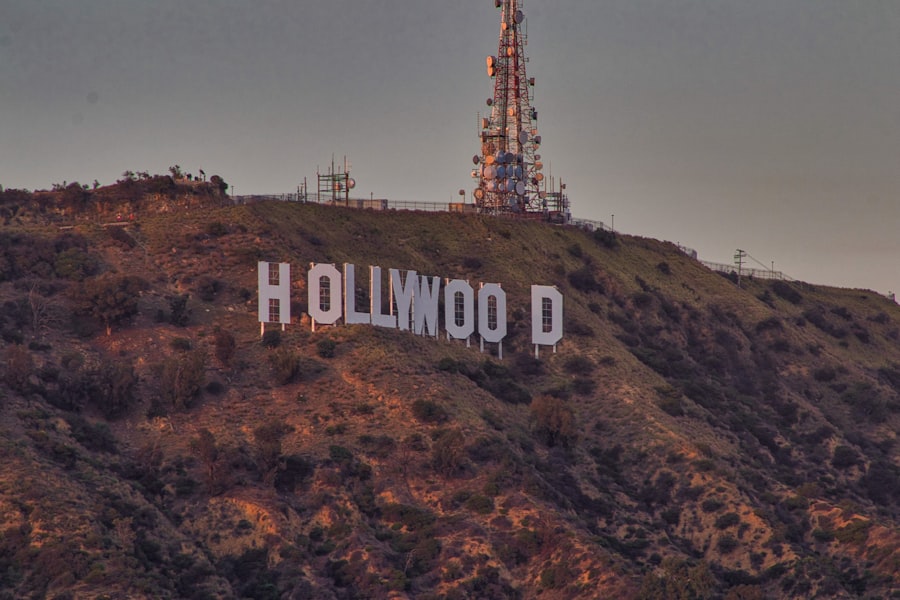
The CIA’s engagement with Hollywood can often be described as a “cooperative intelligence” model, where the lines between legitimate information sharing and covert influence become blurred. This model encompasses various forms of interaction, from the overt to the deeply clandestine.
Providing Access and Expertise
The “Authenticity” Factor
Filmmakers, especially those working on projects with themes of espionage, military operations, or foreign policy, often seek authenticity. The CIA, with its unparalleled access to information, personnel, and operational details, could offer this authenticity.
Behind-the-Scenes Guidance
This access might involve providing technical advice, character insights, or even allowing filmmakers to observe training exercises or visit secure facilities. Essentially, the CIA could act as an ultimate consultant, ensuring that the on-screen portrayal, even if fictionalized, possessed a degree of believable grounding.
Funding and “Influencing” Productions
Subsidizing Narratives
While direct financial sponsorship of films is a bold accusation, evidence suggests the CIA has, at times, provided funding or indirect support to productions that aligned with its strategic objectives. This could have been through various intermediaries or shell organizations.
The “Soft Power” Investment
This funding can be seen as an investment in “soft power,” using cultural products to advance national interests. A blockbuster film, seen by millions globally, could shape perceptions far more effectively than a traditional diplomatic démarche.
“Planting” Ideas and Information
Shaping the Narrative Landscape
Beyond providing information, there are indications that the CIA has actively sought to “plant” ideas or subtly steer the narrative direction of certain productions. This could involve suggesting plot points, character archetypes, or even specific themes that would resonate with the desired messaging.
The Unseen Hand
This is where the concept of “covert influence” truly takes hold. The audience, engrossed in the drama unfolding on screen, would be unaware of the unseen hand guiding the narrative, subtly shaping their understanding of complex geopolitical issues.
Motives and Objectives: Why Hollywood?

The CIA’s interest in Hollywood stems from a clear understanding of the medium’s power and its ability to achieve specific strategic objectives. The motivations are multifaceted and often intertwined.
Promoting National Interests Abroad
Global Perception Management
In an interconnected world, national image is paramount. The CIA has utilized Hollywood to project a favorable image of the United States to international audiences, aiming to foster goodwill, counter negative propaganda, and support American foreign policy initiatives.
Countering Adversarial Narratives
During the Cold War and beyond, the agency sought to counter narratives promoted by adversaries that sought to undermine American influence. Hollywood films could serve as a counter-weapon, presenting competing ideologies and national narratives.
Shaping Domestic Opinion and Support
Public Understanding of Intelligence
For the CIA to operate effectively, it often requires a degree of public understanding and support, or at least a lack of widespread opposition. Hollywood films can play a role in demystifying intelligence work, portraying agents as heroic figures, or garnering sympathy for the agency’s often difficult and morally ambiguous tasks.
Bolstering National Morale
During times of conflict or perceived threat, Hollywood films can be instrumental in bolstering national morale, fostering a sense of unity, and reinforcing patriotic sentiments. The CIA may have seen value in supporting productions that contributed to this.
Intelligence Gathering and Analysis
Insights into Public Sentiment
The entertainment industry, through its themes, characters, and the reception of its products, offers a unique window into public sentiment, cultural trends, and societal anxieties. The CIA could have used its engagement with Hollywood as a means of gathering this valuable socio-cultural intelligence.
Identifying Talent and Connections
Furthermore, engagement with Hollywood could have provided opportunities to identify individuals with potential intelligence value or to establish connections within influential circles, which could then be leveraged for other intelligence purposes.
The intricate relationship between the CIA and Hollywood has long been a topic of fascination, revealing how intelligence agencies have influenced popular culture and media narratives. A compelling article that delves into this connection can be found here, where it explores various instances of CIA involvement in shaping film and television projects to align with national interests. This intersection of espionage and entertainment highlights the ways in which storytelling can serve broader agendas, making it a captivating subject for those interested in both cinema and history. For more insights, you can read the article at this link.
Ethical Dilemmas and the Specter of Manipulation
| Year | Project/Film | Type of Involvement | Details | Impact on Hollywood |
|---|---|---|---|---|
| 1950s-1970s | Various Films | Script Review and Influence | The CIA reviewed and sometimes influenced scripts to ensure positive portrayal of the agency and U.S. intelligence efforts. | Shaped public perception of intelligence work, promoting pro-CIA narratives. |
| 1977 | “The Spy Who Loved Me” | Consultation | The CIA provided technical advice to enhance realism in the depiction of espionage activities. | Increased authenticity in spy genre films. |
| 1980s | “Rambo: First Blood Part II” | Collaboration | The CIA cooperated with filmmakers to portray covert operations against communism positively. | Reinforced Cold War narratives and CIA’s heroic image. |
| 1997 | “The Recruit” | Technical Support | The CIA provided access to training facilities and advisors to ensure realistic depiction of CIA training. | Enhanced credibility of CIA portrayal in modern films. |
| 2010s | “Homeland” (TV Series) | Consultation and Advising | The CIA offered guidance to writers and producers to maintain accuracy in intelligence operations. | Improved realism and complexity in intelligence-themed entertainment. |
The CIA’s involvement with Hollywood raises profound ethical questions about the nature of truth, the role of art, and the potential for manipulation of public perception. The very foundation of storytelling, which often aims for honesty and emotional resonance, can be compromised when intertwined with covert agendas.
The Blurring of Fact and Fiction
When Story Becomes Propaganda
When entertainment is subtly or overtly steered by an intelligence agency, the line between authentic artistic expression and propaganda becomes dangerously blurred. Audiences may be consuming narratives that are not a reflection of reality, but rather a carefully constructed message designed to influence their thinking.
The Unwitting Audience
The public, often seeking entertainment and escapism, is largely unaware of these underlying influences. They become unwitting recipients of messages that can shape their understanding of complex geopolitical issues, historical events, or the very nature of intelligence work itself.
The Impact on Artistic Integrity
Compromised Creative Freedom
The potential for CIA involvement can undermine the artistic integrity of filmmaking. The creative freedom of directors, writers, and actors might be subtly or overtly curtailed to ensure that the final product aligns with agency objectives, leading to a less authentic and more sanitized storytelling experience.
The “Manufactured Hero”
This can result in the creation of “manufactured heroes” or the distortion of complex realities to fit a preconceived narrative, ultimately diluting the power and purpose of art as a tool for critical reflection and social commentary.
Transparency and Public Trust
The Need for Disclosure
The lack of transparency surrounding these collaborations erodes public trust. When the public discovers that the stories they have consumed were influenced by covert agencies, it can lead to cynicism and a distrust of both Hollywood and the intelligence community.
The Responsibility of the Storyteller
This raises questions about the responsibility of storytellers and the ethical obligations of intelligence agencies. The pursuit of national interest, while understandable, must be balanced against the right of the public to receive unvarnished narratives and to engage with art that is free from undue external influence. The ultimate question remains: can stories truly be art when they are crafted with a hidden hand guiding their very essence? The answer, like many truths within the realm of intelligence, remains complex and often elusive.
FAQs
What is the CIA’s historical involvement in Hollywood?
The CIA has a history of collaborating with Hollywood filmmakers to influence the portrayal of intelligence agencies in movies and television. This involvement dates back to the Cold War era, where the agency provided technical advice, script reviews, and sometimes funding to ensure a favorable depiction of the CIA.
How does the CIA collaborate with filmmakers?
The CIA often works with filmmakers by offering access to agency experts, reviewing scripts for accuracy and security concerns, and providing technical guidance on espionage techniques and equipment. In some cases, the agency may also facilitate filming at certain locations or provide declassified information to enhance authenticity.
Are there any notable films influenced by the CIA?
Yes, several well-known films have had CIA involvement or consultation, including “Argo,” “Zero Dark Thirty,” and the James Bond series. These collaborations aim to present a realistic portrayal of intelligence operations while sometimes shaping public perception of the agency.
Does the CIA’s involvement affect the creative freedom of filmmakers?
While the CIA provides input and guidance, filmmakers generally retain creative control over their projects. However, the agency may request changes to scripts or scenes that could compromise classified information or portray the agency in a negative light, which can influence the final product.
Is the CIA’s involvement in Hollywood publicly acknowledged?
The CIA’s collaboration with Hollywood is sometimes publicly acknowledged, especially in recent years, as part of transparency efforts. However, many details of these partnerships remain confidential due to national security concerns and the sensitive nature of intelligence work.