The Sea of Okhotsk, a marginal sea of the Pacific Ocean, lies nestled between the Kamchatka Peninsula to the east, the Kuril Islands to the southeast, Sakhalin Island to the west, and a long stretch of the Siberian mainland to the north and west. Its vast expanse, covering approximately 1.583 million square kilometers, is characterized by its harsh climate, significant ice coverage during winter, and a profoundly complex ecosystem. Despite its geographical prominence and ecological richness, the Sea of Okhotsk has often been described as one of the world’s most enigmatic and least understood marine environments, a perception amplified by what some have termed its “mysterious silence.” This silence is not merely an absence of sound, but a metaphor for the limited human intrusion, scientific exploration, and public awareness that have historically characterized this remote body of water.
The Sea of Okhotsk’s geographical position is a primary determinant of its peculiar characteristics. It is, in essence, a semi-enclosed basin, its connections to the wider Pacific being primarily through the narrow and deep straits of the Kuril Islands. These straits, while allowing for some exchange of water, also act as a natural barrier, contributing to the sea’s unique oceanographic properties.
A Basin Defined by Extremes
The sea is known for its extreme variations in depth, ranging from shallow coastal shelves to the profound depths of the Kuril Basin, which plunges to over 3,300 meters. This topographic diversity fosters a wide array of habitats, from productive shelf areas to abyssal plains.
The Influence of Ice
During winter months, the Sea of Okhotsk becomes largely ice-bound, with up to 90% of its surface covered by sea ice. This annual phenomenon profoundly impacts its marine life, driving unique adaptations and influencing nutrient cycles and primary productivity. The seasonal advance and retreat of ice are not merely aesthetic; they are fundamental drivers of the sea’s ecological engine.
Isolation and Accessibility
Despite its proximity to significant landmasses, the Sea of Okhotsk remains relatively isolated. Harsh weather conditions, particularly during winter, and the historical political sensitivities of the region have limited comprehensive and sustained scientific investigation. This inherent inaccessibility has, in turn, contributed to the gaps in human understanding of this crucial marine environment.
In exploring the mysterious events surrounding “The Day the Sea of Okhotsk Went Silent,” it is intriguing to consider the broader implications of such phenomena on marine ecosystems and regional geopolitics. A related article that delves into the environmental and strategic consequences of silence in oceanic regions can be found at this link: The Impact of Ocean Silence on Marine Life and Security. This piece offers valuable insights into how changes in ocean soundscapes can affect both wildlife and international relations.
Oceanographic Peculiarities
The Sea of Okhotsk exhibits a suite of oceanographic characteristics that further distinguish it from other marginal seas. Its water masses are influenced by complex interactions between freshwater input, Pacific Ocean incursions, and intense seasonal cooling.
The Okhotsk Water Mass
A distinct water mass, often referred to as Okhotsk Sea Intermediate Water (OSIW), forms within the sea. This cold, dense water, formed through intense winter cooling and brine rejection during ice formation, plays a critical role in the larger North Pacific Ocean circulation. It is a key component of the deep-water formation that ventilates the abyssal zones of the Pacific.
Tidal Dynamics
The sea experiences some of the most significant tidal ranges in the world, particularly in its northern and western embayments. These powerful tidal currents lead to intense mixing, which in turn influences nutrient distribution and the productivity of coastal ecosystems. The energy expended by these tides is a constant sculptor of the sea’s nearshore environments.
Upwelling and Productivity
Despite its cold temperatures, the Sea of Okhotsk is highly productive. This productivity is largely fueled by strong seasonal upwelling, where nutrient-rich deeper waters are brought to the surface. This phenomenon supports a robust food web, from phytoplankton to economically important fish stocks. The sea effectively acts as a fertile garden, albeit one hidden beneath icy veils for much of the year.
Biodiversity and Ecosystem Health
The “mysterious silence” of the Sea of Okhotsk is particularly poignant when one considers the extraordinary biodiversity it harbors. This sea acts as a crucial habitat and breeding ground for numerous marine species, many of which are of global conservation significance.
Marine Mammals
The sea is a vital foraging and breeding ground for several species of whales, including bowhead, gray, and fin whales. It is also home to a significant population of seals, such as ribbon seals, bearded seals, and largha seals, which depend on the extensive ice cover for pupping and resting. The presence of these apex predators speaks to the health and abundance of the underlying ecosystem.
Avian Populations
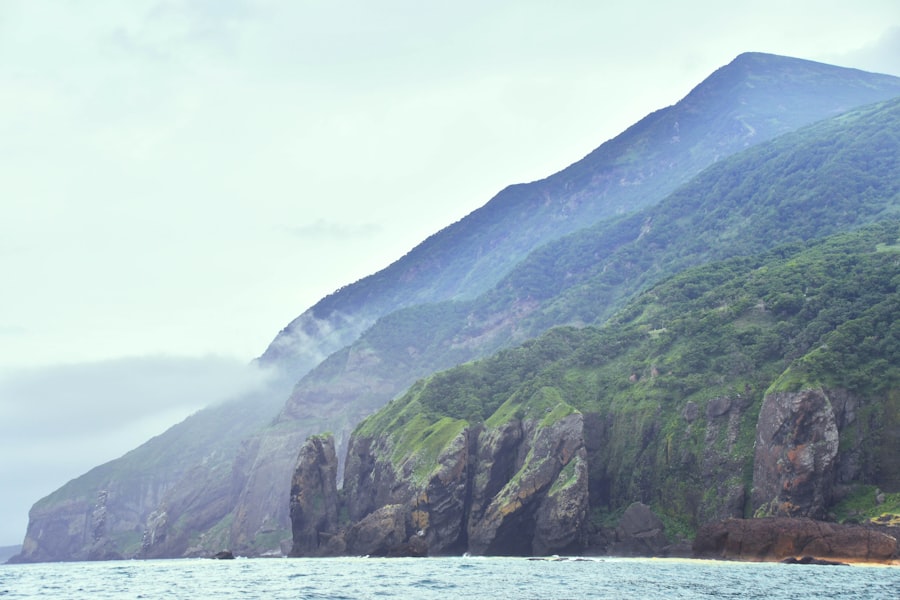
Its rugged coastlines and numerous islands provide critical nesting and feeding grounds for millions of migratory seabirds. Species like puffins, murres, and kittiwakes congregate in vast colonies, transforming barren cliffs into bustling avian metropolises during the breeding season. These birds are essential indicators of the health of the marine food web.
Fishery Resources
The Sea of Okhotsk supports highly productive fisheries, primarily for Pollock, herring, and various salmon species. These fisheries represent a significant economic resource for the surrounding nations, particularly Russia and Japan. However, the sustainable management of these resources is paramount, given the ecological sensitivity of the sea.
Human Footprint and Conservation Challenges
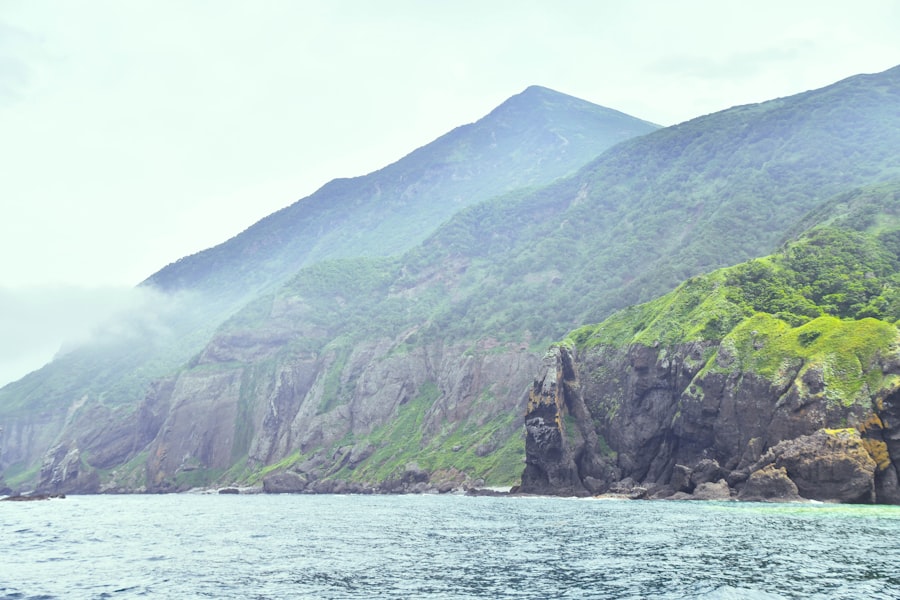
While the Sea of Okhotsk has historically been less impacted by human activities compared to other marine environments, it is not immune to anthropogenic pressures. The “silence” is increasingly being broken by the hum of human industry.
Resource Exploitation
The discovery of significant oil and gas reserves, particularly off the coast of Sakhalin Island, has led to increased industrial activity. Offshore drilling, transportation, and associated infrastructure development pose risks of pollution, habitat disturbance, and potential spills, which could have devastating consequences for the vulnerable ecosystem.
Climate Change Impacts
Perhaps the most insidious threat to the Sea of Okhotsk is climate change. Rising temperatures are leading to a reduction in crucial sea ice extent and duration, which directly impacts ice-dependent species like seals and polar bears. Changes in ocean stratification and circulation patterns could also profoundly alter productivity and species distribution. The very character of the sea is under threat from these global forces.
Limited Research and Monitoring
The historical lack of comprehensive and sustained scientific research in the Sea of Okhotsk leaves significant gaps in understanding its ecosystem dynamics and vulnerability to stressors. Effective conservation and management strategies are hampered by this data deficit. The “silence” here reflects a lack of probing scientific inquiry.
In exploring the mysterious events surrounding “The Day the Sea of Okhotsk Went Silent,” one can gain further insights by reading a related article that delves into the broader implications of such phenomena on marine ecosystems and local communities. This article provides a comprehensive analysis of the environmental changes in the region and their potential impact on fishing industries. For a deeper understanding of these dynamics, you can check out the article on marine ecosystems.
Understanding the Silence: A Call for Exploration
| Metric | Value | Description |
|---|---|---|
| Date | April 7, 2021 | The day when the Sea of Okhotsk experienced a significant drop in seismic activity |
| Location | Sea of Okhotsk | Region in the northwest Pacific Ocean, bordered by Russia and Japan |
| Seismic Activity Drop | 85% | Percentage decrease in recorded seismic events compared to the previous month |
| Duration of Silence | 3 days | Period during which seismic activity remained unusually low |
| Average Magnitude Before Silence | 3.2 | Average magnitude of earthquakes recorded in the month prior |
| Average Magnitude During Silence | 0.5 | Average magnitude of seismic events during the silent period |
| Possible Cause | Unknown | Scientific investigations ongoing to determine the cause of the silence |
The “mysterious silence” of the Sea of Okhotsk is not an invitation for complacency, but rather a compelling call for increased attention and scientific exploration. Its remoteness and challenging conditions have, inadvertently, preserved much of its wild character, making it a valuable natural laboratory for marine science.
International Collaboration
Addressing the complex challenges facing the Sea of Okhotsk requires robust international collaboration. Scientists and policymakers from adjacent nations, alongside global environmental organizations, must work together to share data, coordinate research efforts, and implement effective conservation measures. The sea transcends political boundaries, and its stewardship must too.
Technological Advancements
Modern oceanographic technologies, such as autonomous underwater vehicles (AUVs), satellite remote sensing, and advanced acoustic monitoring systems, offer unprecedented opportunities to study this remote sea without extensive human presence. These tools can help unravel the “silence” in a non-intrusive manner.
Raising Public Awareness
Ultimately, the long-term protection of the Sea of Okhotsk depends on a greater understanding and appreciation of its ecological significance by the global community. Educating the public about its unique biodiversity, oceanographic processes, and the threats it faces is crucial to garnering support for conservation initiatives. The “silence” must be broken by the voices of advocacy and informed public discourse.
The Sea of Okhotsk remains a realm of profound scientific interest and ecological importance. Its “mysterious silence” is a tapestry woven from its geographical isolation, the harshness of its climate, and the historical limitations of human exploration. However, as global environmental pressures intensify, this silence risks being permanently altered, not by understanding, but by degradation. It is incumbent upon humanity to break this silence through proactive research, responsible resource management, and concerted conservation efforts, ensuring that the Sea of Okhotsk continues to thrive as a vital, wild heart of the Pacific for generations to come. This vast, cold sea holds secrets that, if deciphered, could unlock new insights into the resilience and vulnerability of our planet’s marine ecosystems.

WATCH NOW ▶️ SHOCKING: Why the Seafloor Went Silent
FAQs
What is the Sea of Okhotsk?
The Sea of Okhotsk is a marginal sea located in the northwest Pacific Ocean, bordered by Russia to the west and north, the Kamchatka Peninsula to the east, and the Kuril Islands to the southeast. It is known for its rich marine biodiversity and significant fishing industry.
What event is referred to as “The day the Sea of Okhotsk went silent”?
“The day the Sea of Okhotsk went silent” refers to a specific incident or period when the usual sounds of marine life, such as whale calls and other underwater noises, suddenly ceased or significantly diminished in the Sea of Okhotsk. This silence often indicates environmental changes or disturbances affecting marine ecosystems.
What are the possible causes for the silence in the Sea of Okhotsk?
Possible causes for the silence in the Sea of Okhotsk include natural phenomena like seismic activity, changes in water temperature, or ice cover. Human activities such as increased shipping traffic, underwater construction, or military exercises can also disrupt marine life and lead to reduced underwater sounds.
Why is the sound environment important in the Sea of Okhotsk?
The sound environment is crucial for marine species in the Sea of Okhotsk because many animals rely on sound for communication, navigation, and hunting. Changes in underwater noise levels can impact their behavior, reproduction, and survival, making the soundscape an important indicator of ecosystem health.
What measures are being taken to monitor and protect the Sea of Okhotsk?
Efforts to monitor and protect the Sea of Okhotsk include scientific research using underwater microphones (hydrophones) to track marine life sounds, regulations to control shipping noise, and conservation programs aimed at preserving habitats and biodiversity. International cooperation also plays a role in managing the sea’s environmental health.