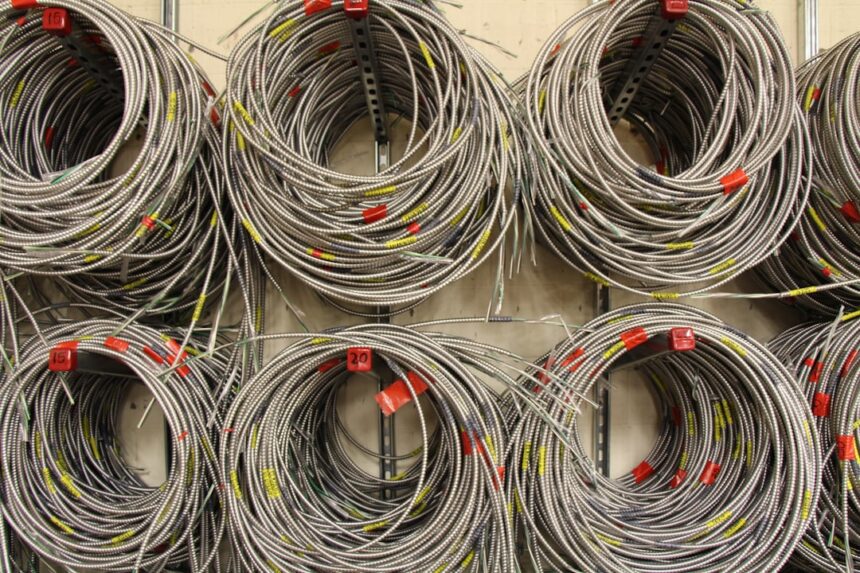
The vast, dark expanses of the ocean floor, once thought to be an impenetrable frontier, lie threaded with a network of delicate yet persistent lifelines. These are the undersea communication cables, the silent conduits that carry the pulsing heart of global information. For decades, they have been the unsung heroes of interconnectedness, facilitating everything from financial transactions to personal calls. However, beneath the surface of this seamless communication lies a more shadowy history, one of covert operations and clandestine eavesdropping: the history of undersea cable tapping.
The late 19th century witnessed a technological revolution that would forever alter human interaction. The invention of the telegraph, and subsequently the laying of transatlantic cables, opened a new era of near-instantaneous communication across vast distances. These early cables, laid with Herculean effort and ingenuity, were the pioneers of what would become a global nervous system.
Early Transatlantic Communication Marvels
- The Magnetic Telegraph: The foundational concept was established with the magnetic telegraph, allowing for coded messages to be transmitted electrically. This paved the way for the ambitious undertaking of laying wires beneath the ocean.
- Brunel’s Vision and the Early Attempts: Visionaries like Isambard Kingdom Brunel, renowned for his engineering prowess, were instrumental in pushing the boundaries of what was deemed possible. Early attempts were fraught with challenges, including cable breaks and signal degradation.
- The Successful Laying of the First Transatlantic Cable (1866): After several failed attempts, the successful laying of the first permanent transatlantic telegraph cable in 1866 by Cyrus West Field was a monumental achievement. This marked a turning point in global connectivity.
The Seeds of Vulnerability Planted
With the advent of these interconnected lines came an inherent vulnerability. The cables, though deep, were not entirely inaccessible. The very nature of their existence, laid across international waters, presented potential opportunities for interception. While the initial focus was on establishing communication, the strategic importance of these lines soon attracted the attention of those seeking to gain an advantage.
The Strategic Value of Information
- Military Intelligence: The ability to intercept enemy communications during times of conflict was a significant incentive. Early military strategists recognized that control of information often meant control of the battlefield.
- Economic Espionage: As global trade and finance grew, so did the potential for economic gain through the acquisition of sensitive commercial data. Stock market fluctuations, trade negotiations, and financial secrets held immense value.
- Geopolitical Leverage: The knowledge of other nations’ diplomatic and political dealings could be used to exert influence and shape international relations.
The history of undersea fiber optic cable tapping reveals a complex interplay between technology and espionage, highlighting how critical communication infrastructure can be vulnerable to surveillance. For a deeper understanding of this topic, you can explore the article that discusses various incidents and the implications of such activities on global communications. To read more, visit this article.
The Shadowy Techniques of Submarine Interception
The methods employed to tap undersea cables have evolved alongside the technology of the cables themselves and the sophistication of intelligence agencies. From crude physical interventions to more advanced digital snooping, the pursuit of eavesdropping has been a persistent undercurrent in the history of global communication.
Early Physical Interception Methods
The early days of cable tapping were often a brute-force endeavor, requiring physical access to the cables themselves. This was a challenging and dangerous undertaking, akin to finding a needle in a haystack in the vastness of the ocean.
Grappling and Anchoring
- Grappling Hooks: Specialized vessels equipped with grappling hooks were used to drag the seabed, attempting to snag the cables. This was a laborious and imprecise method.
- Cable Ships and Their Role: The development of dedicated cable ships, designed to lay and repair cables, also provided the platforms from which these interception attempts could be made.
- The Risk of Discovery and Damage: These operations were inherently risky, with the potential to snag passing ships’ anchors or damage the cables, leading to service disruptions that could draw unwanted attention.
The “Buzzing” and Signal Interception
Once a cable was anchored, operators would attempt to “tap” into its electrical signals. This often involved creating a connection to the cable that allowed the signals to be read or copied.
- Electrical Bridges: Simple electrical circuits were designed to divert a portion of the signal’s energy without disrupting the primary flow.
- The Art of the Silent Tap: The goal was to create an interception that was so subtle it would not be detected by the other end of the cable. This required a delicate touch and a deep understanding of electrical signal transmission.
- Morse Code and Early Decryption: The primary form of communication over early cables was Morse code. Decrypting intercepted messages involved understanding and decoding these patterns.
The Evolution to More Sophisticated Digital Snooping
As communication technology progressed from Morse code to voice and then to the complex digital packets of the modern internet, so too did the methods of interception. The focus shifted from physically accessing the wire to intercepting signals in transit or exploiting vulnerabilities within the network infrastructure.
Electronic Intelligence (ELINT) and Signal Interception
- Directional Antennas and Signal Collection: Advanced listening posts and naval vessels equipped with highly sensitive antennas could “listen” for cable transmissions without direct physical contact.
- Frequency Analysis: Identifying the specific frequencies used by cables allowed for targeted interception.
- Broad Spectrum Surveillance: In some instances, a broad spectrum of electromagnetic activity was monitored, with sophisticated algorithms tasked with identifying and isolating cable traffic.
The Rise of “Tap” Devices and Network Exploitation
During the Cold War, both the United States and the Soviet Union, among other powers, invested heavily in developing more sophisticated methods.
- The Jensen “Tap” (Project Ivy Bells): Perhaps the most famous example is Project Ivy Bells, a joint effort by the CIA and the NSA. This involved constructing a “tap” device that could be attached to Soviet submarine communication cables on the seabed.
- Submersible Placement: Soviet submarine communication cables were targeted as they were crucial for command and control.
- Battery Power and Data Retrieval: The “tap” was powered by nuclear batteries and stored intercepted data, which would then be retrieved periodically by submarines or divers.
- The Challenge of Secrecy: Maintaining the secrecy of such an operation for an extended period was a significant logistical and operational hurdle.
- Exploiting Shore-Based Infrastructure: While direct physical taps on deep-sea cables are complex, tapping into the land-based points where these cables emerge from the ocean (cable landing stations) is a more accessible, albeit still highly secure, target.
- Physical Access to Landing Stations: Gaining physical access to these facilities requires significant planning and often involves clandestine operations.
- Installation of Interception Hardware: Once inside, specialized hardware can be installed to copy or divert data traffic.
The Geopolitical Chessboard: Nations in the Game of Surveillance

The history of undersea cable tapping is intrinsically linked to the geopolitical rivalries and intelligence-gathering ambitions of major global powers. The strategic importance of these communication arteries made them a natural target in the ongoing struggle for information dominance.
The Cold War Era: A Dance of Espionage
The Cold War was a period marked by intense ideological conflict and a relentless pursuit of intelligence advantage. Undersea cables became a critical battleground in this silent war.
Soviet and American Initiatives
- Mutual Suspicion and Counter-Intelligence: Both the US and the USSR harbored significant suspicions about each other’s communication networks. This led to parallel efforts in developing both tapping capabilities and methods for detecting and deterring such intrusions.
- The Arms Race for Information: The development of more sophisticated listening devices and sophisticated techniques for hiding taps can be seen as an extension of the broader arms race.
- Focus on Military Communications: A primary focus was on intercepting military communications, including those used by submarines and other strategic assets.
The British Contribution (Government Communications Headquarters – GCHQ)
- Early Involvement in Signal Intelligence: The UK, through GCHQ, has a long and distinguished history in signals intelligence. They were involved in various operations related to undersea cable intercepts.
- Collaboration with Allies: GCHQ often collaborated with its American counterparts, sharing intelligence and operational capabilities.
Post-Cold War Landscape: New Players and New Tactics
The end of the Cold War did not signal an end to undersea cable tapping. Instead, the landscape of global power shifted, and new players emerged with their own intelligence agendas.
The Rise of China’s Intelligence Capabilities
- Increasing Global Reach: China’s expanding global economic and geopolitical influence has been accompanied by a significant investment in its intelligence-gathering capabilities, including its focus on undersea cables.
- Harnessing Commercial Networks: Concerns have been raised about the potential for China to exploit its significant role in the manufacturing and deployment of undersea cable technology for surveillance purposes.
- “Belt and Road Initiative” and Data Flows: The vast infrastructure projects under the “Belt and Road Initiative” create new global data pathways, some of which are seen as potentially vulnerable.
Accusations and Denials in the Digital Age
- Allegations of State-Sponsored Hacking: In the modern era, accusations of state-sponsored hacking and data theft are commonplace. Undersea cables, as the backbone of the internet, are frequently implicated.
- The Snowden Revelations and Their Impact: The revelations by Edward Snowden in 2013 brought to light the extent of global surveillance programs, including those that targeted undersea cable traffic. This generated significant public outcry and prompted renewed scrutiny of intelligence practices.
The Role of Private Entities and Cyber-Criminal Activity
While state actors have historically been the primary drivers of undersea cable tapping, the possibility of private entities and sophisticated cyber-criminal organizations engaging in such activities cannot be entirely dismissed.
The Value of Data for Corporate Espionage
- Industrial Secrets and Trade Negotiations: The competitive nature of global business means that industrial secrets and sensitive negotiation data hold immense value for rival corporations.
- Financial Market Manipulation: The ability to gain early access to market-moving information through cable intercepts could be used for financial gain.
The Evolving Threat of Cybercrime
- Sophistication of Criminal Networks: Organized criminal networks are increasingly sophisticated, possessing the technical capabilities and resources to mount complex cyberattacks.
- Cryptocurrency and Illicit Transactions: The desire to intercept or track illicit financial transactions, such as those involving cryptocurrencies, could drive such activities.
The Cat and Mouse Game: Detection and Deterrence
The continuous efforts to tap undersea cables necessitate a parallel, equally sophisticated endeavor to detect and deter such intrusions. This has led to a perpetual arms race between those who seek to listen in and those who aim to protect the integrity of global communication.
Technical Safeguards and Network Security
The companies and governments responsible for undersea cables have invested heavily in developing and implementing robust security measures.
Physical Security of Infrastructure
- Cable Landing Station Security: These critical points of entry are heavily guarded, with multiple layers of physical and electronic security.
- Biometric Access Controls: Advanced authentication systems are employed to limit access to authorized personnel.
- Surveillance and Monitoring: Continuous video surveillance and intrusion detection systems are in place.
- Redundancy and Diversification: Multiple landing stations and diverse cable routes are used to prevent a single point of failure.
Signal Monitoring and Anomaly Detection
- Continuous Network Performance Monitoring: Modern cable systems employ sophisticated software to monitor signal integrity and performance in real-time.
- Identifying Signal Degradation: Deviations from expected signal patterns can indicate the presence of a tap or damage to the cable.
- Traffic Flow Analysis: Anomalies in data traffic patterns, such as unexpected rerouting or unusual data volumes, can raise red flags.
Encryption as a Protective Layer
- End-to-End Encryption: While encryption protects data from being understood if intercepted, it does not prevent the interception itself.
- Securing the Payload: Encryption ensures that even if a cable is tapped, the intercepted data remains unintelligible to unauthorized parties.
- The Limitations of Encryption: However, encryption relies on secure key management and can be vulnerable to sophisticated decryption techniques or breaches of the encryption algorithms themselves.
International Cooperation and Legal Frameworks
The transnational nature of undersea cables requires international collaboration to address the challenges of tapping and to establish legal frameworks for accountability.
International Telecommunication Union (ITU)
- Setting Standards and Regulations: The ITU plays a crucial role in setting global technical standards for telecommunications, which indirectly contribute to network security.
- Promoting Interoperability and Security: The ITU facilitates dialogue and cooperation among member states on issues related to telecommunications security.
The Role of International Law and Treaties
- Prohibitions on Sabotage and Interception: International law generally prohibits the deliberate damage or sabotage of undersea cables.
- Challenges in Enforcement: However, enforcing these laws and prosecuting violations, particularly when sophisticated state actors are involved, presents significant challenges. The evidence must be gathered, and jurisdiction established over the perpetrators.
The Dilemma of Transparency and Secrecy
The inherent nature of intelligence gathering creates a tension between the need for transparency and the operational requirements of secrecy.
The Public’s Right to Know vs. National Security Concerns
- The Trade-off: Governments often cite national security imperatives when resisting calls for greater transparency regarding surveillance activities.
- The Impact of Revelations: Events like the Snowden leaks highlight the public’s significant interest in understanding the extent of government surveillance.
The Ethics of Surveillance
- Balancing Security and Privacy: The debate over the ethics of undersea cable tapping centers on the balance between legitimate national security interests and the fundamental right to privacy for individuals and governments.
- The Potential for Abuse: The immense power of unfettered access to global communication raises concerns about the potential for abuse and the erosion of trust.
The history of undersea fiber optic cable tapping reveals a complex interplay between technology and espionage, highlighting how vital these communication lines are to global connectivity. For a deeper understanding of the implications and techniques involved in such operations, you can explore a related article that delves into the intricate world of cyber surveillance and its impact on international relations. This insightful piece can be found at In the War Room, where you will discover more about the strategies employed by various nations to monitor and protect their digital communications.
The Future of Undersea Cables and the Ever-Evolving Threat
| Year | Incident/Operation | Country/Entity Involved | Method of Tapping | Purpose | Outcome/Impact |
|---|---|---|---|---|---|
| 1970s | Operation Ivy Bells | United States (NSA) | Physical tapping of Soviet undersea communication cables | Intelligence gathering during the Cold War | Successful interception of Soviet naval communications |
| 1980s | British GCHQ tapping of undersea cables | United Kingdom (GCHQ) | Covert cable tapping at landing stations | Surveillance and intelligence collection | Enhanced UK intelligence capabilities |
| 2013 | NSA’s Tempora Program (Revealed by Snowden) | United States and United Kingdom (NSA & GCHQ) | Data interception at fiber optic cable landing stations | Mass surveillance and data collection | Global surveillance controversy and policy debates |
| 2017 | China’s alleged tapping of undersea cables | China (alleged) | Covert tapping and monitoring of international cables | Espionage and intelligence gathering | Increased geopolitical tensions and security concerns |
| Ongoing | Modern undersea cable security measures | Multiple countries | Encryption, physical security, and monitoring | Prevent unauthorized tapping and data breaches | Improved protection but persistent vulnerabilities |
As technology continues its relentless march forward, the landscape of undersea communication and the methods of its interception will undoubtedly continue to evolve. The challenges of securing these vital arteries will only become more complex.
Advancements in Cable Technology and Their Implications
The development of new cable materials, faster transmission speeds, and more robust network architectures will shape the future of undersea communication.
Quantum Communication and Its Potential
- Quantum Encryption: The advent of quantum computing and its potential to break current encryption methods necessitates research into quantum-resistant encryption.
- Quantum Communication Networks: While still in its nascent stages, the concept of quantum communication networks could fundamentally alter the way information is transmitted and secured, potentially making current tapping methods obsolete.
The Increasing Density of Cables
- More Opportunities for Interception: As the number of undersea cables increases to meet growing data demands, the “attack surface” for potential tappers also expands.
- Challenges in Monitoring: The sheer volume of cables and data flow makes comprehensive monitoring an increasingly difficult task.
The Rise of Artificial Intelligence in Both Attack and Defense
Artificial intelligence (AI) is poised to play a significant role in both the offensive and defensive strategies related to undersea cable tapping.
AI-Powered Surveillance and Data Analysis
- Automated Detection of Taps: AI algorithms can be trained to analyze vast amounts of network data to identify subtle anomalies indicative of tapping with greater speed and accuracy than human analysts.
- Predictive Analysis of Threats: AI can also be used to predict potential vulnerabilities and the likelihood of future interception attempts.
AI-Assisted Tapping and Exploitation
- Sophisticated Attack Vectors: Adversaries, armed with AI, could develop more sophisticated methods for identifying vulnerabilities, crafting custom malware, and executing highly targeted attacks on cable infrastructure.
- Automated Decryption and Analysis: AI could also be used to accelerate the decryption and analysis of intercepted data.
The Challenge of Global Governance and Regulation
The need for effective global governance and regulation of undersea cable security is more pressing than ever.
The Need for International Agreements
- Establishing Clear Rules of Engagement: A lack of clear international agreements on what constitutes legitimate intelligence gathering versus illegal espionage creates ambiguity and potential for conflict.
- Joint Security Initiatives: Increased collaboration on developing common security standards and best practices for undersea cable infrastructure is essential.
Balancing Innovation with Security
- Encouraging Technological Advancement: The telecommunications industry must balance the drive for innovation with the imperative of ensuring the security and integrity of global communication networks.
- Public-Private Partnerships: Effective solutions will likely require robust partnerships between governments, telecommunications companies, and cybersecurity experts.
The history of undersea cable tapping is a testament to humanity’s insatiable desire for information and the lengths to which nations and other actors will go to acquire it. These often-overlooked cables, stretching across the ocean’s floor, are more than just conduits of data; they are silent witnesses to a perpetual struggle for advantage, a continuous dance between vulnerability and security, and a vital, albeit often hidden, component of our interconnected world. The story of their interception is far from over, and as the digital ocean deepens, so too will the complexities of what lies beneath its surface.

WATCH NOW ▶️ SHOCKING: Why the Seafloor Went Silent
FAQs
What is undersea fiber optic cable tapping?
Undersea fiber optic cable tapping refers to the interception or unauthorized access of data transmitted through submarine fiber optic cables that connect continents and countries for global internet and communication networks.
When did undersea fiber optic cable tapping first become known?
The practice of tapping undersea cables dates back to the Cold War era, but specific incidents involving fiber optic cables became publicly known in the late 20th and early 21st centuries as fiber optics replaced older copper cables.
Which organizations have been involved in undersea cable tapping?
Government intelligence agencies, such as the NSA (National Security Agency) in the United States and GCHQ (Government Communications Headquarters) in the United Kingdom, have been reported to conduct undersea cable tapping for surveillance and intelligence gathering.
How is tapping of undersea fiber optic cables typically carried out?
Tapping can be done by physically accessing the cable on the ocean floor or at landing stations, using specialized equipment to intercept the optical signals without disrupting the data flow, often involving covert operations.
What are the security concerns related to undersea fiber optic cable tapping?
Tapping poses risks to privacy, national security, and data integrity, as intercepted communications can include sensitive information. It also raises concerns about the vulnerability of global communication infrastructure to espionage and cyberattacks.