The National Security Agency (NSA) played an unparalleled role in the silent battle of the Cold War, operating within the shadows of geopolitical tension. Its primary mission, the collection and analysis of signals intelligence (SIGINT), served as a critical, often invisible, determinant in the strategic decisions made by the United States and its allies. This article delves into the intricate world of NSA SIGINT during this protracted conflict, exploring its methodologies, technological advancements, and the profound impact it had on the global balance of power.
The post-World War II landscape, marked by the rapid deterioration of relations between the Soviet Union and the Western Bloc, necessitated an immediate and sophisticated intelligence apparatus. The nascent NSA, established in 1952, inherited a challenging mandate: to penetrate the vast and increasingly complex communication networks of the Soviet Union and its satellite states. This era saw the beginning of a relentless technological arms race in the realm of signals intelligence.
Early Detection and Interception Capabilities
The initial phase of NSA SIGINT was characterized by a reliance on relatively rudimentary, albeit innovative, techniques. Early listening posts, often strategically located near Soviet borders, were crucial for intercepting radio transmissions.
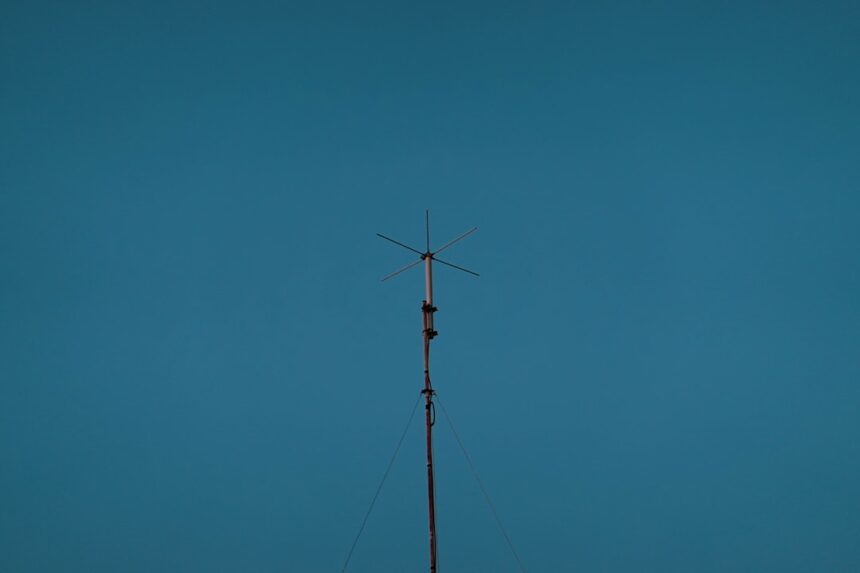
- Fixed Ground Stations: These monolithic facilities, like those established in West Germany and Turkey, were equipped with vast antenna arrays designed to capture a wide spectrum of electromagnetic signals. Operators would meticulously monitor these transmissions, searching for patterns, codes, and vulnerabilities.
- Aerial Reconnaissance: The use of specialized reconnaissance aircraft, such as the U-2 spy plane, provided a mobile platform for SIGINT collection, allowing for deeper penetration into hostile airspace and the interception of signals that were otherwise inaccessible from ground stations. These missions, often fraught with extreme danger, yielded invaluable intelligence on Soviet military deployments and technical capabilities.
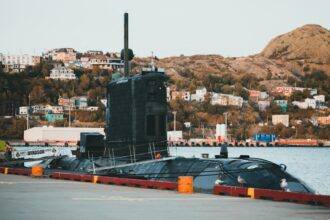
- Naval Platforms: Submarines and surface vessels were also adapted for SIGINT collection, particularly for monitoring naval communications and underwater acoustic signatures. This maritime component was vital for tracking Soviet submarine fleets and understanding their operational doctrine.
The Rise of Cryptography and Cryptanalysis
As the Soviet Union developed more secure encryption methods, the NSA’s focus shifted dramatically towards cryptanalysis – the art and science of breaking codes. This became a central pillar of its SIGINT mission.
- The Enigma Legacy: While the British had famously broken the German Enigma code during WWII, the Cold War presented new and more complex cryptographic challenges. Soviet ciphers, often based on one-time pads and sophisticated algorithms, demanded unprecedented intellectual effort and computational power.
- Supercomputers and Algorithms: The development of early supercomputers, though primitive by today’s standards, became indispensable for processing the sheer volume of intercepted encrypted traffic. Algorithms were developed and refined to identify statistical anomalies and potential weaknesses in encryption schemes. This was a painstaking process, often involving years of dedicated effort by teams of mathematicians and linguists.
- Exploiting Human Error: Beyond purely technical approaches, human error remained a persistent vulnerability. Operators making mistakes, reusing keys, or employing weak passwords could inadvertently provide crucial footholds for NSA cryptanalysts. The human element was, in many cases, the soft underbelly of otherwise robust cryptographic systems.
During the Cold War, the National Security Agency (NSA) played a crucial role in signal intelligence, gathering vital information that influenced military strategies and diplomatic relations. For a deeper understanding of the complexities and implications of NSA’s operations during this tense period, you can read a related article that explores the intricacies of their signal intelligence efforts. Check it out here: The Role of NSA Signal Intelligence in the Cold War.
Expanding the Scope: Beyond Radio Waves
The nature of modern communication evolved rapidly during the Cold War, and the NSA’s SIGINT efforts had to adapt in kind. Their purview extended beyond simple radio waves to encompass a broader spectrum of electronic emissions.
Telecommunications Interception
With the proliferation of landline and early satellite communications, the NSA’s focus broadened to include these new avenues of information exchange.
- Cable Tapping: Covert operations were undertaken to tap into critical underwater and terrestrial communication cables, often requiring intricate engineering and clandestine access. These taps provided direct insight into high-level diplomatic and military communications, bypassing many of the cryptographic protections applied to broadcast signals.
- Satellite Communications (SATCOM): As satellites became increasingly vital for long-distance communication, the NSA established sophisticated ground stations to intercept these transmissions. The challenge here lay in identifying desired signals from the vast amount of commercial and military traffic, and then deciphering the various encoding methods employed.
- Fiber Optic Networks: Towards the later stages of the Cold War, with the nascent deployment of fiber optic networks, the NSA began exploring methods for intercepting these light-based communications. This presented new technical hurdles, requiring entirely different interception technologies compared to traditional copper cables or radio waves.
Radar and Electronic Warfare (EW) Intelligence
Understanding the enemy’s radar capabilities and their electronic warfare strategies was paramount for tactical and strategic advantage.
- Radar Signature Analysis: The NSA meticulously collected and analyzed radar signals emitted by Soviet aircraft, ships, and missile systems. This data allowed for the identification of specific platforms, their operational ranges, and their vulnerabilities to jamming or deception. This was akin to creating an acoustic fingerprint for every Soviet radar system.
- Electronic Countermeasures (ECM) Assessment: By intercepting and analyzing Soviet ECM transmissions, the NSA could gauge the effectiveness of their jamming technologies and develop corresponding electronic counter-countermeasures (ECCM) for U.S. and allied forces. This was a continuous cat-and-mouse game, with each side striving to outmaneuver the other in the electromagnetic spectrum.
- Targeting Intelligence: Detailed knowledge of radar systems and their operational parameters was crucial for developing targeting intelligence for air superiority missions and for guiding cruise missiles and bombers to their objectives. The electronic landscape became a crucial battleground, even in the absence of direct physical combat.
The Human Element: Minds Behind the Machines
While technological advancement was a cornerstone of NSA SIGINT, it was the sheer intellectual prowess and dedication of its personnel that ultimately drove its success. The agency employed a diverse array of specialists, often working in anonymity.
Linguists and Cultural Experts
Deciphering intercepted communications was only half the battle; understanding their meaning and context required profound linguistic and cultural expertise.
- Fluency in Adversary Languages: The NSA recruited individuals with exceptional fluency in Russian, Chinese, German, and a multitude of other languages spoken in the Soviet Bloc. These linguists were not merely translators; they were interpreters of nuances, idioms, and subtle implications.
- Cultural Contextualization: Understanding the cultural, political, and military contexts in which messages were generated was vital for accurate interpretation. A seemingly innocuous phrase could carry significant strategic weight when understood within its specific cultural framework. This required a deep immersion in the history, politics, and social dynamics of the target nations.
- Analytic Collaboration: Linguists worked hand-in-hand with cryptanalysts and intelligence analysts, providing critical insights that often unlocked the deeper meaning of intercepted communications. This interdisciplinary approach was a hallmark of successful NSA operations.
Mathematicians and Computer Scientists
The abstract world of mathematics and the burgeoning field of computer science were the crucibles in which cryptographic challenges were forged and broken.
- Cryptographic Theory: Mathematicians within the NSA delved into advanced cryptographic theory, researching new methods of encryption and simultaneously devising innovative techniques for their cryptanalysis. This constant intellectual combat was at the forefront of mathematical discovery.
- Algorithmic Development: Computer scientists developed the algorithms and software that powered the NSA’s growing array of computing machinery, enabling the automated processing and analysis of vast quantities of intercepted data. Their work transformed raw signals into actionable intelligence.
- Data Visualization and Analysis: As data volumes surged, techniques for data visualization and analysis became increasingly important. Mathematicians and computer scientists developed tools to identify patterns, correlations, and anomalies within the torrent of intercepted information, turning a haystack of data into needles of insight.
The Impact and Controversies
The work of the NSA during the Cold War, though largely covert, had a profound and undeniable impact on international relations and national security. Yet, like any operation conducted in the shadows, it was not without its controversies.
Preventing Surprise Attacks and Informing Policy
Perhaps the most significant contribution of NSA SIGINT was its role as an early warning system, providing critical intelligence that often prevented or mitigated potential crises.
- Missile Gap and Arms Control: NSA intelligence was instrumental in disproving the “missile gap” myth, showing that the Soviet Union did not possess a significant numerical advantage in intercontinental ballistic missiles. This factual basis was crucial for informing U.S. arms control policy and reducing irrational fears.
- Cuban Missile Crisis: During the Cuban Missile Crisis, NSA SIGINT provided real-time intelligence on Soviet missile deployments in Cuba, allowing President Kennedy to make informed decisions and ultimately avert a nuclear confrontation. This intelligence acted as a spotlight in the dangerous fog of war.
- Strategic Military Planning: Throughout the Cold War, NSA intelligence informed countless strategic military planning decisions, from the deployment of forces to the development of new weaponry. It provided a window into Soviet intentions, capabilities, and vulnerabilities, shaping the entire U.S. defense posture.
Ethical Dilemmas and Privacy Concerns
The very nature of SIGINT – the interception of communications – inherently raised complex ethical questions and concerns about privacy.
- “Foreign Intelligence” vs. Domestic Surveillance: The NSA’s mandate was primarily focused on foreign intelligence, but the global nature of communication meant that incidental collection of U.S. citizens’ data could occur. The lines between foreign and domestic intelligence became increasingly blurred, fueling debates about appropriate oversight and legal boundaries.
- The PRISM-like Precursors: While the term “PRISM” emerged much later, the underlying concept of collecting and analyzing vast amounts of digital communication has roots in Cold War SIGINT. The technological capabilities were less advanced, but the imperative to collect and process information from global networks was constant.
- Covert Operations and Accountability: The clandestine nature of NSA operations often meant a lack of public accountability, leading to concerns about unchecked power and potential abuses. The balance between national security imperatives and democratic oversight remains a perpetual tension in the realm of intelligence gathering. It is a tightrope walk where the visibility of the wire is often hidden from the public gaze.
During the Cold War, the National Security Agency (NSA) played a crucial role in signal intelligence, gathering vital information that influenced military strategies and diplomatic relations. For a deeper understanding of the complexities involved in this era of espionage, you can explore a related article that delves into the intricacies of NSA operations and their impact on global events. This insightful piece can be found here, providing a comprehensive look at the agency’s efforts during a time of heightened tension and competition.
Legacy and Evolution
| Metric | Description | Estimated Value / Data | Time Period |
|---|---|---|---|
| Number of Intercept Stations | Facilities operated by NSA for signal interception | Over 20 major stations worldwide | 1950s-1980s |
| Signals Intercepted Daily | Volume of communications intercepted by NSA | Millions of signals per day | Cold War peak (1960s-1980s) |
| Key Programs | Major NSA signal intelligence initiatives | ECHELON, Operation SHAMROCK, Operation MINARET | 1950s-1970s |
| Personnel | Number of NSA employees involved in SIGINT | Estimated 20,000-30,000 at peak | 1970s-1980s |
| Budget Allocation | Estimated NSA budget for SIGINT activities | Classified, but billions annually (inflation adjusted) | Cold War era |
| Primary Targets | Countries and entities monitored | USSR, Eastern Bloc, China, Cuba | Cold War period |
| Technological Advances | Key technologies developed for SIGINT | Satellite interception, cryptanalysis machines, computer processing | 1950s-1980s |
The Cold War concluded, but the need for signals intelligence persisted and indeed intensified with the advent of the digital age. The NSA’s Cold War experiences profoundly shaped its future trajectory.
Technological Transfer and Continued Innovation
Many of the analytical techniques, computing methodologies, and communication interception technologies pioneered during the Cold War laid the groundwork for modern SIGINT.
- The Digital Revolution: The transition from analog signals to digital communications presented new challenges and opportunities. The NSA, building on its Cold War expertise, adapted its tools and techniques to the digital realm, becoming a leader in cyber intelligence.
- Global Network Surveillance: The internet, a direct descendant of Cold War-era networking concepts, became the ultimate target for signals intelligence. The NSA’s historical focus on broad spectrum collection proved invaluable in navigating the complexities of the global information superhighway.
- Predictive Analytics: The Cold War emphasis on identifying patterns and anomalies evolved into sophisticated predictive analytics, allowing the NSA to forecast potential threats and anticipate adversary actions with greater accuracy. This was the culmination of decades of data collection and algorithmic refinement.
Enduring Lessons for Intelligence Agencies
The Cold War underscored several enduring lessons for intelligence agencies worldwide, lessons that remain relevant today.
- The Importance of Adaptation: The constant technological and geopolitical shifts during the Cold War demanded continuous adaptation and innovation from the NSA. Stagnation in the intelligence world is a recipe for failure.
- The Power of Open-Source Intelligence (OSINT): While this article has focused on SIGINT, even during the Cold War, open-source information (e.g., academic publications, radio broadcasts) provided valuable context and clues. Modern intelligence agencies understand the synergy between various intelligence disciplines.
- The Ethical Imperative: The public scrutiny faced by intelligence agencies, even after the Cold War, highlights the ongoing need for ethical guidelines, rigorous oversight, and transparency where national security permits. The shadow of past controversies continues to shape contemporary debates about intelligence operations.
The NSA’s role in the Cold War was a testament to human ingenuity in an era of unprecedented global tension. Its relentless pursuit of signals intelligence, often in the face of immense technical and operational challenges, acted as a crucial, though unseen, force in preventing direct confrontation and shaping the course of history. Its legacy continues to influence the intelligence landscape, reminding us of the enduring power and complexities of information warfare.

WATCH NOW ▶️ SHOCKING: Why the Seafloor Went Silent
FAQs
What was the role of the NSA in signal intelligence during the Cold War?
The National Security Agency (NSA) was responsible for intercepting, decoding, and analyzing foreign communications and signals to gather intelligence on adversaries, primarily the Soviet Union and its allies, during the Cold War. This helped the United States monitor military activities, diplomatic communications, and potential threats.
How did the NSA collect signal intelligence during the Cold War?
The NSA used a variety of methods to collect signal intelligence, including intercepting radio transmissions, tapping undersea cables, deploying satellites for electronic surveillance, and using ground-based listening stations. These efforts aimed to capture encrypted and unencrypted communications from foreign governments and military forces.
What types of communications were targeted by NSA signal intelligence operations?
The NSA targeted a wide range of communications, including military radio transmissions, diplomatic messages, encrypted communications, telephone calls, and electronic signals related to missile tests and nuclear activities. The goal was to gain strategic and tactical information to support U.S. national security.
How did NSA signal intelligence impact Cold War diplomacy and military strategy?
NSA signal intelligence provided critical information that influenced U.S. diplomatic negotiations, arms control agreements, and military planning. By understanding Soviet capabilities and intentions, the U.S. could make informed decisions, avoid surprises, and maintain a strategic advantage during tense periods of the Cold War.
Were there any controversies associated with NSA signal intelligence during the Cold War?
Yes, NSA signal intelligence activities sometimes raised legal and ethical concerns, including issues related to privacy, surveillance of allied nations, and the secrecy surrounding intelligence operations. Additionally, the extent of NSA spying on both foreign and domestic targets has been a subject of debate and investigation in later years.