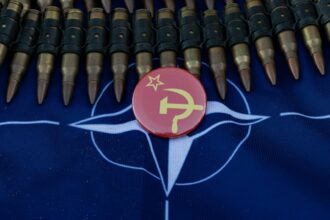
The shadow of the Cold War, a period of intense geopolitical tension and ideological struggle, cast a long and enduring veil over the 20th century. Beneath the surface of diplomatic pronouncements and military posturing, a clandestine world thrived – the world of espionage. Uncovering the secrets of Cold War espionage is not merely an academic exercise; it is akin to deciphering a vast, intricate tapestry woven with threads of deception, courage, and profound consequence. This article delves into the shadowy operations, the clandestine technologies, and the enduring impact of espionage during this pivotal era, offering a glimpse into the hidden battles that shaped the modern world.
The ideological chasm that opened between the United States and the Soviet Union following World War II provided fertile ground for the seeds of mistrust and suspicion to blossom into a full-blown intelligence conflict. Both nations, armed with vastly different worldviews and nuclear arsenals, recognized the existential threat posed by the other. Espionage, therefore, became not an auxiliary tool, but a vital instrument in this high-stakes geopolitical chess match.
The Ideological Crucible
The Post-War Realignment
The Potsdam Conference and the subsequent division of Europe laid the groundwork for a bipolar world. The Soviet Union sought to consolidate its influence in Eastern Europe, while the United States aimed to contain the spread of communism. This strategic divergence fueled a mutual desire to understand and, if possible, influence the other’s intentions and capabilities. The intelligence agencies established and expanded during this period were forged in this ideological crucible, tasked with gathering information that could provide a decisive advantage.
The Birth of Modern Intelligence Agencies
The Office of Strategic Services (OSS) in the United States, a wartime creation, was absorbed and reformed into the Central Intelligence Agency (CIA) in 1947. Similarly, the Soviet Union solidified its existing security apparatus, with the Committee for State Security (KGB) emerging as its primary intelligence and counterintelligence organization. These nascent agencies, inheritors of a legacy of spies and secret agents, were now equipped with unprecedented resources and a mandate to operate in the shadows, gathering intelligence that would be crucial for national security.
The Specter of Nuclear Annihilation
The advent of nuclear weapons introduced an unprecedented level of existential dread into international relations. The “balance of terror” created a delicate equilibrium, where any perceived advantage could have catastrophic consequences. Espionage, in this context, became a critical mechanism for understanding the development and deployment of these devastating weapons. The race to acquire nuclear secrets, to decipher missile capabilities, and to gauge the other side’s readiness for war became a paramount objective for intelligence agencies worldwide.
For those interested in the intricate world of Cold War espionage, a related article that delves deeper into the covert operations and intelligence strategies of the era can be found at In the War Room. This resource provides a comprehensive analysis of the tactics employed by both the East and West, shedding light on the hidden truths that shaped global politics during this tumultuous period.
The Tools of the Trade: Clandestine Technologies and Methods
The Cold War witnessed an explosion of innovation, not only in military hardware but also in the clandestine technologies employed by intelligence agencies. From sophisticated surveillance devices to ingenious infiltration techniques, the shadowy world of espionage was constantly evolving, seeking to gain an edge in the information war.
The Art of the Dead Drop and the Brush Pass
Even in an era of burgeoning electronic communication, the physical exchange of information remained a crucial element of espionage. The “dead drop,” where agents left packages in pre-arranged, inconspicuous locations, and the “brush pass,” a fleeting moment of contact as individuals walked past each other, were classic, low-tech methods that persisted throughout the Cold War. These methods, while seemingly simple, required meticulous planning, perfect timing, and nerves of steel to avoid detection. They were the silent whispers exchanged in the cacophony of statecraft.
The Dawn of Electronic Surveillance
The Cold War also marked the beginning of a revolution in electronic surveillance. Wiretaps, once rudimentary, became increasingly sophisticated, allowing intelligence agencies to eavesdrop on conversations with greater clarity and reach. The development of signal intelligence (SIGINT) – the interception and analysis of electronic signals – became a cornerstone of intelligence gathering. Satellites, once the stuff of science fiction, were deployed to orbit the Earth, offering unprecedented aerial views and the ability to monitor military activities from afar.
Microdots and Code Words: The Ingenuity of Concealment
The need for discrete communication led to astonishing feats of ingenuity. Microdots, photographic reductions of documents so small they could be hidden on a pinhead, became a popular method for transmitting sensitive information. Code words and complex encryption algorithms were employed to mask the true meaning of messages, turning seemingly innocuous sentences into vital intelligence. The painstaking work of cryptanalysts, often working in isolation, was crucial in breaking these codes and unlocking the secrets they held.
Human Intelligence: The Enduring Power of the Agent
Despite the advancements in technology, the human element remained indispensable. “HUMINT” – human intelligence – continued to be a primary source of information. Agents, often recruited from within enemy ranks or placed in strategic positions, risked their lives to gather firsthand accounts of plans, capabilities, and intentions. The recruitment and management of these agents involved intricate psychological profiling, careful vetting, and the constant management of risk. The defection of a high-ranking official or the clandestine transmission of a vital blueprint all depended on the courage and skill of these individuals operating in the shadows.
The Double Agent Dilemma
A particularly dangerous and valuable aspect of human intelligence was the use of double agents. These were individuals who initially worked for one side but were then “turned” and began feeding information to the opposing intelligence agency. The successful operation of a double agent could provide invaluable insights into the enemy’s strategies and networks, but the inherent risk of exposure was immense. Their true allegiance was a constant tightrope walk, where a single misstep could lead to capture, interrogation, and potentially execution.
High-Profile Operations and Their Lasting Impact
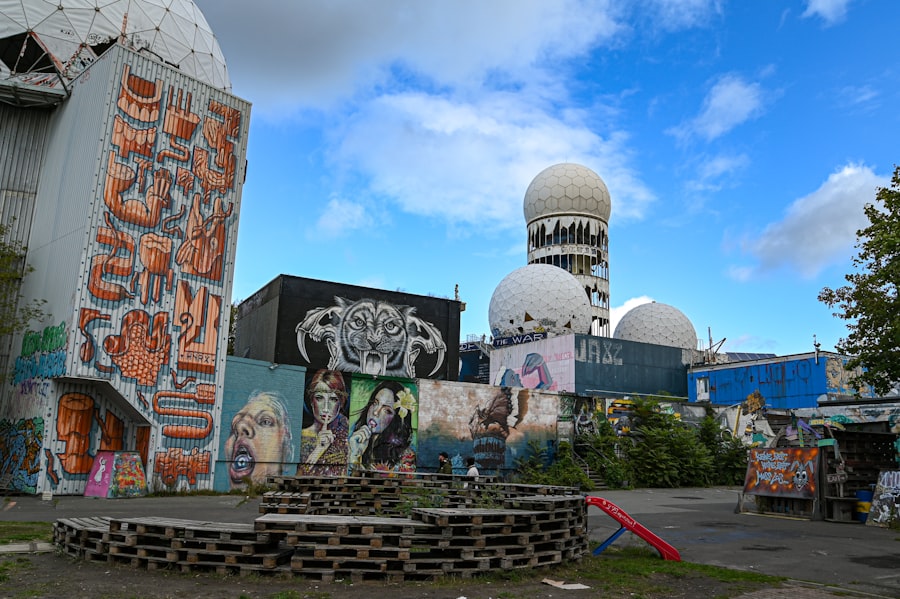
The Cold War was punctuated by numerous high-profile espionage operations, events that often captured public imagination and had significant geopolitical repercussions. These operations, whether successful or disastrous, serve as case studies in the complex and often perilous world of intelligence.
The U-2 Incident: A Spy Plane’s Downfall
The shooting down of an American U-2 spy plane over Soviet territory in 1960, and the subsequent capture of pilot Francis Gary Powers, was a major embarrassment for the United States. The incident exposed the extent of American aerial surveillance and deeply strained relations between the two superpowers. It highlighted the technological cat-and-mouse game underway, and the risks inherent in such deeply intrusive intelligence gathering. The wreckage of that plane served as a stark reminder that even the most advanced technology could be vulnerable.
The Cambridge Five: A Legacy of Betrayal
The Cambridge Five, a group of British intelligence officers who spied for the Soviet Union during World War II and the early Cold War, represent one of the most damaging betrayals in Western intelligence history. Their ability to infiltrate and pass on sensitive information for decades crippled Western intelligence efforts and provided invaluable insights to the Soviets. The long-term impact of their actions underscores the profound damage that can be inflicted by deeply embedded moles. The discovery of their network, decades in the making, sent shockwaves through the intelligence communities.
The Defection of Oleg Penkovsky
The defection of Oleg Penkovsky, a Soviet military intelligence colonel, in the early 1960s was a significant coup for the West. Penkovsky provided a wealth of crucial information about Soviet military capabilities, including details about their missile programs and operational plans. His intel is believed to have played a role in de-escalating the Cuban Missile Crisis. Penkovsky’s bravery, or perhaps his disillusionment, opened a window into the Soviet military machine that had previously been heavily guarded. The information he provided was like a skeleton key unlocking many of the Soviet Union’s strategic secrets.
The Berlin Tunnel: A Tale of Ingenuity and Deception
The construction of the Berlin Tunnel by the United States and Britain in the 1950s, aimed at tapping Soviet communication lines in East Berlin, is a prime example of the ambitious and often audacious operations undertaken. While initially successful, the operation was ultimately compromised by a Soviet mole within British intelligence, highlighting the constant threat of betrayal. The tunnel itself was a marvel of engineering, a subterranean artery designed to intercept the very lifeblood of Soviet communication, but its effectiveness was ultimately poisoned by the serpent of espionage.
The Human Cost of the Shadow War
Behind the grand strategies and technological marvels, the human cost of Cold War espionage was immense. Agents operated under constant pressure, facing the perpetual threat of capture, torture, and execution. The psychological toll of living a double life, of deceiving loved ones, and of carrying the weight of classified secrets, was profound.
The Isolation and Paranoia of the Agent
The life of a spy was often one of profound isolation. Agents were forced to sever ties with their past, to live under assumed identities, and to constantly be on guard against betrayal. This created an environment of heightened paranoia, where trust was a rare and dangerous commodity. The individual spy was like a solo sailor on a vast, storm-ridden ocean, with no land in sight and only the stars (or perhaps a coded message) for guidance.
The Price of Betrayal
For those who were caught, the consequences were dire. Interrogation by enemy intelligence agencies could be brutal and prolonged, designed to extract every last piece of information. Facing the enemy’s justice system often meant lengthy prison sentences or summary execution. The fate of spies who were compromised served as a chilling reminder of the stakes involved in the shadow war. The stories of those who were captured, their lives irrevocably altered, are a testament to the harsh realities of this clandestine conflict.
The Double Life and its Emotional Scars
Many agents were forced to maintain elaborate double lives, living as ordinary citizens while engaged in extraordinary and dangerous activities. This constant deception took a heavy emotional toll, straining relationships with spouses, children, and friends, who remained unaware of the true nature of their loved one’s “work.” The emotional scars left by such a life, even for those who survived and were eventually extracted, were often deep and enduring. It was a constant performance on a stage where the audience was unseen and the script was written in blood.
The hidden truths of Cold War espionage reveal a complex web of intrigue and deception that shaped international relations for decades. For those interested in exploring this topic further, an insightful article on the subject can be found at this link, which delves into the covert operations and the key players involved in this clandestine world. Understanding these historical events not only sheds light on the past but also provides valuable lessons for contemporary geopolitics.
Unveiling the Secrets: The Legacy of Declassification and Historical Inquiry
| Aspect | Details | Impact | Notable Example |
|---|---|---|---|
| Double Agents | Spies who worked for both sides, feeding false information | Created confusion and mistrust between intelligence agencies | Kim Philby (British MI6 and Soviet KGB) |
| Codebreaking | Decryption of secret communications using advanced cryptanalysis | Provided strategic advantages and prevented surprise attacks | Venona Project (US decrypting Soviet messages) |
| Spy Technology | Use of hidden cameras, listening devices, and satellite surveillance | Enhanced intelligence gathering capabilities | U-2 Spy Plane missions |
| Defectors | Individuals who switched allegiance and provided insider information | Exposed secret operations and compromised agents | Oleg Gordievsky (KGB to MI6) |
| Disinformation Campaigns | Deliberate spreading of false information to mislead opponents | Manipulated public opinion and intelligence assessments | Operation INFEKTION (Soviet fake AIDS origin story) |
The end of the Cold War did not signal the end of its secrets. The gradual process of declassification and the ongoing efforts of historians and researchers continue to shed light on the intricate workings of Cold War espionage. This ongoing unveiling is akin to piecing together a shattered mosaic, with each newly revealed document or interview adding a vital fragment to our understanding.
The Power of Declassified Documents
The release of previously classified documents has been instrumental in our understanding of Cold War espionage. Archival research, particularly in recently opened Eastern European archives, has provided invaluable insights into the motivations, methods, and successes of intelligence agencies on both sides of the Iron Curtain. These documents, like shards of forgotten glass, offer glimpses into a world that was deliberately kept hidden from public view.
The Role of Historians and Researchers
Historians and researchers play a crucial role in sifting through this vast trove of information, connecting the dots, and providing historical context. Their work allows for a more nuanced understanding of the events, the key players, and the broader implications of Cold War espionage for global politics and society. They act as cartographers of the past, mapping the complex terrain of secret operations and their enduring consequences.
The Enduring Fascination with Spies and Secrets
The enduring fascination with Cold War espionage is a testament to its inherent drama and its profound impact on history. The stories of spies, double agents, and clandestine operations continue to captivate the public imagination, inspiring books, films, and television series. This fascination, however, goes beyond mere entertainment; it reflects a deep-seated human curiosity about the hidden forces that shape our world and the individuals who operate within them. The allure of uncovering these secrets lies in understanding the unseen architects of history.
The secrets of Cold War espionage are not merely tales of intrigue; they are critical components in understanding the geopolitical landscape of the 20th century and its lasting legacy. As we continue to peel back the layers of secrecy, we gain a deeper appreciation for the complex interplay of power, ideology, and human endeavor that defined this pivotal era. The shadow war may have receded, but its echoes continue to resonate, reminding us of the constant struggle for information and influence that has shaped, and continues to shape, our world.
WATCH NOW ▶️ SHOCKING: Why the Seafloor Went Silent
FAQs
What was the primary purpose of espionage during the Cold War?
Espionage during the Cold War was primarily aimed at gathering intelligence on the military capabilities, political intentions, and technological advancements of opposing nations, particularly between the United States and the Soviet Union.
Which agencies were most involved in Cold War espionage?
The main agencies involved in Cold War espionage included the CIA (Central Intelligence Agency) of the United States, the KGB (Committee for State Security) of the Soviet Union, MI6 (Secret Intelligence Service) of the United Kingdom, and the Stasi of East Germany.
What were some common methods used in Cold War espionage?
Common methods included human intelligence (spies and informants), signal intelligence (intercepting communications), covert operations, use of double agents, and technological surveillance such as bugging devices and satellite reconnaissance.
How did espionage impact Cold War diplomacy?
Espionage often heightened mistrust between the superpowers, influencing diplomatic negotiations and sometimes leading to crises. However, intelligence gathered also helped prevent misunderstandings that could have escalated into direct conflict.
Were there any famous espionage cases during the Cold War?
Yes, notable cases include the capture of Soviet spy Rudolf Abel by the U.S., the defection of KGB officer Oleg Gordievsky to the West, and the exposure of the Cambridge Five spy ring in the UK, all of which had significant impacts on intelligence operations and international relations.