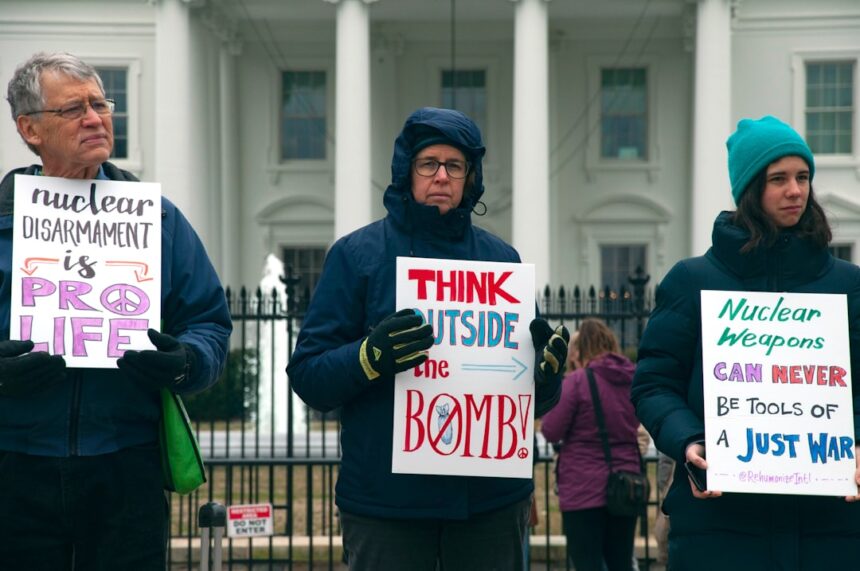
Nuclear arms control agreements represent a cornerstone in humanity’s ongoing effort to navigate the perilous landscape of proliferation and the potential for catastrophic conflict. These treaties, like intricate tapestries woven over decades, are designed to limit the development, production, stockpiling, and deployment of nuclear weapons, thereby acting as crucial safety nets against the ultimate unraveling of global stability. They are not magic bullets, nor are they foolproof, but like sturdy levees holding back a destructive flood, they provide vital structure and reduce the immediate, existential threat. This article will explore the evolution, mechanisms, challenges, and enduring significance of these agreements in ensuring global security.
The specter of nuclear annihilation cast a long shadow over the latter half of the 20th century. The dawn of the atomic age, marked by the United States’ use of nuclear weapons against Japan in 1945, ushered in an era of unprecedented destructive capability. The subsequent development of this technology by other powers, notably the Soviet Union, ignited a tense arms race, a high-stakes poker game where the chips were the very survival of civilization. It was within this crucible of fear and mutual suspicion that the initial impulses for nuclear control began to emerge.
The Uneasy Stand-off: The Dawn of Deterrence
- The Hiroshima and Nagasaki bombings: These events served as a stark premonition, demonstrating the unimaginable power unleashed by nuclear fission. They laid bare the potential for total war and, paradoxically, sowed the seeds for the doctrine of deterrence.
- The arms race: The United States and the Soviet Union engaged in a relentless pursuit of nuclear superiority, leading to the accumulation of vast arsenals. This competition, while terrifying, also spurred a realization among policymakers of the need for some form of mutual understanding and restraint to avoid accidental or intentional catastrophic escalation.
- Early calls for disarmament: Even amidst the escalating tensions, voices within the international community and scientific establishments began to advocate for the complete elimination of nuclear weapons. While complete disarmament remained an elusive ideal, these early discussions laid the groundwork for future negotiations.
The First Threads: Early Test Ban Treaties
Recognizing the immediate dangers posed by atmospheric nuclear testing, the international community began to address this specific aspect of the nuclear threat. These early agreements, while limited in scope, represented significant diplomatic breakthroughs.
- The Partial Test Ban Treaty (PTBT) of 1963: This treaty prohibited nuclear weapon tests in the atmosphere, outer space, and underwater. It was a crucial step in limiting the spread of radioactive fallout and demonstrated that verifiable arms control was achievable, even between adversaries. For many, it was akin to agreeing to not smoke in a crowded theater – a basic, shared understanding for the well-being of all.
- Motivations and limitations: The PTBT was driven by growing public concern over radioactive contamination and the potential impact on human health. However, it did not prohibit underground testing, which continued and allowed for the refinement of nuclear weapons.
Nuclear arms control agreements have been a pivotal aspect of international relations, aiming to reduce the proliferation of nuclear weapons and enhance global security. A related article that delves into the complexities and challenges of these agreements can be found at this link: Nuclear Arms Control: Challenges and Opportunities. This article explores the historical context, current treaties, and the future of nuclear disarmament efforts, providing valuable insights into the ongoing dialogue surrounding nuclear weapons and international peace.
Building a Framework: Key Treaties and Their Objectives
As the Cold War progressed, a more comprehensive approach to nuclear arms control began to take shape. Recognizing that piecemeal solutions were insufficient, nations started to negotiate broader agreements aimed at limiting the proliferation of nuclear weapons and the size and scope of existing arsenals. These treaties, each a testament to intricate diplomacy and compromise, form the bedrock of the current international security architecture.
The Non-Proliferation Treaty (NPT): The Cornerstone of Restraint
The Treaty on the Non-Proliferation of Nuclear Weapons (NPT), which entered into force in 1970, is arguably the most significant arms control treaty ever negotiated. It operates on a tripartite foundation, addressing disarmament, non-proliferation, and the peaceful uses of nuclear energy.
The Pillars of the NPT: A Delicate Balance
- Disarmament commitments: Article VI of the NPT commits all states parties to pursue negotiations in good faith on effective measures relating to cessation of the nuclear arms race at an early date and to nuclear disarmament, and on a treaty on general and complete disarmament under strict and effective international control. This is the grand promise, the lighthouse beacon guiding towards a nuclear-free future.
- Non-proliferation obligations: Non-nuclear-weapon states party to the treaty undertake not to acquire or develop nuclear weapons, and to accept International Atomic Energy Agency (IAEA) safeguards on their peaceful nuclear activities to ensure they are not diverted for weapons purposes. This is the firewall, designed to prevent the wildfire of proliferation from spreading.
- Peaceful uses of nuclear energy: The treaty also recognizes and promotes the inalienable right of all states parties to develop, produce, and use nuclear energy for peaceful purposes, subject to NPT obligations. This is the incentive, the recognition that nuclear technology can be a force for good, but one that must be carefully managed.
- Review Conferences: The NPT mandates periodic Review Conferences (held every five years) to assess the implementation of the treaty and to strengthen its effectiveness. These are crucial moments for stocktaking, for identifying cracks in the edifice and reinforcing its structure.
Limiting the Arsenal: Strategic Arms Limitation Talks (SALT) and their Successors
The sheer destructive power of nuclear arsenals led to a desire to cap and reduce the number of strategic offensive weapons. The SALT talks and their subsequent iterations represent a sustained effort to achieve this critical objective.
The SALT Process: A Tentative Thaw
- SALT I (Strategic Arms Limitation Talks) (1972): The first Strategic Arms Limitation Treaty (SALT I) and the Anti-Ballistic Missile (ABM) Treaty were significant achievements. The ABM Treaty, in particular, froze the development of missile defense systems, a move that many believed was crucial to preserving the logic of mutual assured destruction (MAD) and preventing an unstable arms race in defense technologies.
- SALT II (1979): While signed, SALT II was never ratified by the U.S. Senate due to the Soviet invasion of Afghanistan. However, both sides largely adhered to its terms.
Moving Towards Reduction: The START Treaties
The Strategic Arms Reduction Treaties (START) represented a more ambitious approach, aiming not just to limit, but to significantly reduce the number of deployed strategic nuclear warheads and delivery systems.
- START I (1991): This treaty between the United States and the Soviet Union (later the Russian Federation) led to the elimination of a significant portion of their strategic nuclear arsenals. It was a landmark agreement, marking a tangible step towards de-escalation.
- START II (1993): Though signed, START II faced significant ratification challenges and ultimately did not enter into force. However, many of its provisions were later incorporated into subsequent agreements.
- The New START Treaty (2010): This treaty, between the United States and the Russian Federation, limits deployed strategic warheads and deployed and non-deployed strategic delivery vehicles. It has been extended and remains a critical bilateral agreement for managing the largest nuclear arsenals.
Beyond the Superpowers: Addressing Missile Technology and Other Nuclear Threats
While the focus often rests on the vast arsenals of major powers, the international community has also recognized the need to control the spread of related technologies and to address other pathways to nuclear weapon development.
The Missile Technology Control Regime (MTCR): Capping Delivery Systems
- Purpose and scope: The MTCR is an informal political understanding among 35 member states aimed at limiting the proliferation of missiles and missile-related technology capable of carrying a 500 kg payload for at least 300 km, as well as unmanned aerial vehicles capable of delivering weapons of mass destruction. It acts as a speed bump, slowing down the potential for states to develop delivery systems for WMD.
- Mechanism of control: The MTCR regime is based on a voluntarily shared commitment by member states to review and control exports of relevant goods and technology.
The Outer Space Treaty (1967): Keeping Space Peaceful
- Prohibiting weapons of mass destruction in orbit: The Outer Space Treaty prohibits the placing of nuclear weapons or any other kind of weapons of mass destruction in orbit, on the Moon, or on any other celestial body. It ensures that the vast frontier of space remains a domain for exploration and peaceful use, not a new battlefield.
The Intricacies of Verification and Compliance: Ensuring Trust in a Mistrustful World
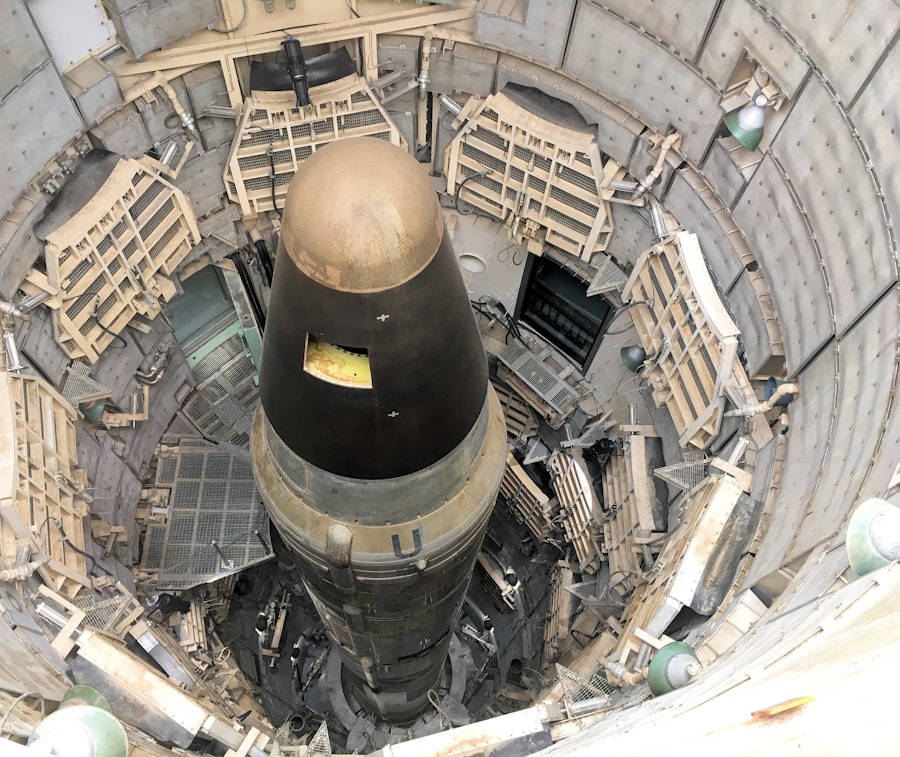
The effectiveness of any arms control agreement hinges on its ability to be verified and complied with. This is a complex and often contentious aspect, as it requires intruding on national sovereignty and building trust in a domain where suspicion is often the default setting.
The Role of the IAEA: The Watchdog of the Nuclear Age
The International Atomic Energy Agency (IAEA) plays a pivotal role in verifying that states are adhering to their non-proliferation commitments, particularly under the NPT. Its work is essential for building confidence and providing assurance to the international community.
IAEA Safeguards: A Multi-Layered Approach
- On-site inspections: IAEA inspectors conduct regular inspections of nuclear facilities in non-nuclear-weapon states to ensure that nuclear material is not being diverted for weapons purposes. These inspectors are the eyes and ears on the ground, meticulously checking the inventory of materials.
- Accounting and monitoring: The IAEA establishes and maintains accounting systems for nuclear material and employs various monitoring techniques to detect any undeclared activities.
- Additional Protocols: More intrusive verification measures, known as “Additional Protocols,” have been developed to strengthen IAEA safeguards and provide greater access to information and sites. These are akin to more advanced diagnostic tools, allowing for a deeper understanding of a facility’s true operations.
Challenges to Verification: The Persistent Shadows of Doubt
Despite the robust mechanisms in place, verification remains a significant challenge. The inherent secrecy surrounding nuclear weapon programs and the potential for clandestine activities create persistent anxieties.
- Undeclared facilities and activities: The discovery of undeclared nuclear facilities or activities by a state can severely undermine its credibility and the integrity of the entire non-proliferation regime. This is the unexpected tremor that can shake the foundations of trust.
- Relying on national technical means: States often complement IAEA verification with their own intelligence-gathering capabilities, known as “national technical means” (NTMs). This dual approach helps to corroborate information and identify discrepancies.
- The “breakout time” concern: A key concern in non-proliferation is the “breakout time” – the time it would take a state to acquire a nuclear weapon once it decides to do so. Arms control agreements aim to lengthen this breakout time, providing more warning and opportunities for intervention.
Enforcement and Response: The Consequences of Non-Compliance
The question of what happens when a state violates an arms control agreement is critical. The international community has developed a range of responses, though their effectiveness can vary.
- Diplomatic pressure and sanctions: Violations often lead to intense diplomatic pressure, condemnation in international forums, and the imposition of economic or other sanctions. This is the collective voice of the global community raising a red flag.
- UN Security Council action: In cases of significant violations, the UN Security Council can impose mandatory sanctions or authorize other measures. This represents a more potent, albeit often politically challenging, form of enforcement.
- The challenge of enforcement: The effectiveness of enforcement mechanisms is frequently hindered by political divisions among powerful states, particularly within the UN Security Council.
The Evolving Landscape: New Threats and the Future of Arms Control

The landscape of global security is not static. New technological advancements, shifting geopolitical dynamics, and the emergence of non-state actors present ongoing challenges to existing arms control frameworks. Adapting these agreements and forging new ones is a continuous and vital endeavor.
The Specter of New Technologies: Hypersonic Weapons and Cyber Warfare
The rapid pace of technological innovation introduces novel threats that arms control regimes must grapple with.
- Hypersonic weapons: The development of hypersonic glide vehicles and cruise missiles capable of evading current missile defense systems poses a significant challenge to strategic stability. Their speed and maneuverability make them difficult to track and interdict, potentially undermining established deterrence relationships.
- Cyber warfare and arms control: The increasing reliance on digital infrastructure for command and control of nuclear weapons raises concerns about the vulnerability of these systems to cyberattacks. Attacks could lead to accidental launch or the unintended detonation of nuclear devices. This is the digital ghost in the nuclear machine.
The Rise of Non-State Actors: The Challenge of Transnational Terrorism
The possibility of nuclear materials or even weapons falling into the hands of terrorist organizations is a paramount concern for global security.
- Preventing illicit trafficking: Efforts to prevent the illicit trafficking of nuclear and radiological materials are crucial. This involves strengthening border security, intelligence sharing, and international cooperation.
- Securing vulnerable stockpiles: Ensuring the physical security of nuclear weapons and fissile materials in all states is paramount to preventing them from being acquired by unauthorized groups.
The Search for New Agreements: Reinvigorating the Arms Control Agenda
The need for new arms control agreements, or the revitalization of existing ones, is a recurring theme in international discussions.
- Challenges to existing treaties: The effectiveness of treaties like the NPT is tested by states seeking to withdraw or by the perceived lack of progress on disarmament obligations.
- The Comprehensive Nuclear-Test-Ban Treaty (CTBT): While signed by many states, the CTBT has not yet entered into force, awaiting ratification by a few key states. Its entry into force would be a significant achievement in curbing nuclear weapon development.
- New avenues for dialogue: Exploring new formats for arms control negotiations, potentially involving a wider range of actors and addressing emerging threats, is essential for maintaining momentum.
Nuclear arms control agreements play a crucial role in maintaining global security and preventing the proliferation of nuclear weapons. For a deeper understanding of the complexities surrounding these treaties, you can explore a related article that discusses the historical context and future implications of such agreements. This insightful piece can be found at In the War Room, where you will find a comprehensive analysis of the challenges and successes in nuclear disarmament efforts.
The Enduring Imperative: Why Arms Control Remains Vital
| Agreement Name | Year Signed | Participating Countries | Main Objective | Key Provisions | Status |
|---|---|---|---|---|---|
| Strategic Arms Reduction Treaty (START I) | 1991 | USA, USSR (later Russia) | Reduce and limit strategic offensive arms | Limits on deployed strategic nuclear warheads and delivery vehicles | Expired in 2009, succeeded by New START |
| New START | 2010 | USA, Russia | Further reduction of strategic nuclear weapons | Limits on deployed strategic warheads (1,550) and delivery systems (700) | Extended until 2026 |
| Intermediate-Range Nuclear Forces Treaty (INF) | 1987 | USA, USSR (later Russia) | Eliminate intermediate-range and shorter-range missiles | Elimination of ground-launched missiles with ranges 500-5,500 km | USA withdrew in 2019 |
| Comprehensive Nuclear-Test-Ban Treaty (CTBT) | 1996 | Global (opened for signature by all UN members) | Ban all nuclear explosions | Prohibits all nuclear test explosions | Not yet in force (awaiting ratification by key states) |
| Non-Proliferation Treaty (NPT) | 1968 | 191 States Parties | Prevent spread of nuclear weapons, promote peaceful use | Non-proliferation, disarmament, peaceful nuclear cooperation | In force |
Despite the inherent complexities and the persistent challenges, nuclear arms control agreements remain an indispensable tool for ensuring global security. They are not a panacea, but they are vital bulwarks against the unimaginable.
The De-escalation Effect: Preventing Accidental or Intentional War
The most immediate and profound impact of nuclear arms control is its contribution to de-escalation. By establishing clear limits and promoting transparency, these agreements reduce the chances of miscalculation or unintended escalation that could lead to nuclear war. They are the cooling systems for the volatile engine of international relations.
The Deterrent Effect: Maintaining Strategic Stability
While paradoxically, arms control agreements can reinforce the logic of deterrence by ensuring that the nuclear balance remains predictable and stable. By limiting the scope for destabilizing arms races, they contribute to a modicum of strategic predictability.
The Normative Power: Shaping International Behavior
Arms control agreements contribute to the development of international norms against the proliferation and use of nuclear weapons. They create a framework of expectation and accountability that shapes state behavior and reinforces the global consensus against these devastating weapons. They are the gentle, persistent whispers of reason in the cacophony of power politics.
The Pathway to Disarmament: A Long and Winding Road
Ultimately, nuclear arms control agreements represent the incremental steps on the long and arduous path toward complete nuclear disarmament. While the ultimate goal may seem distant, these treaties provide the necessary frameworks, build the confidence, and generate the momentum required to move humanity closer to a world free from the existential threat of nuclear annihilation. They are the stepping stones, each one carefully placed, on the journey away from the precipice. Even as the clouds of uncertainty gather, the commitment to these agreements, and the pursuit of new ones, remains a vital imperative for the survival and flourishing of humankind.
FAQs
What are nuclear arms control agreements?
Nuclear arms control agreements are treaties or accords between countries aimed at regulating, limiting, or reducing the number and types of nuclear weapons and related delivery systems to enhance global security and prevent nuclear conflict.
Which countries are typically involved in nuclear arms control agreements?
The primary countries involved are nuclear-armed states such as the United States, Russia, China, France, and the United Kingdom. Other countries with nuclear capabilities or strategic interests may also participate in or be affected by these agreements.
What are some key examples of nuclear arms control agreements?
Notable agreements include the Treaty on the Non-Proliferation of Nuclear Weapons (NPT), the Strategic Arms Reduction Treaty (START), the Intermediate-Range Nuclear Forces Treaty (INF), and the Comprehensive Nuclear-Test-Ban Treaty (CTBT).
How do nuclear arms control agreements contribute to global security?
These agreements help prevent nuclear arms races, reduce the risk of nuclear war, promote transparency and verification measures, and encourage disarmament efforts, thereby contributing to international peace and stability.
Are nuclear arms control agreements legally binding?
Yes, once ratified by the participating countries, these agreements are legally binding under international law, requiring parties to adhere to the terms and conditions set forth in the treaties.