American Naval Intelligence: A Strategic Force
Naval intelligence is not merely about collecting information; it is the bedrock upon which strategic decisions are made, the unseen hand guiding the fleet through the complexities of the maritime domain. For the United States Navy, this intelligence apparatus functions as a vital strategic force, ensuring that its operations are informed, its objectives are achievable, and its capabilities remain at the forefront of global maritime power. This article will explore the multifaceted nature of American Naval Intelligence, examining its historical evolution, its current structure and functions, its critical role in modern warfare, and the challenges and future trajectories it faces.
The origins of American Naval Intelligence are intertwined with the nascent stages of the United States itself. From the earliest days of the Republic, understanding the movements and intentions of potential adversaries at sea was paramount to national survival and the projection of American interests.
Early Espionage and the War of 1812
During the foundational years, naval intelligence was rudimentary, often relying on informal networks and captured dispatches. The War of 1812, against a formidable British navy, highlighted the urgent need for systematic intelligence gathering. Agents were dispatched to monitor British ship deployments and assess their strengths and weaknesses. While often ad-hoc, these early efforts laid the groundwork for a more formalized approach.
The Dawn of the 20th Century and World Wars
As naval technology advanced and global power dynamics shifted, so too did the sophistication of intelligence operations. The early 20th century saw the establishment of dedicated intelligence units within the Navy Department. The experiences of World War I and, more significantly, World War II, were transformative. The pivotal role of naval warfare in these global conflicts demanded intelligence that was not only timely but also actionable and comprehensive, encompassing signals intelligence, human intelligence, and photographic reconnaissance. The breaking of Japanese naval codes, for instance, was a critical intelligence success that directly influenced the course of the Pacific War.
The Cold War and the Rise of Technical Intelligence
The sustained geopolitical rivalry of the Cold War necessitated a dramatic expansion of naval intelligence capabilities. The primary threat was no longer a peer naval competitor in the same vein as the World War II era, but rather a technologically sophisticated adversary with a growing submarine force. This era witnessed a significant investment in and reliance on technical intelligence.
Signals Intelligence (SIGINT) and Electronic Warfare
The development of advanced listening posts, reconnaissance aircraft, and eventually satellites allowed the U.S. Navy to intercept and analyze enemy communications and electronic emissions. This capability became a cornerstone of intelligence during the Cold War, providing vital warnings of Soviet naval movements and intentions. Electronic warfare, closely linked to SIGINT, also emerged as a critical offensive and defensive tool, aiming to disrupt enemy communications and sensor systems.
Imagery Intelligence (IMINT) and Photographic Reconnaissance
Satellites and reconnaissance aircraft provided a steady stream of imagery, allowing analysts to track the construction, deployment, and operational readiness of foreign naval assets. This photographic evidence was crucial for verifying intelligence obtained through other means and for building a comprehensive picture of the global naval landscape.
American Naval Intelligence plays a crucial role in ensuring maritime security and strategic advantage in global waters. For a deeper understanding of the complexities and challenges faced by naval intelligence, you can explore a related article that delves into the historical evolution and current practices of naval operations. This insightful piece can be found at this link.
The Modern Architecture of Naval Intelligence
Today, American Naval Intelligence is a vast and intricate ecosystem, comprised of specialized agencies, highly trained personnel, and cutting-edge technologies. It functions as a central nervous system, processing raw data from myriad sources into actionable insights for decision-makers at all levels.
The Office of Naval Intelligence (ONI)
The ONI stands as the principal intelligence agency of the U.S. Navy. Its mission is to provide intelligence support for naval and joint warfare, as well as to support naval policymakers. ONI’s responsibilities are broad, encompassing the analysis of foreign naval forces, maritime threats, and the broader geopolitical environment.
Analytical Divisions and Expertise
Within ONI, specialized divisions focus on specific geographic regions, technological areas, or threat types. These divisions are populated by analysts with deep expertise in fields such as oceanography, naval architecture, electronic systems, and foreign military doctrine. They are the alchemists who transform raw sensor data into digestible intelligence reports.
Collaboration with Other Intelligence Agencies
ONI does not operate in a vacuum. It engages in extensive collaboration with other agencies within the broader U.S. intelligence community, including the Defense Intelligence Agency (DIA), the National Security Agency (NSA), and the Central Intelligence Agency (CIA). This inter-agency cooperation is essential for a holistic understanding of global security.
Fleet Intelligence Support
Beyond the strategic level, naval intelligence is deeply embedded within operational fleets. This ensures that commanders on the ground, or more accurately, at sea, have the real-time intelligence they need to execute their missions.
Tactical Intelligence Officers and Enlisted Specialists
Each fleet and major command has its own dedicated intelligence staff, comprising both commissioned officers and highly trained enlisted personnel. These individuals are responsible for disseminating relevant intelligence to ships, submarines, and aircraft, and for providing immediate analysis of incoming threats or opportunities.
Intelligence Fusion Centers
Modern naval operations often involve multiple branches of service and allied forces. Intelligence Fusion Centers serve as hubs where information from various sources is combined and analyzed collaboratively, creating a shared operational picture and fostering seamless interoperability.
The Role of Technology in Naval Intelligence
The technological advancements of the past few decades have revolutionized naval intelligence, providing unprecedented capabilities for data collection, processing, and dissemination.
The Intelligence, Surveillance, and Reconnaissance (ISR) Enterprise
The Navy’s ISR enterprise is a sophisticated network of platforms and sensors. This includes:
Unmanned Aerial Vehicles (UAVs) and Maritime Patrol Aircraft
Drones and specialized aircraft provide persistent surveillance over vast ocean areas, gathering imagery, electronic signals, and other critical data. They can loiter for extended periods, acting as the eyes and ears of the fleet far beyond the horizon.
Satellites and Space-Based Sensors
Satellites offer global coverage and unique perspectives, providing crucial intelligence on ship movements, infrastructure, and broader environmental conditions. They are the high ground, offering an unparalleled overview of the maritime domain.
Subsurface and Surface Sensors
Acoustic sensors, radar, and other electronic systems deployed on ships, submarines, and even buoys contribute to the continuous monitoring of the underwater and surface environment, detecting and tracking adversary naval activity.
Advanced Analytics and Artificial Intelligence (AI)
The sheer volume of data generated by the ISR enterprise necessitates advanced tools for analysis. AI and machine learning are increasingly employed to sift through terabytes of information, identify patterns, flag anomalies, and accelerate the intelligence production cycle. This allows human analysts to focus on higher-level strategic thinking and interpretation.
Naval Intelligence in Modern Warfare and Operations
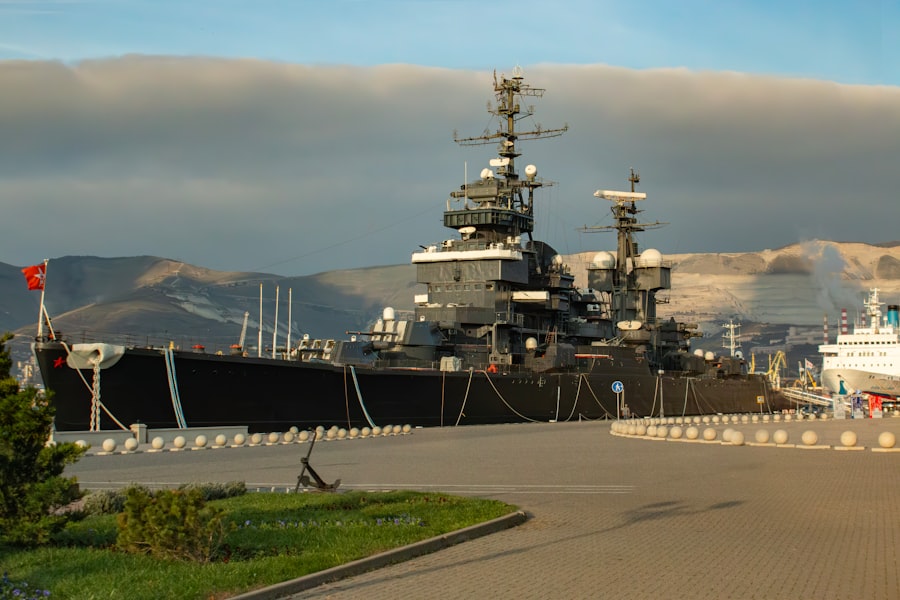
The abstract concept of intelligence finds its true purpose in its application to real-world naval operations. From deterring conflict to fighting wars, naval intelligence is an indispensable component of American maritime strategy.
Power Projection and Strategic Deterrence
The ability to project naval power globally is a cornerstone of American foreign policy. Naval intelligence plays a crucial role in enabling this by understanding the operational environments of potential adversaries, assessing their capabilities, and identifying vulnerabilities. This knowledge informs the deployment of naval forces in a manner that deters aggression and signals commitment to allies.
Understanding Regional Maritime Dynamics
Intelligence analysts continuously monitor regional maritime security issues, including territorial disputes, piracy, and illicit trafficking. This understanding allows the Navy to tailor its presence and operations to address specific threats and maintain stability.
Assessing Adversary Capabilities and Intentions
The accurate assessment of an adversary’s naval strength, technological sophistication, and strategic intentions is paramount for effective deterrence. Naval intelligence provides the insights needed to craft responses that are proportionate and effective.
Supporting Expeditionary Operations and Amphibious Landings
When naval forces are called upon to support amphibious landings or other expeditionary operations, intelligence becomes a lifeblood. Understanding the coastal defenses, potential landing zones, and enemy dispositions on shore is critical for mission success and the safety of troops.
Reconnaissance of Littoral Zones
Specialized units conduct detailed reconnaissance of littoral zones, gathering intelligence on currents, depths, beach conditions, and enemy fortifications. This information is vital for selecting optimal landing sites and planning the most effective assault.
Targeting and Mission Planning
Intelligence provides detailed targeting information for naval gunfire support and air strikes, ensuring precision and minimizing collateral damage. It also informs the detailed planning of troop movements and the establishment of secure perimeters after an initial landing.
Maritime Security and Counter-Piracy Operations
The vastness of the world’s oceans necessitates a constant vigilance against maritime threats that extend beyond state-on-state conflict. Naval intelligence is at the forefront of these efforts.
Tracking Illicit Trafficking and Transnational Crime
Intelligence gathering on drug smuggling, human trafficking, and other transnational criminal activities operating at sea allows naval forces to interdict these illegal enterprises and disrupt criminal networks.
Counter-Piracy and Maritime Domain Awareness
In regions prone to piracy, naval intelligence plays a key role in identifying pirate strongholds, tracking suspect vessels, and providing early warning to merchant shipping. Maintaining comprehensive Maritime Domain Awareness (MDA) is essential for protecting global trade routes.
Naval Warfare and Combat Operations
During actual combat, the speed and accuracy of intelligence are magnified in importance. The information provided can mean the difference between victory and defeat, and between the survival of personnel and their loss.
Real-Time Threat Assessment
Naval intelligence units provide real-time assessments of enemy air, surface, and subsurface threats, allowing ships to take evasive action, deploy countermeasures, and engage targets effectively. This is akin to having an advanced radar system that can see through the fog of war.
Battle Damage Assessment and Exploitation
Following engagements, intelligence is used to assess the effectiveness of strikes against enemy targets and to exploit any degraded capabilities of the adversary. This informs subsequent tactical decisions.
Challenges Facing Naval Intelligence

Despite its advanced capabilities, American Naval Intelligence operates in a dynamic and challenging environment. Emerging threats, evolving technologies, and the inherent complexities of intelligence work present continuous hurdles.
The Growing Sophistication of Adversaries
As potential adversaries invest in their own intelligence capabilities and technological advancements, the challenge for U.S. Naval Intelligence becomes that much greater. They are not static targets; they learn and adapt.
Counter-Intelligence and Deception Operations
Foreign intelligence services are adept at employing counter-intelligence measures and deception operations to mislead American analysts. Detecting and defeating these efforts requires constant vigilance and sophisticated analytical techniques.
Advancements in Stealth and Cyber Capabilities
The development of stealth technologies and advanced cyber warfare capabilities by potential adversaries presents new challenges for detection and attribution. Intelligence must evolve to penetrate these increasingly sophisticated layers of obscurity.
The Data Deluge and Analysis Paralysis
While technology provides an abundance of data, the sheer volume can become overwhelming. The challenge is not just to collect data, but to efficiently process, analyze, and disseminate it in a timely manner, avoiding “analysis paralysis.”
Information Overload and Resource Constraints
The continuous influx of data from a multitude of sensors can strain analytical resources. Prioritizing and effectively managing this information stream is a constant struggle.
The “Signal in the Noise” Problem
Distinguishing crucial intelligence (“the signal”) from irrelevant or misleading information (“the noise”) requires sophisticated algorithms and highly skilled human analysts who possess intuition and critical thinking.
Maintaining Human Intelligence (HUMINT) in a Digital Age
While technical intelligence has seen tremendous growth, the value of human sources remains critical. However, recruiting and managing human assets in an era of widespread surveillance and digital footprints presents unique challenges.
The Erosion of Traditional HUMINT Opportunities
Increased global surveillance and a more interconnected world can make it harder to cultivate and protect human sources without them being detected.
The Importance of Cultural Understanding and Linguistic Skills
Effective HUMINT requires deep cultural understanding and linguistic proficiency, which are investments that require sustained effort and training to maintain.
American Naval Intelligence plays a crucial role in ensuring maritime security and strategic advantage in global waters. For those interested in exploring this topic further, a related article can be found on the importance of naval operations and intelligence gathering in modern warfare. You can read more about it in this insightful piece on In The War Room, which delves into the evolving challenges faced by naval forces and the critical role of intelligence in shaping operational success.
The Future of American Naval Intelligence
| Metric | Value | Description |
|---|---|---|
| Number of Intelligence Officers | Approx. 3,000 | Estimated personnel involved in naval intelligence operations |
| Annual Budget Allocation | Classified | Funding dedicated to naval intelligence activities |
| Number of Intelligence Vessels | 15 | Ships equipped for intelligence gathering and surveillance |
| Satellite Surveillance Coverage | Global | Extent of satellite monitoring capabilities |
| Cyber Intelligence Units | 5 | Specialized teams focused on cyber warfare and intelligence |
| Annual Intelligence Reports Produced | 500+ | Number of reports generated for strategic and tactical use |
| Key Intelligence Partners | NSA, CIA, DIA | Primary agencies collaborating with naval intelligence |
The trajectory of American Naval Intelligence is one of continuous adaptation and innovation. To remain a strategic force, it must anticipate and respond to the evolving global security landscape.
Leveraging Emerging Technologies
The integration of new technologies will be crucial for maintaining a competitive edge.
Quantum Computing and its Implications
The potential impact of quantum computing on cryptography and data analysis is a significant consideration for the future of intelligence, both for offensive and defensive applications.
Advanced AI for Predictive Analysis and Threat Forecasting
The development of AI capable of more sophisticated predictive analysis will enable naval intelligence to move beyond reactive assessments to proactive threat forecasting, identifying potential flashpoints before they ignite.
Enhancing Interoperability and Information Sharing
In an increasingly complex geopolitical environment, seamless information sharing and interoperability are paramount.
Global Partnerships and Allied Intelligence Integration
Strengthening partnerships with allied nations and integrating their intelligence capabilities will create a more robust and comprehensive global intelligence picture. This forms a network, far stronger than the sum of its parts.
Joint All-Domain Command and Control (JADC2)
Naval intelligence is a key component of broader military initiatives like JADC2, which aims to connect all sensors with all shooters across all domains. This requires shared intelligence platforms and standardized data formats.
The Human Element: Training and Development
Ultimately, intelligence is gathered, analyzed, and acted upon by people. Investing in the training and development of naval intelligence professionals is essential.
Cultivating a Future-Ready Workforce
This includes developing expertise in emerging fields, promoting critical thinking, and fostering a culture of continuous learning to keep pace with evolving threats and technologies.
Bridging the Gap Between Technical and Traditional Intelligence Skills
Ensuring that analysts can effectively integrate and interpret data from both technical sources and human intelligence will be a key differentiator in future operations. The human touch, the intuition born of experience, remains irreplaceable.
In conclusion, American Naval Intelligence is not a static entity but a dynamic and evolving strategic force. It is the constant, often unseen, architect of American maritime security, shaping decisions, mitigating threats, and ensuring the continued relevance and effectiveness of the U.S. Navy in a complex and unpredictable world. Its ability to adapt, innovate, and integrate new technologies and approaches will determine its continued success in safeguarding national interests on the high seas.
FAQs
What is American Naval Intelligence?
American Naval Intelligence is a branch of the United States Navy responsible for gathering, analyzing, and disseminating intelligence related to naval operations, maritime security, and potential threats to U.S. naval forces.
What are the primary functions of American Naval Intelligence?
The primary functions include collecting intelligence on foreign naval capabilities, monitoring maritime activities, supporting naval operations with actionable intelligence, and contributing to national security through strategic assessments.
How does American Naval Intelligence gather information?
Information is gathered through various means such as satellite reconnaissance, signals intelligence (SIGINT), human intelligence (HUMINT), electronic surveillance, and collaboration with other intelligence agencies and allied nations.
Who oversees American Naval Intelligence?
American Naval Intelligence operates under the Office of Naval Intelligence (ONI), which is a component of the U.S. Navy and works closely with the Department of Defense and the broader U.S. Intelligence Community.
How does American Naval Intelligence contribute to national security?
By providing timely and accurate intelligence on potential maritime threats, foreign naval developments, and global maritime conditions, American Naval Intelligence helps protect U.S. naval assets, supports military planning, and enhances overall national defense strategies.