The flickering shadows of the Cold War were not solely cast by nuclear arsenals and ideological pronouncements. Beneath the surface, a clandestine world of espionage and covert operations pulsed with a life of its own. This was a battle fought with whispers, forged with deception, and waged in the minds and secrets of individuals. The stakes were astronomically high; the fate of nations, and indeed the world, often hung precariously on the success or failure of these unseen agents. To understand the Cold War is to also understand the silent war that raged in its underbelly.
Seeds of Suspicion and the Ideological Divide
The Second World War’s conclusion did not usher in an era of global harmony. Instead, it created a vacuum filled with competing visions for the future. The ideological chasm between the capitalist West, led by the United States, and the communist East, dominated by the Soviet Union, was as wide as the Atlantic. This fundamental divergence fueled an environment ripe for suspicion, a fertile ground where mistrust could blossom into outright hostility. Each side viewed the other as an existential threat, a wolf in sheep’s clothing seeking to undermine its very existence. This pervasive sense of danger became the bedrock upon which the edifice of Cold War espionage was built. It wasn’t just a matter of gathering intelligence; it was a desperate scramble to comprehend the intentions and capabilities of an adversary perceived as utterly inimical.
The Birth of the Secret Services
In response to the perceived threats, both superpowers rapidly expanded and professionalized their intelligence agencies. The United States, jolted by Pearl Harbor and the growing Soviet influence, consolidated its intelligence efforts under the newly formed Central Intelligence Agency (CIA) in 1947. Across the Iron Curtain, the Soviet Union had a long-standing, albeit evolving, tradition of secret police and intelligence work, with agencies like the NKVD (later the KGB) playing a central role. These organizations became the primary architects of covert operations, tasked with not only observing the enemy but also actively shaping events in their favor. They were the invisible hands that nudged the gears of global politics, often without the knowledge or consent of the governed.
The ‘Great Game’ Reimagined
The Cold War resurrected an ancient archetype: the “Great Game.” This historical term, often associated with the 19th-century rivalry between the British and Russian empires for influence in Central Asia, described a world of spies, diplomats, and military maneuvers played out in the shadows. The Cold War era saw this game scaled up to a global level, with the U.S. and USSR vying for dominance on every continent. Instead of caravans and horseback riders, the tools of the trade evolved to include sophisticated communication interception, technological surveillance, and the recruitment of agents within enemy territories. The chessboard expanded, and the pieces moved with unprecedented speed and consequence.
Cold War espionage played a crucial role in shaping international relations during the latter half of the 20th century, as intelligence agencies from both the United States and the Soviet Union engaged in a high-stakes game of secrecy and deception. For a deeper understanding of the tactics and strategies employed by these agencies, you can explore the article titled “The Art of Espionage: Secrets of the Cold War” available at this link. This article delves into the intricate world of spies, double agents, and the technological advancements that defined the era.
Tools of the Trade: Beyond the Bullet
The Art of Deception and Disinformation
Covert operations were rarely about brute force. The most effective weapons were often intangible: carefully crafted lies, strategically leaked falsehoods, and the sowing of discord. Disinformation campaigns were a cornerstone of Cold War espionage, designed to mislead adversaries, undermine their allies, and manipulate public opinion. This could range from planting fabricated documents to orchestrating defections of supposed defectors carrying false intelligence. The goal was to create a fog of confusion, making it difficult for the enemy to discern truth from fiction, effectively blinding them to the true nature of events. Think of it as a digital smoke screen, obscuring the real battlefield from view.
Technological Marvels and Mundane Methods
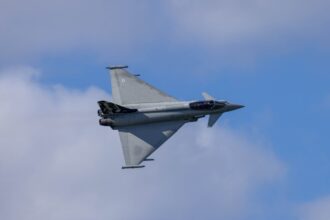
The Cold War spurred an unprecedented arms race, not just in nuclear weapons, but also in intelligence gathering technology. From the U-2 spy plane, soaring through the stratosphere to capture photographic intelligence, to the intricate network of listening posts and satellite surveillance, technology played an increasingly vital role. However, the human element remained indispensable. The spy trade still relied heavily on traditional methods: the clandestine meeting in a dimly lit cafe, the dead drop for passing sensitive information, the agent provocateur subtly influencing local politics. The most sophisticated radar system could be rendered useless by a well-placed informant or a cleverly executed double agent.
The Human Factor: Agents, Assets, and Double Lives
At the heart of every successful covert operation was the human being. Agents were recruited, cultivated, and deployed for a myriad of purposes. Some were ideologically driven, believing in the cause they served. Others were motivated by financial gain, seeking a payday for their risky endeavors. Still others were coerced, blackmailed, or simply exploited. The recruitment process was a delicate dance, identifying vulnerabilities and exploiting them to secure loyalty. The lives of these agents were often fraught with peril, living double lives, constantly under the threat of exposure and severe reprisal. They were the essential cogs in the intricate machinery of espionage, their successes and failures having profound ripple effects.
Battlegrounds of the Cold War: A Global Stage
Proxies and the Shadow Wars
Direct confrontation between the U.S. and USSR was largely avoided due to the specter of nuclear annihilation. However, this did not mean they avoided conflict. Instead, they engaged in proxy wars, supporting opposing sides in regional conflicts around the globe. These battles, fought in Vietnam, Korea, Angola, and elsewhere, became arenas where the superpowers tested their strategies and supplied their allies with weaponry and advisors, all while maintaining a degree of plausible deniability. Covert operations were integral to these proxy conflicts, involving the clandestine supply of arms, the training of rebel groups, and the extraction of intelligence on enemy movements. It was a dangerous game of chess, where the king and queen were supported by a vast network of pawns and bishops operating entirely out of sight.
The Domino Effect: Fears and Interventions
The “domino theory” was a pervasive fear during the Cold War, suggesting that if one nation fell to communism, neighboring nations would inevitably follow. This fear fueled numerous U.S. interventions, both overt and covert, in an attempt to prevent this perceived cascade. The CIA, in particular, was involved in a range of interventions, from supporting coups in Iran and Guatemala to covertly influencing elections in various countries. These operations were often justified as necessary measures to contain Soviet influence, but they frequently had destabilizing effects and led to long-term resentments. The architects of these operations often believed they were acting in the best interests of global stability, yet the unintended consequences often proved to be far more significant.
Infiltration and Subversion: The Undermining of Institutions
Beyond direct military or political intervention, covert operations aimed to undermine enemy institutions from within. This involved infiltrating governments, trade unions, media organizations, and cultural groups. The goal was to sow dissent, create divisions, and weaken the ideological foundations of the adversary. Propaganda, subtle manipulation of information, and the cultivation of sympathetic individuals were key tools in this campaign of subversion. It was a psychological warfare, a battle for the hearts and minds of people, waged through the quiet influence of agents and the insidious spread of carefully curated narratives.
The Unseen Architects: Intelligence Agencies in Action
The CIA: A Global Reach and Controversial Legacy
The U.S. Central Intelligence Agency (CIA) became synonymous with Cold War covert operations. Its mandate extended far beyond intelligence gathering, encompassing clandestine actions designed to influence events abroad. From the Bay of Pigs fiasco, a disastrous attempt to overthrow Fidel Castro in Cuba, to its alleged involvement in plots against various world leaders, the CIA’s history is a complex tapestry of successes, failures, and profound controversies. Investigations into its activities, particularly in the 1970s, revealed a pattern of questionable ethics and unintended consequences, raising fundamental questions about the oversight and accountability of such powerful organizations. The CIA was a mighty sword, but at times, it seemed to wield itself without a firm hand.
The KGB: The Soviet Union’s Shadow Arm
The Komitet Gosudarstvennoy Bezopasnosti (KGB), or Committee for State Security, was the Soviet Union’s primary intelligence and security agency. It operated with a ruthless efficiency, responsible for both domestic surveillance and extensive foreign operations. The KGB was renowned for its sophisticated espionage networks, its ability to recruit influential individuals within Western institutions, and its mastery of disinformation. Its operations were often characterized by a less public, more ingrained presence, seeking to influence policy and sow discord through long-term strategic maneuvering. The KGB was the unseen sculptor, gradually shaping the landscape of international politics from the shadows.
Allied Intelligence Services: A Network of Cooperation and Competition
The Cold War was not solely a bipolar struggle. Allied intelligence services, such as Britain’s MI6 and France’s DGSE, also played crucial roles, often working in concert with the CIA and MI5 in the UK. These agencies shared intelligence, coordinated operations, and engaged in their own clandestine activities to counter Soviet influence. However, there were also instances of competition and even distrust between allied services, as national interests sometimes diverged. This complex web of cooperation and competition created a multi-layered intelligence environment, where information flowed, but not always smoothly.
Cold War espionage was a fascinating and complex aspect of international relations, characterized by a web of covert operations and intelligence gathering between superpowers. For those interested in delving deeper into this intriguing topic, a related article can be found at In the War Room, which explores the various tactics employed by spies during this tumultuous period. The article provides valuable insights into the methods and motivations behind espionage activities, shedding light on how these clandestine operations shaped the geopolitical landscape of the time.
The Enduring Impact: Legacies of the Shadow War
| Aspect | Description | Notable Figures | Key Techniques | Impact |
|---|---|---|---|---|
| Duration | Approx. 1947 – 1991 | N/A | N/A | Spanned entire Cold War period |
| Main Agencies | CIA (USA), KGB (USSR), MI6 (UK), Stasi (East Germany) | Allen Dulles, Yuri Andropov, Kim Philby, Markus Wolf | Human intelligence, signals intelligence | Shaped international relations and conflicts |
| Espionage Techniques | Spy satellites, dead drops, codebreaking, double agents | Oleg Penkovsky, Aldrich Ames, Klaus Fuchs | Cryptography, surveillance, infiltration | Provided critical intelligence on military capabilities |
| Famous Operations | U-2 Spy Plane missions, Berlin Tunnel Operation, Operation Gold | Francis Gary Powers, George Blake | Reconnaissance flights, wiretapping, covert surveillance | Exposed secrets, increased tensions |
| Counterintelligence | Efforts to detect and neutralize enemy spies | James Jesus Angleton, Markus Wolf | Double agents, surveillance, interrogation | Prevented leaks, maintained secrecy |
| Technological Advances | Development of spy satellites, encrypted communications | N/A | Satellite imagery, electronic eavesdropping | Revolutionized intelligence gathering |
The Unseen Scars: Psychological and Societal Effects
The psychological toll of the Cold War, both on individuals and societies, is often overlooked. The constant threat of nuclear war, the pervasive atmosphere of suspicion, and the fear of infiltration left a lasting mark. Covert operations, by their very nature, often involved breaking trust, manipulating individuals, and instilling fear. The long-term societal consequences of these interventions, including political instability, economic disruption, and lingering resentment, are still being felt in many parts of the world today. The unseen scars of these clandestine battles continue to shape the present.
The Ethical Quagmire: Morality in the Service of Statecraft
The covert operations of the Cold War often presented profound ethical dilemmas. The question of whether the ends justified the means was a constant underlying theme. Was it permissible to destabilize democratically elected governments to prevent the spread of communism? Were the actions of intelligence agencies ever truly justifiable in their pursuit of national security? These questions remain relevant today, prompting ongoing debates about oversight, accountability, and the moral boundaries of statecraft. The shadowy nature of these operations often meant that accountability was elusive, leaving many of these ethical quandaries unresolved.
Lessons for the Future: Adapting to a New Era of Espionage
The methods and technologies of Cold War espionage have evolved dramatically. The digital age has introduced new frontiers for intelligence gathering and covert action, from cyber warfare to the pervasive influence of social media. However, the fundamental principles of deception, manipulation, and the exploitation of human vulnerabilities remain as relevant as ever. Understanding the tactics and consequences of the Cold War’s shadow conflicts provides crucial context for navigating the complex and often opaque world of modern espionage. The past, as the saying goes, is often prologue, and the lessons of the Cold War’s covert operations offer a vital roadmap for the challenges of tomorrow.
FAQs
What was the primary purpose of espionage during the Cold War?
Espionage during the Cold War was primarily used by both the United States and the Soviet Union to gather intelligence on each other’s military capabilities, political strategies, and technological advancements. This information was crucial for maintaining a balance of power and preventing direct conflict.
Which agencies were most involved in Cold War espionage?
The main agencies involved in Cold War espionage were the CIA (Central Intelligence Agency) for the United States and the KGB (Committee for State Security) for the Soviet Union. Both organizations conducted covert operations, surveillance, and intelligence gathering.
What methods were commonly used in Cold War espionage?
Common methods included human intelligence (spies and informants), signal intelligence (intercepting communications), satellite reconnaissance, and covert operations such as sabotage and propaganda. Technology like bugging devices and encrypted communications were also widely used.
Can you name some famous spies from the Cold War era?
Notable Cold War spies include Aldrich Ames and Robert Hanssen from the United States, who were double agents for the Soviet Union, and Oleg Penkovsky, a Soviet officer who provided critical intelligence to the West. Another famous figure is Kim Philby, a British intelligence officer who spied for the Soviets.
How did Cold War espionage impact international relations?
Cold War espionage heightened tensions and mistrust between the East and West, contributing to the arms race and proxy conflicts. However, it also provided critical information that helped prevent misunderstandings and potential nuclear war by allowing each side to better understand the other’s capabilities and intentions.