
The specter of nuclear proliferation and the maintenance of global stability hinge directly on the integrity of nuclear deterrence. This delicate balance, a cornerstone of international security since the Cold War, relies on the assured security of nuclear arsenals and the strategies that govern their use. When these arsenals, their designs, or even the underlying doctrines fall prey to espionage, the consequences can be catastrophic, leading to miscalculation, escalation, and the erosion of trust that underpins strategic stability. This article dissects the multi-faceted challenges of securing nuclear deterrence against espionage and explores the robust measures employed to safeguard these ultimate weapons.
The concept of nuclear deterrence is predicated on the idea that an adversary will not initiate an attack because the retaliatory strike would inflict unacceptable damage. This “mutually assured destruction” (MAD) doctrine, while stark, has for decades prevented large-scale conflicts between nuclear-armed states. However, the efficacy of MAD is fundamentally dependent on an information asymmetry. An adversary must remain uncertain about the full capabilities, deployment schedules, and operational readiness of an opponent’s nuclear forces. Any penetration of this veil of secrecy by espionage can severely undermine this delicate balance.
Undermining Strategic Stability
Espionage targeting nuclear programs can reveal critical vulnerabilities in a state’s deterrence posture. If an adversary gains intelligence regarding weaknesses in missile defense systems, the precise location of launch facilities, or even the encryption keys for command and control systems, it could be emboldened to launch a first strike, believing it can neutralize a significant portion of the retaliatory capability. Conversely, if an adversary discerns a lack of resolve or a technical deficiency in a state’s arsenal, it could lead to dangerous miscalculations and an increased risk of conflict.
Facilitating Proliferation
The proliferation of nuclear weapons remains one of the gravest threats to international peace. Espionage can dramatically accelerate this process. The theft of nuclear weapon designs, enrichment technologies, or even fissile material can provide aspiring nuclear states with shortcuts to developing their own arsenals, bypassing years of research, development, and costly investments. This accelerates the “nuclear cascade,” making the world a more dangerous and unpredictable place.
Compromising Command and Control
The command and control (C2) systems for nuclear weapons are the central nervous system of any nuclear power. These systems ensure that political leadership can authorize and execute a nuclear strike, and crucially, prevent unauthorized use. Espionage targeting C2 systems could have devastating consequences, ranging from disrupting a legitimate response to a crisis, to enabling a rogue actor to initiate a launch without proper authorization. The integrity of these systems is non-negotiable.
In the context of enhancing nuclear deterrence, it is crucial to explore various strategies to prevent espionage, as highlighted in the article “Strategies to Prevent Espionage in Nuclear Deterrence.” This article delves into the multifaceted approaches that nations can adopt to safeguard sensitive information and technology from adversaries. For further insights on this topic, you can read the full article here: Strategies to Prevent Espionage in Nuclear Deterrence.
Pillars of Nuclear Security: A Multi-Layered Approach
Securing nuclear deterrence against espionage requires a comprehensive and multi-layered approach, encompassing physical security, cyber defenses, human intelligence countermeasures, and rigorous personnel vetting. Each layer acts as a barrier, designed to detect, deter, and ultimately prevent the acquisition of sensitive information.
Physical Security Measures
At the most fundamental level, nuclear facilities, including storage sites, launch platforms, and research laboratories, are subject to stringent physical security protocols. These measures are designed to prevent unauthorized access and theft of materials or classified information.
Layered Access Controls
Access to nuclear facilities is typically governed by a tiered system of access controls. This often involves multiple checkpoints, biometric authentication, badge systems, and physical barriers such as reinforced walls, fences, and fortified entry points. Personnel must gain successive levels of clearance to access increasingly sensitive areas. Think of it as an onion, where each layer must be peeled back to reach the core.
Constant Surveillance and Monitoring
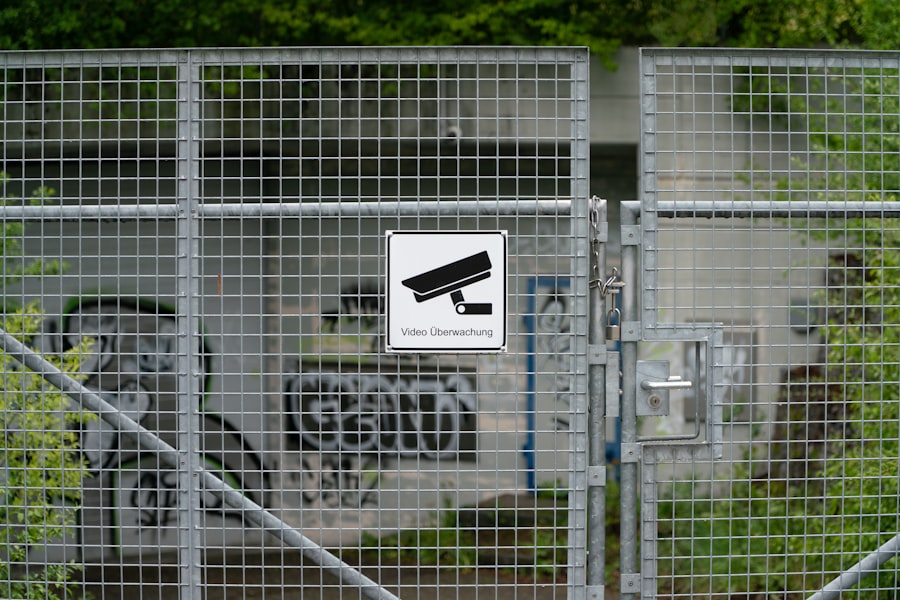
Sophisticated surveillance systems, including CCTV networks, motion sensors, infrared detectors, and seismic sensors, provide 24/7 monitoring of nuclear sites. These systems are often integrated into centralized command centers where anomalies can be detected and responded to immediately by armed security forces.
Redundancy and Hardened Infrastructure
Critical infrastructure supporting nuclear operations, such as command centers and communication nodes, are designed with redundancy and hardened to withstand various threats, including conventional attacks and electromagnetic pulses. This ensures operational continuity even in adverse conditions.
Cyber Security Defenses: The Digital Frontier
In the digital age, cyber espionage poses a significant and evolving threat to nuclear security. State-sponsored advanced persistent threat (APT) groups constantly probe digital defenses, seeking vulnerabilities to exfiltrate data or disrupt systems.
Air-Gapped Networks
For the most sensitive nuclear control systems and data, many nations employ “air-gapped” networks. These systems are physically isolated from the internet and other external networks, creating a digital chasm that makes remote infiltration exceptionally difficult.
Robust Encryption and Access Management
Sensitive digital information is protected using strong encryption algorithms and rigorous access management protocols. This ensures that even if data is illicitly obtained, it remains unintelligible without the appropriate decryption keys, which are themselves heavily protected.
Regular Vulnerability Assessments and Penetration Testing
Cybersecurity teams continually conduct vulnerability assessments and penetration testing (“pen-testing”) on nuclear-related networks and systems. These proactive measures identify potential weaknesses before malicious actors can exploit them, akin to an immune system constantly scanning for threats.
Countering Human Intelligence (HUMINT) Threats
While technological defenses are crucial, the human element remains a primary vector for espionage. Disgruntled employees, ideological sympathizers, or financially motivated individuals can be exploited to provide access to classified information or systems.
Rigorous Personnel Vetting and Ongoing Surveillance
Individuals with access to nuclear programs undergo arduous background checks, security clearances, and psychological evaluations. This vetting process is not a one-time event but an ongoing process, with regular reviews and continuous monitoring for any indicators of compromise.
Polygraph Examinations
Some nations utilize polygraph examinations (lie detectors) as part of their security clearance process for sensitive positions within nuclear programs. While the scientific validity of polygraphs is debated, they are often employed as a deterrent and a tool to elicit confessions or identify inconsistencies.
Continuous Insider Threat Programs
Advanced insider threat programs employ behavioral analysis, network monitoring, and data analytics to detect anomalous activity that might indicate a potential insider threat. This could include unusual access patterns, attempts to download large volumes of data, or expressions of discontent.
Counterintelligence Operations
Aggressive counterintelligence operations are essential to identify, track, and neutralize foreign intelligence efforts targeting nuclear programs. This involves a proactive approach to detect and disrupt espionage networks before they can achieve their objectives.
Doubles and Deception Operations
Counterintelligence agencies sometimes employ double agents or engage in deception operations to feed misinformation to adversary intelligence services, shielding actual capabilities and intentions. This can be likened to a cunning chess player making a sacrifice to gain a larger advantage.
Threat Briefings and Awareness Training
All personnel with access to classified information receive regular threat briefings and awareness training on the methods and motivations of foreign intelligence services. This empowers employees to recognize potential approaches and report suspicious activities.
International Cooperation and Arms Control Treaties
Securing nuclear deterrence against espionage is not solely a national endeavor; it also benefits significantly from international cooperation through arms control treaties and information sharing.
The Nuclear Non-Proliferation Treaty (NPT)
The NPT, a landmark international treaty, aims to prevent the spread of nuclear weapons, promote cooperation in the peaceful uses of nuclear energy, and further the goal of achieving nuclear disarmament. While not directly focused on espionage, the NPT’s inspection regimes, conducted by the International Atomic Energy Agency (IAEA), provide a layer of transparency and verification that can indirectly deter proliferation-related espionage.
Bilateral and Multilateral Information Sharing
Nuclear-armed states often engage in bilateral and multilateral information-sharing agreements on best practices for nuclear security. This can involve sharing intelligence on emerging threats, cybersecurity vulnerabilities, and techniques for countering espionage. This collaborative approach recognizes that a breach in one nation’s nuclear security can have global repercussions.
Confidence-Building Measures
Confidence-building measures, such as mutual inspections and data exchanges, while primarily designed to reduce the risk of accidental war, also contribute to deterring espionage by increasing transparency and reducing incentives for clandestine information gathering.
In the realm of nuclear deterrence, implementing effective strategies to prevent espionage is crucial for maintaining national security. A related article discusses various methods that can be employed to safeguard sensitive information and technology from foreign adversaries. By exploring the complexities of intelligence gathering and counterintelligence, the article provides valuable insights into how nations can bolster their defenses. For more information on this topic, you can read the full article here.
The Enduring Challenge: Vigilance as the Ultimate Weapon
| Strategy | Description | Effectiveness | Implementation Challenges | Example Metrics |
|---|---|---|---|---|
| Compartmentalization | Limiting access to sensitive information to only those with a need-to-know basis. | High | Ensuring strict access controls and monitoring compliance. | Percentage of personnel with access; number of access violations detected |
| Encryption of Communications | Using advanced cryptographic methods to secure all communications related to nuclear deterrence. | Very High | Maintaining up-to-date encryption standards and key management. | Number of encrypted channels; frequency of key rotations |
| Insider Threat Programs | Monitoring and vetting personnel to detect and prevent insider espionage. | Moderate to High | Balancing privacy concerns with security needs; false positives. | Number of background checks; incidents of insider threats detected |
| Physical Security Enhancements | Securing facilities with barriers, surveillance, and controlled entry points. | High | Cost and logistics of maintaining physical security infrastructure. | Number of security breaches; frequency of security audits |
| Cybersecurity Measures | Protecting digital systems from hacking and cyber espionage. | Very High | Rapidly evolving cyber threats require constant updates. | Number of detected cyber attacks; patching frequency |
| Regular Security Training | Educating personnel on espionage risks and security protocols. | Moderate | Ensuring training is comprehensive and regularly updated. | Training completion rates; number of security incidents linked to human error |
| Use of Deception and Misinformation | Deploying false information to mislead potential spies. | Variable | Risk of misinformation affecting own operations. | Number of detected espionage attempts thwarted by deception |
Despite the robust and multifaceted security measures in place, the threat of nuclear espionage remains an enduring challenge. The stakes are extraordinarily high, meaning that adversary intelligence services will constantly seek new and innovative ways to penetrate defenses. Therefore, vigilance, adaptability, and continuous innovation are not merely desirable attributes but absolute necessities in the ongoing effort to secure nuclear deterrence.
The Evolving Threat Landscape
The advent of new technologies, such as artificial intelligence and quantum computing, presents both opportunities and challenges for nuclear security. While these technologies can enhance defensive capabilities, they also introduce new avenues for sophisticated attacks, demanding constant adaptation and foresight from security professionals.
The Human Factor: A Persistent Vulnerability
Even with the most advanced technologies, the human element will always remain a critical vulnerability. The potential for human error, malice, or compromise necessitates continuous investment in personnel vetting, training, and the cultivation of a robust security culture.
In conclusion, securing nuclear deterrence against espionage is a complex and perpetual undertaking. It requires a relentless commitment to physical security, robust cyber defenses, sophisticated counterintelligence operations, and international cooperation. The nuclear arsenals of the world are not merely weapons; they are symbols of strategic power, and their security reflects the enduring commitment to global stability. The ongoing battle against espionage is, in essence, a battle to preserve that stability, ensuring that the sword of deterrence remains sharp and unblunted by the machinations of those who seek to undermine it. You, the reader, should now have a clearer understanding of the profound importance and intricate measures involved in safeguarding this critical aspect of international security.
FAQs
What is espionage in the context of nuclear deterrence?
Espionage in nuclear deterrence refers to the covert gathering of sensitive information related to a country’s nuclear capabilities, strategies, or technologies by foreign intelligence agencies or adversaries. This information can be used to undermine national security or gain a strategic advantage.
Why is preventing espionage important for nuclear deterrence?
Preventing espionage is crucial because unauthorized access to nuclear secrets can compromise a nation’s defense strategies, lead to proliferation risks, and destabilize global security. Maintaining secrecy ensures the credibility and effectiveness of nuclear deterrence.
What are common strategies used to prevent espionage in nuclear deterrence?
Common strategies include implementing strict access controls, using advanced cybersecurity measures, conducting thorough background checks on personnel, employing counterintelligence operations, and regularly updating security protocols to address emerging threats.
How does technology help in preventing espionage related to nuclear deterrence?
Technology aids prevention through encryption of sensitive data, surveillance systems to monitor unauthorized access, intrusion detection software, secure communication channels, and the use of artificial intelligence to identify suspicious activities.
What role do personnel play in preventing espionage in nuclear deterrence?
Personnel play a critical role by adhering to security protocols, reporting suspicious behavior, undergoing regular security training, and maintaining a culture of vigilance. Insider threats are a significant risk, so trustworthy and well-informed staff are essential to prevention efforts.