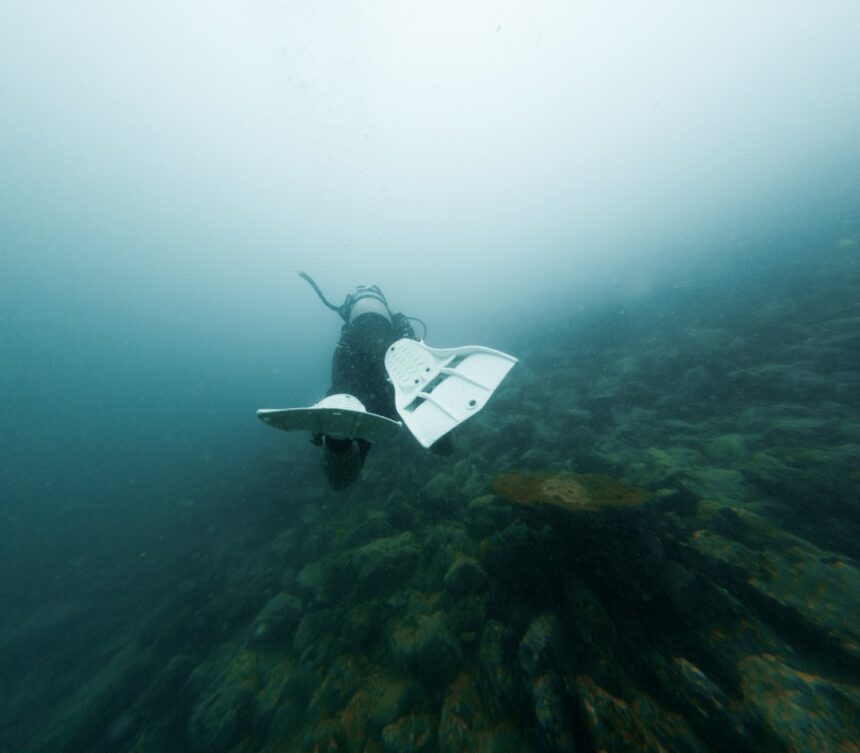
The realm of the deep sea, a vast and underexplored frontier, holds a profound allure for humanity. It is a world far removed from the sunlit surface, a place where pressure intensifies, light fades to an inky blackness, and life has adapted in remarkable and often bizarre ways. Unlocking the mysteries that lie within this enigmatic domain is a scientific endeavor of immense challenge and reward, pushing the boundaries of our understanding of life, geology, and the very planet we inhabit.
The deep sea, broadly defined as the ocean depths beyond 200 meters, is not a monolithic entity but a series of distinct zones, each presenting unique environmental pressures and inhabitants. At these depths, the familiar world of sunlight and breathable air gives way to an alien landscape.
The Mesopelagic Zone: The Twilight Realm
Stretching from 200 to 1000 meters, the mesopelagic zone, often referred to as the “twilight zone,” is characterized by a dramatic decrease in light penetration. Here, sunlight, though present, is insufficient for photosynthesis, marking the end of primary production driven by solar energy.
Fading Light and Adaptations
As one descends through the mesopelagic, the spectrum of light shifts from reds and yellows to blues and greens. This is because water absorbs longer wavelengths of light more readily. Many creatures in this zone possess specialized eyes, often large and sensitive, capable of detecting the faint bioluminescent signals of other organisms or the dim vestiges of sunlight. Some exhibit counterillumination, a form of camouflage where they produce light from their undersides to match the dim light filtering down from above, rendering them invisible to predators hunting from below.
Vertical Migration: A Daily Commute
A significant biological phenomenon in the mesopelagic is the daily vertical migration. Millions of organisms, from tiny zooplankton to larger fish, ascend from the depths at night to feed in the richer, shallower waters, only to descend again at dawn. This colossal biomass transfer plays a crucial role in nutrient cycling and the food web of the ocean.
The Bathyal Zone: The Midnight Zone
Below the mesopelagic, from 1000 to 4000 meters, lies the bathyal zone, also known as the “midnight zone.” Here, sunlight is completely absent. The environment is one of perpetual darkness, extreme cold, and immense hydrostatic pressure.
Pressure’s Grip
The pressure in the bathyal zone can exceed 400 atmospheres, a force equivalent to having an elephant standing on a postage stamp. Life in this zone has evolved to withstand these crushing pressures without being deformed or having their cellular processes disrupted. Specialized proteins and lipid membranes are key to their survival.
Chemosynthetic Life Forms
Without sunlight, life in the bathyal zone, particularly in certain localized areas, relies on chemical energy rather than solar energy. This process, known as chemosynthesis, is particularly prominent around hydrothermal vents and cold seeps, where specialized bacteria and archaea utilize chemicals like hydrogen sulfide to produce energy. These chemosynthetic microbes form the base of unique food webs that support diverse communities of organisms.
The Abyssal Zone: The Vast Plains
Extending from 4000 to 6000 meters, the abyssal zone comprises the vast, flat plains that cover a significant portion of the ocean floor. These regions are characterized by fine sediments, extremely low temperatures, and constant, immense pressure.
Sentinel of the Deep
Life in the abyssal zone is sparse but surprisingly resilient. Organisms are often adapted for slow metabolic rates and efficient energy utilization. Many are detritivores, feeding on organic matter that slowly drifts down from the upper layers of the ocean. The scarcity of food has led to unique adaptations, such as large mouths and distensible stomachs, allowing them to consume any available meal, no matter how infrequent.
Sediment as a Habitat
The soft sediment of the abyssal plains provides a habitat for a range of burrowing organisms and sessile invertebrates. These creatures often play a crucial role in sediment bioturbation, the mixing and reworking of sediments by living organisms, which influences nutrient cycling and the geological record.
The Hadal Zone: The Ultimate Frontier
The deepest parts of the ocean are found in the hadal zone, the trenches that plunge to depths exceeding 6000 meters, reaching as deep as 11,000 meters or more in places like the Mariana Trench. These are the planet’s most extreme environments.
Life in the Trenches
Despite the crushing pressures, near-freezing temperatures, and complete absence of light, life persists in the hadal zone. Organisms here, such as amphipods and xenophyophores (a type of giant amoeba), exhibit remarkable adaptations for survival. Their cellular structures are designed to remain stable under immense pressure, and their metabolic processes are incredibly efficient. The study of hadal life offers insights into the absolute limits of life on Earth.
Deep sea exploration has captivated scientists and adventurers alike, revealing the mysteries of the ocean’s depths and the unique ecosystems that thrive there. For a deeper understanding of the challenges and innovations in this field, you can read a related article on the topic at In the War Room, which discusses the latest advancements in underwater technology and the importance of preserving marine biodiversity.
The Unseen Ecosystems: Hydrothermal Vents and Cold Seeps
While much of the deep sea floor is characterized by sparse life, certain areas teem with an astonishing abundance and diversity of life, fundamentally challenging our understanding of how ecosystems can exist. These oases of life are powered not by sunlight, but by the Earth’s internal heat and chemical energy.
Hydrothermal Vents: Black Smokers and White Smokers
Hydrothermal vents are fissures in the ocean floor where geothermally heated water and minerals erupt. These “black smokers” and “white smokers,” named for the color of the mineral deposits they expel, spew superheated, mineral-rich fluids into the surrounding cold, deep-sea water.
The Foundation of Life: Chemosynthetic Bacteria
The remarkable ecosystems surrounding hydrothermal vents are built upon a foundation of chemosynthetic bacteria. These microscopic organisms utilize dissolved chemicals, such as hydrogen sulfide, methane, and iron, in the vent fluids as an energy source to produce organic matter. This process is analogous to photosynthesis in surface ecosystems, but instead of sunlight, it uses chemical gradients.
Specialized Symbioses
Many larger organisms at vents form symbiotic relationships with these chemosynthetic bacteria. Tube worms, for example, lack mouths and digestive tracts; instead, they house symbiotic bacteria within specialized organs called trophosomes. These bacteria provide the tube worms with all their nutritional needs, allowing them to thrive in an environment otherwise devoid of food. Giant clams and mussels also harbor symbiotic bacteria within their gills.
A Biodiversity Hotspot
The energy supplied by chemosynthesis supports a unique and diverse community of organisms, including specialized species of mussels, clams, shrimp, crabs, and fish. These animals have evolved remarkable adaptations to cope with the extreme temperatures, high concentrations of toxic chemicals, and fluctuating conditions found near vents. The study of these vent communities has provided crucial insights into the origins of life and the potential for life on other planets with similar geological activity.
Cold Seeps: Methane and Sulfides on the Seafloor
Cold seeps are another type of deep-sea ecosystem where fluids rich in methane and hydrogen sulfide are released from the seafloor. Unlike hydrothermal vents, the fluids at cold seeps are generally at ambient seawater temperature.
The “Silent” Energy Source
The primary energy source at cold seeps is also chemosynthesis, driven by bacteria and archaea that metabolize methane and sulfides. These seeps are often characterized by large, shell-less mussels and clams that host symbiotic chemosynthetic bacteria. Beds of chemoautotrophic bacteria, often appearing as mats on the seafloor, are also common.
Microbial Mats and Larger Fauna
These microbial mats provide food for grazers, while the filter-feeding bivalves support their own specialized fauna. Organisms found at cold seeps include various species of polychaete worms, gastropods, and crustaceans, many of which are endemic to these seep environments.
Geological Indicators and Ancient Environments
Cold seeps can be found in a variety of geological settings, including continental margins and areas of tectonic activity. They can persist for thousands of years, forming extensive carbonate structures as minerals precipitate from the seeped fluids. The study of these features provides insights into past ocean conditions and geological processes.
The Symphony of Bioluminescence: Light in the Darkness
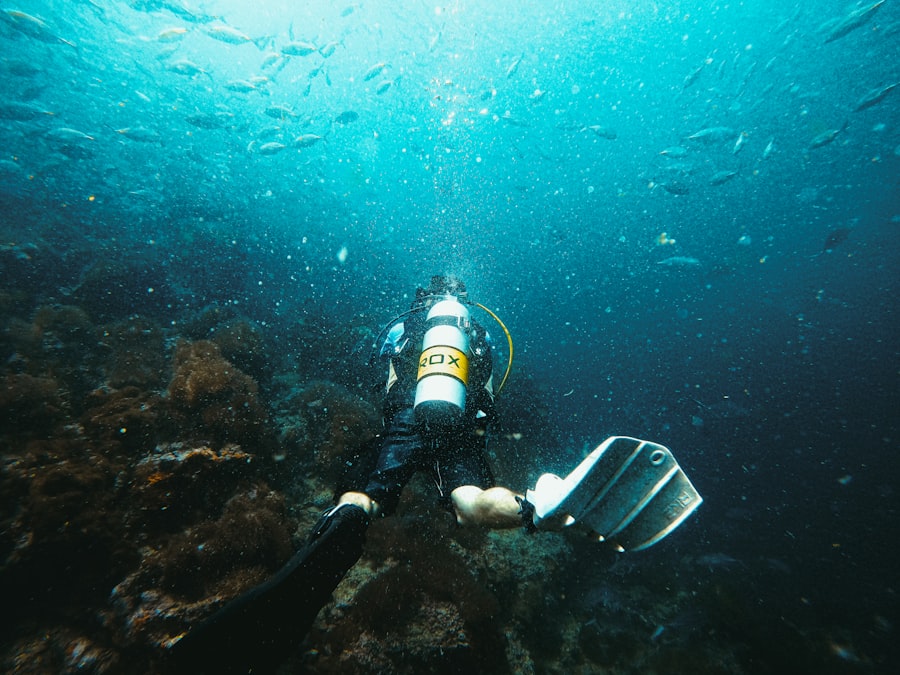
In the perpetual darkness of the deep sea, a silent symphony of light plays out. Bioluminescence, the production and emission of light by living organisms, is a widespread phenomenon, serving a multitude of purposes in the deep-sea environment. This biological light is a crucial adaptation for survival and communication.
The Chemistry of Light Production
Bioluminescence is a chemical reaction involving a light-emitting molecule called a luciferin and an enzyme called a luciferase. The specific types of luciferins and luciferases vary among different species, leading to a range of colors and patterns of light emission.
Diverse Functions of Deep-Sea Light
The functions of bioluminescence in the deep sea are as diverse as the creatures that produce it.
Attraction and Predation
Many deep-sea predators use bioluminescent lures to attract prey. The anglerfish, with its iconic bioluminescent esca (an organ at the end of a modified fin ray), is a prime example. This glowing lure dangles in front of its enormous mouth, attracting smaller fish and invertebrates within striking distance.
Defense Mechanisms
For prey animals, bioluminescence can be a powerful defensive tool. Some organisms release a cloud of bioluminescent particles when threatened, startling or distracting predators, allowing them to escape. Others use flashes of light to startle predators or act as a “burglar alarm,” illuminating a predator and attracting a larger predator to attack the initial attacker.
Communication and Mating
Bioluminescent signals are also used for communication and mate recognition. Specific patterns, flashes, and colors can convey information about species, sex, and reproductive readiness. This is particularly important in the vast, dark expanse of the deep sea where visual cues are otherwise limited.
Camouflage (Counterillumination)
As mentioned in the mesopelagic zone, counterillumination is a form of camouflage where an organism produces light from its ventral (lower) side to match the faint light filtering down from above. This makes it difficult for predators looking up from below to detect their silhouette.
The Prevalence of Light
Estimates suggest that over 90% of deep-sea organisms are bioluminescent at some stage of their life cycle. This ubiquitous presence of light underscores its critical importance in shaping the ecological interactions and survival strategies of deep-sea life. The study of bioluminescence not only reveals fascinating biological adaptations but also has potential applications in fields such as medicine and bioengineering.
The Challenges of Exploration: Reaching the Unreachable
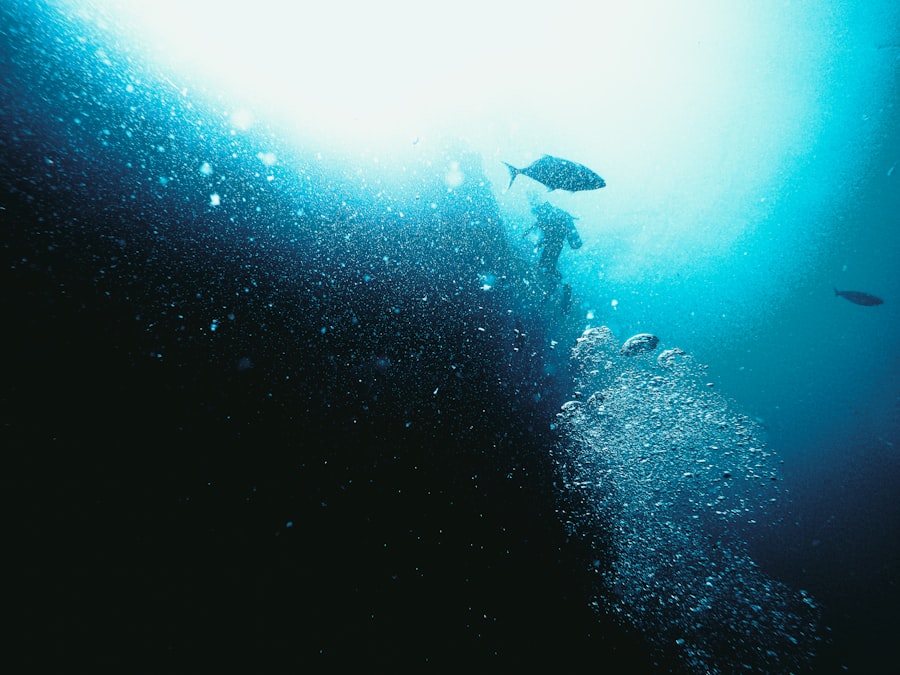
Exploring the deep sea is akin to venturing into a hostile alien planet. The sheer depth, coupled with crushing pressure, low temperatures, and complete darkness, presents formidable technological and logistical challenges.
The Pressure Cooker Environment
The immense hydrostatic pressure at deep-sea depths is a primary obstacle. At 10,000 meters, the pressure is over 1,000 times that at the surface. Any vessel or equipment designed to operate at these depths must be engineered to withstand this relentless force. Even minor structural imperfections can lead to catastrophic implosion.
Submersibles: Robotic and Manned
To overcome these challenges, scientists rely on specialized deep-sea vehicles. Remotely Operated Vehicles (ROVs) are uncrewed, tethered robots equipped with cameras, lights, and manipulator arms, allowing for detailed observation and sample collection. Autonomous Underwater Vehicles (AUVs) are uncrewed and untethered, capable of pre-programmed missions and data collection over vast areas. Manned submersibles, though less common due to safety concerns and cost, offer a direct human presence in the deep sea, providing a unique perspective and intuitive control.
The Darkness and the Cold
The absence of light necessitates powerful lighting systems for visual observation and photography. The extreme cold, often just above freezing, requires specialized insulation and operating procedures for equipment and personnel. The logistical complexities of operating in such remote and harsh environments also add to the challenges.
Sample Collection and Preservation
Collecting samples from the deep sea is another intricate task. Delicate biological specimens must be brought to the surface without being damaged by pressure changes or temperature fluctuations. Specialized collection devices and decompression chambers are often employed. Preserving these samples for later study requires meticulous techniques to maintain their integrity.
Technological Advancements: Pushing the Boundaries
Despite these difficulties, technological advancements are continually pushing the boundaries of deep-sea exploration. Miniaturization of sensors, improvements in power sources, and sophisticated navigation systems are enabling researchers to venture deeper and explore more extensively than ever before. The development of new materials that can withstand extreme pressures is also a critical area of innovation.
Deep sea exploration has always fascinated scientists and adventurers alike, revealing the mysteries of our planet’s last frontier. For those interested in learning more about the latest discoveries and technologies used in this field, a related article can be found at this link. The depths of the ocean hold secrets that could reshape our understanding of marine biology and geology, making ongoing research in this area crucial for both science and conservation efforts.
Our Understanding: A Glimpse into the Unknown
| Metric | Value | Unit | Description |
|---|---|---|---|
| Maximum Depth Explored | 10,984 | meters | Depth reached by the deepest manned submersible in the Mariana Trench |
| Average Ocean Depth | 3,688 | meters | Mean depth of the world’s oceans |
| Pressure at Maximum Depth | 1,100 | atmospheres | Pressure experienced at the deepest ocean trenches |
| Number of Deep Sea Submersibles | 15 | units | Operational manned and unmanned vehicles for deep sea exploration |
| Explored Ocean Floor Percentage | 20 | percent | Estimated portion of the ocean floor mapped or explored |
| Typical Dive Duration | 8 | hours | Average time a submersible can stay at depth during exploration |
| Temperature at Deep Sea | 1 to 4 | °C | Typical temperature range in deep ocean environments |
Despite centuries of scientific inquiry, the deep sea remains largely uncharted territory. It is estimated that we have explored less than 5% of the ocean floor. What we have discovered, however, has already revolutionized our understanding of life’s resilience, the Earth’s geological processes, and the intricate interconnectedness of our planet’s systems.
Biodiversity and Evolution’s Laboratory
The deep sea is a treasure trove of biodiversity, with an astonishing number of endemic species found nowhere else on Earth. Studying these organisms provides invaluable insights into the processes of evolution, adaptation, and speciation in extreme environments. It is a living laboratory where life has been free to experiment in isolation for millennia.
Geological Processes and Climate Regulation
The deep sea plays a crucial role in regulating our planet’s climate. Ocean currents, driven by temperature and salinity differences, distribute heat and nutrients globally. The vast reservoirs of carbon stored in deep-sea sediments are also significant in the global carbon cycle. Understanding these processes is vital for predicting and mitigating climate change.
Unanswered Questions and Future Frontiers
The deep sea is a constant reminder of how much we still have to learn. Fundamental questions about the origins of life, the extent of its distribution on Earth and potentially beyond, and the long-term impacts of human activities on these delicate ecosystems remain. The future of deep-sea exploration promises continued discovery, pushing the boundaries of science and our comprehension of the vast, watery world that covers most of our planet. Each expedition, each retrieved sample, is another piece in the grand puzzle, slowly but surely unlocking the mysteries of the deep.
FAQs
What is deep sea exploration?
Deep sea exploration is the scientific investigation of the ocean’s depths, typically below 200 meters, where sunlight is minimal or absent. It involves studying marine life, geology, and underwater ecosystems using specialized equipment and submersibles.
Why is deep sea exploration important?
Deep sea exploration is important because it helps scientists understand marine biodiversity, discover new species, study underwater geological formations, and assess the impact of human activities on ocean ecosystems. It also contributes to advancements in medicine, climate science, and natural resource management.
What technologies are used in deep sea exploration?
Technologies used in deep sea exploration include remotely operated vehicles (ROVs), autonomous underwater vehicles (AUVs), manned submersibles, sonar mapping systems, and deep-sea cameras. These tools allow researchers to navigate, collect samples, and capture images in extreme underwater conditions.
What challenges do scientists face during deep sea exploration?
Scientists face challenges such as extreme pressure, low temperatures, darkness, and limited communication capabilities. The deep ocean environment is harsh and difficult to access, requiring robust equipment and careful planning to ensure safety and successful data collection.
What are some notable discoveries from deep sea exploration?
Notable discoveries include hydrothermal vent ecosystems with unique life forms, new species of deep-sea creatures, underwater volcanoes, and insights into plate tectonics. These findings have expanded our understanding of life’s adaptability and the Earth’s geological processes.