The ocean’s embrace remains one of Earth’s most formidable frontiers, a vast and largely unmapped realm that cradles mysteries deeper than the human mind can readily fathom. For millennia, explorers have relied on direct observation, venturing into the watery abyss with the limited sight afforded by rudimentary submersibles or the perilous descent of divers. However, the advent and subsequent refinement of sonar technology have fundamentally reshaped our ability to probe these hidden domains, transforming the ocean from an impenetrable fortress into a landscape increasingly open to scientific scrutiny.
Sonar, an acronym for Sound Navigation and Ranging, is a geophysical technique that utilizes sound propagation to navigate, communicate with, or detect objects on or under the surface of the water. Its historical roots can be traced back to the early 20th century, born from the urgent need to detect submerged enemy vessels during wartime. The sinking of the Titanic in 1912, a stark reminder of the ocean’s unforgiving nature and the perils of unseen underwater obstacles, further fueled the drive for such capabilities.
Early Principles of Echolocation
The fundamental principle behind sonar is echolocation, a biological marvel observed in nature, most notably in bats and dolphins. These creatures emit sound waves and interpret the returning echoes to create a sonic map of their surroundings, enabling them to navigate and hunt in darkness. The earliest artificial sonar systems operated on a similar, albeit more basic, premise. These systems consisted of a transmitter that emitted a sound pulse, typically in the audible or ultrasonic range, and a receiver, often a hydrophone, that listened for the reflected echoes. The time it took for the echo to return, combined with the known speed of sound in water, allowed for a calculation of the distance to the object.
From Military Applications to Scientific Endeavors
The initial deployment of sonar was almost exclusively military. The development of active sonar systems during World War I, aimed at detecting submarines, was a significant breakthrough. These systems allowed naval vessels to “see” beneath the waves, albeit with a limited resolution. The subsequent decades saw continuous innovation, leading to more powerful transmitters, more sensitive receivers, and sophisticated signal processing techniques. This technological march, driven by strategic imperatives, inadvertently laid the groundwork for a revolution in oceanography. As sonar systems became more robust and accurate, their potential applications expanded beyond the battlefield. Scientists began to recognize the immense value of these tools in understanding the ocean floor, studying marine life, and exploring submerged geological formations.
The Digital Revolution and Sophisticated Signal Processing
The digital revolution proved to be a watershed moment for sonar technology. The transition from analog to digital systems enabled unprecedented levels of data acquisition and processing. Digital signal processing (DSP) algorithms allowed for the filtering of noise, the enhancement of faint echoes, and the creation of detailed acoustic images. This, in turn, led to the development of more advanced sonar types, such as side-scan sonar and multibeam echo sounders, which provided far richer and more comprehensive datasets than their predecessors. The ability to analyze complex acoustic signatures opened new avenues for research, allowing scientists to distinguish between different seabed types, identify shipwrecks with remarkable clarity, and even map intricate underwater geological features.
Sonar technology has revolutionized underwater exploration and surveillance, providing critical insights into marine environments and enhancing naval capabilities. For a deeper understanding of its applications and advancements, you can read a related article that discusses the latest innovations in sonar systems and their impact on maritime operations. Check it out here: Sonar Technology Innovations.
Types of Sonar Technology
The broad category of sonar encompasses a variety of technologies, each tailored to specific applications and depths. These systems can be broadly classified into active and passive sonar, with further distinctions based on their deployment and operational characteristics.
Active Sonar: The “Illuminator” of the Deep
Active sonar systems emit their own sound pulses, a deliberate act of “illuminating” the underwater environment. This outbound pulse strikes an object, and a portion of it reflects back to the sonar receiver as an echo. The analysis of these echoes provides information about the target’s range, bearing, and in some advanced systems, its size and composition.
Hull-Mounted Sonar: The Ship’s Ear
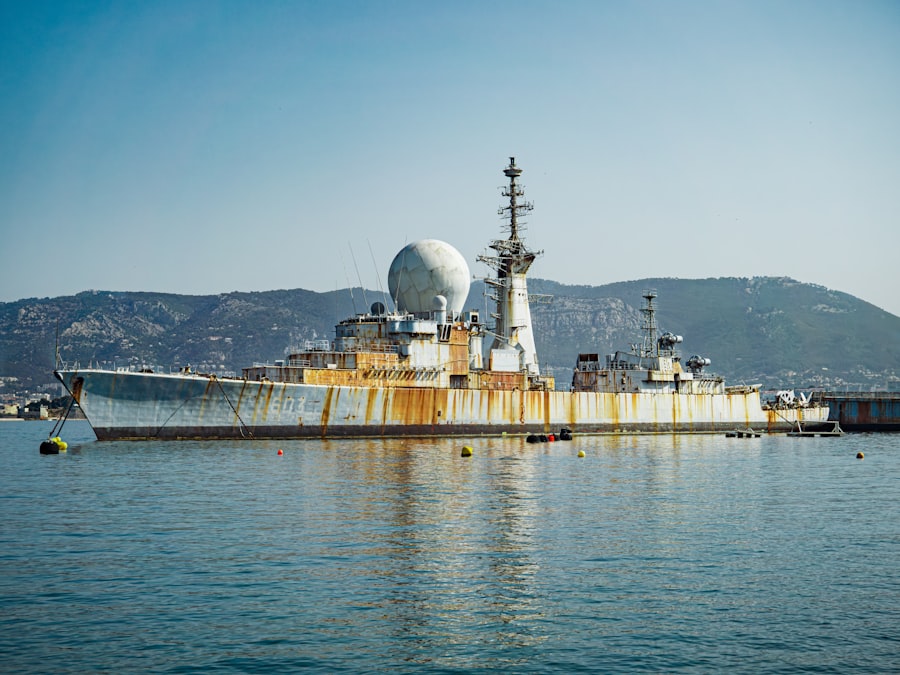
These are integrated into the hull of a vessel and are the most common type of sonar found on research ships and naval vessels. They provide a broad overview of the immediate underwater surroundings, acting as the ship’s primary acoustic eyes. Their advantage lies in their fixed position, allowing for continuous monitoring. However, their range can be limited by the vessel’s speed and the presence of interfering noise generated by the ship itself.
Towed Sonar Arrays: The Extended Reach
Towed sonar systems consist of one or more hydrophones towed behind a vessel on a cable. This allows the sonar array to be deployed at greater distances from the ship, minimizing acoustic interference from the vessel’s engines and propellers. Towed arrays are particularly effective for long-range detection and mapping, acting like an extended sensory appendage.
Deployable Sonar Systems: Versatility and Precision
This category includes a wide range of sonar systems that can be deployed from ships, aircraft, or even as part of autonomous underwater vehicles (AUVs) and remotely operated vehicles (ROVs).
Side-Scan Sonar: Painting the Seabed
Side-scan sonar emits acoustic pulses perpendicular to the direction of travel, creating a detailed acoustic image of the seafloor to either side of the sonar platform. Imagine a flashlight beam sweeping across a wall; side-scan sonar does something similar with sound. The resulting imagery can reveal subtle variations in seabed texture, identify man-made objects like shipwrecks and pipelines, and map geological features with remarkable clarity. Areas that appear uniformly gray in a typical image might, under side-scan sonar, reveal a tapestry of different textures, indicating varied sediment types or the presence of marine life.
Multibeam Echo Sounders: The Bathymetric Cartographer
Multibeam echo sounders emit a fan of acoustic beams, allowing them to map a wide swath of the seafloor simultaneously. As the sonar platform moves, these beams collectively build a detailed three-dimensional topographic map of the ocean floor, known as a bathymetric chart. This is akin to taking multiple photographs of a landscape from different angles and stitching them together to create a panoramic, highly detailed depiction. Multibeam sonar has been instrumental in creating high-resolution maps of continental shelves, abyssal plains, and underwater mountain ranges.
Sub-Bottom Profilers: Peering Beneath the Surface
Unlike side-scan and multibeam systems that focus on the seafloor’s surface, sub-bottom profilers are designed to penetrate the uppermost layers of sediment. They use low-frequency sound waves that can travel through the seabed, revealing buried geological layers, potential archaeological sites, and even the presence of gas hydrates. This technology acts as an acoustic drill, allowing scientists to “see through” the seafloor without disturbing it physically.
Passive Sonar: The Silent Observer
Passive sonar systems do not emit any sound pulses. Instead, they rely on listening to sounds already present in the underwater environment. These sounds can originate from a variety of sources, including marine mammals, passing vessels, geological activity, and even the natural ambient noise of the ocean.
Hydrophones: The Listening Ears
Hydrophones are the crucial components of passive sonar systems, acting as underwater microphones. They capture acoustic energy, which is then processed to identify and analyze the sources of the sound. Passive sonar is invaluable for stealthy operations, as it does not reveal the observer’s presence. It is also a vital tool for studying marine mammal behavior and vocalizations, as it allows researchers to monitor their activities without disturbing them. Marine mammals, like whales and dolphins, use a complex repertoire of clicks and whistles, and passive sonar allows scientists to decode these acoustic conversations, providing insights into their social structures, feeding patterns, and migration routes.
Applications of Sonar Technology
The transformative power of sonar technology has extended its reach across a diverse spectrum of disciplines, from fundamental scientific research to critical industrial and conservation efforts.
Oceanographic Research: Mapping the Unseen Landscape
Sonar has revolutionized our understanding of the ocean floor, revealing its complex topography and geological processes. Before the widespread use of sonar, bathymetric maps were largely sparse and inaccurate. Now, thanks to multibeam echo sounders, scientists can create incredibly detailed maps of everything from shallow coastal areas to the deepest trenches.
Seafloor Mapping and Charting:
Sonar systems provide the backbone for modern nautical charting, ensuring safe navigation for ships. They identify and map features such as seamounts, ridges, canyons, and trenches, offering a precise understanding of the ocean’s physical structure. This is akin to creating a topographical map of a continent, but for a realm that is largely invisible to us. The data gathered allows for the creation of detailed bathymetric charts, which are essential for maritime safety, shipping routes, and the planning of underwater infrastructure.
Geological Investigations:
Sonar, particularly sub-bottom profilers, allows geologists to study the layers of sediment beneath the seafloor. This data provides insights into past sea-level changes, the history of tectonic activity, and the formation of sedimentary basins. By analyzing these layers, scientists can reconstruct paleo-environmental conditions, offering a window into Earth’s history. It is like reading the geological diary of the ocean floor, uncovering its ancient secrets.
Sediment Analysis and Classification:
Different sediment types, such as sand, mud, and gravel, reflect sound waves in distinct ways. Sonar data can be used to classify these types, helping researchers understand sediment transport processes, marine habitats, and potential resource deposits. The acoustic signature of a sandy seabed differs significantly from that of a muddy bottom, and sonar allows for this differentiation.
Marine Biology and Ecology: Understanding the Living Ocean
Sonar’s ability to “see” beneath the surface has opened up new frontiers in the study of marine life, enabling researchers to observe and understand underwater ecosystems in ways previously unimaginable.
Marine Mammal Monitoring and Behavior Studies:
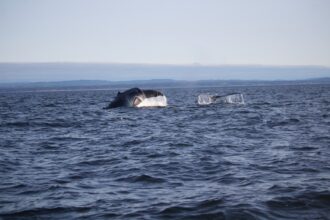
As mentioned, passive sonar is a crucial tool for monitoring the presence and behavior of marine mammals. Researchers can track the movements of whale pods, study their feeding strategies, and analyze their vocalizations to understand their communication and social structures without causing disturbance. This non-invasive approach is vital for the conservation of these magnificent creatures in an increasingly noisy ocean.
Fish Stock Assessment and Fisheries Management:
Active sonar systems, particularly specific types of echo sounders, can be used to estimate the biomass of fish stocks. By emitting sound pulses and analyzing the echoes returned by schools of fish, scientists can determine their size, density, and distribution. This is a critical tool for sustainable fisheries management, helping to prevent overfishing and ensure the long-term health of marine ecosystems. It provides a quantitative measure of the “harvestable” resources within the ocean.
Habitat Mapping and Characterization:
Sonar can be used to map and characterize marine habitats, such as coral reefs, seagrass beds, and kelp forests. The acoustic patterns generated by these ecosystems provide valuable information about their structure, complexity, and health. This allows for targeted conservation efforts and a better understanding of biodiversity hotspots. Identifying the acoustic “fingerprint” of a healthy coral reef versus a degraded one can inform crucial conservation interventions.
Marine Archaeology: Uncovering Sunken Histories
The ocean floor is a vast repository of human history, with countless shipwrecks and submerged structures lying undisturbed for centuries. Sonar technology has become an indispensable tool for archaeologists seeking to uncover these hidden relics.
Shipwreck Detection and Survey:
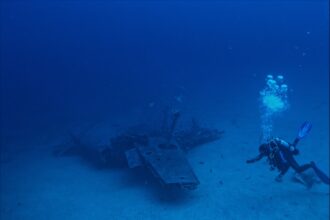
Side-scan sonar is exceptionally effective at detecting shipwrecks, which often appear as distinct anomalies on the seafloor. Once a potential wreck is identified, more advanced sonar systems, such as multibeam sonar, can provide detailed acoustic imagery of the site, allowing for initial assessments of its size, orientation, and condition without the need for direct diver intervention. This allows archaeologists to prioritize survey efforts and plan more effectively for underwater excavations. It is like finding a treasure map in the dark.
Submerged Architectural Remains:
Beyond shipwrecks, sonar has also been used to locate submerged ancient settlements, harbors, and other architectural remains. These discoveries provide invaluable insights into past human civilizations and their interaction with coastal environments. The study of these submerged landscapes offers a unique perspective on how sea-level rise and geological changes have impacted human history.
Offshore Energy and Infrastructure: Navigating Subsea Development
The growing demand for offshore energy sources, such as oil, gas, and wind power, has led to a significant expansion of underwater infrastructure, including pipelines, platforms, and subsea cables. Sonar plays a crucial role in the planning, construction, and maintenance of these vital installations.
Pipeline and Cable Route Surveys:
Before laying pipelines or cables, sonar surveys are conducted to identify potential hazards on the seafloor, such as boulders, existing structures, or soft sediment areas that could compromise the integrity of the installation. This ensures that the infrastructure is laid in the most stable and secure locations. It is like conducting a meticulous site survey for a major construction project, but entirely underwater.
Site Surveys and Hazard Identification:
Sonar is used to survey potential locations for offshore platforms and wind turbines, identifying any geological or bathymetric features that might pose risks. It also helps in the detection of unexploded ordnance (UXO) or other debris that could endanger offshore operations. The thoroughness of these surveys is paramount for the safety and efficiency of the offshore energy industry.
Monitoring and Maintenance:
Sonar is employed to monitor the condition of existing subsea infrastructure. Regular surveys can detect changes such as seabed scour around pipelines or the displacement of structures, allowing for timely maintenance and preventing potential failures. This ongoing monitoring ensures the long-term operational integrity of these critical assets.
Challenges and Future Directions
Despite its remarkable advancements, sonar technology continues to face challenges, and its future development promises even more exciting possibilities for exploring the ocean depths.
Acoustic Noise and Interference: The Underwater Cacophony
One of the persistent challenges in sonar operation is the interference from unwanted acoustic noise. This can originate from various sources, including the operation of the sonar platform itself, other vessels, marine life, and natural oceanographic phenomena. Distinguishing faint echoes from this pervasive background noise requires sophisticated signal processing techniques and careful system design. The ocean, though vast, is not silent, and separating meaningful signals from the ambient clamor is a constant endeavor.
Resolution and Penetration Limitations: The Trade-offs of Sound
The physical properties of sound in water impose inherent limitations on sonar resolution and penetration depth. Lower frequencies, which can travel further and penetrate sediment more effectively, tend to have lower resolution, meaning they can distinguish finer details less well. Conversely, higher frequencies offer better resolution but have a shorter range and are more easily attenuated by water. Scientists are constantly seeking to optimize these trade-offs for specific applications. There is a perpetual dance between seeing farther and seeing finer.
Data Interpretation and Processing Demands: The Signal in the Noise
The sheer volume and complexity of data generated by modern sonar systems present significant processing and interpretation challenges. Advanced algorithms, artificial intelligence, and machine learning are increasingly being employed to extract meaningful information from these datasets efficiently and accurately. Turning raw acoustic data into actionable scientific insights is a major undertaking.
The Integration of Sonar with Other Technologies: A Symphony of Sensors
The future of sonar will likely involve its increasing integration with other underwater sensing technologies. Combining sonar data with visual imagery from cameras, data from inertial navigation systems, and information from environmental sensors will provide a more comprehensive and richer understanding of the underwater world. This creates a multi-sensory approach, allowing researchers to see, hear, and feel their way through the marine environment with unprecedented clarity.
Advancements in Transducer Technology and Signal Processing: Sharper Ears and Smarter Minds
Ongoing research in transducer materials and design is leading to more efficient and robust sonar systems. Simultaneously, breakthroughs in digital signal processing, including the application of quantum computing principles and advanced artificial intelligence, promise to unlock even greater capabilities in noise reduction, target identification, and data analysis. These advancements represent a continuous quest for sharper ears and smarter minds in the realm of underwater acoustics.
In conclusion, sonar technology has emerged as an indispensable tool for humanity’s exploration and understanding of the ocean. From its wartime origins to its current multifaceted applications in research, conservation, and industry, sonar has consistently pushed the boundaries of what is possible beneath the waves. As this technology continues to evolve, it promises to unveil further secrets of the deep, enabling us to navigate, study, and protect this vital realm for generations to come. The ocean’s story is still being written, and sonar is an increasingly crucial instrument in deciphering its profound narratives.
FAQs
What is sonar technology?
Sonar technology is a method that uses sound waves to detect and locate objects underwater. It works by emitting sound pulses and measuring the time it takes for the echoes to return after bouncing off objects.
How does sonar technology work?
Sonar systems send out sound waves that travel through water. When these waves hit an object, they reflect back to the sonar receiver. By calculating the time delay between sending and receiving the sound waves, the system determines the distance and position of the object.
What are the main types of sonar?
There are two main types of sonar: active and passive. Active sonar emits sound pulses and listens for echoes, while passive sonar only listens for sounds made by other objects, such as marine life or submarines.
What are common applications of sonar technology?
Sonar is widely used in navigation, underwater mapping, fishing, submarine detection, and scientific research. It helps in locating underwater hazards, mapping the ocean floor, and studying marine life.
What are the limitations of sonar technology?
Sonar performance can be affected by water conditions such as temperature, salinity, and pressure. It may also have limited range and resolution, and active sonar can sometimes disturb marine animals due to the sound pulses it emits.