The integration of acoustic sensing technologies into military surveillance operations represents a significant evolution in how forces gather intelligence and maintain situational awareness. These systems, akin to a soldier’s sharp ears in the battlefield, can detect, identify, and locate a wide spectrum of sound-producing phenomena, contributing to a more comprehensive understanding of the operational environment. The ability to interpret the subtle whispers of distant engines or the sharp crack of small arms fire can provide critical early warnings and actionable intelligence, transforming passive observation into proactive engagement. This article will explore the fundamental principles behind acoustic surveillance, the diverse types of sensors employed, their applications across various military domains, and the ongoing advancements shaping their future.
Acoustic surveillance in a military context leverages the physics of sound propagation to glean information about the presence, movement, and nature of potential threats. Unlike visual observation, which can be hampered by darkness, fog, or concealment, acoustic sensors can penetrate these barriers, offering a persistent eye – or rather, ear – on the environment.
Sound Propagation and Detection
Sound travels as waves through a medium, be it air, water, or solid ground. The characteristics of these waves – their amplitude (loudness), frequency (pitch), and temporal variations – carry information. Acoustic sensors are designed to convert these pressure variations into electrical signals, which are then processed and analyzed.
Amplitude and Intensity
The amplitude of a sound wave directly relates to its perceived loudness. In a military setting, the intensity of an acoustic signature can indicate the size and proximity of a source. A faint hum might suggest a distant vehicle, while a deafening roar could signify an approaching aircraft or artillery strike.
Frequency and Pitch
Frequency, measured in Hertz (Hz), determines the pitch of a sound. Different acoustic sources emit sounds within specific frequency ranges. For instance, human speech typically falls between 300 Hz and 3.4 kHz, while the low-frequency rumble of diesel engines can extend down to tens of Hz. Identifying these characteristic frequencies aids in distinguishing between various types of equipment and activities.
Doppler Effect
The Doppler effect is a fundamental principle exploited in acoustic surveillance, particularly for tracking moving targets. It describes the change in frequency of a sound wave for an observer moving relative to its source. A siren’s pitch increases as it approaches and decreases as it recedes. By measuring these frequency shifts, military systems can accurately determine the velocity and direction of moving objects, painting a dynamic picture of troop movements or enemy advances.
Signal Processing and Analysis
Raw acoustic data is often noisy and complex. Sophisticated signal processing techniques are essential to extract meaningful information and filter out irrelevant sounds. This often involves applying algorithms to:
Noise Reduction and Filtering
Background noise, such as wind, rain, or general ambient sounds, can obscure target signatures. Advanced filtering techniques are employed to suppress these unwanted signals, allowing for clearer detection of relevant sounds. This can be analogous to a seasoned scout straining to hear a twig snap in a rustling forest.
Feature Extraction
Identifying distinct acoustic features, such as the characteristic sound patterns of specific engine types, weapon discharges, or even human vocalizations, is crucial for classification. This involves analyzing the waveform, spectrum, and temporal characteristics of the sound.
Target Identification and Classification
Once relevant features are extracted, machine learning algorithms and established acoustic libraries are used to identify and classify the source of the sound. This allows military personnel to distinguish between friendly forces, potential adversaries, or even environmental phenomena.
Acoustic sensors have become increasingly vital in military operations, providing enhanced surveillance and reconnaissance capabilities. For a deeper understanding of the applications and advancements in this technology, you can read a related article on the topic at In The War Room. This resource explores various aspects of acoustic sensor technology and its implications for modern warfare, highlighting how these tools can improve situational awareness and operational effectiveness.
Types of Acoustic Sensors Employed
The diversity of military operations necessitates a range of acoustic sensors, each optimized for specific environments and detection tasks. These sensors can be broadly categorized by their deployment platform and acoustic sensing principles.
Microphones and Microphone Arrays
These are the most common type of acoustic sensors, converting sound pressure waves into electrical signals. Microphone arrays, consisting of multiple microphones, offer enhanced directional capabilities and allow for more precise localization of sound sources.
Omnidirectional Microphones
These microphones capture sound equally from all directions. While useful for general ambient monitoring, their directional limitations make them less effective for pinpointing specific threats in a complex environment.
Unidirectional and Bidirectional Microphones
These microphones are designed to focus on sound from specific directions, reducing interference from other sources. This directional sensitivity is crucial for isolating and tracking targets.
Phased Array Microphones
Phased arrays are sophisticated systems that use a multitude of microphones, precisely spaced and electronically delayed, to steer the acoustic beam and perform beamforming. This allows for high-resolution directional listening and the ability to focus on very specific sound sources while simultaneously suppressing others. Think of it as a spotlight that can be precisely aimed and adjusted.
Hydrophones
Deployed in aquatic environments, hydrophones are designed to detect underwater sound. The acoustic properties of water differ significantly from air, requiring specialized sensors capable of withstanding pressure and detecting lower-frequency sounds often associated with submarines, surface vessels, and marine mammals.
Passive Hydrophones
These sensors simply listen for ambient underwater sounds. They are invaluable for detecting and tracking submerged threats without revealing their own presence.
Active Hydrophones
These systems emit sound pulses and then listen for the echoes reflected off objects. This active sonar approach provides detailed information about the shape, size, and composition of submerged objects, but it also reveals the presence of the emitting platform.
Geophones
Geophones are seismic sensors that detect ground vibrations. They are particularly useful for detecting the movement of troops, vehicles, and artillery fire that generates seismic waves as it travels or impacts the ground.
Ground Vibration Analysis
By analyzing the patterns and frequencies of ground vibrations, operators can infer the type of activity occurring. The distinct tremors of a tank rolling across terrain are vastly different from the localized impact of a dropped munition.
Specialist Acoustic Transducers
Beyond these general categories, specialized acoustic transducers are developed for specific military applications, often incorporating unique materials and designs to enhance performance in challenging conditions.
Military Applications of Acoustic Surveillance
Acoustic surveillance systems are deployed across a wide spectrum of military operations, providing vital intelligence and enhancing operational effectiveness. Their applications range from strategic defense to tactical engagements.
Border and Perimeter Security
The ability of acoustic sensors to detect subtle intrusions makes them ideal for securing vast borders and sensitive perimeters. They can act as an invisible fence, alerting forces to unauthorized movements before they are visually detected.
Intrusion Detection Systems
Arrays of acoustic sensors can be deployed along borders to detect the sound of footsteps, vehicles, or even hushed conversations that indicate an attempted breach.
Early Warning Systems
These systems provide crucial early warnings of approaching threats, allowing security forces to mobilize and respond proactively, rather than reactively.
Vehicle and Aircraft Detection
The distinct acoustic signatures of vehicles and aircraft make them prime targets for acoustic surveillance. This capability is vital for situational awareness in both ground and air operations.
Ground Vehicle Monitoring
Acoustic sensors can identify and track the movement of tanks, armored personnel carriers, and other ground vehicles by their engine noise and track vibrations. This information is critical for assessing enemy force disposition and potential threats.
Aircraft and Drone Detection
The unique sound profiles of various aircraft, including helicopters, fixed-wing planes, and unmanned aerial vehicles (UAVs), can be recognized and tracked. This is essential for air defense and the identification of airborne threats.
Artillery and Small Arms Fire Location
Acoustic triangulation is a highly effective method for locating the origin of artillery shells and small arms fire. By measuring the time of arrival of the sound wave at multiple sensors, the firing platform can be pinpointed with remarkable accuracy.
Counter-Battery Fire Support
Locating enemy artillery positions allows for rapid and precise counter-battery fire, neutralizing threats and protecting friendly forces.
Small Arms Fire Direction
Similarly, identifying the source of small arms fire provides crucial information for ground troops to engage or avoid enemy positions.
Submarine and Naval Warfare
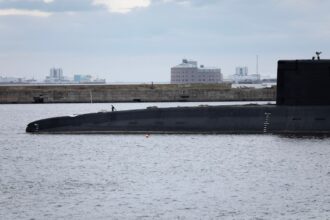
In the underwater domain, acoustic surveillance is paramount. Hydrophones are the eyes and ears for naval forces, detecting and tracking submarines, mines, and other submerged threats.
Submarine Detection and Tracking
The stealth capabilities of submarines are countered by the ability of passive sonar to detect the faint sounds they produce, such as propeller noise and machinery hum.
Mine Detection
Acoustic surveys can help identify submerged mines by their acoustic scattering characteristics when activated by active sonar.
Unmanned Systems and Persistent Surveillance
The development of unmanned aerial vehicles (UAVs) and other autonomous platforms has opened new avenues for acoustic surveillance. These systems can provide persistent monitoring of areas of interest without risking human lives.
Drone-Mounted Acoustic Payloads
UAVs equipped with acoustic sensors can patrol vast areas, collecting intelligence on ground-level activities undetected from traditional airborne platforms.
Autonomous Acoustic Networks
Networks of interconnected acoustic sensors, often deployed covertly, can provide continuous surveillance and real-time data streams to command centers.
Enhancements and Future Trends in Acoustic Surveillance
The field of acoustic surveillance is continuously evolving, driven by advancements in sensor technology, signal processing, and artificial intelligence. These developments promise even greater capabilities in the years to come.
Miniaturization and Sensor Networks
The trend towards smaller, more energy-efficient acoustic sensors allows for the deployment of denser, more pervasive sensor networks.
Distributed Sensor Architectures
Large numbers of miniaturized sensors can be strategically placed to create a comprehensive acoustic “mesh” over an area of interest, providing redundant coverage and enhanced localization accuracy.
Deployable Sensor Pods
These self-contained units can be rapidly deployed by air or ground forces, offering on-demand acoustic surveillance capabilities in tactical situations.
Artificial Intelligence and Machine Learning Integration
AI and ML are revolutionizing acoustic data analysis, enabling faster, more accurate identification and classification of sound sources.
Deep Learning for Target Recognition
Deep learning models can be trained on vast datasets of acoustic signatures to identify subtle patterns and distinguish between a multitude of sound sources with high accuracy.
Predictive Acoustics
By analyzing historical acoustic data and identifying trends, AI can potentially predict future events or the likelihood of certain activities based on acoustic cues.
Broadband and High-Frequency Acoustic Sensing
Expanding the frequency range of acoustic sensors allows for the detection of a wider spectrum of phenomena, including quieter or more rapidly changing acoustic events.
Detecting Stealth Technology
Advanced acoustic sensing may offer new ways to detect platforms employing stealth technologies by picking up subtle acoustic leakage or anomalies.
High-Frequency Applications
Certain high-frequency acoustic phenomena might be indicative of specific types of equipment or maneuvers that are not detectable with traditional low-frequency sensors.
Integration with Multi-Sensor Platforms
Acoustic data is increasingly being fused with information from other sensor types, such as radar, infrared, and visual systems, to create a more robust and comprehensive intelligence picture.
Sensor Fusion for Enhanced Accuracy
Combining different sensor modalities can overcome the limitations of individual systems and provide more accurate and reliable threat assessment. For example, a faint acoustic signature might be corroborated by a visual confirmation from a camera.
Cross-Cueing and Target Tracking
Information from acoustic sensors can be used to cue other sensor systems, directing their attention to areas of interest and improving overall target tracking capabilities.
Underwater Acoustic Advancements
The challenges of the underwater environment continue to drive innovation in hydrophone technology and sonar systems.
Autonomous Underwater Vehicle (AUV) Based Sonar
AUVs equipped with advanced sonar systems can conduct extensive underwater surveys for extended periods, providing detailed acoustic mapping of the seabed and water column.
Acoustic Metamaterials
The development of acoustic metamaterials, with their extraordinary sound manipulation properties, holds promise for creating novel sensor designs with enhanced sensitivity and directionality in underwater applications.
Acoustic sensors have become increasingly vital in military applications, providing enhanced surveillance and situational awareness on the battlefield. These advanced technologies allow for the detection of sounds from various sources, enabling forces to identify potential threats more effectively. For a deeper understanding of how these sensors are revolutionizing modern warfare, you can read a related article that explores their applications and benefits in detail. Check it out here.
Challenges and Considerations in Acoustic Surveillance
| Metric | Description | Typical Range/Value | Application in Military |
|---|---|---|---|
| Frequency Range | Operational frequency band of the sensor | 20 Hz to 20 kHz (audible); up to 100 kHz (ultrasonic) | Detection of vehicles, aircraft, and underwater threats |
| Detection Range | Maximum distance at which the sensor can detect acoustic signals | Up to 5 km (surface); up to 10 km (underwater with sonar) | Early warning and surveillance |
| Sensitivity | Minimum detectable sound pressure level | -160 dB re 1 µPa (underwater); -40 dB SPL (airborne) | Detecting faint or distant sounds |
| Signal Processing | Techniques used to analyze acoustic data | Beamforming, FFT, Doppler analysis | Target identification and classification |
| Deployment Platforms | Typical platforms where sensors are installed | Submarines, UAVs, ground vehicles, fixed installations | Versatile monitoring and reconnaissance |
| Power Consumption | Energy usage of the sensor system | 1-10 Watts (varies by system) | Operational endurance and stealth |
| Environmental Conditions | Operating temperature and pressure ranges | -40°C to 60°C; up to 500 meters underwater | Reliability in diverse combat environments |
Despite its significant advantages, the deployment and effectiveness of acoustic surveillance systems are not without their challenges. Addressing these complexities is crucial for maximizing their operational value.
Environmental Factors and Noise Contamination
The operational environment can significantly impact the performance of acoustic sensors. Wind, rain, traffic, and other ambient noises can mask target signatures or generate false alarms.
Signal-to-Noise Ratio (SNR) Management
Maintaining an acceptable signal-to-noise ratio is a constant battle in acoustic surveillance. Sophisticated filtering and processing techniques are employed to mitigate the impact of background noise.
Variability of Sound Propagation
Sound propagation is complex and can be affected by factors such as atmospheric conditions, terrain, and the presence of obstacles. This variability can influence the range and clarity of detected sounds.
Signal Interception and Exploitation by Adversaries
The very nature of acoustic surveillance means that the signals it detects can also be intercepted and understood by adversaries.
Counter-Acoustic Measures
Adversaries may employ measures to mask their acoustic signatures, such as using sound-dampening materials on vehicles or employing acoustic decoys.
Electronic Warfare and Jamming
Sophisticated adversaries may attempt to jam or disrupt acoustic sensor networks through electronic warfare tactics.
Data Management and Processing Power
The sheer volume of acoustic data generated, especially from large sensor networks, requires significant data storage and processing capabilities.
Real-time Data Analysis
The ability to analyze acoustic data in real-time is critical for timely decision-making on the battlefield. This requires high-performance computing resources and efficient processing algorithms.
Big Data Analytics
Managing and extracting actionable intelligence from massive acoustic datasets necessitates advanced big data analytics techniques.
Cost and Deployment Logistics
The implementation of comprehensive acoustic surveillance systems can be expensive, and their deployment, especially in remote or hostile environments, presents logistical challenges.
Sensor Maintenance and Calibration
Maintaining the accuracy and effectiveness of acoustic sensors requires regular maintenance and calibration, which can be resource-intensive.
Power Requirements for Deployed Sensors
Ensuring a reliable power source for deployed acoustic sensors, particularly in long-term surveillance operations, can be a significant logistical consideration.
Ethical and Legal Considerations
As with any surveillance technology, acoustic sensors raise ethical and legal questions, particularly regarding privacy and the potential for misuse.
Civilian Privacy Concerns
The widespread deployment of acoustic sensors, even for military purposes, can raise concerns about the potential for unintended monitoring of civilian activities.
Data Sovereignty and Usage Restrictions
Questions surrounding who owns and controls the collected acoustic data, and how it can be used, are increasingly important in the context of international cooperation and military operations.
FAQs
What are acoustic sensors used for in the military?
Acoustic sensors in the military are primarily used for detecting, locating, and identifying sounds such as gunfire, explosions, vehicle movements, and underwater activities. They help enhance situational awareness, target acquisition, and threat detection.
How do acoustic sensors detect sounds in military applications?
Acoustic sensors detect sound waves by converting them into electrical signals. These sensors use microphones or hydrophones to capture sound vibrations, which are then processed to determine the source, direction, and type of sound.
What types of acoustic sensors are commonly used by the military?
Common types of acoustic sensors used in the military include passive acoustic sensors, which listen for sounds without emitting signals, and active acoustic sensors, which emit sound pulses and analyze the echoes. Examples include gunshot detection systems, sonar arrays, and seismic-acoustic sensors.
What advantages do acoustic sensors offer in military operations?
Acoustic sensors provide several advantages, such as covert detection capabilities, long-range monitoring, and the ability to operate in various environments including underwater and urban areas. They can detect threats silently and provide real-time data for rapid response.
Are acoustic sensors integrated with other military technologies?
Yes, acoustic sensors are often integrated with other military systems like radar, infrared sensors, and communication networks. This integration enhances overall battlefield awareness and improves the accuracy and reliability of threat detection and targeting systems.